

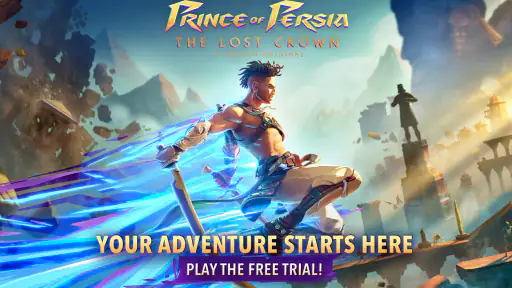
Prince of Persia: Lost Crown
- Reviews
- 4.6
- Version
- 1.0.0f
- Installs
- 500,000+

Screenshots
 Analysis by Frivlyz
I judge a mobile platform adventure by more than its scenery: I want to know whether I can follow what is happening, make useful progress in short sessions, and keep control when the action gets demanding. Prince of Persia: Lost Crown is an adventure game from Ubisoft Entertainment, and its mix of exploration, platforming, combat, and story gives it a broader feel than a quick reflex challenge. It is free to start, with optional in-app purchases priced from $3.99 to $15.99 per item. I would approach it as a substantial game to explore at my own pace, rather than something that promises effortless play for every person or situation.
Finding your way through a layered adventure
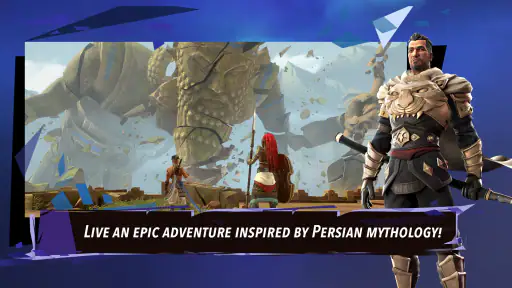
My first impression is that the game wants me to pay attention to the spaces I move through. Its richly drawn Persian-inspired setting makes each area feel like somewhere worth exploring, not just a corridor between fights. That visual detail is a pleasure, but it also means the screen can ask for a lot of attention at once: scenery, hazards, enemies, and routes all compete for my eyes. When a platforming section becomes busy, I find it helpful to pause mentally and read the shape of the route before committing to a jump, instead of treating every stretch as a sprint.
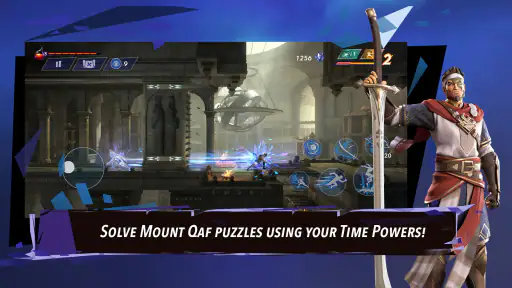
That way of playing suits the game’s blend of navigation and puzzles. I would not recommend rushing through every unfamiliar room just to keep the story moving. A short detour to understand a route can save repeated mistakes, and looking carefully at the environment turns exploration into part of the challenge rather than dead time. The trade-off is that players who want a very direct, clearly signposted path may find this style less relaxing than a straightforward action game. Here, curiosity is rewarded, but it also asks for patience.
The Enchanting World of Persia
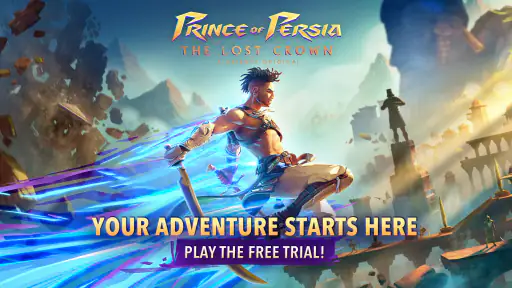
First off, let's talk about the mesmerizing world that Prince of Persia: Lost Crown throws you into. The graphics are absolutely stunning, capturing the essence of ancient Persia with intricate designs and vibrant colors. It feels like stepping into a living, breathing painting. The developers have really outdone themselves in creating an environment that's as captivating as it is detailed.
Gameplay that Keeps You on Your Toes
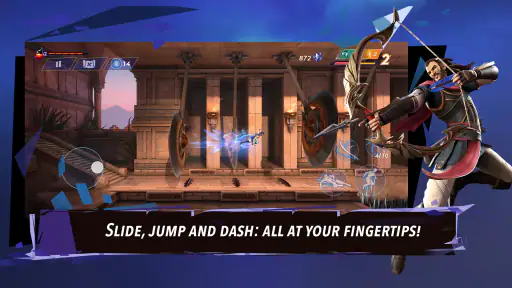
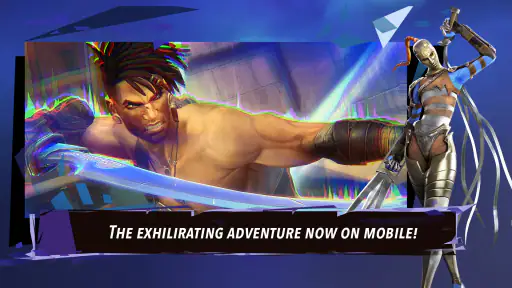
Now, let's dive into the gameplay, which is where the real magic happens. The controls are intuitive, making it easy to get the hang of things, even if you're not an experienced gamer. But don't be fooled, this game will test your reflexes and puzzle-solving skills. The platforming elements are top-notch, and you'll find yourself swinging, jumping, and climbing through levels that are both challenging and rewarding.
What the controls demand in practice
There is an important distinction between controls that are easy to understand and controls that feel easy under pressure. The basic actions make sense quickly, but a difficult sequence still depends on timing, coordination, and repeated attempts. If you are new to platform games, I would give yourself room to learn the rhythm rather than judging your ability by the first demanding section. A comfortable grip and a moment to settle before a tricky jump can matter more than trying to play quickly.
That makes the game a mixed fit for different motor needs. Someone who enjoys precise movement and can repeat an action until it clicks may find the challenge satisfying. Someone who needs slower input demands, has difficulty with rapid combinations, or finds repeated failure tiring may experience the same sections as a barrier. I would not assume that an intuitive start means every later encounter will be equally manageable. The combat and platforming both reward deliberate timing, so the most useful question is whether that kind of precision feels engaging to you or exhausting.
Gaming Stories You May Enjoy

Dancing Road Turns Short Breaks Into a Test of Rhythm and Timing

Super Stylist Makes Every Outfit a Test of Taste and Patience

Dominoes on Your Terms: Who Should Play and Who Should Pass

Pokémon GO Makes the Familiar World Feel New

Chess.com Turns Rematches Into Rivalries, but Community Has Its Costs

Archery Battle 3D Review: Sharp Aiming, Unclear Feedback
For sensory comfort, the strong colors and elaborate scenes give the world its identity, while also making visual focus important. I would try a brief session in a calm setting before committing to a long play period, especially if busy animation or visually dense environments are uncomfortable. The game is best enjoyed when I can give the screen my attention; it is not the sort of adventure I would choose while watching something else or dividing focus between several tasks.
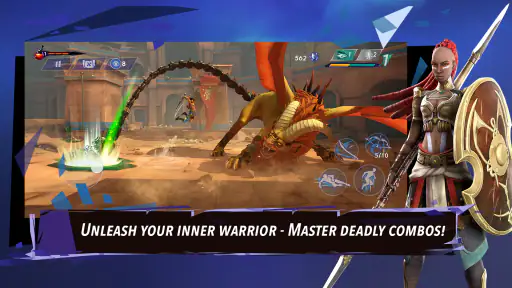
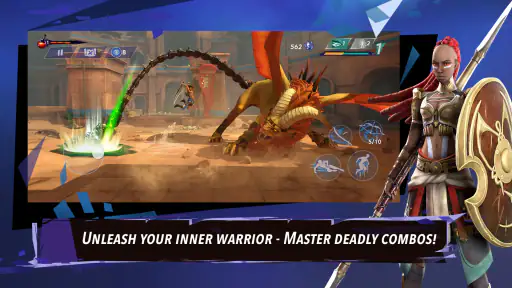
One of the things I absolutely loved is the combat system. It's not just about mindlessly hacking and slashing; there's a strategic element to it. You'll need to time your attacks and blocks perfectly to take down the enemies that stand in your way. And trust me, the bosses are no joke. Each one requires a different approach, keeping the gameplay fresh and exciting.
Combat as a test of attention
The combat’s emphasis on timing changes how I approach a room. Instead of tapping through an encounter without looking, I need to read what an enemy is doing and choose when to attack or defend. That makes a victory feel earned, but it also means a boss can demand sustained concentration. If you prefer action games where progression comes mainly from building strength or clearing enemies quickly, this may feel demanding; if you like learning an opponent’s pattern, the challenge has a clearer purpose.
A practical way to keep frustration in check is to treat a failed attempt as information. I would focus on one question at a time: was I too early, too late, or trying to attack when I should have defended? That small change turns repetition into learning instead of a test of patience. It also helps to stop after a tense encounter rather than pushing on while tired, since rushed reactions can make a familiar challenge feel harder than it is.
A Story That Hooks You In
As for the storyline, it's a classic tale of adventure and mystery. You play as a young prince on a mission to reclaim his lost crown. Along the way, you'll encounter allies and foes, each with their own backstory that adds depth to the narrative. The dialogue is sharp and witty, making it easy to get invested in the characters and their journeys.
Who will get the most from the journey?
I think this game is a strong choice for someone who likes to explore, solve environmental puzzles, and alternate between traversal and combat. It can also suit a player who wants a story-led adventure but still expects the controls to ask for active involvement. By contrast, I would point a casual player looking for a low-pressure distraction toward a simpler arcade game, and I would advise anyone who strongly dislikes repeated platforming attempts to think carefully before starting. The Teen age rating is another useful consideration for families deciding whether the tone and content suit a younger player.
It also compares differently with the usual mobile alternatives. Many short-session games are built around quick rounds and simple repeated actions; this one asks me to remember where I have been, interpret a space, and carry learned timing into later encounters. That depth is its appeal, but it is not automatically more convenient. A puzzle-focused game may be calmer, while a conventional action title may make combat the main event. Here, the appeal is the combination, so it works best when you want a connected adventure rather than a quick way to fill a spare minute.
One aspect that really stood out to me was the way the story is interwoven with the gameplay. Each level reveals a new piece of the puzzle, urging you to keep playing to uncover the full story. It's this blend of storytelling and action that makes Prince of Persia: Lost Crown a must-play for any fan of the genre.
Making room for it in an ordinary day
For a realistic everyday session, I would play after dinner or during a quiet break when I can give the screen my full attention. I might explore a new stretch of the world, work through a puzzle, and stop before beginning a demanding fight if I only have a few minutes. That is more satisfying than opening the game in a noisy queue and expecting a major story beat to fit neatly into the gap. The distinction matters: short play is possible, but the game’s precision and exploration are easier to enjoy when I am not distracted or hurried.
If you are wondering whether it is free, the game is free to play, with in-app purchases available. I would decide whether those optional purchases appeal to me only after seeing how I enjoy the core adventure; the listed purchase range is $3.99 to $15.99 per item. The current version is 1.0.0f, and the minimum operating system requirement is 7.0. It has a 4.6 average from around 30,000 ratings, with over 500,000 installs, which suggests that many players have tried it, though those figures cannot tell you whether its particular demands will suit your hands, eyes, or preferred pace.
Situations where another game may fit better
I would skip it if I mainly wanted something playable one-handed while commuting, if interruptions regularly break my concentration, or if precise timing is not enjoyable for me. A platform adventure can be awkward in a setting where I cannot focus on the screen, and this one’s combat and jumps make divided attention especially unhelpful. If I am choosing a game for a brief, low-effort wait, a simpler casual title is a more practical choice. If I want an involved journey and have the time to learn its demands, this is a much better match.
It is also worth being honest about the accessibility question: the approachable controls at the beginning do not, by themselves, establish that every player can comfortably manage every later sequence. I would test the game in the conditions where I plan to play it, and pay attention to whether the visual density and timing feel manageable. For players with motor or sensory needs, that firsthand trial is more useful than assuming that a polished presentation guarantees a comfortable experience.
Story, progress, and the right pace
The narrative gives exploration a reason to continue, but I would not treat it as a substitute for the game’s mechanical challenge. If I want a story I can follow while barely interacting, this is not the right format: the plot moves alongside active traversal and combat. On the other hand, players who like to earn story progress by overcoming obstacles may find that structure motivating. I recommend playing in focused stretches and stopping at a natural pause, rather than pushing through a difficult passage when attention is fading.
That approach is useful for newcomers in particular. I would learn the basic movement in safer sections, then carry that confidence into more demanding routes and fights. When a puzzle or jump is unclear, changing my approach and observing the space is more productive than repeating the same input at speed. The game’s strongest moments come when I connect what I have noticed with what I can do, not when I simply rush forward.
A measured recommendation
To wrap it up, Prince of Persia: Lost Crown is a game that brings together stunning visuals, engaging gameplay, and a gripping story. It's a testament to the power of mobile gaming, proving that you don't need a console to enjoy a rich gaming experience. Whether you're playing on the go or relaxing at home, this game is sure to provide hours of entertainment.
So, if you're on the hunt for a new game to sink your teeth into, give this one a shot. You won't be disappointed. Until next time, happy gaming!
My recommendation is more selective than that final enthusiasm might suggest: I would readily recommend it to a player who wants a visually distinctive adventure and enjoys learning precise movement, but I would not promise that it will suit everyone. Its best qualities—detailed environments, combat that rewards observation, and progression tied to exploration—are closely connected to its main demands. That balance is exactly why it feels rewarding to me, and why a calmer or less timing-heavy alternative may be kinder for someone who wants a different kind of mobile play.
Who should give it a try
Ubisoft Entertainment’s adventure is rated Teen, so that age guidance belongs in the decision alongside the difficulty and play style. For a player who already enjoys platforming and wants a more involved world to return to, the free entry point makes it easy to consider. I would simply keep the optional purchases in perspective and decide on them separately from whether the core game feels right. The clearest test is a focused first session: if exploring and learning the controls feels satisfying, there is a good chance the journey will hold your attention; if the precision feels like work, there is no reason to force it.
An inclusive verdict
For me, the game’s accessibility is best described as mixed rather than assumed. Its controls are approachable enough to invite newcomers, yet its platforming and combat ask for timing, sustained visual attention, and patience with mistakes. That combination will be engaging for some players and a real obstacle for others. I would choose it when I can play in a quiet moment, look closely at the action, and enjoy a challenge; I would choose something less demanding when comfort, interruption tolerance, or simple one-handed play matters more. That is the honest appeal of this adventure: a striking, story-rich experience for the right player, with demands worth considering before you begin.
Prince of Persia: Lost Crown Pros and Cons
Pros
- Captivating storyline with immersive gameplay.
- Stunning graphics enhance the visual experience.
- Smooth and responsive controls.
- Challenging puzzles that engage the player.
- Diverse range of enemies and bosses.
Cons
- Frequent in-game ads can disrupt gameplay.
- Large file size requires substantial storage.
- Occasional glitches in certain levels.
- In-app purchases can be costly.
- Requires constant internet connection.
Frequently Asked Questions
What is Prince of Persia: Lost Crown about?
Prince of Persia: Lost Crown is an action-adventure game where players embark on a thrilling journey through mystical landscapes and ancient ruins. The game combines parkour-inspired movement with intense combat mechanics, allowing players to engage in epic battles and solve intricate puzzles. Its narrative focuses on a young hero trying to reclaim a stolen crown, which is crucial for restoring balance to his kingdom.
What platforms is Prince of Persia: Lost Crown available on?
Prince of Persia: Lost Crown is available on multiple platforms, including Android and iOS. It has been optimized for mobile devices to provide an immersive gaming experience with high-quality graphics and responsive controls. Additionally, the game may also be available on other platforms such as PC and consoles, offering cross-platform play and saving for a seamless experience.
Is there a multiplayer mode in Prince of Persia: Lost Crown?
Yes, Prince of Persia: Lost Crown offers a multiplayer mode where players can team up with friends or compete against each other in various challenges. This mode enhances the replayability of the game by allowing players to engage in cooperative missions or competitive battles. Multiplayer events are regularly updated, ensuring fresh content and new challenges are consistently available.
What are the in-app purchases in Prince of Persia: Lost Crown?
Prince of Persia: Lost Crown includes in-app purchases that allow players to enhance their gaming experience. These purchases range from cosmetic items, such as new outfits and skins, to game-enhancing items like power-ups and boosts. While these purchases can provide advantages, the game is designed to be fully enjoyable without spending any additional money, ensuring fair play for all users.
Does Prince of Persia: Lost Crown require an internet connection to play?
Prince of Persia: Lost Crown can be played offline, allowing players to enjoy the game without a constant internet connection. However, certain features, such as multiplayer mode and live events, do require an internet connection. For the best experience, it's recommended to connect to the internet regularly to access updates and new content.


