

Poppy Playtime Chapter 2
- Reviews
- 4.0
- Version
- 1.42
- Installs
- 100,000+

Screenshots
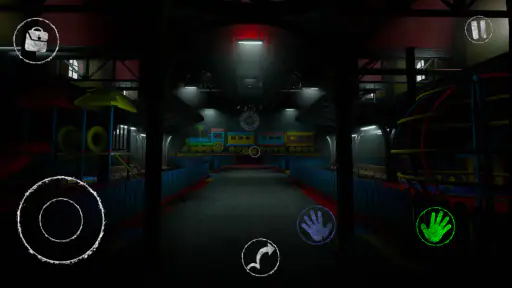
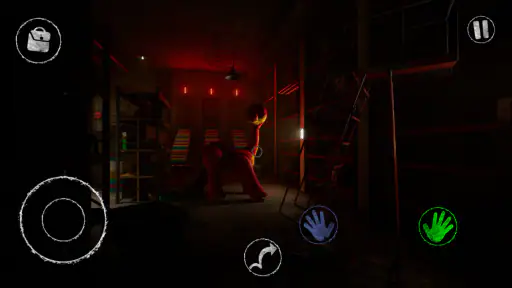
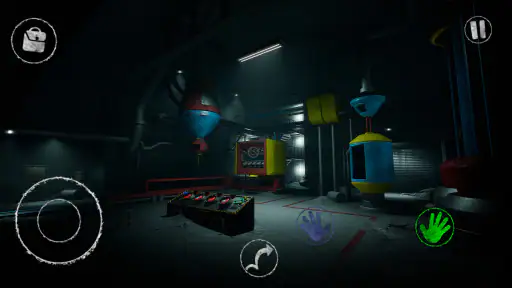
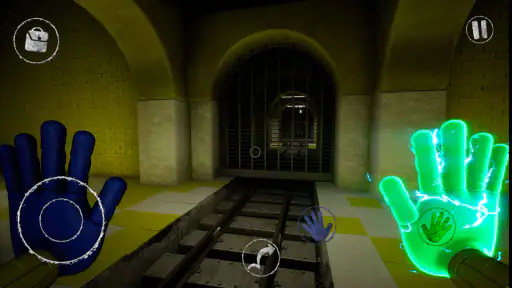
 Analysis by Frivlyz
I went into Poppy Playtime Chapter 2 expecting a short, unsettling follow-up, and found that its best moments come from balancing curiosity with pressure. This is an action game built around exploring a toy factory, solving puzzles, and staying alert to the danger around you. It suits players who enjoy horror that asks them to look closely and think, rather than simply rush from one scare to the next. I would not choose it for a relaxed, low-stress session, but when I want an eerie game that gives me something to work through, it has a clear appeal.
What the purchase means
This is a paid game, listed at $4.99, rather than a free entry where the main decision is whether to tolerate ads or optional purchases. That makes the first question refreshingly direct: does this particular chapter sound worth paying for? I think it is most appealing to someone who already likes atmospheric horror and puzzle-solving, especially if they are interested in returning to Playtime Co. The price is a real commitment for a player who is only mildly curious, so I would read the premise and consider whether tense exploration is actually your kind of game before buying.
Mob Entertainment developed the game, which is rated Teen. That age rating is worth keeping in mind if you are choosing it for a younger player: the setting and threatening toys are intended to feel unsettling, not cosy. The game has an average rating of 4.0 from around 16,000 ratings, and more than 100,000 installs. Those figures suggest that it has found a substantial audience, but they cannot tell you whether its particular mix of scares, puzzles, and exploration will suit you. I would use them as background, not as a substitute for deciding whether you enjoy horror games.
How the factory builds pressure
Ever wondered what it feels like to be on the edge of your seat, heart pounding, as you navigate through a seemingly abandoned toy factory? Well, buckle up because Poppy Playtime Chapter 2 is here to take you on a spine-chilling ride you won't forget. After the eerie adventure in the first chapter, I was curious to see how the developers could possibly up the ante. Spoiler alert: they did not disappoint.
Welcome Back to the Madness
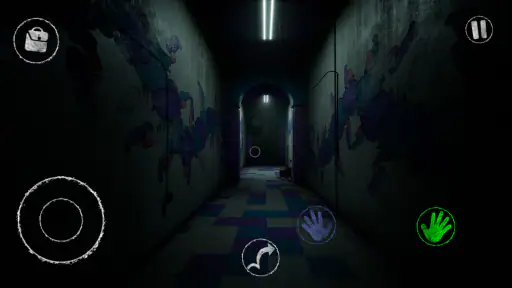
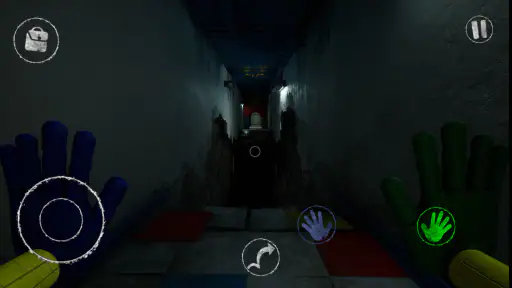
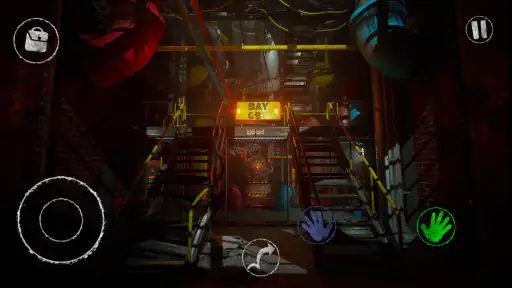
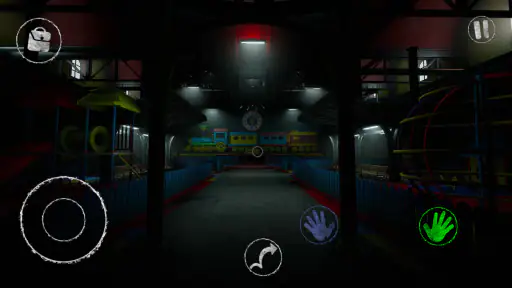
The moment you step back into the world of Poppy Playtime Chapter 2, you’re greeted with an atmosphere that’s both enticing and terrifying. The developers have done a stellar job of maintaining the game's eerie ambiance while introducing new elements that keep you guessing. The graphics are sharper, and the sound design is more immersive, pulling you deeper into the twisted world of Playtime Co.
Intriguing Puzzles and Tense Gameplay
One of the standout features of this chapter is the intricate puzzle design. Just when you think you've mastered the game mechanics, the game throws a curveball that keeps you on your toes. I found myself genuinely challenged by the puzzles, which are cleverly integrated into the storyline. The tension ramps up as you work to solve each mystery, with the looming threat of the toys' unpredictable behavior keeping you on edge.
Speaking of toys, the introduction of new, more menacing characters adds an extra layer of dread. Without giving too much away, let's just say these new "friends" will have you second-guessing every step you take.
Gaming Stories You May Enjoy

Dancing Road Turns Short Breaks Into a Test of Rhythm and Timing

Super Stylist Makes Every Outfit a Test of Taste and Patience

Dominoes on Your Terms: Who Should Play and Who Should Pass

Pokémon GO Makes the Familiar World Feel New

Chess.com Turns Rematches Into Rivalries, but Community Has Its Costs

Archery Battle 3D Review: Sharp Aiming, Unclear Feedback
Managing a puzzle when the threat is near
The useful skill here is not simply being quick; it is paying attention before the pressure rises. When a room gives you a moment to look around, I recommend checking its layout and noticing which objects appear connected before trying random interactions. That small pause can make a later tense sequence feel more manageable, because you are solving a problem you have already begun to understand instead of trying to learn the room while startled. It also keeps the puzzles from becoming a string of guesses.
If you are stuck, I would change one thing at a time rather than repeatedly trying every possible action. Keep track of what you have already tested and what the environment seems to be asking you to notice. This is a practical approach for a puzzle-led horror game: it helps separate a genuine clue from the distraction of a sudden threat. It does not remove the tension, and players who dislike being interrupted while thinking may still find that combination frustrating.
Who will enjoy this chapter most?
I would recommend it first to someone who has played the earlier chapter and wants another visit to the same unsettling setting. Returning players are more likely to appreciate the way the story builds on familiar ground, while newcomers may still be drawn in by the factory and its mysteries. If you are new, though, you may get more emotional context by starting with the first chapter rather than treating this one as a completely separate horror game. The story is part of the appeal, so arriving with no connection to the earlier events could make some of its reveals feel less meaningful.
It is also a better fit for a player who enjoys thinking under pressure than for someone looking for straightforward action. The puzzles ask for attention, and the atmosphere encourages you to take the setting seriously. If you want a quick game to play while distracted, or you find threatening characters and suspense unpleasant, I would skip this one. The Teen rating is a useful prompt for families to consider the tone, but the decision should depend on the individual player's comfort with horror, not just the label.
A realistic way to fit it into an evening
Imagine having a quiet evening and a little time to play, but not wanting to commit to a long multiplayer session or a game that demands constant competition. This chapter works better as a focused stretch of exploration: settle somewhere you can pay attention to its sounds and surroundings, then give yourself time to work through a puzzle instead of trying to squeeze it into a noisy few minutes. The atmosphere is a major part of the experience, and interruptions can blunt the effect. If you only have a brief gap, it may be wiser to wait until you can concentrate.
That does not mean you need to approach every moment like a serious challenge run. I found it more rewarding to look at the environment and let the story emerge at its own pace. The trade-off is that a player seeking constant action may find this deliberate rhythm slower than expected. The game’s appeal lies in the contrast between exploration, problem-solving, and unease, so it is worth choosing a session when you are in the mood for all three.
How it compares with other horror games
Compared with horror games that focus mainly on combat or rapid escapes, this chapter puts more weight on puzzle-solving and the character of its toy-factory setting. That gives it a different sort of tension: you are not only reacting to danger but trying to understand how the place works. If your favourite horror games are about managing resources or fighting back, this may feel less direct. If you prefer environmental clues and an unsettling location, its combination of exploration and puzzles is a stronger match.
It also differs from lighter puzzle games, where a wrong move usually carries little emotional weight. Here, the threatening atmosphere changes how it feels to pause and think. That can make a solution satisfying, but it can also make trial and error feel harsher. I would choose a calmer puzzle game instead if I mainly wanted a soothing brain teaser, and a more action-heavy title if I wanted near-constant movement. This game sits between those options, using its horror setting to make careful observation feel tense.
Story, clues, and the value of exploring
The narrative in Chapter 2 is compelling, expanding upon the lore introduced in the first installment. It digs deeper into the dark history of Playtime Co., revealing secrets that are both fascinating and horrifying. I was particularly drawn to the way the story unfolds through environmental storytelling, leaving you to piece together the puzzle of the past. The developers have done an excellent job of weaving a narrative that’s both engaging and chilling.
That environmental approach rewards players who look beyond the most obvious route. I would take a moment to notice what a room communicates before moving on; in a game built around a mysterious workplace, the surroundings are part of how the story lands. It is a nice reason to explore rather than treating each space as a corridor between scares. The trade-off is that players who want every plot point explained plainly may prefer a more dialogue-led story. Here, some of the pleasure comes from connecting details yourself.
Practical details before you decide
The current version is 1.42, and the minimum operating system is Android 5.0. Those details help Android players check basic compatibility before committing to a purchase. If you are choosing a game for a particular device, I would confirm that it meets the stated minimum and consider whether its screen and controls are comfortable for a tense, puzzle-focused experience. A compatible operating system does not by itself guarantee that every player will enjoy the way a game feels on their device.
The game has 1.5K reviews alongside its broader rating history, but a review count cannot answer practical questions for your individual setup. I would focus on the basics you can assess before purchasing: whether you want a paid, single-player-style horror experience built around exploration and puzzles, whether the Teen tone is suitable, and whether your device meets the minimum system requirement. Those are more useful decision points than expecting a rating average to predict your own reaction.
Fairness, pressure, and spending
Because this is sold for a listed price, the central spending question is whether the chapter itself sounds worthwhile to you. I would not buy it expecting a competitive advantage or a multiplayer ladder; the appeal described here is its story, atmosphere, and puzzles. That makes fairness less about outperforming other players and more about whether you feel the experience justifies the one-time purchase. If you are unsure, waiting until you are confident you want this style of horror is more sensible than buying purely because the game is well known.
There is also a difference between tension inside the game and pressure around spending. The former is part of the horror experience; the latter should not be confused with it. I would make the purchase decision calmly, especially if the game is for someone else, and check that the Teen rating and horror tone suit them. The purchase price is known, but I would not infer from it how long any individual will take to play or how much value they will feel they received; that depends on pace, puzzle-solving, and personal taste.
Questions worth settling before you play
If you are wondering whether you need to know the first chapter, my practical answer is that prior familiarity should help the story feel more connected. A newcomer can still be attracted by the factory and its puzzles, but a player who cares about the unfolding lore may prefer to begin at the start. If you are asking whether it is suitable for a child, use the Teen rating as a starting point and consider their response to suspense and menacing toys rather than assuming that a toy setting makes it gentle.
If your main concern is whether it is worth paying for, ask yourself whether you want atmospheric horror with puzzles, not simply whether you like action games in general. The price is $4.99, and that is the clear purchase commitment. If you want a competitive game, a relaxed puzzle experience, or something to play casually while distracted, I would choose another kind of game. If you want an eerie setting that rewards attention and makes problem-solving feel unnerving, this chapter is much easier to recommend.
Final Thoughts
In conclusion, Poppy Playtime Chapter 2 is a masterful continuation of an already thrilling series. With its intense gameplay, intricate puzzles, and gripping story, it’s a must-play for fans of horror and puzzle games alike. Whether you’re a returning player or new to the series, this chapter promises an experience that’s both terrifying and exhilarating. So grab your courage, dive into the madness, and see if you can survive the horrors that await in the depths of Playtime Co.
My final verdict is positive, with a clear qualification: this is a recommendation for people who actively want suspense, puzzles, and a story tied to an eerie toy factory. I would not call it a safe all-purpose choice for every action-game fan, nor would I recommend buying it for someone who dislikes horror just because its setting looks familiar. Mob Entertainment’s chapter has a strong identity, and that identity is its strength as well as its limit. If that mix sounds like your kind of evening, the purchase is easy to understand; if it does not, there are better-fitting alternatives in both horror and puzzle games.
Poppy Playtime Chapter 2 Pros and Cons
Pros
- Engaging and suspenseful storyline.
- High-quality graphics enhance gameplay.
- Challenging puzzles increase replayability.
- Unique characters with distinct abilities.
- Regular updates with new content.
Cons
- Some puzzles can be overly challenging.
- Controls may feel clunky at times.
- Game may lag on older devices.
- In-app purchases can be pricey.
- Story can be short for some players.
This Game in Other Languages
Frequently Asked Questions
What is Poppy Playtime Chapter 2 about?
Poppy Playtime Chapter 2 is the continuation of the thrilling horror-puzzle adventure game where players navigate through a creepy toy factory. In this chapter, you explore new areas, encounter more terrifying toys, and solve intricate puzzles to uncover the dark secrets of the factory. The game enhances the spooky atmosphere with improved graphics and sound effects, ensuring a captivating experience.
Is Poppy Playtime Chapter 2 suitable for all ages?
Poppy Playtime Chapter 2 is primarily targeted at mature audiences due to its horror themes, jump scares, and intense atmosphere. It's not recommended for younger children or those sensitive to horror elements. Parents should review the content themselves to determine its appropriateness for their children before allowing them to play.
What are the system requirements for Poppy Playtime Chapter 2?
To run Poppy Playtime Chapter 2 smoothly, players need a device with at least 4GB RAM and a decent graphics processor to handle the game's detailed environments and animations. It is recommended to check the game's specific requirements on the app store for compatibility with your device's operating system and hardware capabilities.
Are there in-app purchases in Poppy Playtime Chapter 2?
Yes, Poppy Playtime Chapter 2 offers in-app purchases that enhance the gaming experience. Players can buy additional content, skins, or power-ups to help them progress through challenging sections of the game. While the core game is playable without spending extra money, these purchases can offer additional enjoyment and customization options.
How does Poppy Playtime Chapter 2 differ from the first chapter?
Poppy Playtime Chapter 2 builds upon the foundation of the first chapter with expanded gameplay, new characters, and more complex puzzles. It introduces fresh environments and a more intricate storyline, delving deeper into the lore of the spooky toy factory. The sequel also features improved mechanics and enhanced graphics, providing a more immersive and thrilling experience.


