

Pokémon TCG Pocket - Card Game
- Reviews
- 4.5
- Version
- 1.2.0
- Installs
- 10,000,000+

Screenshots






 Analysis by Frivlyz
I like Pokémon TCG Pocket most as a small, self-contained way to enjoy collecting Pokémon cards on a phone. It is a free card game from The Pokémon Company, and the appeal is easy to understand: opening packs, looking through the artwork, and playing short matches all fit naturally into spare moments. It is aimed at everyone, but the simple entry point does not mean every part will suit every player. If you want a full tabletop-style trading card routine or dislike the pressure that can come with collecting, it is worth knowing what kind of experience you are choosing.
A mobile-first take on collecting and battling
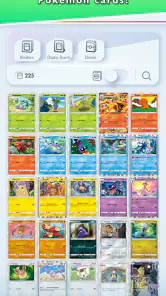
The current version is 1.2.0, following its release on October 22, 2024. That gives returning players a useful point of reference, but a version number alone does not tell me how much a game has changed; I would judge each update by what it actually adds or adjusts. What stands out in the game’s basic concept is the balance between collecting and battling. Cards are not just pieces to assemble into a deck: their illustrations are a major part of the pleasure, and browsing a collection can feel rewarding even on a day when I do not want to play a match.
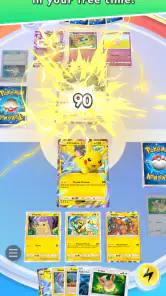
That makes the game a different proposition from a physical Pokémon TCG session. A tabletop game asks you to bring cards, find an opponent, and make time for a longer shared activity. Pocket is more convenient when I have a few minutes while waiting for something, though the convenience comes with a smaller-feeling screen experience and less of the tactile pleasure of handling real cards. I would choose the physical game for face-to-face play and the mobile one when ease of access matters more.
What the release and version tell returning players
The release date and current version establish the game’s timeline, not a promise about future content. I would not assume that every update means new modes, a changed card pool, or a particular event schedule. For an existing player, the practical question is whether the current build still feels enjoyable for the time and attention it asks for. If you already have a collection, returning is most appealing when you want to browse it, work on a deck, or fit in another match—not because a version number guarantees a major overhaul.
For someone new, the 4.5 average from around 1.4 million ratings suggests that many players find something to enjoy, while the roughly 30,000 written reviews show that people have had plenty to say about their experience. Those figures are context, not a substitute for your own preferences. A highly rated collection game can still be a poor fit if you mainly want deep competitive play, dislike randomized collecting, or prefer cards you can physically trade and keep.
Cost, commitment, and who should think twice
You can start without paying, but in-app purchases range from $0.99 to $99.99 per item. I would treat that range as a reason to set a personal spending limit before browsing purchase options, especially if opening packs is the part you find most tempting. Free access makes it easy to try the core appeal first; it does not mean every collection goal will feel equally quick or equally satisfying without spending. If you are buying for a child, the Everyone age rating is useful context, but I would still talk through purchases and device settings together.
The game has more than 10 million installs, which helps explain why it is a familiar entry point for Pokémon fans, but popularity is not the same as suitability. It is a strong candidate for someone who enjoys card art, collecting, and occasional battles in one place. I would be more cautious recommending it to a player who wants a demanding tournament-focused experience, complete control over every card they obtain, or the social ritual of meeting across a table. In those cases, a physical card collection or a more competition-oriented card game may be a better match.
Gaming Stories You May Enjoy

Dancing Road Turns Short Breaks Into a Test of Rhythm and Timing

Super Stylist Makes Every Outfit a Test of Taste and Patience

Dominoes on Your Terms: Who Should Play and Who Should Pass

Pokémon GO Makes the Familiar World Feel New

Chess.com Turns Rematches Into Rivalries, but Community Has Its Costs

Archery Battle 3D Review: Sharp Aiming, Unclear Feedback
Getting Started with Pokémon TCG Pocket
Alright, let's jump right in! The first thing you'll notice when you fire up Pokémon TCG Pocket is its sleek and user-friendly interface. It's like the developers knew exactly what we needed. Navigating through the app feels as smooth as a freshly caught Magikarp. The onboarding process is a breeze, guiding you through every feature the app has to offer. Trust me, you won't feel lost here.
Features That Make It Shine
One of my favorite features is the comprehensive card database. It's like having the entire Pokémon card library in your pocket. Literally! You can search for any card, check its stats, and even get tips on how to use it effectively in battles. It's perfect for building your dream deck. And speaking of decks, the app's deck builder tool is just phenomenal. It helps you strategize and create decks that can take on any opponent. You'll feel like a Pokémon Master in no time.
Oh, and let's not forget about the battle simulator. This feature lets you test your decks against virtual opponents, honing your skills before you face real-world challenges. It's a safe space to make mistakes, learn, and improve. Plus, it gives you that sweet satisfaction of victory without the tears of defeat.
Community and Events
Another aspect that I absolutely love about this app is the community feature. You can connect with fellow Pokémon enthusiasts, share your decks, and even engage in friendly battles. It's a vibrant community where everyone is eager to help and share their knowledge. The app also keeps you updated with the latest events and tournaments, so you'll never miss out on any action.
For those who are competitive at heart, the app hosts online tournaments where you can showcase your skills and earn bragging rights. Who wouldn't want to be the champion of their own virtual Pokémon league?
Playing with intention instead of chasing every card
A useful way to approach a collecting game is to decide what you actually want from a session before opening it. I might browse artwork when I have only a minute, then save deck decisions for a quieter moment when I can compare cards and think about how they fit together. That small separation helps keep collecting from turning into an automatic loop. If a particular card is missing, I try to treat it as a long-term wish rather than a reason to spend impulsively.
When I build a deck, I would start with a clear idea—such as a Pokémon I enjoy or a simple strategy I want to try—instead of adding every appealing card. A focused deck is easier to understand when a match goes poorly: I can tell whether the plan needs work or whether I simply drew an awkward combination. Testing one change at a time is more useful than rebuilding everything after a loss. It also makes the deck-building side approachable for a newcomer without pretending that a strong deck can guarantee a win.
What a normal play session can look like
Imagine I have a short break between errands. I can check my collection, decide whether I want a quick battle, and put the phone away when the break ends. Later, at home, I can spend longer comparing cards or trying a different deck idea. That split is one of the game’s practical strengths: collecting and playing do not have to happen in one long sitting. It is still a game, though, so I would not start a match when I know I have to leave immediately; an interrupted session is frustrating even when the overall experience is designed for mobile use.
For a parent considering it for a child, the best first step is to play together and show how collection choices and purchases work. The Everyone rating makes the broad audience clear, but it does not answer every household question. Agreeing on a spending rule in advance is more useful than relying on a child to decide in the moment, particularly when digital items are presented alongside the excitement of collecting.
How it sits beside other card-game options
Compared with a physical Pokémon card game, Pocket removes the need to sort a binder, carry a deck, or coordinate a face-to-face session. That convenience is real, but it also means the experience cannot replace the pleasure of owning physical cards or trading them in person. Compared with other digital card games, its Pokémon identity and focus on card collecting make it especially appealing to fans who care about the creatures and illustrations, not only match efficiency. If your main goal is intricate competitive play, I would compare the rules and match depth of alternatives before committing your time; familiarity with Pokémon alone does not guarantee that this is the card game you will enjoy most.
It is also worth deciding whether you want a game that rewards casual browsing or one that gives you a structured competitive routine. Those are different expectations. Pocket can work well as a low-pressure companion to a busy day, while a local card group or a competition-first digital game may be better if you want regular opponents, detailed practice, and a clear path toward serious play. I would not treat one as a replacement for the other: they solve different problems for card-game fans.
Small habits that make the experience better
I find it helps to keep a short list of cards or deck ideas I want to revisit, rather than trying to remember every possibility while scrolling through a collection. When a new card catches my eye, I can ask whether it supports a deck I already want to play or whether I simply like the artwork. Both are valid reasons to collect, but separating them makes decisions clearer. It also keeps a favorite illustration from being judged only by how useful it is in a match.
Another practical habit is to review a deck after a few games instead of after every single turn that goes badly. One unlucky draw can make a sound plan feel weak. Looking for a repeated problem—such as a strategy that takes too long to come together—is a better reason to adjust the list. I would also avoid copying a deck idea without understanding its purpose: a set of cards that works for one plan may feel clumsy if I replace its key pieces with cards I happen to own.
Where the experience can fall short
The collecting loop is also the main point of friction. If you want a specific card immediately, the distance between wanting it and getting it may be less satisfying than simply buying or trading for a physical card. Purchases can make the process feel faster, but they do not make spending a good shortcut for every player. I would decide what amount, if any, feels comfortable before playing, then stop when I reach it rather than treating a near miss as a reason to try again.
There is a separate limitation for people who want their collection to have value outside the game. Digital cards are convenient to browse and use in the app, but they do not offer the same ownership experience as a physical card you can hold, organize, or trade face to face. Likewise, someone who dislikes online play may not get much from the battle side. In either case, enjoying Pokémon art and characters might be enough to justify a try, but I would not expect the app to solve needs it is not built around.
What I would watch before making it a regular habit
For returning players, I would pay attention to the actual changes in each new version rather than reading a version number as a promise. The useful questions are concrete: does the current build give me a reason to revisit a deck, does collecting still feel enjoyable at my pace, and do I like the way matches fit into my day? Those answers matter more than speculation about future cards or events. New players can use the same test after a few sessions, once the initial novelty of opening and browsing has settled.
If you are deciding whether to keep playing, notice how you feel when you close the game. If you are pleased with a card you discovered or a strategy you tested, that is a good sign. If you mainly feel pushed to spend or frustrated by what you have not collected, stepping away is sensible. The game works best for me when I choose a small goal for a session and let the rest wait.
Final Thoughts
In conclusion, Pokémon TCG Pocket is more than just an app; it's a gateway to an exciting and strategic world of Pokémon trading card games. Whether you're looking to hone your skills, build the ultimate deck, or just connect with other fans, this app has got you covered. So, why wait? Dive into the world of Pokémon TCG and unleash your inner Pokémon Master!
Pokémon TCG Pocket - Card Game Pros and Cons
Pros
- Great variety of cards.
- Smooth and engaging gameplay.
- Regularly updated features.
- Supports online multiplayer.
- Visually appealing graphics.
Cons
- Requires stable internet.
- In-app purchases can be costly.
- Limited offline features.
- Occasional server issues.
- Steep learning curve for beginners.
This Game in Other Languages
Frequently Asked Questions
What platforms is Pokémon TCG Pocket available on?
Pokémon TCG Pocket is available on both Android and iOS platforms. Users can download the app from the Google Play Store for Android devices and the Apple App Store for iOS devices. Ensure your device meets the minimum operating system requirements for a smooth gaming experience.
Is Pokémon TCG Pocket free to play?
Yes, Pokémon TCG Pocket is free to play. However, it offers in-app purchases that allow players to buy booster packs, themes, and other items to enhance their gaming experience. While not necessary, these purchases can provide a competitive edge or cosmetic upgrades for your card decks.
Can I play Pokémon TCG Pocket offline?
Pokémon TCG Pocket requires an internet connection to play. The app needs to connect to the game servers for matchmaking, updating content, and syncing progress. Therefore, a stable internet connection is essential to enjoy uninterrupted gameplay and access the latest features and events.
How does the multiplayer feature work in Pokémon TCG Pocket?
The multiplayer feature in Pokémon TCG Pocket allows players to compete against others in real-time battles. You can challenge friends or match up with opponents globally through the matchmaking system. The game balances matches based on skill level to ensure competitive and fair gameplay for all participants.
Are there any age restrictions for playing Pokémon TCG Pocket?
Pokémon TCG Pocket is designed for players aged 9 and above, adhering to content guidelines for family-friendly gaming. Parents are advised to monitor in-app purchases and online interactions, ensuring a safe and enjoyable environment for younger players. Having parental controls enabled can help manage these aspects effectively.


