

Pixel Craft Legends
- Reviews
- 3.3
- Version
- 1.20.0.0011-new
- Installs
- 10,000,000+

Screenshots
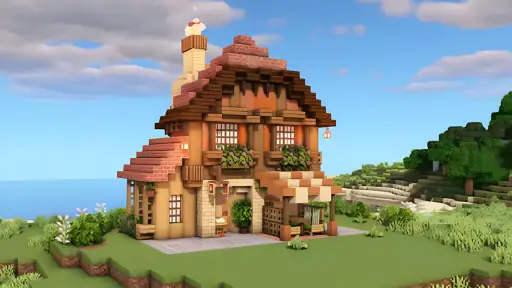
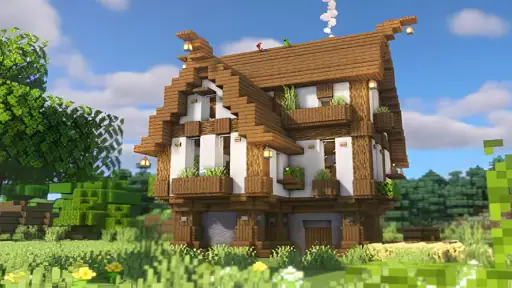
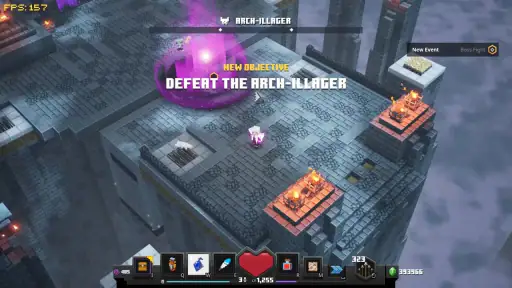
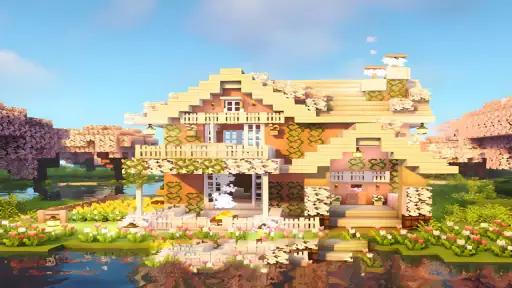
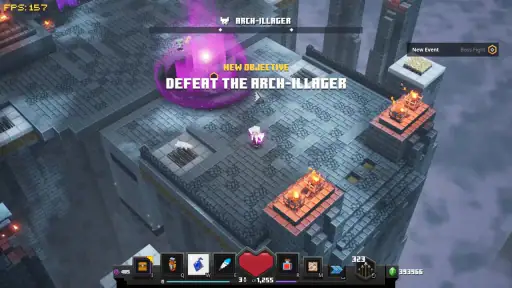
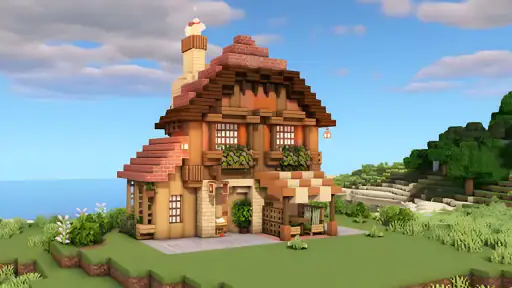
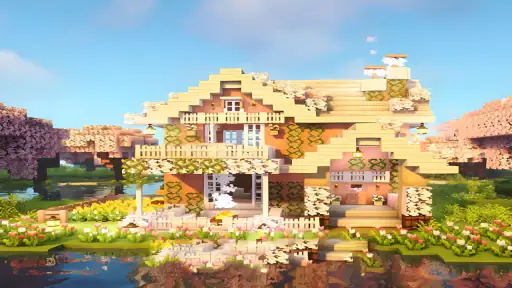
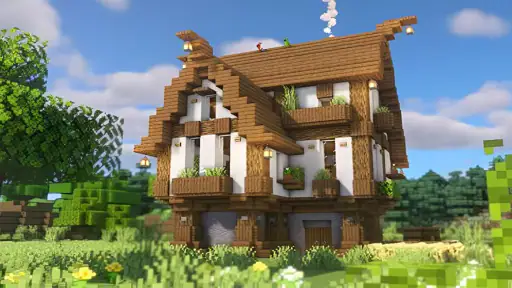
 Analysis by Frivlyz
When I want a mobile game that leaves room to experiment rather than asking me to follow a strict sequence, I look for a world where exploring and making things are part of the same loop. Pixel Craft Legends is a free simulation game built around that combination: its pixelated setting invites me to gather, craft, build, and explore at my own pace. It is aimed at players who enjoy shaping a world as much as moving through it, though the appeal depends on how much patience you have for trial and error.
Choosing what to do with your time
The most useful way to approach a craft-and-explore game is to decide what you want from a session before you begin. I might spend a short break looking for materials, or use a longer stretch to work toward a particular build. Those are different goals: gathering is about preparing options, while building asks me to commit resources and attention to one idea. Thinking this way helps keep a wandering session from turning into a string of half-finished plans.
That choice is also what makes the game a better fit for curious players than for anyone who wants a tightly guided, story-first experience. The store summary points to crafting, building, and exploration, so I would come in expecting those activities to be central rather than treating them as small extras around a linear campaign. If I want every next step spelled out, a conventional level-based action game may suit me better.
In practical terms, I’d use a quick session to scout an area and note what seems worth returning for, then save a more focused session for turning collected materials into a concrete project. Even without a strict plan, setting a small target—such as improving one part of a build—can make progress feel more satisfying. The trade-off is that open-ended play places more of the motivation on me: the game gives me room to pursue an idea, but I need to supply the idea.
Planning around risk and reward
Crafting changes the way I think about exploration. Resources are not just things to pick up along the way; they can become part of a later decision about what to make and where to spend effort. I get more out of a session when I pause to consider whether I am collecting for a purpose or simply accumulating materials. That small distinction can prevent aimless roaming and give a return trip a reason.
There is a useful balance here between immediate curiosity and longer-term intent. If I follow every interesting route, I may discover more, but I can lose sight of the project I started. If I focus only on one build, I risk making the world feel like a supply run. I’d alternate: explore when I want discovery, then return to building when I have a clear use for what I found. That rhythm gives both parts of the game room to matter.
For an everyday scenario, imagine opening the game after dinner with only a little time. Rather than starting a large construction plan, I’d pick one small objective: collect a particular kind of resource, inspect a nearby area, or decide what a future structure should do. On a quieter weekend, I could take that preparation further and spend longer shaping the idea. The benefit is that short and long sessions can have different purposes; the limitation is that a player who needs a clear, immediate payoff may find preparation less exciting than direct action.
Gaming Stories You May Enjoy

Dancing Road Turns Short Breaks Into a Test of Rhythm and Timing

Super Stylist Makes Every Outfit a Test of Taste and Patience

Dominoes on Your Terms: Who Should Play and Who Should Pass

Pokémon GO Makes the Familiar World Feel New

Chess.com Turns Rematches Into Rivalries, but Community Has Its Costs

Archery Battle 3D Review: Sharp Aiming, Unclear Feedback
How the world rewards adaptation
Exploration is more rewarding when I treat it as observation, not just movement. Before committing to a build, I’d look at the surrounding space and think about how the location supports the idea. A spot that seems convenient at first may not be the best place for a project once I consider how I want to approach it later. This is a general planning habit rather than a claim about a particular building mechanic: it helps me make deliberate choices in a game whose central appeal is making and exploring.
Another useful habit is to leave room to change my mind. I would avoid turning every collected resource into the first item that comes to mind, especially if I am still learning which projects I enjoy. Keeping a flexible goal lets me respond to discoveries instead of treating an early plan as a rule. The counterplay to frustration is not rushing harder; it is scaling the task down, checking what I already have, and choosing a more manageable next step.
This approach is especially helpful for players who like to experiment but can get overwhelmed by a broad sandbox. I’d keep a simple mental checklist: what am I trying to make, what do I still need, and where might I look next? It is not a complex strategy system; it is a way to make the crafting loop feel purposeful. If I find that I am repeatedly wandering without enjoying the search, I would switch to a smaller build or take a break rather than expecting the game to create urgency for me.
Where it sits among mobile alternatives
Compared with a typical platform game, this simulation puts more emphasis on preparing and shaping than on simply clearing one stage after another. Compared with a pure building sandbox, its promise of exploration gives me a reason to move beyond one project. That combination is the main appeal, but it also means it may not deliver the focused pace of an action game or the unhurried construction tools that a dedicated builder might prefer.
I’d choose it over a conventional action title when I want to make my own small goals and enjoy a pixel-art setting. I’d choose a more structured adventure if I wanted a clearly directed sequence, and a specialized creative game if my only interest were elaborate construction. The right choice depends on whether I want a blend of activities or depth in just one of them. Here, the attraction is the back-and-forth between collecting, making, and seeing what the world encourages me to try next.
The pixel presentation also makes the game’s identity clear, but retro visuals alone are not a reason to install it. What matters is whether the craft-and-explore loop sounds enjoyable. Players who like thinking in projects—what to gather, what to create, and what to inspect afterward—are more likely to find a satisfying routine than players who mainly want realistic graphics or constant combat.
Who will enjoy the slower planning
I can see this working well for casual players who want a flexible game to dip into, and for younger players drawn to bright, blocky worlds; its content rating is Everyone. It is also a sensible pick for someone curious about simulation games but not looking for a serious management challenge. The free price makes it easy to try, though I would still judge it by whether its open-ended activities suit my taste rather than assuming free means frictionless.
On the other hand, I would steer away from it if I needed every session to deliver a strong narrative beat, if I disliked gathering resources, or if I wanted multiplayer interaction to be the main draw. Those preferences call for a different kind of game. Someone who enjoys crafting but dislikes deciding what to do next should also be aware that an open world can ask for more self-direction than a guided campaign.
For a family deciding whether to install it, the Everyone rating is a helpful starting point, while the game’s central activities are another practical consideration: it revolves around making, building, and exploring. I’d let a new player try a short session and see whether they enjoy setting their own objective. That is a more useful test than expecting the pixel style alone to hold their attention.
What to expect as play develops
The longer-term appeal of this kind of game comes from having new ideas to pursue, not only from reaching a finish line. I would judge progress by whether my projects become more intentional and whether exploration keeps giving me reasons to revise them. A satisfying personal horizon might be completing one small build, learning which routes or resources support future plans, and then choosing a more ambitious target. That gives the experience a sense of development without demanding that every session be a major milestone.
The developer is funtab999, and the game had its release on February 15, 2024. Its current version is 1.20.0.0011-new, and it requires Android 5.0 or later. I would check that my device meets the minimum before installing. The game has an average rating of 3.3 from around 28,000 ratings, with roughly 669 written reviews, and it has passed 10 million installs. Those figures suggest a sizable audience but a mixed reception, so I would treat the ratings as context rather than proof that it will match my preferences.
One practical question is whether it is worth trying if I have never played this style before. I think so if I am willing to experiment: I can begin with a small goal and decide whether gathering and building feel rewarding. If I already know I dislike resource collection or open-ended play, popularity is unlikely to change that. Another reasonable question is how much commitment it demands. I would approach it in short sessions first and extend them only if I naturally start forming larger plans.
It is also worth asking whether the game is better for a quick distraction or a longer play session. I would use it for either, but with different expectations: a brief visit is suited to scouting or choosing a modest task, while a longer stretch leaves more room to gather and carry a build through. If I only have a minute and want instant action, a fast arcade game is probably a better match. If I have time to think and explore, this style has more room to breathe.
A measured recommendation
For me, the best reason to try Pixel Craft Legends is the chance to make exploration serve a personal project. I like that the basic premise leaves space for both wandering and building, and I would recommend it to a friend who enjoys setting their own goals in a pixelated simulation. I would not recommend it blindly to someone who expects a strongly directed adventure or a rapid-fire action game; the appeal depends on enjoying the decisions between one task and the next.
My advice is to start with one modest objective, keep your plans flexible, and notice whether collecting and creating feel like a satisfying loop rather than chores. If they do, gradually give yourself a bigger project. If not, a more focused alternative will probably be a better use of your time. That is the clearest way I can describe its strategy: decide what matters to you, spend effort accordingly, and adapt when exploration points somewhere more interesting.
The Allure of Pixelated Adventures
From the moment you fire up Pixel Craft Legends, you’re greeted with a charming, pixelated landscape that instantly transports you back to the golden age of gaming. The art style is a delightful homage to classic 8-bit and 16-bit games, yet it doesn’t feel outdated. Instead, it offers a fresh and vibrant take on the retro aesthetic that’s both visually appealing and easy on the eyes.
Gameplay That Hooks You In
Let’s talk gameplay, shall we? This is where the game truly shines. The controls are intuitive and responsive, making it easy to maneuver through various levels and challenges. Whether you’re battling fierce monsters or solving puzzles, the game keeps you engaged with its blend of action and strategy.
One of the standout features is the crafting system. You can gather resources from different environments and craft weapons, armor, and other items to aid your quest. It adds a layer of depth that keeps you coming back for more. Plus, the game’s progression system is rewarding, with plenty of upgrades and skills to unlock as you level up.
A World Full of Possibilities
The world of the game is vast and full of surprises. Each level is meticulously designed to offer unique challenges and hidden secrets. Exploration is highly encouraged, and trust me, you’ll want to comb every nook and cranny to discover all the game has to offer.
The soundtrack deserves a special mention too. It’s a perfect blend of chiptune and modern beats that complements the gameplay beautifully. It’s the kind of music that stays with you long after you’ve put down the game.
Final Thoughts
In a sea of mobile games, this simulation manages to stand out with its engaging gameplay, charming visuals, and catchy soundtrack. Whether you’re a fan of retro games or just looking for something new to play, this app offers a delightful experience that’s hard to put down.
So, if you’re ready to embark on a pixelated adventure filled with crafting, exploration, and epic battles, give the game a try. It’s a journey you won’t soon forget!
Pixel Craft Legends Pros and Cons
Pros
- Engaging and immersive gameplay.
- Rich and colorful pixel graphics.
- Smooth performance on most devices.
- Frequent updates with new content.
- Intuitive controls for easy play.
Cons
- In-app purchases can be pricey.
- Requires constant internet connection.
- Occasional ads disrupt play.
- Some levels can be very challenging.
- Limited character customization options.
Frequently Asked Questions
What is Pixel Craft Legends and what can I expect from the gameplay?
Pixel Craft Legends is an adventurous mobile game that combines pixel art aesthetics with engaging role-playing mechanics. Players embark on quests, battle foes, and explore vast digital realms. The game promises a nostalgic experience reminiscent of classic RPGs with a modern twist, offering various challenges, character customization, and strategic battles that keep players entertained.
Is Pixel Craft Legends available on both Android and iOS platforms?
Yes, Pixel Craft Legends is available for download on both Android and iOS devices. Users can find the game on the Google Play Store and Apple App Store, ensuring compatibility with a wide range of devices. The game is continuously updated to support the latest software versions, providing a smooth and enjoyable gaming experience.
Are there in-app purchases in Pixel Craft Legends?
Pixel Craft Legends does offer in-app purchases, which allow players to enhance their gaming experience by acquiring special items, unlocking new characters, or progressing faster in the game. While the game is free to download, these optional purchases can provide additional benefits and support the developers in maintaining and improving the game.
What are the system requirements for Pixel Craft Legends?
To run Pixel Craft Legends smoothly, Android users need a device with at least 2GB of RAM and Android version 5.0 or higher. iOS users should have a device running iOS 10 or later. These requirements ensure that the game performs well without any significant lag or crashes, allowing players to enjoy a seamless gaming experience.
Is there a multiplayer mode in Pixel Craft Legends?
Yes, Pixel Craft Legends features a multiplayer mode that allows players to team up with friends or compete against others online. This mode adds a social element to the game, where players can join guilds, participate in cooperative quests, and engage in competitive battles, enhancing the overall gaming experience and community interaction.


