

Piano Music Star 5: Beat Game
- Reviews
- 4.7
- Version
- 2.19.0
- Installs
- 500,000+

Screenshots




 Analysis by Frivlyz
My first impression of Piano Music Star 5: Beat Game is that it understands the appeal of a music game in a very direct way: a tune starts, notes move toward you, and the fun comes from matching taps to the beat. That simple loop makes it easy to try without committing to a long session. I can see why it catches the eye during a spare moment, but the more useful question is whether it still feels worth opening once the initial novelty wears off.
Why the first sessions are easy to enjoy
The basic idea is immediately readable, so there is little friction between opening the game and getting into a song. You do not need piano experience to take part; the challenge is following what appears on screen and responding in time. That makes it approachable for someone who wants a light rhythm challenge rather than a lesson in playing an instrument. I would treat it as a game with musical cues, not as a substitute for piano practice.
That distinction also helps set expectations. Tapping along can sharpen attention to timing and make a familiar melody feel interactive, but it does not teach hand position, notation, or the physical technique needed for a real keyboard. If your goal is to learn piano, a structured practice app or lessons will serve you better. If you simply want a quick, music-led game, the accessible controls are part of its appeal.
A small break that fits around real life
I find this kind of format most useful in short gaps: waiting for a ride, taking a break between tasks, or relaxing on the sofa when I do not want to start a large game. A song-based round gives that pause a clear beginning and end. For a realistic routine, I might open it while waiting for a friend, play a track or two, then put my phone away rather than turning a short wait into an unplanned gaming session.
For that use, the practical tip is to decide on a stopping point before you begin. Rhythm games naturally encourage another attempt when a run goes badly or a song feels nearly mastered. A quick session can become longer if you keep chasing a cleaner performance. That is not unique to this title, but noticing the pattern makes it easier to enjoy the game as a break instead of letting it take over one.
Who will enjoy it, and who may not
The strongest fit is someone who likes tapping games, enjoys music as a backdrop, and wants controls that are easy to understand. It can also suit friends or family members who want to compare how they handle the same sort of rhythm challenge, provided everyone is happy with a casual game rather than a full musical instrument simulation. The game is listed for everyone, which makes its broad, approachable style easier to recommend across ages.
I would be more cautious about recommending it to someone who wants a carefully curated music library, detailed instrument control, or a deep competitive scene. Those players may be happier with a dedicated rhythm game built around the particular songs, difficulty options, or multiplayer format they care about. Similarly, anyone who finds repeated timing challenges irritating may prefer a music exploration app where listening, rather than reacting quickly, is the main activity.
Gaming Stories You May Enjoy

Dancing Road Turns Short Breaks Into a Test of Rhythm and Timing

Super Stylist Makes Every Outfit a Test of Taste and Patience

Dominoes on Your Terms: Who Should Play and Who Should Pass

Pokémon GO Makes the Familiar World Feel New

Chess.com Turns Rematches Into Rivalries, but Community Has Its Costs

Archery Battle 3D Review: Sharp Aiming, Unclear Feedback
Getting Into the Groove
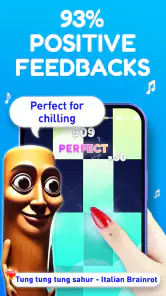
As soon as you launch Piano Music Star 5: Beat Game, you're welcomed by a vibrant interface that sets the tone for an exciting musical adventure. The app is designed to be user-friendly, so whether you’re a seasoned musician or just someone who loves to tap along to tunes, you’ll find your way around effortlessly. The tutorial is concise and gives you a quick rundown of the gameplay, which is essentially about hitting the right notes as they cascade down your screen.
The Gameplay Experience
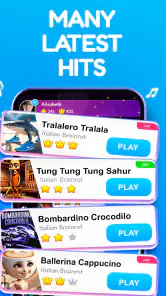
Now, let’s talk about the gameplay itself. The app features a variety of songs across different genres, from classical to pop, ensuring there’s something for everyone. What I found particularly engaging is the way the app challenges your reflexes and timing skills. As you progress, the levels become more challenging, making it addictive and hard to put down. The app also offers different modes, like the endless mode, where you can see how long you can last in a continuous stream of notes. It’s a real test of endurance and skill!
Features That Hit the Right Note
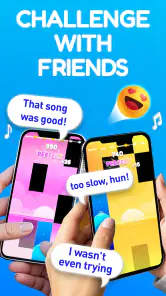
One of the standout features of this app is its social component. You can connect with friends, challenge them, and even share your high scores. It's a fantastic way to stay engaged and add a bit of friendly competition. Another great feature is the customization options. You can choose different themes and even unlock new songs by completing challenges. It keeps the game fresh and exciting.
Moreover, the app doesn’t compromise on sound quality. The piano tunes are crisp and clear, making the experience all the more immersive. And if you’re someone who appreciates good visuals, the app’s design won’t disappoint. The graphics are smooth and complement the overall aesthetic of the game.
What keeps it useful over time
The longer-term appeal of a rhythm game depends less on its first few songs and more on whether I still want to return after I know the basic pattern. Here, the combination of timing challenges, a changing sense of difficulty, and songs to work toward gives each visit a small goal. The game is free, and Melodya Muses is the developer. It has a 4.7 average from around 1,500 ratings, with over 500,000 installs, so it has reached a substantial audience; that is reassuring context, though popularity alone cannot tell me whether its particular song selection will suit your taste.
A helpful way to judge its staying power is to notice what motivates you after the first few sessions. If you enjoy improving your timing or trying to get through a difficult passage more cleanly, the core loop can offer a reason to return. If your interest depends mainly on discovering songs, that excitement may be more temporary. Unlocks can make progress feel rewarding, but they are most satisfying when you enjoy the play required to reach them, not when you treat each one as a chore.
Small habits that make repeat play better
I would keep sessions focused rather than trying to push through every available challenge at once. Pick a song that feels comfortable when you want to unwind, and save a tougher one for when you actually want to concentrate. This simple split helps avoid turning every visit into a test of reflexes. It also makes it easier to tell whether the game works for you as relaxed entertainment or whether you only enjoy it when you are chasing improvement.
Another useful habit is to pay attention to how you hold the phone and where your fingers land before starting a demanding run. A stable grip and a clear view of the moving notes matter more in a quick-tap game than they might in a slower puzzle. If you are playing in a noisy place, the visuals can still guide you, but the musical rhythm is part of the experience, so a quieter moment may make it more enjoyable. I would not assume that every setting is equally comfortable for focused play.
How it compares with other music games
Compared with a conventional piano-learning app, this is the lighter option: the emphasis is on responding to on-screen notes, not building technique or reading music. Compared with a rhythm game that focuses on a highly specific soundtrack or a complex competitive system, its appeal is more immediate and casual. That is a useful middle ground if you want music-themed play without a steep learning curve, but it may feel limited if you need a carefully tailored catalog or a particular kind of progression.
It also occupies a different space from simply streaming music. Listening asks nothing of you; this game asks for attention and quick decisions. I would choose it when I want to engage with a beat, and choose a playlist when I want background sound while working or travelling. That sounds obvious, but it is the key practical distinction: the game is not a passive music player, and it works best when you can give the screen a little focus.
What can become tiring
The same repetition that makes the controls easy to learn can eventually become the main source of fatigue. Once the novelty of tapping to a song passes, a player needs to enjoy the timing challenge itself. Difficulty can be motivating when a level feels just beyond reach, but frustrating when repeated attempts stop feeling like progress. I would take a break rather than keep replaying a section out of obligation; returning later with fresh attention is more likely to keep the game enjoyable.
There is also a personal taste question around music games: a broad mix is only a benefit if the songs appeal to you. The game’s premise may sound inviting, but no rhythm title can make every track feel like a favorite. If you are choosing mainly for one artist or a tightly defined genre, check that the available selection matches what you want before making it your regular game. If your priority is simply to tap along and discover what catches your ear, a varied set of songs is easier to enjoy without a fixed expectation.
Practical expectations before you settle in
The game is free, and it is rated for Everyone. Its current version is 2.19.0, and it runs on Android 7.0 or later. Those details make it straightforward to consider for a compatible Android device, while iOS users should check the availability and requirements on their own platform before planning to play. I would also think about where you expect to use it: a quick rhythm game suits a phone break, but it is not the best choice when your hands are busy or you need to keep your attention on something else.
One question people often have is whether they need musical ability to enjoy it. I do not think so: the game’s appeal is following the cues and finding a comfortable sense of timing, not demonstrating piano knowledge. Another is whether it can replace practice; for that, my answer is no. It can make rhythm feel playful, but anyone serious about learning an instrument should pair it with a method designed to teach one.
Whether it makes sense as a regular install comes down to the kind of small challenge you like keeping nearby. If you enjoy seeing whether your timing improves and appreciate music as something to interact with, it has a more durable role than a one-time novelty. If you mostly want new songs to listen to, a music service is the better fit; if you want structured skill-building, choose a learning tool. That distinction makes the choice clearer than the broad promise of a music game on its own.
Final Thoughts
In conclusion, Piano Music Star 5: Beat Game is more than just a game; it’s a platform where music and gaming blend seamlessly. It’s perfect for those short breaks during the day when you want to unwind and have a bit of fun. Whether you’re looking to improve your musical skills or just want to enjoy some music-themed gameplay, this app has got you covered. So, why not give it a try and let your fingers dance on the virtual keys? You might just find your new favorite pastime!
Piano Music Star 5: Beat Game Pros and Cons
Pros
- Engaging rhythm gameplay
- Variety of music genres
- Easy controls
- Offline mode available
- Regular updates
Cons
- Ads can be intrusive
- Limited free songs
- In-app purchases required
- Battery drain issue
- Occasional app crashes
This Game in Other Languages
Frequently Asked Questions
What is Piano Music Star 5: Beat Game?
Piano Music Star 5: Beat Game is an engaging rhythm-based mobile game where players tap tiles in sync with popular music tracks. The game challenges your hand-eye coordination and rhythm skills, offering a variety of songs across different genres. It's designed for both casual players and music enthusiasts looking for an interactive experience.
Is Piano Music Star 5: Beat Game free to play?
Yes, Piano Music Star 5: Beat Game is free to download and play. However, it offers in-app purchases that can enhance the gaming experience. These may include additional songs, special tiles, or other premium features. While the game can be enjoyed without spending money, these purchases can provide additional content and customization options.
What platforms is Piano Music Star 5: Beat Game available on?
Piano Music Star 5: Beat Game is available on both Android and iOS platforms. You can download it from the Google Play Store for Android devices and the Apple App Store for iOS devices. The game is optimized for mobile devices, ensuring a smooth and enjoyable experience across various smartphones and tablets.
Can I play Piano Music Star 5: Beat Game offline?
Piano Music Star 5: Beat Game can be played offline, allowing you to enjoy the game without an internet connection. However, some features like downloading new songs or accessing certain in-game content may require an internet connection. Playing offline is perfect for those who want to enjoy the game on the go without using mobile data.
Does Piano Music Star 5: Beat Game have multiplayer options?
Currently, Piano Music Star 5: Beat Game focuses primarily on single-player gameplay. The game allows players to compete against their own scores or strive to achieve higher rankings on leaderboards. Although it lacks direct multiplayer features, players can challenge friends by sharing scores and inviting them to beat their high scores.


