

Parkour Escape: Night Forest
- Reviews
- 3.3
- Version
- 1.14
- Installs
- 1,000,000+

Screenshots
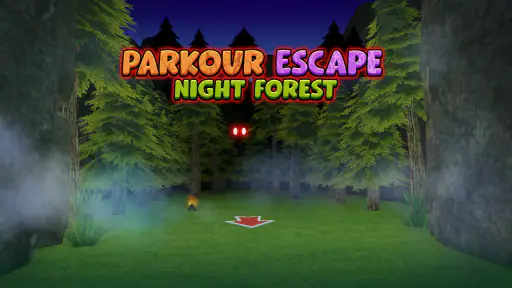
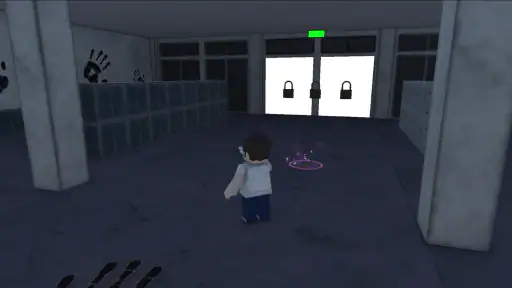
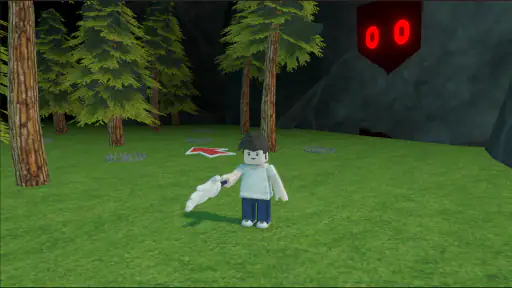
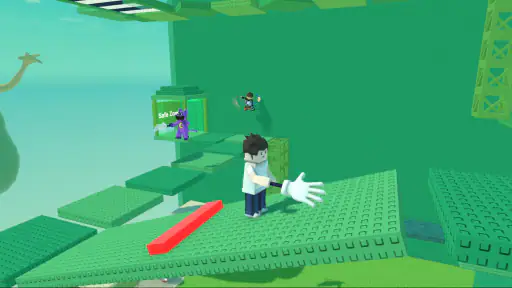
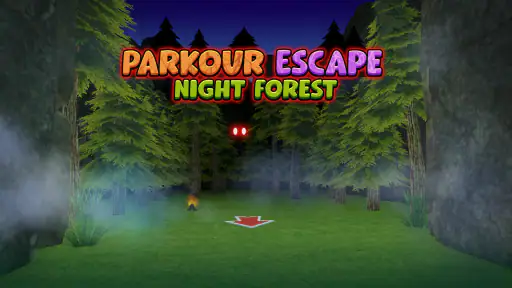
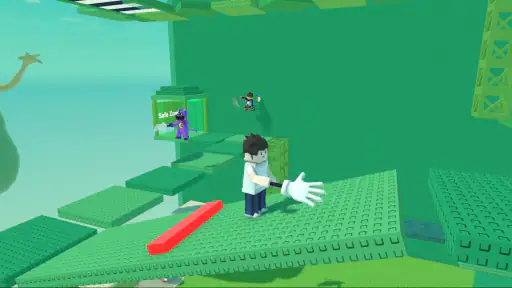
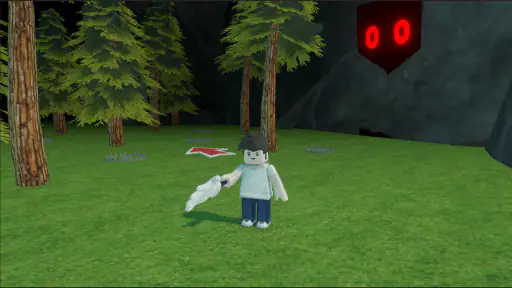
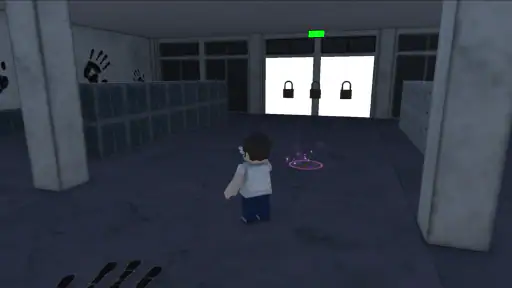
 Analysis by Frivlyz
I went into Parkour Escape: Night Forest expecting a quick, tense adventure game, and that is exactly the kind of experience it aims to deliver. You run through a shadowy forest, use parkour movement to keep going, and try not to get caught by frightening creatures along the route. The idea is easy to understand, but the dark setting changes the mood completely: every turn feels more uncertain, and a familiar jump can become stressful when you are concentrating on what may appear next.
Developed by Blox Global, this free adventure game is aimed at players who enjoy short bursts of movement, danger, and escape-focused gameplay. It has reached over a million installs, so it is clearly finding an audience, although its average rating of 3.3 shows that the experience is not equally convincing for everyone. After spending time with it, my view is that it works best as a lightweight horror-parkour diversion rather than as a deep adventure with a large world to explore.
How the current version feels to play
The central appeal is the combination of speed and uncertainty. Parkour gives the game forward momentum, while the forest and monsters create pressure. I found that the atmosphere matters as much as the obstacles themselves. In a brighter platform game, I would focus mainly on timing a jump. Here, I also have to read the space around me, stay alert for threats, and decide whether rushing forward is safer than slowing down.
That makes the game suitable for short sessions. It is easy to imagine opening it while waiting for a bus or taking a brief break, playing until a run ends, and putting the phone away. It does not require the kind of long commitment associated with a story-heavy role-playing game. The trade-off is that players looking for a carefully developed narrative, character progression, or a broad exploration system may find the experience too narrow.
The dark forest setting gives the adventure a clear identity, but it also creates a practical challenge. Visual information can be harder to read when the environment is intentionally gloomy. I recommend playing with the screen brightness at a comfortable level and avoiding a rushed first attempt. Learning the visual language of the route is important: once I understood which shapes represented safe movement and which areas demanded caution, the tension felt more enjoyable instead of merely confusing.
The best way to approach each run is to treat survival as a rhythm exercise, not a simple sprint. I watch the path, make the immediate movement, then quickly prepare for the next decision. Holding the same pace through every section is tempting, but it can lead to careless mistakes. Short pauses before difficult movement are often more useful than constantly pushing forward.
Controls and the learning curve
The parkour premise makes control response especially important. A small delay or an imprecise movement can turn a promising escape into a failed attempt. New players should spend their first runs learning how the game expects movement to be handled rather than trying to complete everything immediately. That approach also reduces frustration because mistakes become useful information about timing and positioning.
Gaming Stories You May Enjoy

Dancing Road Turns Short Breaks Into a Test of Rhythm and Timing

Super Stylist Makes Every Outfit a Test of Taste and Patience

Dominoes on Your Terms: Who Should Play and Who Should Pass

Pokémon GO Makes the Familiar World Feel New

Chess.com Turns Rematches Into Rivalries, but Community Has Its Costs

Archery Battle 3D Review: Sharp Aiming, Unclear Feedback
I would not describe the learning curve as demanding in the same way as a technical platforming game. The pressure comes less from complicated commands and more from combining movement with fear and limited visual certainty. Someone who enjoys repeating a route until it feels familiar will probably get more from the game than someone who wants to succeed on the first try.
A useful everyday scenario is playing with headphones during a quiet break, provided the player is comfortable with the darker atmosphere. Sound can make an escape game feel more immediate, but I would not recommend starting a session in a situation where full attention is needed. The game rewards concentration, and splitting attention between the screen and another task makes the chase elements feel unfair even when the real problem is distraction.
What the version and release information tell me
The current version is 1.14, while the game was released on April 8, 2026. Those details place the review in a relatively early stage of the product’s life. I see the version number as evidence that Blox Global has already moved beyond the first public build, but it is not a reason to assume that every rough edge has disappeared. A numbered update can reflect ongoing maintenance as much as a major transformation.
For existing players, the most important practical point is to judge the current build on how it feels now rather than on what the concept might become later. The basic identity remains clear: dark-forest movement, frightening pursuit, and the goal of getting out alive. I would welcome future refinement around readability, movement consistency, and the way difficulty is communicated, because those areas have the greatest effect on whether a failed run feels exciting or irritating.
I also prefer to separate visible product facts from future expectations. The version information confirms where the game currently stands, but it does not promise a particular roadmap. I would watch future updates for changes that improve the moment-to-moment experience rather than simply adding more decoration. In a game built around escape, a smoother response and clearer visual cues can matter more than a larger collection of cosmetic additions.
Who will enjoy it most
This is a good match for players who like compact horror adventures, obstacle-based movement, and the feeling of escaping something dangerous. It may also suit younger players because the content rating is Everyone, although individual sensitivity to dark environments and monsters still matters. Parents should consider the child’s comfort with suspense rather than relying only on the age label.
I can also see it appealing to players who enjoy improving through repetition. The first attempt may be about understanding the route, the next about avoiding the same mistake, and later attempts about keeping a steady pace. That loop is satisfying when the game’s movement feels predictable enough to learn. It is less satisfying for people who prefer relaxed exploration or games where failure has little consequence.
Players who want a traditional adventure with dialogue, puzzles, companions, or a strong narrative arc should probably choose a different type of game. This is much closer to an action escape challenge. Even though it belongs to the adventure category, its appeal comes from movement and atmosphere rather than from discovering a large story world.
Where it sits beside familiar alternatives
Compared with a standard endless runner, this game has a more threatening mood and a stronger sense of place. Endless runners often emphasize score, distance, and quick reactions in bright or highly readable environments. Here, the forest setting makes each run feel more like a narrow escape. The benefit is stronger tension; the cost is that some players may find the presentation less immediately readable.
Compared with a conventional platformer, the monster threat changes the priorities. A platformer may encourage careful positioning and mastery of individual jumps, while this game pushes me to keep moving because stopping can feel dangerous. That creates urgency, but it may not provide the same satisfaction as a platformer with elaborate level design and precise, puzzle-like challenges.
Compared with a story-led horror game, the experience is more direct and less dependent on narrative investment. I can start playing without remembering characters or plot details. That makes it convenient for short sessions, but it also means players seeking a memorable story should look elsewhere. The right choice depends on whether the main goal is to feel pursued for a few minutes or to become absorbed in a longer fictional world.
Free to start, with a point to consider
The game is free to download, which makes trying it straightforward. There are in-app purchases ranging from $0.99 to $19.99 per item. I would approach those purchases cautiously until I knew how much I enjoyed the basic escape loop. A free entry point is useful here because the game’s appeal depends heavily on personal reactions to its darkness, pacing, and repeated attempts.
My advice is to play several sessions before spending anything. First decide whether the movement feels comfortable, whether the monster pressure is exciting rather than annoying, and whether the short-session structure fits your habits. If those three things work, optional purchases may feel easier to evaluate. If they do not, paying more is unlikely to solve the underlying mismatch.
It also runs on Android 6.0 or later, which gives it a broad device starting point. Still, compatibility is not the same as an identical experience on every phone. Screen size, performance, touch response, and the visibility of a dark scene can all affect how comfortable the game feels. On a smaller display, I would pay particular attention to whether I can distinguish the route quickly enough without leaning toward the screen.
Small habits that improve a run
My first practical tip is to learn the environment before chasing speed. During an early attempt, I deliberately focus on recognizing the route and identifying where my attention tends to fail. This creates a mental map that is more useful than simply memorizing a sequence of taps. Once the path feels familiar, I can increase pace without turning every obstacle into a guess.
Second, I avoid playing when the phone is nearly out of battery or when I am holding it awkwardly. That sounds basic, but escape games punish interruptions. A notification, an uncomfortable grip, or a sudden need to adjust the phone can break concentration at exactly the wrong moment. For a short game, setting up properly takes less time than recovering from repeated avoidable failures.
Third, I separate visual difficulty from actual difficulty. If I fail because I genuinely mistimed a movement, I try again with a different rhythm. If I fail because I could not read what was ahead, I adjust my viewing conditions instead of blaming my reaction speed. This distinction helps reveal whether the challenge is rewarding or simply being obscured by the presentation.
Finally, I recommend stopping after a few frustrating attempts rather than forcing a long session. The game’s tension is most effective when I am alert. Once irritation takes over, I rush, miss more movement opportunities, and start treating every failure as evidence that the game is broken. A short break often gives me a clearer view of whether I need a new strategy or simply a fresh start.
Remaining gaps and who should skip it
The main limitation is the narrowness of the formula. Running, avoiding danger, and escaping can be compelling, but the experience needs enough variety and clarity to remain interesting over time. Players who expect a steady stream of new mechanics may feel that the core loop becomes repetitive. I would not choose this as my only mobile game if I wanted long-term progression or a large amount of content.
The dark presentation can also divide players. For me, it strengthens the mood, but it can make mistakes harder to diagnose. When I cannot tell whether I chose the wrong route or simply reacted too late, the challenge loses some of its fairness. That is an important distinction for players who enjoy precise games: atmosphere should create tension, not hide the information needed to improve.
I would skip this game if I dislike chase sequences, repeated retries, or suspenseful environments. I would also choose another adventure title if my priority were exploration, story, puzzles, or a relaxing pace. The Everyone rating makes it broadly accessible in classification, but accessibility of content does not guarantee that every player will enjoy the pressure created by monsters and darkness.
The average rating of 3.3 from around 1.2 thousand ratings reflects that mixed position. It is not a universal recommendation, but it is also not a sign that the concept lacks appeal. The game has a recognizable hook, and the audience size shows that many people are willing to try it. My interpretation is that the final verdict depends heavily on how well the player responds to its particular blend of parkour urgency and dark visibility.
What I would watch in future updates
If Blox Global continues developing the game, I would pay attention to improvements that make failure easier to understand. Clearer route reading, dependable movement response, and better pacing would strengthen the existing idea without changing its identity. Those changes would help both newcomers and returning players because they improve the learning process rather than merely increasing the amount of content.
I would also watch for meaningful variation in the escape experience. New environments or situations could keep the forest concept from feeling one-note, but variety should support the movement instead of distracting from it. The strongest future direction would preserve the simple tension of getting away while giving experienced players new reasons to adapt.
For current users, the sensible approach is to keep expectations grounded. Version 1.14 shows an active product stage, yet the confirmed experience today is the one that should guide a download decision. I would not install it because of imagined future features. I would install it because the present combination of parkour movement and monster-driven suspense sounds enjoyable to me.
My final recommendation
After reviewing it, I see Parkour Escape: Night Forest as a focused mobile adventure for players who want immediate tension rather than a long story. Its strongest quality is the way the dark forest turns ordinary movement into a nervous, watchful escape. Its weakest point is the same presentation: when the route is difficult to read or a failure feels unclear, the atmosphere can work against the fun.
I recommend trying it if you enjoy short horror-flavored runs, learning through repetition, and the satisfaction of surviving a dangerous route. The free price makes that trial reasonable, while the optional purchase range is a good reason to decide slowly. I would recommend a different game to anyone seeking deep exploration, narrative detail, or a calm platforming experience.
My honest verdict is cautiously positive. This is not the broadest adventure game on mobile, but it has a specific mood and a clear reason to exist. If the idea of moving through a night forest while something frightening may be close behind sounds exciting, it is worth giving the current version a fair try. Just play with patience, learn the route before chasing speed, and judge it by the quality of that escape loop rather than by expectations of a much larger game.
Parkour Escape: Night Forest Pros and Cons
Pros
- Fast-paced parkour movement keeps each run exciting.
- Dark forest atmosphere creates a memorable sense of tension.
- Simple controls make the game easy to pick up.
- Short levels suit quick gaming sessions.
- Unlockable content gives you reasons to keep playing.
Cons
- Limited level variety can make later runs feel repetitive.
- Dark visuals sometimes make obstacles difficult to spot.
- Some jumps require precise timing and repeated attempts.
- Progression may feel slow without extended play sessions.
- Ads can interrupt the experience between attempts.
Frequently Asked Questions
What is Parkour Escape: Night Forest?
Parkour Escape: Night Forest is an action and obstacle-course game built around fast movement through a dark forest environment. Players must run, jump, climb, and overcome different hazards while trying to escape safely. The nighttime setting gives the game a tense atmosphere, combining platforming challenges with quick reactions and route planning rather than traditional combat-focused gameplay.
How do you play Parkour Escape: Night Forest?
The main objective is to guide your character through forest stages by timing jumps, avoiding obstacles, and finding the safest path forward. Controls generally focus on movement and jumping, so success depends on learning each area, reacting quickly, and maintaining momentum. Some sections may require repeated attempts because traps, gaps, and unexpected hazards can punish rushed movement.
Is Parkour Escape: Night Forest suitable for children?
The game may be suitable for players who enjoy simple action and platforming challenges, but parents should review the store rating and the game’s current content before allowing younger children to play. Its dark forest atmosphere, escape theme, and possible chase or danger sequences may feel intense for sensitive players. Difficulty and advertising should also be considered.
Does Parkour Escape: Night Forest require an internet connection?
Whether an internet connection is required can depend on the version installed and the features included by the developer. Basic parkour levels may work offline after installation, while advertisements, analytics, updates, rewards, or other online services may need connectivity. Before downloading, check the current Google Play or App Store listing for the latest requirements.
Are there ads or in-app purchases in Parkour Escape: Night Forest?
The presence of advertising or optional purchases may vary according to the platform, region, and version of Parkour Escape: Night Forest. Free mobile games commonly display ads between attempts or levels and may offer purchases related to removing ads, unlocking content, or obtaining bonuses. Review the store’s pricing and in-app purchase information before installing.


