

Papers, Please
- Reviews
- 4.8
- Version
- 1.4.12
- Installs
- 100,000+

Screenshots

 Analysis by Frivlyz
I approached Papers, Please expecting a small role-playing game about checking travel papers, but its appeal is less about the job title than the way routine decisions accumulate into pressure. You work at a border checkpoint in fictional Arstotzka, where each applicant brings a handful of details to compare and a reason to want passage. The central question is not simply whether I can spot a mismatch; it is what I am willing to do when a correct decision and a compassionate one may pull in different directions.
This is a paid game rather than a free-to-start role-playing app: it costs $4.99, and the purchase context is refreshingly straightforward to understand. The game is made by 3909, has a 4.8 average from around 4,800 ratings, and has passed 100,000 installs. Those figures suggest that it has found a committed audience, though popularity alone cannot tell you whether its deliberate pace will suit your taste. It is rated Mature 17+, so I would not treat its grim themes as light family entertainment.
What the daily work asks of you
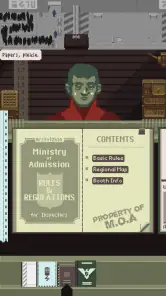
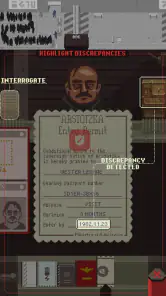
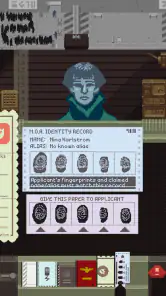
The basic task sounds repetitive, but the rules and documents demand attention. I have to inspect the information in front of me, notice when something does not fit, and choose how to respond. As requirements build, a glance that was enough earlier may no longer be safe. That changing workload is the source of much of the tension: the game asks me to become more methodical just as it makes the queue feel harder to manage.
A useful habit is to pause briefly before making a decision and compare the relevant details rather than relying on a quick impression. When several checks compete for attention, I find it easier to treat each visitor as a small checklist: what is required, what is present, and what needs closer inspection? That approach reduces careless errors, but it does not remove the moral uncertainty. A document can be technically wrong while the person holding it has an understandable reason for taking a risk.
The Gameplay Experience
At first glance, Papers, Please might seem like a simple paperwork simulation, but let me tell you, it’s anything but mundane. You're cast as a checkpoint immigration officer in the fictional dystopian country of Arstotzka. Your job? To decide who gets to cross the border and who’s sent packing. Sounds easy, right? Well, not quite.
As you stamp passports and scrutinize identities, the game throws a myriad of challenges your way. Each day brings new rules, more paperwork, and tougher choices. It’s a game of keen observation and quick decision-making. You're not just checking documents; you're also uncovering stories, some heartwarming and some downright heartbreaking. And let me just say, the moral grey areas will leave you pondering long after you put your device down.
Pressure, fairness, and the cost of a choice
The game's strongest design choice is the collision between procedure and empathy. A rule gives you a clear standard to apply, while a visitor's situation can make a strict response feel harsh. Meanwhile, your own household depends on how well you manage the work. That means there is no comfortable distance between the border desk and the consequences: choices can feel personally costly even when following the rules would be simpler.
Gaming Stories You May Enjoy

Dancing Road Turns Short Breaks Into a Test of Rhythm and Timing

Super Stylist Makes Every Outfit a Test of Taste and Patience

Dominoes on Your Terms: Who Should Play and Who Should Pass

Pokémon GO Makes the Familiar World Feel New

Chess.com Turns Rematches Into Rivalries, but Community Has Its Costs

Archery Battle 3D Review: Sharp Aiming, Unclear Feedback
That pressure also gives the game a useful kind of replay value. Rather than treating a second run as a chance to chase a score, I would use it to test a different attitude: be more cautious with documents, respond differently to a difficult case, or see where a less forgiving approach leads. The point is not that every outcome is equally kind or sensible. It is that the game makes you notice the trade-off you chose, rather than letting every decision blur into routine.
How it fits a real playing session
I would choose this for a quiet stretch when I can concentrate, not as a game to dip into while distracted by messages or a conversation. A realistic session might be a short break at home: I open it intending to handle a few cases, then stop at a natural pause and think about whether I rushed a check. The work is divided into manageable decisions, but the emotional weight can linger longer than the session itself.
For a first run, I recommend prioritizing careful reading over speed. If a new instruction changes what counts as acceptable, take a moment to absorb it before returning to the queue. On later attempts, deliberately changing one decision-making habit can make a replay more revealing than trying to remember every outcome. This is a game where paying attention to your own reasoning is part of the experience, not just a way to avoid mistakes.
Who will enjoy the desk, and who may not
This is a strong fit for players who like narrative role-playing games, ethical choices, and systems that turn small actions into larger consequences. It is also a good pick if you enjoy examining how rules work under pressure. If your usual role-playing game preference is exploration, combat, character builds, or a large world to roam, this is a very different kind of role-playing experience. The checkpoint and its paperwork are the point, not a brief stop on the way to an action sequence.
I would skip it if repetitive inspection sounds tiring rather than satisfying, or if you want a cheerful game that lets you relax without making uncomfortable choices. The Mature 17+ rating is another reason to think about the intended player before buying. The pixel-art presentation may look modest, but the subject matter is not automatically gentle just because the visuals are stylized.
Where it sits beside other role-playing games
Compared with the usual role-playing alternative built around battles, quests, or steadily improving a character, this game puts attention and judgement at the center. Its progression comes through changing rules and increasingly demanding decisions, not through collecting a stronger set of abilities. That makes it unusually focused: there is less appeal for someone seeking broad exploration, but more room to consider how bureaucracy shapes the stories passing through the checkpoint.
There is a fairness question here, too. The game is a paid purchase, so the basic decision is whether this particular style of focused, morally tense play is worth $4.99 to you. I would not compare it with a free-to-play game by assuming anything about ads, optional purchases, or advantages; those details are not established here. What I can say is that the appeal is the core experience itself, rather than a promise of competitive status or a catalogue of upgrades. It is best judged as a self-contained choice for someone who wants this specific kind of pressure.
What to know before choosing it
The current version is 1.4.12, and it runs on Android 5.0 or later. Those details make it easier to check whether an older Android device meets the stated minimum, but they do not answer every practical question about how it will feel on a particular screen. Since the work depends on reading and comparing documents, I would make sure the display is comfortable for close attention before settling in for a long session.
If you are wondering whether the game is suitable for quick play, I would say it can fit a short break, but it rewards having enough focus to follow the day’s requirements. If you are asking whether decisions matter, the game’s family pressures and multiple endings make choices feel consequential, though I would avoid approaching it as a puzzle with one universally correct route. And if you are unsure whether it is right for younger players, the Mature 17+ classification and bleak themes are clear reasons to choose something else.
One more practical point: I would not buy it expecting a conventional fantasy role-playing structure. Its tension comes from repeating a narrow job with changing demands, and that deliberate constraint is either the reason to try it or the reason to pass. If you are drawn to stories about institutions, personal responsibility, and the gap between policy and compassion, the focus can be compelling. If you would rather make progress by exploring new places or improving a hero, another game in the genre is likely a better match.
Graphics and Sound
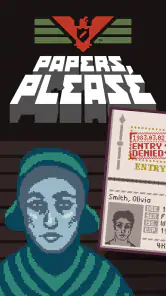
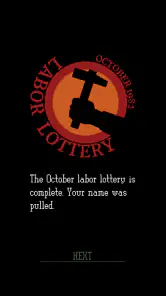
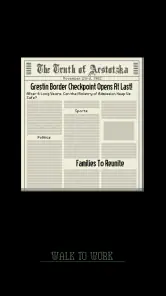
The graphics in Papers, Please are reminiscent of early 90s games, with pixelated visuals that somehow enhance the gritty atmosphere. The simplicity of the graphics serves the narrative well, focusing your attention on the details that matter. As for the sound, it’s minimalistic yet effective. The ambient sounds of the border office and the subtle background music contribute to the immersive experience. It’s like you can almost feel the cold, oppressive air of Arstotzka around you.
Why It's Worth Your Time
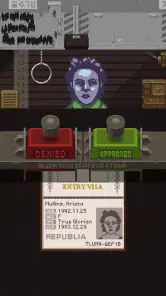
What really makes Papers, Please stand out is its ability to engage players on a deeper level. It’s not just about playing a game; it’s about experiencing a story and the human condition. The decisions you make affect not only the characters trying to cross the border but also your family’s wellbeing. Yes, you have a family to feed, and denying or approving entries has direct consequences on your income and their survival. This adds an extra layer of tension, making every stamp of approval or denial feel significant.
Moreover, the game offers multiple endings, encouraging players to explore different choices and outcomes. Each playthrough can lead to a different conclusion, which keeps the gameplay fresh and appealing. It’s a game that begs you to replay it, to see how your actions could change the fate of those in Arstotzka.
Final Thoughts
If you're looking for a game that challenges your mind and ethics, then Papers, Please is a must-try. It’s not just a game; it’s an experience that provokes thought and reflection. Whether you’re a fan of strategy games or just looking for something different to play, this game is sure to captivate you with its unique storytelling and engaging mechanics. So, grab your stamp and get ready to dive into the world of border control. Glory to Arstotzka!
Papers, Please Pros and Cons
Pros
- Unique and engaging gameplay concept.
- Strong narrative and social commentary.
- Challenging puzzles and decision making.
- Retro-style graphics enhance immersion.
- Multiple endings increase replayability.
Cons
- Graphics may not appeal to everyone.
- Can be stressful with time limits.
- Requires attention to detail.
- Limited soundtrack variety.
- Repetitive tasks can be tedious.
Frequently Asked Questions
What is the main objective of the game Papers, Please?
Papers, Please is a puzzle simulation game where players assume the role of an immigration officer at a border checkpoint in the fictional dystopian country of Arstotzka. The main objective is to inspect documents and decide who can enter the country, balancing the needs of your struggling family and the demands of your superiors.
What platforms is Papers, Please available on?
Papers, Please is available on multiple platforms including Windows, macOS, Linux, iOS, and PlayStation Vita. This wide availability ensures that players can enjoy the game on both desktop computers and mobile devices, making it accessible to a larger audience.
How does the gameplay in Papers, Please work?
In Papers, Please, players are tasked with checking passports, visas, and other documents against a set of rules that grow increasingly complex as the game progresses. Players must identify discrepancies, make quick decisions, and manage limited time and resources effectively, creating a challenging yet rewarding gameplay experience.
Is there a storyline in Papers, Please?
Yes, Papers, Please features a rich storyline that evolves based on the player's decisions. The game includes various endings, each affected by how players manage their duties and their moral choices. The narrative immerses players in a politically tense environment, making each decision impactful and meaningful.
Does Papers, Please offer any educational value?
Papers, Please provides educational value by simulating real-world issues such as immigration control, ethical decision-making, and resource management. The game encourages players to think critically about these topics while experiencing the pressures and moral dilemmas faced by immigration officers, offering both entertainment and insight.


