

Pango Musical March: 3-6 years
- Reviews
- 4.1
- Version
- Varies with device
- Installs
- 10,000+

Screenshots
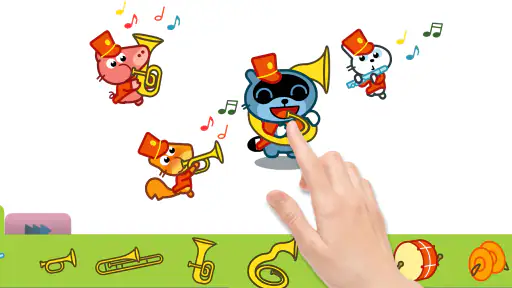
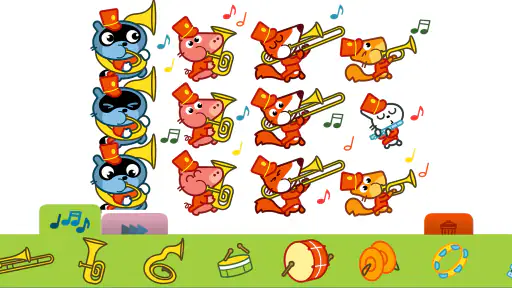

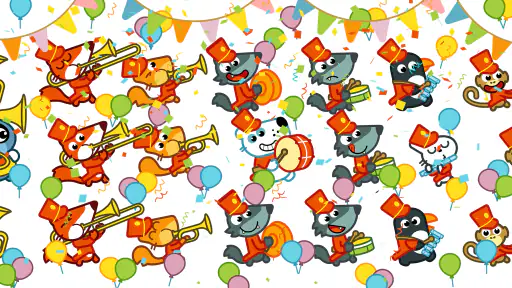
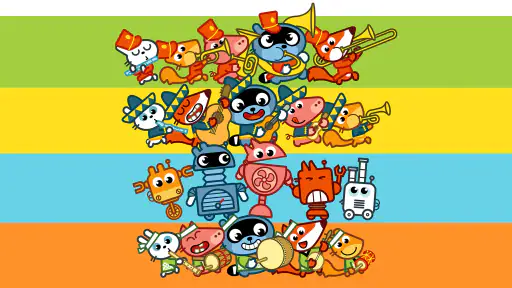
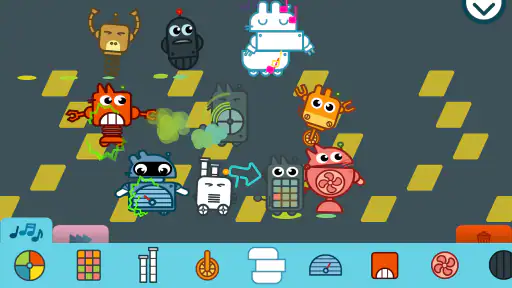
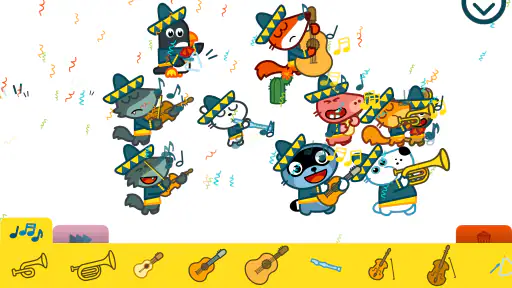
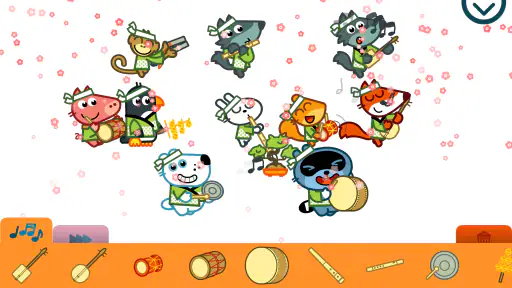
 Analysis by Frivlyz
Pango Musical March: 3-6 years is an engaging and interactive app designed to introduce young children to the world of music through playful exploration. Let's dive into what makes this app a delightful choice for your kids.
A musical idea children can shape
The most useful idea at the heart of this game is that a child can make musical choices rather than only listen to a finished song. For preschoolers, that shift matters: tapping, trying a sound, and deciding what to add gives them a simple reason to pay attention. I find that kind of open-ended play more inviting than an activity that asks a young child to sit still and absorb explanations.
That does not make it a substitute for music lessons, and I would not expect a preschool game to teach formal notation or instrument technique. Its appeal is much more immediate: it gives a child permission to experiment. A parent can join in by asking which sound should come next, or by letting the child lead without turning the moment into a quiz. The result is a small shared activity with music as the focus, not a test of what the child remembers.
What “making music” can mean at this age
Children between three and six often want to repeat an action simply because they enjoy seeing and hearing what follows. That repetition is not necessarily a problem. It can be a way of noticing that different choices produce different musical results, and of gaining confidence with a touch screen. I would let a child repeat a favorite sound for a while, then gently invite a change if their interest starts to fade.
A useful approach is to give one prompt at a time: “Can we make this sound again?” or “What would you like to try next?” A broad instruction such as “make a song” can feel too abstract for a younger child, while a small choice is easy to act on. Older preschoolers may enjoy inventing their own direction and explaining it to you. Either way, the adult’s role is to make room for exploration rather than to judge whether the result sounds right.
Let the Musical Adventure Begin!
From the moment you open Pango Musical March, you are greeted with a vibrant and colorful interface that immediately catches a child's eye. The app is tailored for children aged 3-6 years, and it does an excellent job of catering to their innate curiosity and love for music. The main character, Pango, leads your little ones through a series of musical adventures, ensuring they remain entertained while learning.
Interactive Learning Experience
The app's foundation is built on interactive learning. Kids can play various musical instruments, watch animations, and participate in musical games that subtly teach them about rhythm, melody, and harmony. The activities are designed to be intuitive, so even the youngest users can navigate with ease.
Gaming Stories You May Enjoy

Dancing Road Turns Short Breaks Into a Test of Rhythm and Timing

Super Stylist Makes Every Outfit a Test of Taste and Patience

Dominoes on Your Terms: Who Should Play and Who Should Pass

Pokémon GO Makes the Familiar World Feel New

Chess.com Turns Rematches Into Rivalries, but Community Has Its Costs

Archery Battle 3D Review: Sharp Aiming, Unclear Feedback
One of the standout features is the ability for kids to create their own music. By experimenting with different instruments and sounds, they not only learn but also express their creativity. This feature is not just fun; it’s a fantastic way to boost a child's confidence and enthusiasm for music.
Making a short play session work
For a real household routine, I would treat this as a brief activity to offer when a child needs a calm change of pace, rather than handing over a device for an open-ended stretch. For example, after coming home from preschool, a child could spend a few minutes choosing sounds and showing a parent what they made before moving on to snack or another activity. That gives the game a clear place in the day and gives the child an audience for their choices.
It can also work as a small turn-taking game between siblings or an adult and child. One person can choose a sound, and the next can decide what to try after it. The point is not to impose a strict musical pattern; it is to make listening and taking turns part of the play. If a child gets frustrated or starts tapping without interest, I would pause rather than push them to finish. A preschool music game is most valuable when the child still wants to explore.
Parents who want to make the play more purposeful can keep the conversation concrete. Ask whether the child wants to hear a sound again, or which choice they enjoyed most. Avoid correcting their musical decisions: the activity is about experimenting, not producing a polished performance. This simple distinction helps preserve the child’s sense of ownership and makes it easier to enjoy the game together.
Quality Content and Design
What sets Pango Musical March apart from other apps is its high-quality content and design. The visuals are bright and appealing, capturing the essence of a child's world. The animations are smooth, and the sound quality is excellent, ensuring that each musical note is clear and enjoyable. The developers have clearly put thought into creating an environment that is both educational and entertaining.
How it compares with other music play
Compared with a passive music video, this game puts the child in a more active role: they can explore rather than simply watch someone else perform. Compared with a general-purpose instrument simulator, its preschool framing and Pango character make it feel more like guided play than a tool intended to reproduce a real instrument. Those distinctions are useful, but they also define its limits. A child who wants to learn piano keys, practice a particular instrument, or follow structured music exercises will be better served by a dedicated learning app or lessons with an adult.
It is also different from a toy instrument in a practical way. A screen offers a contained activity that can be used in a quiet indoor moment, while a physical instrument gives a child tactile feedback and a chance to move around. I would not choose one as a universal replacement for the other. If a child is drawn to pressing, shaking, or handling real objects, a small instrument may hold their attention better. If the goal is a short digital activity with varied musical play, this game has a clearer fit.
Trade-offs parents should consider
This is a paid game, priced at $5.99, so it makes sense to think about whether the child actually enjoys this style of screen play before buying. Its average rating is 4.1 from 161 ratings, with 12 written reviews, and it has reached over 10K installs. Those figures offer a little context about its audience, but they cannot predict whether a particular child will connect with the activities. I would judge it by the child’s interest in tapping, listening, and returning to their own musical choices.
The age rating is Everyone, and the game is aimed at young children, but an adult should still decide when and how a device is used. A friendly interface does not automatically make every screen session useful for every family. If your child tends to become upset when a device is taken away, set the stopping point before opening the game and give a calm warning when the session is nearly over. That is a household routine, not a feature of the game, but it can make the experience easier.
Another trade-off is that screen-based sound play is not the same as making music with other people in a room. A child can explore independently, but they miss the physical movement, shared timing, and spontaneous back-and-forth that happen in a family singalong or a preschool music circle. I see the app as a supplement for a particular moment, not a replacement for singing together, dancing, or handling simple instruments.
Who will enjoy it most
I would consider it for a preschooler who already likes music, colorful character-led activities, and trying things on a touch screen. It may be especially welcome for a caregiver looking for a short, child-friendly way to invite creative play without needing to set up instruments or plan a lesson. Studio Pango - Kids Fun preschool learning games develops the game, and its playful presentation is well matched to the preschool audience it is made for.
It is less suitable for a child who quickly loses interest in screen interaction, prefers physical play, or wants a clear sequence of lessons and measurable musical progress. It is also not the best choice for an adult seeking a serious music-making workstation. Knowing that distinction helps avoid expecting a playful preschool game to do a teacher’s job. I would choose it for curiosity and a shared musical moment, not for practice goals.
If you are deciding whether the age range fits your child, think about how they respond to simple choices and cause-and-effect play rather than relying on age alone. A younger preschooler may want an adult nearby to help start and keep the activity enjoyable. An older child may be ready to take the lead and make more deliberate choices, but may also want a more challenging music tool if they already have experience. The best sign is whether they remain curious about the sounds, not whether they use the game in one particular way.
Why Your Child Will Love It
Children are naturally drawn to activities that allow them to explore and express themselves. With Pango and his friends, kids embark on a journey where they can dance, play, and learn. The app's cheerful music and engaging visuals create a joyful atmosphere that keeps children coming back for more.
Moreover, the app's structure supports independent play, allowing kids to follow their interests and learn at their own pace. This independence is crucial in developing their decision-making skills and fostering a love for learning.
Small ways to get more from each visit
To keep the activity from becoming another stream of screen time, I would connect it to something away from the device. After a child explores, invite them to clap a rhythm, march around the room, or hum a sound they remember. This does not require the game to include any special export or sharing option; it is simply a way to carry the child’s interest into physical play. It also gives a parent a natural stopping point without making the end feel like a punishment.
For children who prefer to watch before acting, sit beside them for the first moments and narrate what they are choosing, then leave space for them to take over. For a confident child, try the opposite: ask them to show you how they want to play. These two approaches avoid assuming every preschooler interacts in the same way. The useful tip is to follow the child’s attention and offer only as much help as they need.
Because the game centers on exploration, I would not use it as a reward that must be earned through a lesson or as a test of musical ability. That can change a relaxed activity into a performance demand. A better fit is an occasional invitation: “Would you like to play with sounds for a little while?” If the answer is no, there is no reason to insist. Another day, a song, a dance, or a real instrument may be more appealing.
A practical buying decision
The game was released on July 17, 2019, and its $5.99 price makes it a considered purchase rather than a free trial of a music activity. I would weigh that against how often the child enjoys this particular kind of play, not against the number of instruments or activities a parent imagines it might contain. A child who returns to creative sound-making may get more out of it than one who mainly wants to watch cartoons or play a fast-paced game.
If you are choosing between this and a music class, think about what you need today. The game can offer convenient solo exploration at home, while a class brings a teacher, other children, movement, and a social routine. If you are choosing between it and a toy instrument, consider whether convenience or hands-on physical play matters more in your situation. Neither alternative makes this game pointless; they serve different needs, and many families will find that a short digital activity and real-world music complement each other.
The game belongs to the music category, but I would not approach it as a reference library or a structured course. Its strongest role is to make musical interaction approachable for a young child. That is a narrower promise than “teaching music” in a formal sense, but it is also a more realistic way to assess whether the experience is worthwhile. A child who gets pleasure from making choices and hearing the result is already getting the kind of value this style of play can offer.
In a nutshell, Pango Musical March is more than just a music app; it's a tool that nurtures creativity and joy in young children. As a parent, you'll appreciate the educational value and the safe, ad-free environment it offers. So, if you're looking for an app that combines fun with learning, Pango Musical March is definitely worth exploring with your child. Happy musical adventures await!
Pango Musical March: 3-6 years Pros and Cons
Pros
- Engaging musical activities for kids.
- Simple interface suitable for young users.
- No ads interrupting gameplay.
- Offline play available for convenience.
- Encourages creativity and musical skills.
Cons
- Limited content can be repetitive.
- No multiplayer or interactive features.
- Requires device storage space.
- Might not challenge older kids.
- In-app purchases for extra content.
Frequently Asked Questions
What age group is Pango Musical March suitable for?
Pango Musical March is specifically designed for young children aged 3 to 6 years. The app offers an engaging and interactive experience tailored to this age group, focusing on developing musical skills, creativity, and a sense of rhythm through playful activities and colorful animations.
Does Pango Musical March require internet access to play?
No, Pango Musical March does not require an internet connection to be played. Once downloaded, all the features and content are accessible offline, making it convenient for parents and kids to enjoy the app anywhere without worrying about internet connectivity.
What educational benefits does Pango Musical March offer?
Pango Musical March combines entertainment with education by fostering musical creativity and rhythm recognition. It helps young children develop fine motor skills, auditory discrimination, and an appreciation for music through interactive play. The app engages children with fun musical exercises and charming characters that encourage learning through play.
Are there any in-app purchases or ads in Pango Musical March?
Pango Musical March is designed with young children in mind, so the app does not contain any in-app purchases or advertisements. This ensures a safe and uninterrupted playing experience for children, allowing parents to feel confident in providing a secure digital environment.
Is Pango Musical March available on both Android and iOS platforms?
Yes, Pango Musical March is available for download on both Android and iOS platforms. Parents can easily find and install the app from the Google Play Store or the Apple App Store, ensuring accessibility for users regardless of their preferred mobile operating system.


