

OSM 24/25 Soccer Manager Game
- Reviews
- 4.6
- Version
- 4.0.73.2
- Installs
- 50,000,000+

Screenshots



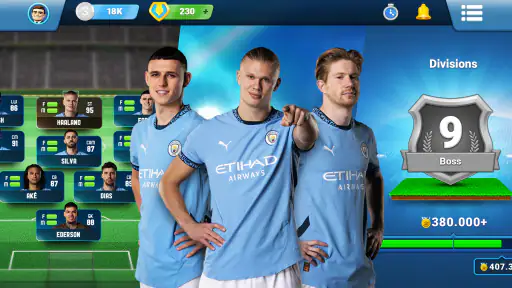
 Analysis by Frivlyz
When I open OSM, the first decision is not about controlling a player on the pitch; it is about choosing a club and taking responsibility for what happens to it. That makes the game a different kind of football fix from a conventional soccer title. I’m not trying to dribble past a defender with a button combination. I’m making a series of managerial choices, then waiting to see whether they help my side perform. For me, the appeal is that small shift in perspective: matches become the outcome of preparation rather than the whole activity.
That also makes it easy to fit around an ordinary day. I might check the squad while I have a quiet moment, decide what needs attention, and come back later to see how the team has done. The loop has a clear shape: act, get feedback, take a reward or a setback, then decide what to change before the next challenge. It gives a short session a purpose without requiring me to play a full match in the hands-on way an action-focused soccer game would.
What the first decisions ask of you
Starting with a club gives the choices some context. I’m not just adjusting a collection of names; I’m trying to steer a team toward better results. Picking a familiar side can make that first step more comfortable, but it can also bring expectations: I may already have opinions about who should start or what style suits the club. Choosing a less familiar team, on the other hand, can make the early decisions feel more exploratory. Either way, the game is best approached as a management project, not as a promise that every choice will work immediately.
Our Stories on OSM 24/25 Soccer Manager Game
Why Top Eleven Is the Ultimate Soccer Management Game
NewsDancing Road Turns Short Breaks Into a Test of Rhythm and Timing
NewsSuper Stylist Makes Every Outfit a Test of Taste and Patience
NewsDominoes on Your Terms: Who Should Play and Who Should Pass
NewsPokémon GO Makes the Familiar World Feel New
NewsChess.com Turns Rematches Into Rivalries, but Community Has Its Costs
NewsThe useful habit is to make each change for a reason. If I alter a setup, I want to be able to connect that decision to what I see afterward, rather than changing several things at once and having no idea what helped. That kind of restraint makes a football manager game more satisfying: wins feel earned, and a poor result gives me something specific to reconsider. Players who enjoy experimenting and learning from outcomes are likely to get more from OSM than people who want instant control over every moment on the pitch.
Building a club one decision at a time
First things first, let’s talk about how you dive into the game. From the moment you open the app, you’re greeted with a sleek, user-friendly interface. The OSM 24/25 Soccer Manager Game allows you to take the reins of a soccer club, and trust me, it’s as exciting as it sounds. You get to choose your favorite team from a wide array of clubs across various leagues. Whether it's the Premier League or La Liga, the choice is yours!
OSM is a free sports game made by Gamebasics BV, and it has been around since October 4, 2012. It carries a 4.6 average from around 2.6 million ratings, with more than 50 million installs. Those figures suggest a broad audience, but what matters to me is whether the central routine suits yours. The game is rated for Everyone, and the current version is 4.0.73.2. Optional in-app purchases range from $0.99 to $99.99 per item, so I’d treat spending as a deliberate choice rather than something needed just to understand the basic managerial appeal.
The match is feedback, not the whole show
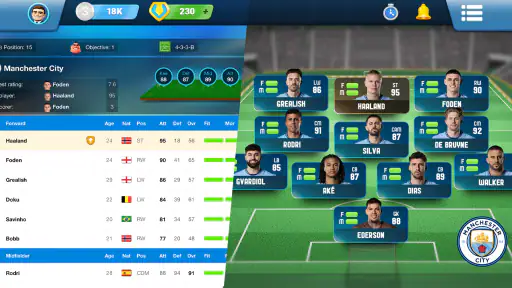
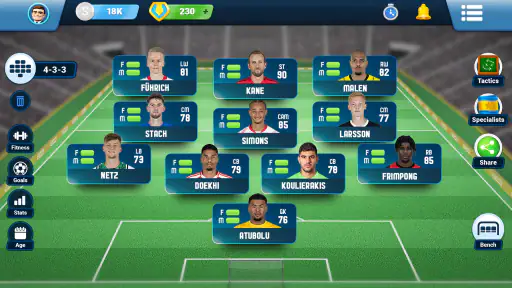
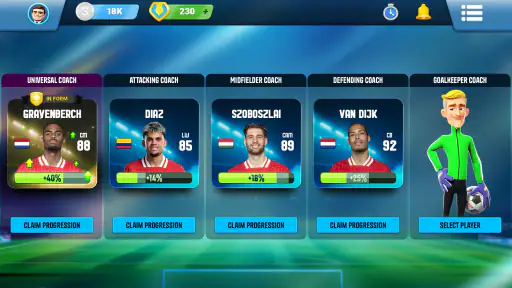
Now, managing a soccer team isn’t just about picking the players. You’re the mastermind behind every move. The game offers an intricate system where you can train your squad, make strategic decisions for matches, and even negotiate player transfers. It’s like being a real-life manager, minus the stress of real-world finances! What I love most is the depth of strategy involved. You’ll find yourself pondering over formations, analyzing opponents, and setting tactics to outsmart rival managers.
Gaming Stories You May Enjoy

Archery Battle 3D Review: Sharp Aiming, Unclear Feedback

Should You Switch to Geometry Dash Meltdown? A Test of Timing and Patience

Fidget Toys Trading・Pop It 3D: What Happens When the Game Stumbles

NBA LIVE Mobile Makes the Season the Main Event

Sonic Forces: PvP Battle Race - Speed and Strategy Combined

Unlocking the Secrets of Piano Game: Classic Music Song
The practical challenge is deciding how much to change before a match. I find it more useful to think in terms of priorities: is the squad’s preparation the concern, or do I need to reconsider the tactical approach? Making one focused adjustment at a time gives the next result more meaning. If I overhaul everything after a loss, a win afterward might feel good, but I won’t know which decision made the difference. That is a small discipline, yet it turns the game from a sequence of results into a learning process.
This is also where expectations matter. OSM gives me the satisfaction of planning, but it is not the same as a detailed football simulation in which I can directly steer each player through every passage of play. If I want the physical rhythm of a match, a control-based soccer game is a better fit. If I want to think about squad choices and tactics, OSM’s managerial angle is the point. The distinction helps avoid a common mismatch: judging a management game by how much direct action it puts on screen.
How the routine fits into a real day
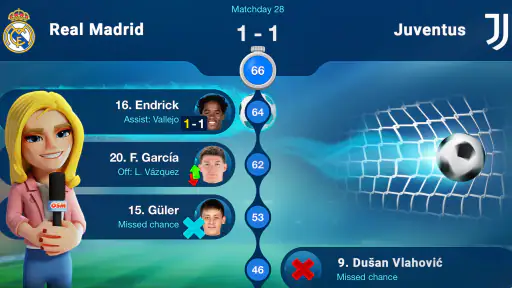
One of the standout features of the game is its immersive gameplay. It’s not just about the matches; it’s about the entire management experience. You’ll be involved in every aspect of your club, from upgrading facilities to handling club finances. The game even simulates real-world scenarios that managers face, like dealing with player injuries or handling media pressures. It’s these little details that make the game feel authentic and keep you coming back for more.
A realistic way I’d use it is to check in during a commute or a break, make the decisions I can handle in a few minutes, and leave the result to provide a reason to return. Later, I can look at what happened and choose whether to stick with the plan or adjust it. That rhythm is convenient if I enjoy an ongoing club project but don’t want every gaming session to demand a long stretch of uninterrupted attention. It can also be a drawback: if I’m in the mood to play continuously, a manager’s cycle of preparation and waiting may feel less immediately rewarding than a match I control myself.
There’s a useful trade-off in keeping a simple note of the decisions I’m testing. I don’t mean turning a casual game into homework; even remembering “I changed the formation after that poor result” is enough to stop me from making random adjustments. It helps when several parts of club management compete for attention, because I can focus on one issue instead of treating every setback as proof that the whole plan is wrong. The best decisions are often modest, not dramatic.
Competition, patience, and the next challenge
What’s a soccer game without a bit of competition? The OSM 24/25 Soccer Manager Game offers a fantastic community feature where you can join leagues and compete against friends or managers from around the globe. There’s something incredibly satisfying about climbing the ranks and proving your managerial prowess. Plus, the game frequently updates with new seasons and challenges, so there’s always something fresh to keep you engaged.
Playing against other managers changes the feel of a result. A win is not only a good day for my club; it is also a point of comparison with people making their own decisions. That can give a league a stronger sense of purpose than managing in isolation. It can also make the game less relaxing if I start treating every position as a verdict on my ability. I’d enjoy the competition most by setting a personal goal—improving my team’s consistency, for example—rather than expecting to dominate from the outset.
For a new player, the first stretch is a good time to learn the routine rather than spend impulsively or try to solve everything at once. I’d make a few considered choices, observe the outcome, and then decide what deserves attention next. Optional purchases are available, but the existence of a purchase menu doesn’t mean every player has to use it. If I’m cautious about in-app spending, I can keep that boundary clear and treat the game as a free download with optional extras, checking purchase prompts carefully instead of tapping through them on autopilot.
Compared with other sports games, OSM occupies a more patient corner of the genre. A fantasy sports game usually centres on selecting a roster and tracking its performance against real-world events; a hands-on soccer game centres on direct play. OSM instead asks me to take the manager’s seat and care about how club decisions shape a campaign. That makes it a stronger choice for people who like planning and rivalry than for players looking for quick goals, precise on-pitch controls, or a purely solo experience.
It is also worth being honest about who may not enjoy it. If I don’t care about tactics, squad decisions, or the longer arc of a club, the managerial layer can feel like work between the football moments. Someone who wants every session to have a definite beginning and ending may also prefer a self-contained match game. OSM works best when I’m happy to return to an ongoing situation, accept that not every decision pays off, and use the next result as information rather than as a guaranteed reward.
Who will enjoy the reset
The reset after a match is part of the appeal. I get feedback, decide whether my approach still makes sense, and begin the next stretch with a slightly better idea of what I want to test. A setback can sting, especially when I feel I made a thoughtful choice, but it gives the following session a clear question to answer. A win has its own pull: I want to see whether the plan can hold up again. That is the reason another session begins—not simply that there is more content, but that I have a club whose next decision still feels consequential.
For a casual player, that cycle can make OSM an easy game to revisit in short bursts. For a committed football fan, the attraction is the chance to make managerial calls and compare progress with other people. For a player who wants a tactical puzzle with no social competition, the club-management side may still be appealing, but the competitive layer is something to approach at a comfortable pace. The game’s broad audience doesn’t mean its style suits everyone; its strongest audience is people who enjoy a little patience between decision and payoff.
As a sports game, OSM leans on football knowledge without requiring me to treat every real-world detail as a test. I can come in with a favourite club and opinions, or use the game to explore a team I don’t usually follow. The key is to stay curious when my first instinct fails. A manager who changes plans based on what happened is more likely to find the loop satisfying than someone who expects a preferred lineup or tactic to work every time.
In conclusion, if you’re looking for a game that combines the passion of soccer with the art of management, then look no further. The OSM 24/25 Soccer Manager Game offers a rich, fulfilling experience that’s sure to captivate both casual players and hardcore soccer fans alike. So, lace up those virtual boots and start building your dream team today!
OSM 24/25 Soccer Manager Game Pros and Cons
Pros
- Realistic soccer management experience
- Extensive database of players and teams
- Engaging interface with detailed stats
- Regular updates with new features
- Multiplayer mode enhances competition
Cons
- Requires constant internet connection
- In-app purchases can be expensive
- Steep learning curve for beginners
- Limited offline features available
- Occasional lag in gameplay
This Game in Other Languages
Frequently Asked Questions
What is OSM 24/25 Soccer Manager Game about?
OSM 24/25 Soccer Manager Game is a strategic sports management game where players take on the role of a soccer team manager. Players can manage real soccer teams, make tactical decisions, transfer players, and compete against other managers worldwide. The game offers an immersive experience with detailed team management features, making it ideal for soccer enthusiasts.
Is OSM 24/25 Soccer Manager Game free to play?
Yes, OSM 24/25 Soccer Manager Game is free to download and play. However, it offers in-app purchases that can enhance the gaming experience by unlocking additional features or speeding up progress. Players can enjoy the core game without spending money, but optional purchases can provide certain advantages.
What platforms is OSM 24/25 Soccer Manager Game available on?
OSM 24/25 Soccer Manager Game is available on both Android and iOS platforms. Users can download it from the Google Play Store for Android devices and the Apple App Store for iOS devices. The game is optimized for mobile devices, ensuring a smooth gaming experience across different smartphones and tablets.
Can I play OSM 24/25 Soccer Manager Game offline?
No, OSM 24/25 Soccer Manager Game requires an internet connection to play. The game features online competitions and real-time updates, which necessitate being connected to the internet. This ensures players can interact with others globally and receive the latest updates for an engaging and competitive experience.
How do I improve my team in OSM 24/25 Soccer Manager Game?
Improving your team in OSM 24/25 Soccer Manager Game involves various strategies like training players, making strategic transfers, and setting effective match tactics. Participating in matches and winning leagues can also earn rewards to enhance your team's capabilities. The game requires a balance of strategy and management skills to build a successful team.


