

One Hand Clapping
- Reviews
- 4.2
- Version
- 1.0.51
- Installs
- 5,000+

Screenshots
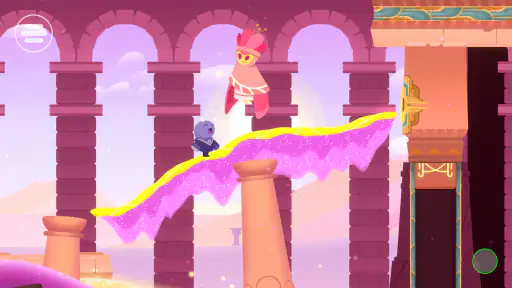
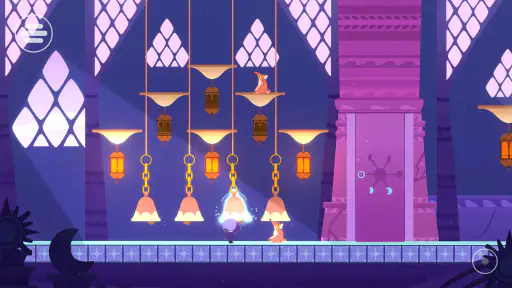
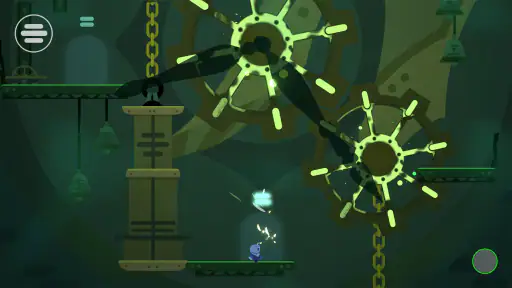
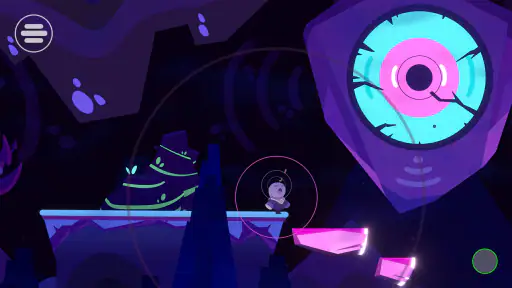
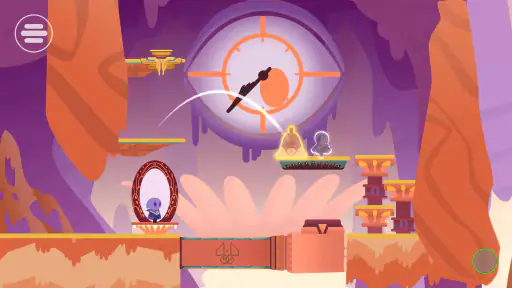

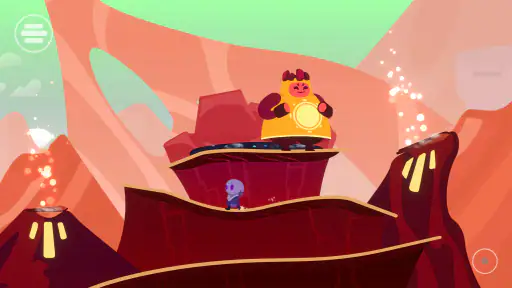
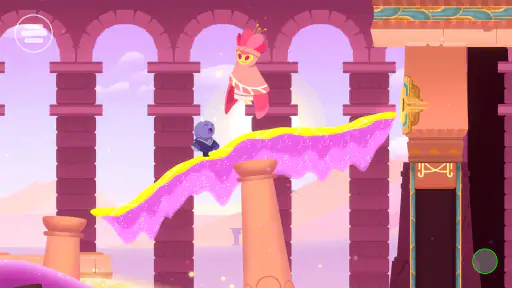
 Analysis by Frivlyz
I like the idea behind One Hand Clapping because it asks you to do something games rarely ask for: make sound yourself, then listen to how that sound changes what happens on screen. That turns a puzzle session into a small performance, even if your contribution is only a hum. It is a music game from HandyGames, but it feels less like a rhythm test and more like a playful invitation to try, listen, and adjust.
Finding your first note
The first action is simple in concept: use your voice to interact with the world instead of relying only on taps. You can sing, hum, or experiment with pitch, which makes the game approachable even if you do not think of yourself as a singer. I would start with a comfortable sound rather than trying to belt out a melody. The useful skill here is noticing whether a change in pitch or steadiness produces a different response, not hitting a perfect note.
That distinction matters if you are deciding whether this is for you. Someone looking for a conventional mobile music game built around matching a song’s beat may find the interaction unusual. Here, your voice is part of the puzzle-solving, so the fun comes from testing sounds and seeing what they do. It is a better fit for curious players who enjoy experimenting than for anyone who wants a quick score-chasing session with familiar rhythm-game rules.
How the voice-and-puzzle loop feels
In the world of One Hand Clapping, your voice is your superpower. The game invites you to solve puzzles not by tapping on your screen but by singing or humming into your device’s microphone. It’s like karaoke night meets brain teasers! Whether you’re a shower singer or a seasoned vocalist, this game encourages you to experiment with your voice in creative ways.
A world brought to life by sound
What really captivated me about this game was the vibrant and colorful world that reacts to every note you sing. Each level is like a new song, and you are the conductor. The visuals in the game are stunning, with every area offering a unique aesthetic that complements the musical theme. It’s an immersive experience where the visuals and audio work in harmony to create something truly magical.
The feedback rhythm is what gives each attempt its shape: make a sound, watch for a response, then alter the sound when the result is not quite right. I found that treating it like a conversation works better than singing continuously. Pause between attempts, keep one variable steady, and change only the pitch or the shape of your hum at a time. That makes it easier to tell what the puzzle is asking without turning the room into a stream of noise.
There is a practical trade-off to that microphone-led design. A quiet space helps, as does holding the device in a position where your voice is clear rather than muffled. If the game seems unresponsive, I would first lower nearby noise and try a steady, comfortable hum before assuming the puzzle needs a more complicated vocal trick. This is also why I would not choose it for a crowded commute or a shared room where you cannot comfortably make sound.
Gaming Stories You May Enjoy

Dancing Road Turns Short Breaks Into a Test of Rhythm and Timing

Super Stylist Makes Every Outfit a Test of Taste and Patience

Dominoes on Your Terms: Who Should Play and Who Should Pass

Pokémon GO Makes the Familiar World Feel New

Chess.com Turns Rematches Into Rivalries, but Community Has Its Costs

Archery Battle 3D Review: Sharp Aiming, Unclear Feedback
When a small breakthrough becomes the reward
I also loved how the game gently guides you through its mechanics. You don’t need to be a professional singer to enjoy it. The puzzles are cleverly designed to build your confidence and improve your singing skills as you progress. It’s a game that’s not just about winning but about enjoying the journey and discovering new ways to use your voice.
The reward is less about showing off a high score and more about understanding the relationship between your voice and the puzzle in front of you. A small adjustment can turn a stalled attempt into progress, and that moment feels personal because you made the sound that caused it. I would treat each solution as a hint for later play: remember whether a steady note, a rise in pitch, or a change in timing seemed useful, then test that idea rather than starting every challenge from scratch.
That makes the game a gentle choice for a short break at home, especially if you want something more active than watching a video but less competitive than a score-based music title. A realistic session might be trying a few puzzles after work, taking a pause when you start repeating the same sound without learning anything, then returning when you can listen with fresh attention. The pause is part of the loop, not a failure; it keeps experimentation from becoming frustration.
Who will enjoy making noise, and who may not
This game is perfect for all ages, making it a great choice for family game night. Kids will love the interactivity and the freedom to make noise, while adults will appreciate the more challenging puzzles and the soothing experience of using music as a problem-solving tool. It’s a fantastic way to unwind after a long day, and it’s also a great learning tool for anyone interested in music.
For a family, I would make sure everyone gets a turn in a setting where singing or humming will not bother other people. It can be a fun way to encourage a shy player to experiment without judging the sound as “good” or “bad.” Still, the Everyone age rating does not mean every household will find it equally convenient: younger players may need help getting comfortable with the microphone interaction, and anyone who dislikes making noise in front of others may prefer to play alone.
If you want a traditional rhythm game, a music library to perform along with, or a silent puzzle to play in public, I would choose a different option. This one is strongest when you are willing to listen closely and make a little noise. Compared with tapping through beat prompts, its voice-based puzzles feel more exploratory and less dependent on musical precision, but that also means the experience asks for patience when an attempt does not produce the result you expected.
Choosing the right moment to play
One thing you might want to keep in mind is that a quiet environment is essential for the best experience. The game relies heavily on your device’s microphone to pick up your voice, so background noise can interfere with gameplay. But once you’ve found your quiet corner, you’re in for a treat!
It is also worth thinking about where you will play before you start. At home, a quiet corner can make the voice feedback easier to interpret; on a bus, in a cafe, or beside someone who is trying to concentrate, the same mechanic can be awkward. If you are sharing a room, agree on a short turn-taking session rather than expecting uninterrupted play. These small choices make the microphone feel like a deliberate instrument instead of an obstacle.
One Hand Clapping costs $9.99, so I would think of it as a focused game to spend time with, rather than a free casual diversion to open for a minute. Its music-puzzle approach is the main reason to choose it; if you only want a familiar collection of songs or fast arcade scoring, the price is harder to justify. If the idea of shaping progress with your own voice appeals to you, the distinctive interaction gives the purchase a clear purpose.
When the loop invites another session
The loop works best when each attempt teaches you something: make a sound, notice the response, adjust, and enjoy the moment a puzzle gives way. Then you can stop, or begin another challenge with a better sense of how to listen. I find that a more satisfying reason to return than simply chasing a higher score, though it may not suit players who want constant action or immediate, obvious wins.
The game has an average rating of 4.2 from around 130 ratings, and it has been installed over 5,000 times. It was released in December 2021; version 1.0.51 requires at least Android 7.1. Those details place it as a relatively modest, paid music-game choice rather than a huge mainstream rhythm title. The rating is encouraging, but I would still base the decision on whether voice-controlled puzzles sound appealing to you, since that is the feature that defines the experience.
As a final practical question, do you need musical training? I would not treat that as a requirement: the appeal is trying sounds and learning from the game’s response, not proving that you can sing well. Do you need a quiet place? In my view, yes, if you want the microphone interaction to feel reliable and comfortable. Is it a good pick for every player? No. It is best for people who enjoy curiosity-led puzzles, can play somewhere they are free to make sound, and do not mind paying for a more unusual music experience.
In conclusion, One Hand Clapping is not just a game; it’s an experience that invites you to connect with music in a new way. It’s perfect for those who love to sing and want to try something different. So grab your phone, find a quiet spot, and get ready to embark on a musical adventure like no other. Trust me, you’ll be singing its praises long after you’ve put it down!
One Hand Clapping Pros and Cons
Pros
- Interactive voice-controlled gameplay
- Unique puzzles enhance cognitive skills
- Visually appealing art style
- Encourages creative thinking
- Suitable for all age groups
Cons
- Requires a quiet environment
- Limited replay value
- Microphone sensitivity issues
- May not support all devices
- Needs stable internet connection
Frequently Asked Questions
What is One Hand Clapping and how does it work?
One Hand Clapping is an innovative puzzle platformer game that utilizes your voice as the main control mechanism. Players solve puzzles by singing or humming into their device's microphone. The game emphasizes creativity and self-expression, allowing players to explore a vibrant world while using their voice to interact with the environment. It's a unique experience that combines music and gameplay in an engaging way.
Do I need to have any special singing skills to play One Hand Clapping?
No special singing skills are required to enjoy One Hand Clapping. The game's design encourages players to use their voice creatively, regardless of musical ability. It focuses on fun and experimentation, allowing you to hum, sing, or even make sounds to solve puzzles. The game is accessible to all, making it suitable for players of any skill level. It’s about enjoying the process rather than being pitch-perfect.
What are the system requirements for One Hand Clapping on Android and iOS?
One Hand Clapping requires an Android device running version 6.0 or higher, or an iOS device running iOS 10.0 or later. It also requires access to the device's microphone for voice input. Ensure you have sufficient storage space for the app download and installation, which is typically around 500 MB. For the best experience, use a device with a good quality microphone and speakers.
Is there a multiplayer mode available in One Hand Clapping?
One Hand Clapping is primarily designed as a single-player experience. It focuses on individual gameplay using your voice to interact with the game's environment. There is no dedicated multiplayer mode, but players can enjoy the game together by taking turns and solving puzzles collaboratively, making it a fun and social experience for friends and family to enjoy together.
What kind of puzzles can I expect in One Hand Clapping?
The puzzles in One Hand Clapping are designed to engage your creativity and musical skills. They range from altering platforms by changing pitch to creating bridges with your voice's volume. The game presents a variety of challenges that require players to experiment with different vocal techniques. Each puzzle is crafted to enhance the musical journey, encouraging exploration and vocal expression throughout the gameplay experience.


