

One Deck Dungeon
- Reviews
- 3.5
- Version
- 1.6.7
- Installs
- 50,000+

Screenshots
 Analysis by Frivlyz
I like One Deck Dungeon most when I treat it as a compact strategy challenge rather than a full-length role-playing adventure. It turns the familiar idea of exploring rooms, facing monsters, and pushing toward a boss into a focused board game for one, with dice and tough choices doing the work a larger party and campaign might do elsewhere. That makes it easy to pick up for a short play session, but it also means the experience depends on enjoying tactical decisions under uncertainty. If you want a sprawling story or a relaxed game where every plan succeeds, this is probably not your dungeon.
A small adventure with meaningful decisions
The appeal is in how the game asks you to weigh immediate survival against future options. An encounter is not simply something to clear before moving on: the dice you commit and the resources you spend affect what you can handle next. I find that decision-making more interesting than the fantasy theme alone. A promising roll can still leave an awkward gap, and choosing how to deal with it is often the real puzzle.
That makes the digital format especially practical. The game handles the arithmetic and rules bookkeeping, so I can focus on the choices rather than repeatedly checking totals or moving physical pieces. This is a useful advantage over setting up the tabletop version when I only have a little time or space. At the same time, anyone who enjoys physically rolling dice and managing cards by hand may find the app less satisfying; convenience and tactile presence are not the same thing.
Who will get the most from it
I would recommend it to players who like solo board games, compact roguelike runs, and decisions where luck matters but does not remove the need to plan. It can also suit someone curious about tabletop-style dungeon crawls who wants a guided way to learn the basic rhythm before deciding whether a physical game is appealing. The tutorial helps with the entry point, while the choices become more demanding as you learn to manage a run.
It is a less natural fit for people who want a story-led RPG, a persistent world to explore at leisure, or a multiplayer session built around conversation. The premise is focused on the run itself, not on long scenes, character dialogue, or a group campaign. If I am in the mood to build a character over many hours or share a board game around a table, I would choose something designed for that instead.
Getting to Know the Game
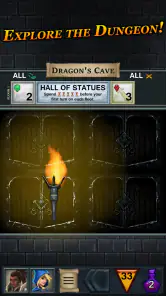
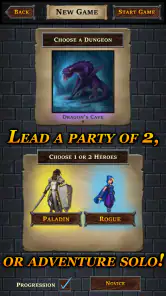
So, what exactly is One Deck Dungeon? Imagine having the thrill of a tabletop RPG right in your pocket. This app is a digital adaptation of the popular physical board game, which means it's all about strategy, dice, and a bit of luck. You choose your hero, dive into a dungeon, and face off against various monsters and traps. The goal? Survive long enough to defeat the boss and emerge victorious.
Gameplay Mechanics
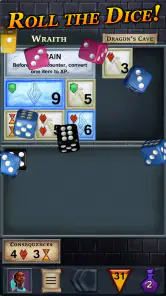
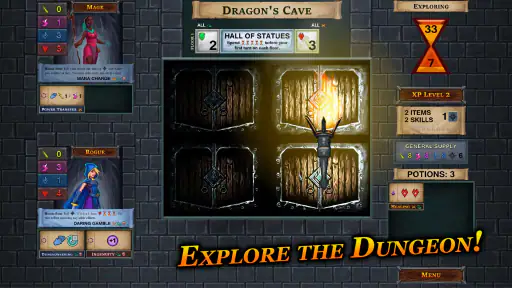
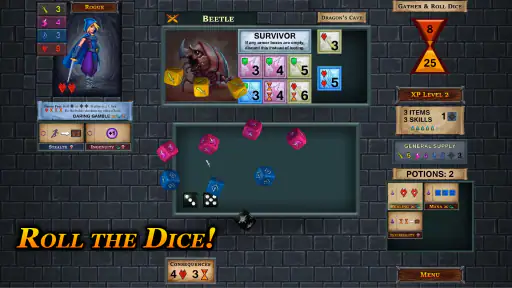
The gameplay revolves around dice rolls, which determine the outcome of your encounters. Each hero has unique abilities that can turn the tide of battle. The app does a fantastic job capturing the tactile feel of rolling dice, without the worry of losing them under the couch! The digital format also takes care of all the math for you, so you can focus more on your strategy rather than getting bogged down with calculations.
Gaming Stories You May Enjoy

Dancing Road Turns Short Breaks Into a Test of Rhythm and Timing

Super Stylist Makes Every Outfit a Test of Taste and Patience

Dominoes on Your Terms: Who Should Play and Who Should Pass

Pokémon GO Makes the Familiar World Feel New

Chess.com Turns Rematches Into Rivalries, but Community Has Its Costs

Archery Battle 3D Review: Sharp Aiming, Unclear Feedback
The learning curve is relatively gentle. The app provides a tutorial to get you started, which is a lifesaver if you're new to this type of game. Once you're familiar with the basics, you can dive deeper into the more complex strategies that make this game so engaging. Trust me, once you start figuring out combos and planning your moves several turns ahead, you’ll be hooked.
Planning a run around real life
A good way to approach a session is to play when you can give a run your attention, even if you do not have time for a long evening of gaming. For example, I might start one during a quiet break at home, pause between decisions if something interrupts me, and return when I can think through the next encounter. The short-run structure suits that stop-and-start rhythm better than an RPG that expects me to remember a long chain of story events.
My practical tip is to avoid spending a useful ability just because it makes the current obstacle look easier. Before committing, I check what the dice and the encounter demand, then consider whether keeping a resource could make a later problem manageable. That habit does not guarantee a win—luck remains part of the design—but it makes losses feel more like the result of a choice I can learn from than a string of unexamined rolls.
Where the format has limits
The same compactness that makes the game convenient can also make it feel narrow. Its focus stays on resolving encounters and managing a run, so players looking for varied exploration, substantial narrative, or a broad collection of activities may run out of novelty sooner than solo-board-game fans. Repetition is part of the roguelike appeal, but it works best when you enjoy improving your decisions rather than needing every attempt to reveal a new story.
There is also a genuine tension between randomness and control. Planning matters, yet a poor result can still force an uncomfortable trade-off. I enjoy that pressure when I have time to think, but it can feel frustrating if I want a dependable, low-stress game after a tiring day. The tutorial lowers the initial barrier; it cannot make every consequence obvious at first, so I would expect a little trial and error before the choices feel intuitive.
How it compares with other board games
Against a conventional mobile puzzle game, this is more involved: the dice, hero abilities, and encounter choices create a connected series of decisions instead of a single self-contained problem. Compared with a physical solo board game, the app is faster to get going and handles the calculations, but gives up some of the pleasure of laying out components and rolling dice yourself. It occupies a useful middle ground for someone who wants tabletop-style decisions without a table, setup, or another player.
That comparison also helps clarify what to buy it for. If the physical ritual is the main attraction, the board-game version is the better match. If you want a portable way to learn the system or fit a solo challenge into an ordinary day, the digital version makes more sense. I would not choose it as a substitute for every kind of RPG or board game; its appeal is specifically the tight loop of managing a hero through a dangerous run.
Practical details before you begin
Handelabra Games developed this board game, which is rated Everyone 10+ and costs $6.99. It has an average rating of 3.5 from around 1.1 thousand ratings, with about 221 written reviews and over 50 thousand installs. The current version is 1.6.7, and it requires Android 7.0 or later. Those figures place it as a paid, established niche game rather than a free casual time-killer; I would decide based on whether solo tactical play is already appealing to you.
There are in-app purchases priced from $0.99 to $6.99 per item, so it is sensible to check what is offered in the version you are considering before spending beyond the initial purchase. The game’s basic pitch is a self-contained dungeon run, but I would not assume that every piece of optional content is included in the upfront price. If you prefer to pay once and never see add-on offers, that detail may affect your choice.
For someone new to the style, the tutorial is the sensible starting point; it lets you learn the encounter flow before trying to optimize every move. More experienced players can use early runs to test how a hero’s strengths change the way they handle dice and resources. I also recommend judging the game after several attempts rather than one unlucky outing: the appeal is partly in recognizing how a decision could be improved, not simply in reaching the boss every time.
Visuals and Sound
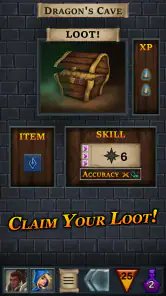
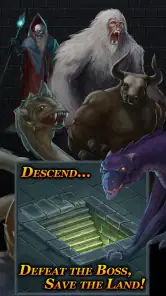
Visually, the app is a treat. The artwork is vibrant and detailed, capturing the fantasy theme perfectly. Each dungeon and monster is distinct, which helps keep the experience fresh as you delve deeper into the game. The sound design complements the visuals nicely, with atmospheric music that ramps up the tension as you progress through the levels.
Why It's Worth Your Time
One of the best aspects of One Deck Dungeon is its replayability. With multiple heroes to choose from and a variety of dungeons to conquer, no two games are ever the same. This keeps the experience fresh and exciting, making it easy to lose track of time as you try "just one more run." Also, the game doesn’t require an internet connection, so it’s perfect for those commutes or when you're off the grid.
In conclusion, if you're a fan of RPGs and love the idea of a quick, strategic challenge, then One Deck Dungeon is definitely worth checking out. It's a game that respects your time while still offering depth and excitement. The app brings the board game experience to life brilliantly, making it a must-have for any mobile gaming library. So, go ahead, give it a shot, and see if you have what it takes to conquer the dungeon!
One Deck Dungeon Pros and Cons
Pros
- Easy-to-learn mechanics.
- Solo and cooperative play.
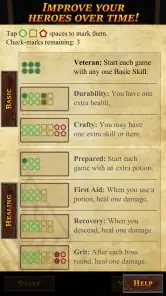
- Variety of heroes and skills.
- Challenging gameplay.
- Great replay value.
Cons
- Limited storyline.
- Repetitive dungeons.
- Lack of online multiplayer.
- Randomness affects strategy.
- Occasional bugs.
Frequently Asked Questions
What is One Deck Dungeon?
One Deck Dungeon is a digital adaptation of the popular tabletop game, where players take on the role of adventurers exploring dungeons. The game involves strategic card play and dice rolling, offering a solo or cooperative experience. It's available on both Android and iOS platforms, capturing the essence of dungeon-crawling in a compact, mobile-friendly format.
How do you play One Deck Dungeon?
In One Deck Dungeon, players choose a character and venture into a dungeon filled with monsters, traps, and treasures. The game uses a combination of dice rolling and card management to simulate the challenges of dungeon exploration. Players must allocate their dice to overcome obstacles and defeat monsters, with the goal of surviving until the dungeon boss is defeated.
Is One Deck Dungeon suitable for beginners?
Yes, One Deck Dungeon is designed to be accessible for beginners while still offering depth for experienced players. The game includes a tutorial to help new players understand the mechanics. Its straightforward rules make it easy to pick up, yet the strategic elements provide a satisfying challenge as players progress through different dungeons.
Can One Deck Dungeon be played offline?
Yes, One Deck Dungeon can be played offline once it is installed on your device. This makes it a great option for gaming on-the-go, as you don't need a constant internet connection to enjoy the game. Whether you're on a commute or in a location without Wi-Fi, you can continue your dungeon adventures without interruption.
Are there in-app purchases in One Deck Dungeon?
One Deck Dungeon does offer in-app purchases. These typically include additional content such as new characters and dungeons, which enhance the gameplay experience. While the base game provides a complete experience, these optional purchases allow players to expand their adventures and try new strategies, keeping the game fresh and engaging.


