

Once Human
- Reviews
- 4.2
- Version
- 1.0.12
- Installs
- 1,000,000+

Screenshots
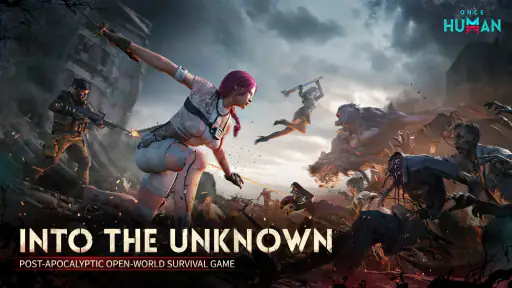
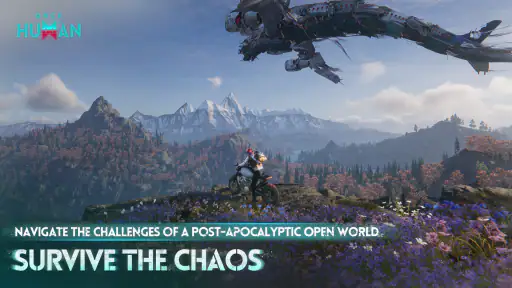
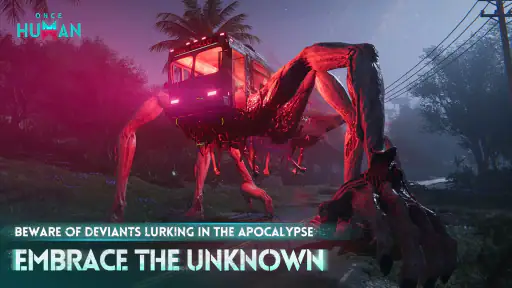

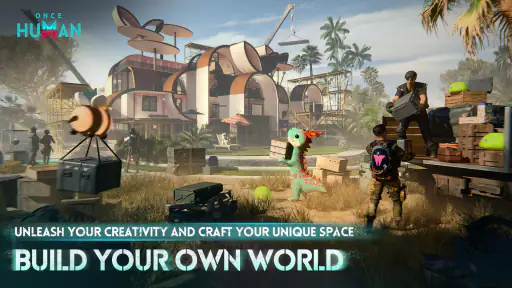
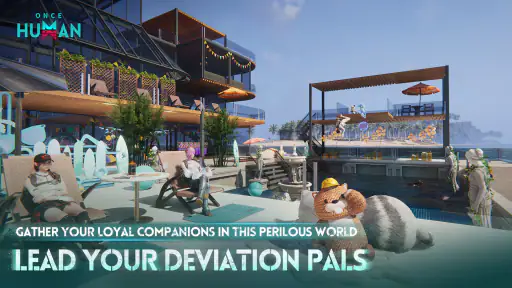
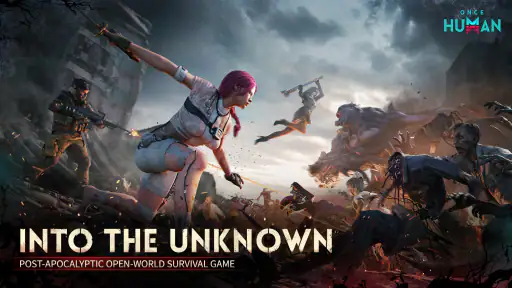
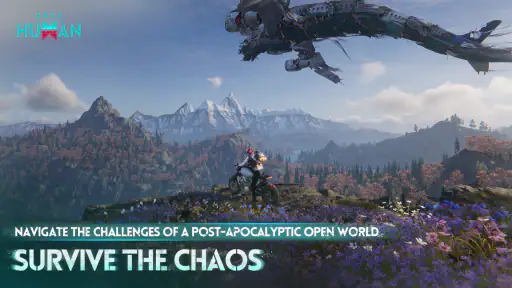
 Analysis by Frivlyz
What caught me off guard about Once Human is how strongly its mood shapes the way I approach survival. I don’t just read the ruined landscape as scenery: its uneasy quiet makes me slow down, look around, and think twice before moving on. That’s a useful fit for players who enjoy exploring at their own pace, but it can feel heavy if you want a bright, fast-moving adventure. The game’s post-apocalyptic setting gives its resource gathering and danger a common purpose, so the world and the decisions I make in it feel connected.
A first impression built on unease
Once Human is an adventure game from Exptional Global, and its central appeal is the tension between curiosity and caution. I find myself wanting to investigate an unfamiliar place while also asking whether I have enough supplies to deal with what might be there. That push and pull makes ordinary movement feel meaningful: exploring is not just sightseeing, because what I notice can affect how prepared I am for the next challenge.
The presentation is at its best when it lets the setting do some of the storytelling. Rather than needing constant explanation, a derelict place or an oddly quiet stretch of terrain can make me imagine what happened before I arrived. That restraint helps the world feel unsettling without turning every moment into a dramatic set piece. It also means the experience suits players who enjoy piecing together a place’s history through exploration more than those who need frequent, direct story explanations.
How the ruined world communicates
The visual language leans on contrast: signs of human life sit within a landscape that feels changed and unpredictable. I like that this gives exploration a readable emotional tone. A familiar-looking structure can make me curious, while its surroundings remind me not to assume it is safe. The result is a world that encourages attention rather than simply asking me to travel from one objective to another.
That atmosphere is a strength, though it also asks for patience. If I am in the mood for a compact adventure with a tightly guided route, the open-ended survival frame may feel less focused. I would choose this when I want room to wander and make small decisions about what to investigate, carry, or prepare. I would look elsewhere when I want every session to deliver a brisk sequence of clearly directed story beats.
Sound that changes my pace
The audio works most effectively as a reason to listen before acting. Environmental sounds can make a quiet moment feel uncertain, and that changes how I move through a place: I am more likely to pause, scan, and avoid rushing into an unfamiliar area. This kind of sound design does not need to dominate the mix to matter; its value is in making silence and distant activity feel like part of the survival challenge.
For a practical routine, I would play somewhere I can hear the game clearly and give myself time to settle into its slower, watchful rhythm. If I am checking in for a very short break with the sound off, some of that tension may be lost. The game’s mood is not a substitute for its survival decisions, but it makes those decisions feel more personal: preparation matters because the world seems capable of surprising me.
Gaming Stories You May Enjoy

Dancing Road Turns Short Breaks Into a Test of Rhythm and Timing

Super Stylist Makes Every Outfit a Test of Taste and Patience

Dominoes on Your Terms: Who Should Play and Who Should Pass

Pokémon GO Makes the Familiar World Feel New

Chess.com Turns Rematches Into Rivalries, but Community Has Its Costs

Archery Battle 3D Review: Sharp Aiming, Unclear Feedback
Survival choices and who they suit
The basic survival loop asks me to gather resources, make useful gear, and think about shelter rather than treating combat or travel as the whole experience. A helpful habit is to decide what I want a session to accomplish before setting out: collecting materials, exploring a new area, or improving my readiness. That simple focus can keep an open-ended session from turning into aimless wandering, especially when several demands compete for attention.
Multiplayer changes the feel of that loop. Sharing the wider experience with other players can make a threatening setting feel less solitary, while playing independently puts more weight on my own preparation and pace. I would not assume that playing with others removes the need to plan; teamwork is most useful when people agree on a purpose instead of scattering without a shared goal. If social coordination sounds like a chore, a more self-contained survival game may be a better match.
Compared with the usual alternatives in the survival genre, Once Human puts unusual emphasis on maintaining a coherent, eerie mood alongside resource management. Some survival games are better if I mainly want construction to be the reward, while others suit me more when I want a tightly scripted campaign. Here, I would come for the combination of exploration, preparation, and an unsettling world. That balance is appealing, but it is not a universal upgrade: the atmospheric approach can make the game feel less immediately energetic than action-first options.
The World of Once Human: A New Reality
From the moment you launch Once Human, you’re transported to a world that’s both eerie and captivating. The developers have crafted a setting that feels alive, yet hauntingly desolate. As you navigate through the remnants of a civilization, the attention to detail is striking. Every corner you turn is filled with remnants of a world that once was, now overtaken by nature and mystery.
The game narrative is compelling, drawing you into a story where humanity is on the brink of extinction. You’re not just surviving; you’re uncovering the secrets of what led to this downfall. The environmental storytelling is top-notch, with clues scattered around that piece together the game’s rich lore.
Gameplay: Survive and Thrive
Survival mechanics in Once Human are both challenging and rewarding. You start with nothing and must scavenge for resources, craft tools, and build shelters to protect yourself against the threats lurking in the shadows. The crafting system is robust, allowing for a variety of strategies and playstyles. Whether you’re a lone wolf or prefer teamwork, the game accommodates different approaches to survival.
One thing that stands out is the dynamic weather system. It’s not just a visual treat but also impacts gameplay. A sudden storm can hinder visibility and movement, making every decision critical. This unpredictability keeps you on your toes and ensures no two playthroughs are the same.
Graphics and Soundscape
Graphically, Once Human is a beauty. The landscapes are both stunning and terrifying, capturing the essence of a world in ruins. The use of lighting and shadows enhances the atmosphere, making every exploration feel like a descent into the unknown.
Complementing the visuals is the game’s sound design. The ambient noises, from the rustling of leaves to distant growls, immerse you deeper into the world. It’s this meticulous attention to audio detail that heightens the tension, especially when you’re exploring at night.
Living with the tension
That blend of visual unease and environmental sound shapes how I would use the game in an ordinary week. If I have a longer evening free, I can settle into a session, choose a practical goal, and let exploration unfold at a deliberate pace. On a busy day, I might instead spend a shorter stretch sorting out what I need and preparing for a later outing. The key is not to treat every session as a race to cover ground; the setting rewards attention, and rushing can make its strongest qualities easy to miss.
For someone deciding whether to start, the useful question is not simply whether survival games are appealing. It is whether the combination of open-world exploration and a dark, watchful tone sounds enjoyable. I would recommend it to players who like managing supplies while investigating a place, and to friends who enjoy comparing discoveries or working toward a shared aim. I would skip it if I wanted a light game to dip into without concentration, or if resource gathering and preparation already feel like chores rather than satisfying parts of play.
Practical trade-offs before settling in
Because the game is free to play and includes in-app purchases, I would approach optional spending deliberately: first decide whether the core rhythm is enjoyable, then consider whether anything extra is worth it to me. The available purchases range from $0.99 to $99.99 per item, so there is a wide gap between the smallest and largest listed options. I would not treat spending as a requirement for enjoying the premise, and I would set a personal limit before browsing purchase choices.
It is rated Teen, which gives families a useful starting point when deciding whether its themes and tense atmosphere suit a younger player. I would still make that decision with the individual in mind: a post-apocalyptic setting and survival pressure can feel more intense to one person than another. On the technical side, the current version is 1.0.12 and the minimum Android requirement is 5.0. I would check that my device meets the requirement before planning to play, and leave room for the game’s visuals and online play to be comfortable on my particular setup.
A common concern with a multiplayer survival game is whether it can still appeal if I prefer to play alone. The survival premise has room for a more independent approach, but the shared-world framing means I would choose it for a mix of solitary exploration and the possibility of encountering or coordinating with others, not for a guaranteed private, story-only experience. If I want a fully contained campaign with no multiplayer element, a single-player adventure is the safer choice. If I like the idea of making my own plans in a world that other players also inhabit, this setup is more compelling.
Small habits that make exploration smoother
I find it useful to think of preparation as a way to protect the mood, not as busywork to clear before the “real” game begins. Before an outing, I would check what I am trying to accomplish and avoid carrying a vague plan into the world. When weather can interfere with movement or visibility, taking a moment to reassess rather than stubbornly following the same route is a sensible trade-off. A detour may cost time, but staying flexible is part of responding to a world that does not always cooperate.
Another practical tip is to give environmental clues time to register. If every unusual detail is treated as decoration, the story can feel thinner than it is; if I pause to notice what a location suggests, exploration becomes more rewarding. I would also avoid judging the game’s pace by a single short session. Its appeal comes from the way atmosphere, survival choices, and discovery build on one another, so it is easier to evaluate after I have had time to experience that combination rather than only sampling the opening mood.
There is a real trade-off between immersion and convenience here. Playing with sound and attention focused on the environment can make the world feel far more involving, but that asks for a calmer setting and a bit of uninterrupted time. A player who needs a quick, low-attention distraction may find the same qualities inconvenient. I see that as a matter of fit, not a flaw that can be solved by forcing myself to play in a different mood.
Who should make room for it
Once Human has reached more than a million installs, with an average rating of 4.2 from around 47,000 ratings and about 2,200 written reviews. Those figures suggest that many players have tried it, but they are not a substitute for matching its particular rhythm to your tastes. It is free, which makes trying the premise easier, while the Teen content rating and optional purchases are worth keeping in mind before sharing it with someone else.
I would choose it over a more action-first adventure when I want to feel cautious and curious at the same time. I would choose a construction-focused survival game when building is my main pleasure, or a guided narrative game when I want a clear sequence of story events. This one sits between those expectations: it uses survival preparation to give exploration weight, and its unsettling presentation makes even quieter stretches feel purposeful. That combination is the reason I would recommend it, and also the reason I would not recommend it to everyone.
Final Thoughts
Once Human is more than just a survival game; it’s an experience. It combines storytelling, strategy, and suspense in a way that few games manage. Whether you’re a veteran of the genre or a newcomer, there’s something here that will captivate you.
In the vast sea of survival games, Once Human stands out with its unique blend of narrative depth and immersive gameplay. It’s a game that challenges you to adapt, think, and ultimately, survive in a beautifully crafted, yet unforgiving world.
My recommendation is to give it a try if you enjoy reading a landscape, planning before you move, and letting tension build through sound and setting rather than constant action. If you prefer a tightly directed story or a quick session that asks little attention, I would pick a different kind of adventure. For me, its strongest achievement is that the atmosphere is not separate from survival: it changes how I explore, prepare, and respond. That makes the world memorable, provided its deliberate pace is the kind of challenge you want.
Once Human Pros and Cons
Pros
- Stunning graphics and immersive environment
- Dynamic weather and day-night cycle
- Engaging combat mechanics
- Comprehensive crafting system
- Open-world exploration
Cons
- High system requirements
- Occasional bugs and glitches
- Steep learning curve
- Requires constant internet connection
- Limited character customization
This Game in Other Languages
Frequently Asked Questions
What is Once Human and what is its main objective?
Once Human is a survival game set in a post-apocalyptic world where players must gather resources, build shelters, and fend off various threats to endure in a hostile environment. The main objective is to survive and thrive by exploring the world, collaborating with other players, and overcoming challenges posed by the environment and creatures.
Is Once Human available on both Android and iOS platforms?
Yes, Once Human is available for download on both Android and iOS devices. Players can find the game on the Google Play Store for Android devices and the Apple App Store for iOS devices. Ensure your device meets the minimum system requirements to enjoy a smooth gaming experience.
Does Once Human offer multiplayer functionality?
Once Human features multiplayer capabilities, allowing players to team up with friends or other online players. This feature enhances the gaming experience by promoting collaboration and strategy, as players can share resources, build communities, and tackle challenges together, making survival more manageable and enjoyable.
Are there in-app purchases in Once Human?
Yes, Once Human offers in-app purchases which players can use to enhance their gameplay experience. These purchases may include cosmetic items, resource packs, or other boosts that can help in-game progress. However, all essential gameplay features are accessible without spending money, ensuring a fair experience for all players.
What age rating is Once Human suitable for?
Once Human is rated for players aged 12 and above due to its survival themes and mild violence. Parents should be aware of these elements and use discretion when allowing younger children to play. The game promotes strategic thinking and cooperation, which can be beneficial for older children and teenagers.


