

Old School RuneScape
- Reviews
- 4.1
- Version
- 230.4
- Installs
- 5,000,000+

Screenshots
 Analysis by Frivlyz
Old School RuneScape is an unusual fit for a phone: a sprawling fantasy role-playing game whose appeal comes less from spectacle than from taking your time. I find that distinction important when deciding whether to install it. Its familiar, pared-back presentation can be easier to follow than a screen crowded with elaborate effects, but the game also asks you to read, tap, and manage several kinds of activity. Whether that feels comfortable depends on how you use your device and what you want from an adventure.
Reading the world and finding your way
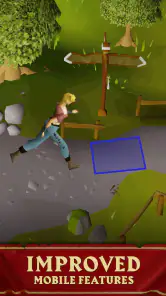
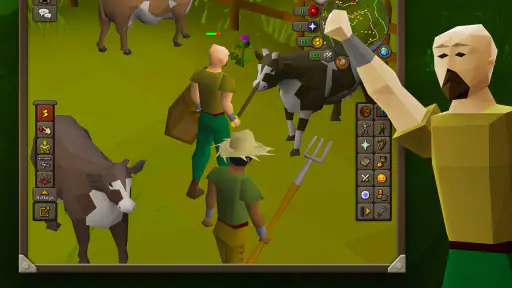
The game’s deliberately old-fashioned look gives its environments a clear, uncluttered character. I can usually focus on the nearby task rather than trying to parse layers of visual decoration. That simplicity is not the same as modern accessibility design, though: small interface elements and a large world can still take attention, and new players may need time to understand where to go or what an activity expects.
For me, the best way to approach a session is to choose one modest goal before setting out: work on a skill, explore a nearby area, or make progress on a quest. That turns an open-ended world into a manageable route and makes it easier to stop without feeling lost. A guide can help when a quest’s next step is unclear, but following one too rigidly can also remove the pleasure of figuring things out. I prefer checking help only when I’m genuinely stuck.
Touch, sound, and different play styles
On a touchscreen, actions that require accurate taps or repeated input can be more demanding than the game’s relaxed pace suggests. I would not assume every activity feels equally comfortable on a phone: slower exploration and routine tasks are easier to fit into mobile play than a moment when I need to react quickly. If touch controls are tiring or imprecise for you, it is worth choosing calmer activities and taking breaks rather than treating every session as a test of speed.
The nostalgic music and restrained visuals are part of the game’s identity, but they do not have to be the reason you play. I can enjoy its world through the quests, character progression, and familiar routines even when I’m not focusing on the soundtrack. In a noisy place, or when I want a quieter session, I can keep the experience low-key; the trade-off is that sound and visual cues may be less noticeable, so I need to pay attention to what is happening on screen.
When mobile play fits—and when it doesn’t
This is easiest to recommend to someone who enjoys long-term character progression, patient exploration, and setting their own pace. It can suit a quiet stretch at home or a spare period when you have enough time to settle into a goal. It is less convincing as a game to open for a few seconds in the middle of a busy task: even a simple objective can turn into a chain of travel, inventory decisions, and distractions from the wider world.
Compared with many mobile fantasy adventures that emphasize quick battles and a guided sequence of stages, this one feels more like a persistent world to return to. That freedom is a strength if you like deciding what matters today; it can be a weakness if you want clear instructions, short self-contained missions, or immediate action. I also would not choose it for a player who expects modern-looking graphics or who dislikes repeating activities while working toward a longer-term goal.
Gaming Stories You May Enjoy

Dancing Road Turns Short Breaks Into a Test of Rhythm and Timing

Super Stylist Makes Every Outfit a Test of Taste and Patience

Dominoes on Your Terms: Who Should Play and Who Should Pass

Pokémon GO Makes the Familiar World Feel New

Chess.com Turns Rematches Into Rivalries, but Community Has Its Costs

Archery Battle 3D Review: Sharp Aiming, Unclear Feedback
Getting Started: A Journey Back in Time
Downloading Old School RuneScape is like opening a time capsule. Once you're in, the app greets you with the same iconic RuneScape theme music, instantly transporting you to a simpler time. Setting up an account is straightforward, and if you’ve ever played the original, you’ll find your way around in no time. For newcomers, there’s a brief tutorial to get you up to speed on the basics of mining, crafting, and combat.
Gameplay: Classic Adventures Await
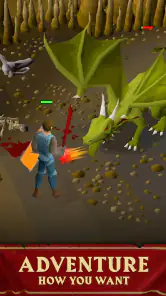
Old School RuneScape holds firm to its roots, boasting the same gameplay mechanics that made it a hit back in the day. The open world of Gielinor is vast, filled with quests, monsters, and treasures waiting to be discovered. The game encourages exploration and interaction, with hundreds of quests that range from simple fetch quests to intricate story-driven adventures. You’ll find yourself mining for ore one moment and battling dragons the next.
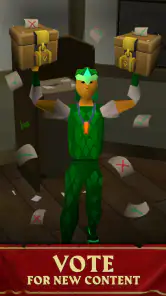
What sets this game apart is its community-driven development. Players have a say in what updates are rolled out, voting on proposed changes. This keeps the game evolving while maintaining its old-school charm. Every decision feels impactful, and knowing that the community is shaping the future of the game adds a unique layer of engagement.
Graphics and Sound: A Nostalgic Charm
Let’s be real—if you’re diving into Old School RuneScape, you’re not here for cutting-edge graphics. The visuals are exactly as you remember: pixelated, blocky, and utterly charming. It’s a style that might not appeal to everyone, but for those who grew up with it, it’s like a warm hug from a long-lost friend. The soundtrack is equally nostalgic, with tunes that evoke memories of epic adventures and friendships formed in the virtual world.
A Community Like No Other
One of the standout features of Old School RuneScape is its community. Whether you’re a seasoned player or a newbie, the community is incredibly welcoming and helpful. There are countless forums, guides, and YouTube channels dedicated to helping players optimize their gameplay. Plus, the in-game chat is always buzzing with players looking to team up, trade, or simply chat about their latest exploits.
There’s something special about being part of a game where the community actively participates in its development. It’s not just about playing a game; it’s about being part of an ever-evolving story that you can influence. This level of engagement is rare these days, and it makes Old School RuneScape stand out in the crowded MMORPG market.
What to expect before committing
It is free to start, and Jagex Games Studio’s adventure has a Teen content rating. That makes trying the basic experience a low-pressure decision for an interested player, though the game’s scale means a first session can be more about learning its rhythms than reaching a dramatic payoff. The current version is 230.4, and it needs Android 8.0 or later. The game has a 4.1 average from around 130,000 ratings and more than 5 million installs, signs of a substantial audience but not a guarantee that its slow, hands-on style will suit everyone.
Optional in-app purchases range from $7.49 to $99.99 per item, so I’d decide what I want from the free experience before considering spending. The important practical question is not simply whether a purchase exists, but whether I’m enjoying the game’s ordinary loop without one. If I’m still unsure after a few sessions, I’d keep playing free rather than treating a purchase as a shortcut to making the game click.
A more comfortable way to play
One useful habit is to separate discovery from efficiency. On a first visit to a new area, I would let myself look around and learn its layout; on a later visit, I could follow a specific task or guide. This avoids turning every session into a checklist while still giving me a way out when I lose track of a quest. It is especially helpful for someone who finds a very open map overwhelming: a small destination and one clear task are easier to hold in mind than trying to “see everything.”
Another trade-off is that advice from other players can make a complicated task less confusing, but optimization guides can encourage a pace that feels like work. I’d use them selectively: check a particular step, then return to exploring on my own. The game’s community can be a practical resource as well as a social feature, but I would not assume that every player wants to chat or join a group. A solo, self-directed approach remains a reasonable way to enjoy the world.
Everyday sessions and practical limits
Imagine having a quiet half-hour at home and wanting something more absorbing than a quick arcade round. I might pick one skill or quest objective, make progress, and leave the next step for another day. That kind of stop-and-return rhythm suits a world built around gradual development. By contrast, if I have only a brief pause between errands, I’d choose a game with a clearer short-session endpoint; the open-ended nature here can make a quick check-in expand into more planning than I intended.
There is also a difference between being able to play on a phone and finding every part comfortable on one. A small screen can make careful tapping and reading more effortful, especially during longer sessions. I’d keep the device steady, use a comfortable environment, and avoid pushing through fatigue. Players who rely on larger text, very precise input, or strong on-screen contrast should be particularly cautious about whether the interface works for them in practice; a simple visual style alone does not resolve those needs.
Who will get the most from it
I’d recommend it to curious newcomers who enjoy gradual goals as much as to returning players who want that familiar world in their pocket. It is a stronger choice for someone who likes exploring at their own pace than for someone looking for a tightly directed story or constant action. The Teen rating is also worth keeping in mind when choosing a game for a younger player, alongside the fact that this is a shared online world where community interaction is part of the experience.
If accessibility and comfort are deciding factors, I would treat a short trial as a real test rather than assume the game’s age or simple graphics make it easy for everyone. Notice whether reading, tapping, and keeping track of the next objective feel manageable, and whether the sound and screen suit the place you play. The right answer can vary by activity: a calm gathering task may feel fine while a more demanding encounter may not. I value that flexibility, but it does not remove the need to choose activities that fit your own limits.
In conclusion, if you’re looking for a game that combines nostalgia with engaging gameplay, Old School RuneScape is a must-try. Whether you’re a veteran player or a curious newcomer, it offers a unique blend of classic charm and community-driven innovation. So why not take a break from the hyper-realistic graphics of modern games and enjoy a slice of gaming history?
Old School RuneScape Pros and Cons
Pros
- Nostalgic graphics appeal to long-time fans.
- Regular updates keep the game fresh.
- Cross-platform play enhances accessibility.
- Strong community fosters player interaction.
- In-depth quests offer rich storylines.
Cons
- Graphics may seem outdated to new players.
- Subscription required for full content access.
- Steep learning curve for beginners.
- Limited in-game guidance can be frustrating.
- Some tasks are repetitive and time-consuming.
Frequently Asked Questions
What is Old School RuneScape and how does it differ from the modern version?
Old School RuneScape (OSRS) is a version of the popular MMORPG RuneScape as it was in 2007. It offers a nostalgic experience with classic graphics and gameplay mechanics, appealing to players who preferred the older version. Unlike the modern RuneScape, which has updated graphics and features, OSRS maintains its retro style and is updated based on community feedback through player voting.
Can I play Old School RuneScape on my mobile device?
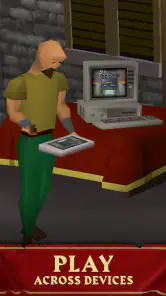
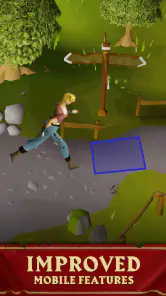
Yes, Old School RuneScape is available on both Android and iOS platforms. The mobile version offers the same experience as the desktop version, allowing players to enjoy the game on the go. The interface has been optimized for mobile devices, ensuring a seamless transition between platforms, so you can continue your adventure wherever you are.
Is Old School RuneScape free to play?
Old School RuneScape offers both free and paid membership options. The free version provides access to a substantial amount of content; however, subscribing to a membership unlocks additional quests, skills, and areas, enhancing the overall gaming experience. Members also benefit from a larger world map and exclusive items, which enrich the gameplay.
How does the in-game economy work in Old School RuneScape?
The in-game economy of Old School RuneScape is player-driven, relying heavily on trading between players. Items can be bought and sold using in-game currency called gold pieces (GP). The Grand Exchange, a marketplace for players, facilitates trading by allowing players to list items for sale or purchase. The economy is dynamic, with prices fluctuating based on supply and demand.
What are the main activities or skills available in Old School RuneScape?
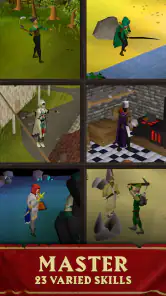
Old School RuneScape features a variety of skills and activities, such as combat, magic, crafting, fishing, and woodcutting. Players can choose to focus on leveling up specific skills or participate in quests and mini-games. The game encourages exploration and interaction, with a rich world full of diverse challenges and opportunities. Each skill offers a unique way to engage with the game and progress your character.


