

Ocean Is Home :Island Life Sim
- Reviews
- 4.4
- Version
- 0.702
- Installs
- 10,000,000+

Screenshots
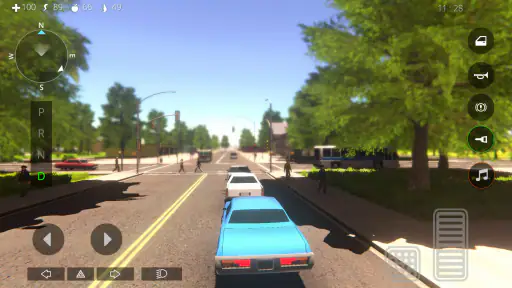
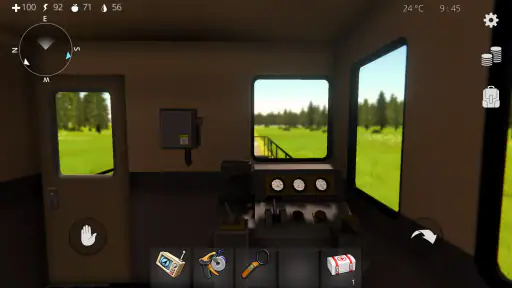

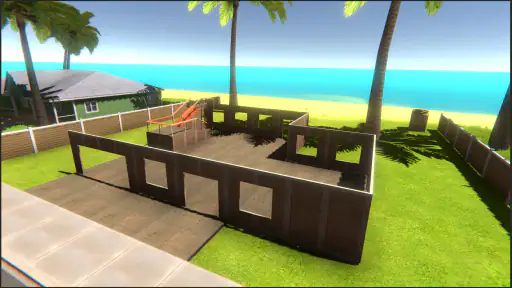
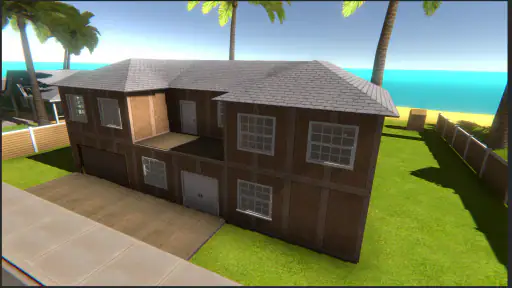
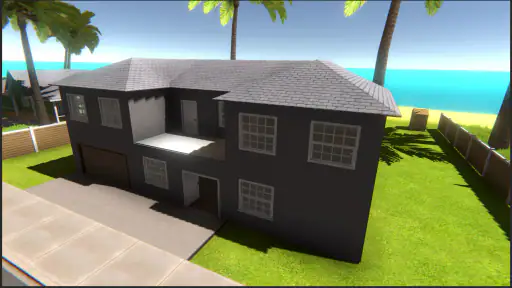
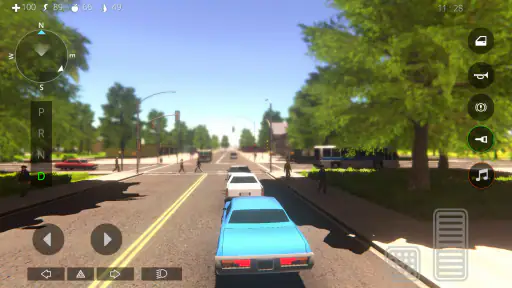
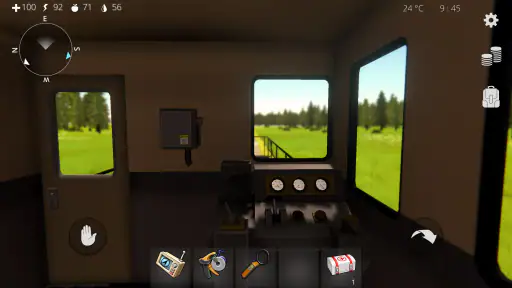
 Analysis by Frivlyz
I approached Ocean Is Home: Island Life Sim as a place to settle into rather than a game to rush through. It is an adventure game from RAVEDOG GAMES, built around island living, making a home, and choosing how to spend your time. That combination makes it appealing when I want a slower session with room to set my own priorities, though it is less suited to anyone looking for a tightly directed story or constant action.
A practical rhythm for starting out
My most useful habit is to treat each visit as a small routine instead of trying to do everything at once. I choose one immediate need, such as gathering materials or working on the house, then use the rest of the session to explore or make progress on a task. That keeps the open-ended structure from feeling like a list of chores. If I log in without a plan, it is easy to wander between ideas and feel as though I have made little headway.
The island-life premise works best for players who enjoy setting their own short-term goals. I might spend one session improving my shelter and another looking around the island, rather than following a fixed sequence. The mission system offers optional direction when I want it, but it does not need to define every session. For a relaxed evening, that flexibility is a real strength; for a quick burst of clear, story-led progress, a more linear adventure may be a better fit.
Small choices that make sessions smoother
Before committing to a building project, I find it sensible to check what resources I already have and what I still need. Breaking a larger goal into a few manageable steps makes the crafting and construction loop easier to follow, especially while the crafting system is still becoming familiar. It also avoids spending a whole session switching between plans without finishing one. The satisfaction comes less from a dramatic reveal than from seeing a practical project take shape through steady effort.
I also try to leave a little room for unexpected needs rather than using every collected item immediately. Resource management is part of the challenge, so keeping a modest reserve can make a later task less frustrating. This is not a secret mechanic; it is simply a useful way to approach a game where gathering, crafting, and building feed into one another. Players who enjoy planning will likely find that loop rewarding, while those who dislike resource preparation may find it slower than they want.
The changing weather and day-night cycle give the island a more lived-in feel, but they also make it worth paying attention to the moment rather than treating every outing as identical. I like using quieter stretches to handle routine work and leaving exploration for when I feel like taking a less predictable path. That kind of flexible pacing is central to the appeal: it lets me decide whether a session is about progress, discovery, or simply spending time in the setting.
Who will enjoy this island, and who may not
This game is a good match for someone who likes home-building and survival-flavored resource decisions without needing every minute to be intense. It can suit a player who wants a casual routine after work: gather a few supplies, make progress on one home project, check an optional mission, and stop when the session feels complete. It also gives creative players room to shape a personal space, whether their preference is a modest shelter or a more ambitious build.
Gaming Stories You May Enjoy

Dancing Road Turns Short Breaks Into a Test of Rhythm and Timing

Super Stylist Makes Every Outfit a Test of Taste and Patience

Dominoes on Your Terms: Who Should Play and Who Should Pass

Pokémon GO Makes the Familiar World Feel New

Chess.com Turns Rematches Into Rivalries, but Community Has Its Costs

Archery Battle 3D Review: Sharp Aiming, Unclear Feedback
On the other hand, I would not pick it for a friend who wants fast combat, a heavily guided campaign, or a story that constantly pushes them toward the next major event. Its freedom can feel like a lack of direction if you need clear objectives at all times. Compared with more conventional adventure games, the emphasis here is less on moving through a sequence of authored set pieces and more on building a routine in the world. Compared with focused building games, the survival and exploration elements make the experience broader, but they can also slow down a purely creative project.
For a first session, I would keep expectations modest and focus on understanding the basic gathering and crafting rhythm before aiming for an elaborate home. The game is free to play, carries a Teen content rating, and has a 4.4 average from around 60,000 ratings, which gives a prospective player a useful sense of its broad audience without telling them whether its pace will suit their own taste. It has been installed over 10 million times, but popularity does not change the key question: do you enjoy making your own goals in a quiet, open-ended setting?
Settings and sensible expectations
When I start a game on a phone or tablet, I check the available settings and controls rather than assuming the default arrangement will suit me. Small adjustments to comfort and responsiveness can matter during repeated gathering and building, especially in a game where those actions form much of the routine. I would also make sure the device meets the Android minimum of version 5.0 if installing there. The current version is 0.702, so it is sensible to check that the installed version is current when troubleshooting an issue rather than relying on old impressions.
There are optional in-app purchases, with items ranging from $0.99 to $49.99. I would decide in advance whether I want to spend anything and avoid treating a purchase as a substitute for learning the resource loop. A free starting point makes it possible to judge whether the pace and building appeal to me first. If I am mainly interested in a calm island routine, I would rather see how far the ordinary play pattern takes me before considering paid items.
One practical question is whether this is a game I can enjoy in brief visits or whether it demands long sessions. Its open-ended structure lends itself to short, self-chosen goals, but projects can still take patience because gathering and crafting are part of the process. I would plan a small task for a short break and save a larger building ambition for a time when I am happy to spend longer. Another question is whether the missions are mandatory: they are presented as optional tasks, so players who prefer free-form play can focus on their own plans instead.
People also tend to wonder whether the game is more about construction or exploration. In my view, its appeal comes from the overlap: building gives gathered materials a purpose, while exploration offers a change of pace from home projects. If someone wants only a construction sandbox, that mixture may feel like extra friction; if they want an island adventure with a personal base, it gives the sessions more variety. I would choose based on which side of that balance sounds enjoyable, not on the promise of unlimited freedom alone.
How the island experience unfolds
Have you ever dreamed of escaping the hustle and bustle of modern life and finding solace on a tranquil island? Well, look no further because Ocean Is Home: Island Life Sim is here to offer you that much-needed escape. This simulation game, available on both Android and iOS, lets you immerse yourself in the serene life of island living. Let me take you on a journey through my experience with this captivating game.
First Impressions
From the moment I launched Ocean Is Home: Island Life Sim, I was instantly transported to a peaceful island paradise. The graphics are nothing short of stunning, with lush greenery, crystal-clear waters, and vibrant sunsets that make you feel as though you’re truly living the island life. The developers have done an outstanding job at creating a visually appealing environment that’s both relaxing and engaging.
Gameplay and Features
The game begins with a simple premise: you’re on an island, and you need to build your new life from scratch. What I absolutely love about this game is its open-ended nature. You can choose to focus on crafting tools, building a home, or even exploring the island’s secrets. There’s no pressure to rush, and that’s what makes it so enjoyable. The crafting system, while initially a bit complex, becomes intuitive with time, allowing you to create everything from basic tools to elaborate structures.
One of the standout features for me is the day-night cycle and weather changes. These elements add a layer of realism to the game that keeps it dynamic and fresh. Imagine waking up to a beautiful sunrise or having to find shelter during a sudden rainstorm. It’s these small details that make the game feel authentic.
Building Your Paradise
As you gather resources and expand your island abode, you’ll find that the possibilities are endless. Whether you want a cozy beach shack or a sprawling estate, the game allows for creativity and personalization. I found myself spending hours just perfecting my little corner of paradise. The ability to plant crops and raise animals adds to the charm, making it feel like a true island adventure.
Challenges and Rewards
While Ocean Is Home: Island Life Sim is largely about relaxation, it does present some challenges. Managing resources and ensuring you have enough supplies to survive can be tricky but rewarding. Each successful harvest or completed build feels like a personal achievement, and that’s incredibly satisfying. Plus, the occasional surprise elements, like discovering a hidden treasure, keep the gameplay exciting.
The game also includes a mission system, which provides optional tasks for those seeking a bit more structure. Completing these missions can earn you rewards and help you progress faster, but they’re never intrusive, allowing you to play at your own pace.
Where the pace can become a drawback
The same freedom that makes island life relaxing can occasionally leave me unsure what to do next. I get the most from it when I define a modest goal before starting, such as collecting what I need for one improvement, then stopping once that job is done. Trying to pursue several projects at once can make resource management feel like busywork rather than satisfying preparation. This is a genuine trade-off: the game gives room to choose, but the player has to supply some of the direction.
It is also worth separating a peaceful mood from effortless play. Survival-style resource needs and crafting still ask for attention, and a large home project can take more patience than a quick casual game. I would not recommend it as the first choice for someone who wants a polished, tightly paced narrative or immediate rewards at every turn. For players who enjoy a slow accumulation of useful materials and visible improvements, that gradual pace is the point.
Making progress without turning it into a checklist
A repeatable pattern helps me balance efficiency with the relaxed atmosphere: decide on one priority, gather toward it, and leave a little time for exploration or personalizing the home. Optional missions are useful when I want a nudge, but I do not treat them as a mandatory itinerary. This keeps the island from feeling like a stack of errands and makes each completed task feel connected to my own plan.
When I am short on time, I avoid starting a project that depends on a long chain of preparation. A small gathering run or a quick look around is a better fit than beginning a major build and then feeling obliged to finish it. When I have a longer stretch, I can use that time to gather, craft, and build in one continuous session. This simple distinction makes the game easier to fit around ordinary life without expecting every visit to produce a major milestone.
The game is free, though in-app purchases range from $0.99 to $49.99 per item. I see that as a reason to decide my spending comfort level before browsing purchases, not as a reason to assume progress requires paying. The best test is whether the basic loop of gathering, crafting, and shaping a home is enjoyable on its own. If it is, there is already a clear reason to keep playing; if it is not, buying an item is unlikely to make the island’s underlying pace a better match.
Conclusion
In a world where fast-paced games often dominate the market, Ocean Is Home: Island Life Sim offers a refreshing change of pace. It’s a game that encourages you to slow down, enjoy the moment, and create your perfect island life. Whether you’re a fan of simulation games or someone looking for a peaceful escape, this game is sure to captivate your heart. So pack your virtual bags and get ready for an island adventure like no other!
My recommendation comes with one clear qualification: choose it for the freedom to build a personal routine, not because you expect a constant stream of plot or action. The game has a 4.4 average and a Teen rating, but those broad markers cannot tell you whether its slower resource loop is your kind of fun. If I wanted a quiet island project with exploration, home-building, and optional goals, I would give it a try. If I wanted a directed adventure that moves quickly from one set piece to another, I would choose a different game.
Ocean Is Home :Island Life Sim Pros and Cons
Pros
- Immersive island environment
- Realistic survival mechanics
- Diverse crafting options
- Engaging storylines
- Expansive open world
Cons
- Frequent ads disrupt gameplay
- Occasional glitches
- Resource management can be tedious
- Limited character customization
- In-app purchases necessary for progress
Frequently Asked Questions
What is the main objective of Ocean Is Home: Island Life Sim?
Ocean Is Home: Island Life Sim is a simulation game where players experience life on a deserted island. The main objective is to survive and thrive by gathering resources, building shelters, and crafting tools. Players can explore the island, hunt wildlife, and even build vehicles to improve their living conditions and expand their territory.
Is Ocean Is Home: Island Life Sim available for free?
Yes, Ocean Is Home: Island Life Sim is free to download and play on both Android and iOS platforms. However, the game offers in-app purchases that can enhance gameplay by providing additional resources, tools, or customization options. Players can choose to purchase these items, but it's not necessary to enjoy the game fully.
Does Ocean Is Home: Island Life Sim require an internet connection?
Ocean Is Home: Island Life Sim is primarily designed as an offline game. Players can explore, build, and survive on the island without needing an internet connection. However, some features, such as in-app purchases and certain updates, may require connectivity. It's recommended to check periodically for updates to enhance your gameplay experience.
What kind of graphics can I expect in Ocean Is Home: Island Life Sim?
Ocean Is Home: Island Life Sim features realistic 3D graphics that immerse players in a vibrant island environment. The visuals include detailed landscapes, dynamic weather conditions, and lifelike wildlife. These graphics are designed to enhance the player's experience, making exploration and survival on the island feel engaging and visually appealing.
Are there any survival tips for new players of Ocean Is Home: Island Life Sim?
New players should focus on gathering essential resources like wood, stone, and food to build a stable base. Prioritizing the construction of basic tools and a shelter will ensure survival against the elements. Exploring the island gradually will help players discover vital resources and new opportunities for crafting and expansion.


