

Obby bike: Parkour Adventure
- Reviews
- 3.9
- Version
- 1.18.1
- Installs
- 1,000,000+

Screenshots
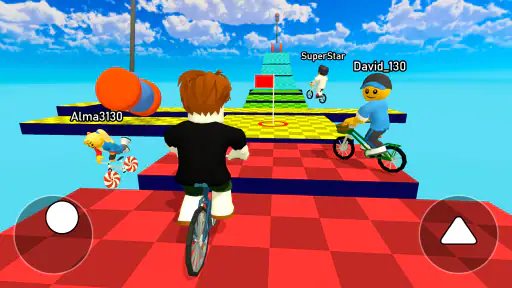
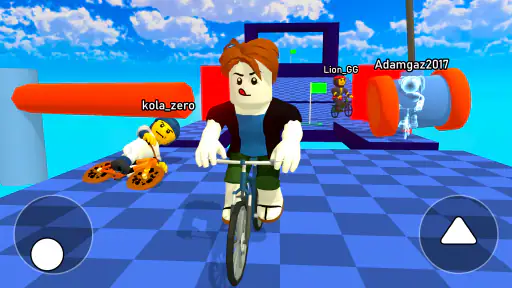
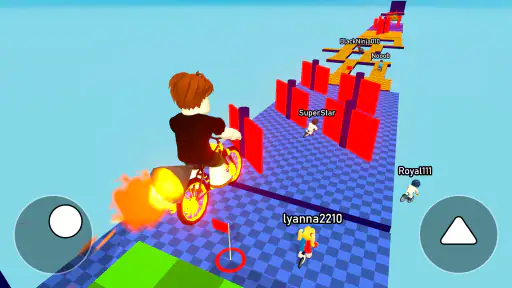
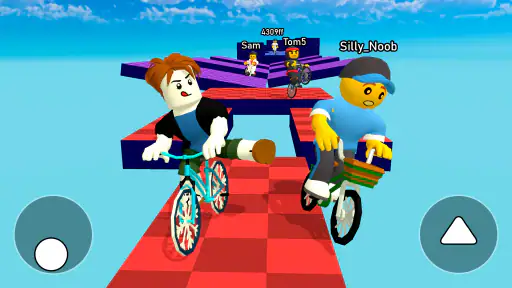
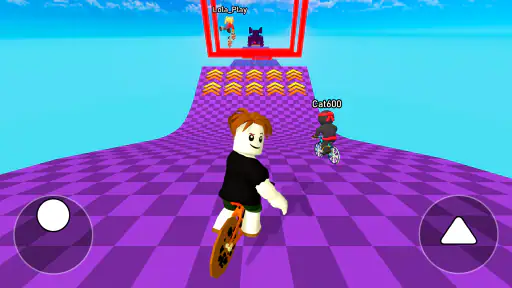
 Analysis by Frivlyz
What I like about Obby Bike: Parkour Adventure is the clear appeal of its central task: ride into a course, read the obstacles, and try to get through it cleanly. That makes it easy to understand before you have invested much time. The trick is that an obstacle route asks for more than simply moving forward. You have to judge when to commit to a jump and when a safer approach is worth the extra effort. For me, that small decision-making loop is the reason a quick attempt can turn into another one.
It is a free racing game from Kids Games LLC, with a 3.9 average from around 1,500 ratings and over a million installs. The Everyone age rating makes its broad, approachable premise easy to place, though that does not mean every player will enjoy the same pace or challenge. It was released on December 8, 2023, and the current version is 1.18.1. The game is free to start, with in-app purchases ranging from $0.99 to $11.99 per item, so I would treat optional spending as something to consider rather than part of the basic reason to try it.
Riding into the Game
The moment you fire up Obby Bike: Parkour Adventure, you're greeted with vibrant graphics and a catchy soundtrack that sets the stage for an exhilarating ride. The game's premise is simple yet addictive: navigate through an array of challenging parkour courses on your trusty bike. The intuitive controls make it easy to jump right in, yet there's a subtle complexity that keeps you coming back for more.
The First Attempt: Reading the Course
The useful habit here is to treat the opening seconds of a run as observation, not just acceleration. Look at the obstacle immediately ahead and decide what kind of approach it invites. If you rush every section at the same pace, you may miss the timing that makes a jump feel controlled. I would focus on one obstacle at a time, especially while learning how the bike responds, rather than trying to perform a stylish run from the start.
This is a practical fit for short breaks: a player can open the game, make an attempt, and stop without needing to settle into a long racing session. It also suits someone who enjoys repeating a compact challenge until a tricky passage feels manageable. If you are choosing a game for a child, the Everyone rating is a useful starting point, but I would still check whether the obstacle-focused play and optional purchases suit your household’s preferences.
Gameplay and Mechanics
What really sets this game apart is its dynamic gameplay. Each level presents unique obstacles that require strategic thinking and quick reflexes. From leaping over gaps to performing daring flips, the game consistently pushes the envelope. The controls are designed to be responsive, which means the better you get, the more tricks you can pull off. It’s like learning to dance; the more you play, the more fluid your movements become.
A helpful way to improve is to change only one thing after a failed attempt. Try approaching the same obstacle more carefully, or adjust when you jump, instead of changing your whole style at once. That makes the feedback easier to read: you can tell whether the timing or approach helped. It also prevents the common frustration of repeating a course without knowing what went wrong. For a young or casual player, that kind of small, visible learning can be more satisfying than chasing a perfect score.
Gaming Stories You May Enjoy

Dancing Road Turns Short Breaks Into a Test of Rhythm and Timing

Super Stylist Makes Every Outfit a Test of Taste and Patience

Dominoes on Your Terms: Who Should Play and Who Should Pass

Pokémon GO Makes the Familiar World Feel New

Chess.com Turns Rematches Into Rivalries, but Community Has Its Costs

Archery Battle 3D Review: Sharp Aiming, Unclear Feedback
The cycling-and-obstacle mix gives it a different feel from a conventional racing game, where the main test is often staying fast through a track or competing for position. Here, the course itself is the puzzle. Compared with a standard parkour game built around a character on foot, the bike changes how you think about momentum and committing to a move. That distinction is the main reason to choose this over a more familiar racer; if you mainly want realistic vehicle handling or head-to-head competition, this is probably not the right alternative.
One of the features I love is the customization option. You can upgrade your bike and character, adding a personal touch to your parkour adventures. This not only enhances the gaming experience but also provides a sense of ownership and progression.
Graphics and Sound
Visually, the game is a treat. The developers have done a fantastic job with the graphics, making each environment feel alive and immersive. The vibrant colors and detailed backgrounds transport you to a world where parkour is not just a sport, but an art form. The sound design complements this perfectly, with energetic tracks that keep your adrenaline pumping and sound effects that make every jump and skid feel real.
Presentation matters most when it helps you stay oriented. Bright scenery can make a ride feel lively, but the practical question is whether you can keep your attention on the next obstacle instead of the background. I would use the sound and visual cues as part of the run’s rhythm, while remembering that excitement in the presentation does not replace careful timing. If you prefer quiet play, the soundtrack is a pleasant extra rather than the reason to keep playing.
Challenges, Rewards, and the Reset
The game does a great job of balancing challenge and reward. Each level is meticulously designed to test your skills, but completing a difficult course brings a satisfying sense of achievement. Plus, the reward system is generous, offering plenty of incentives to keep pushing forward. Whether it’s unlocking new bikes or earning bragging rights among friends, there’s always something to strive for.
The reset after a mistake is part of the appeal, but it is also where patience gets tested. If an obstacle catches you repeatedly, take a brief pause and return with one specific adjustment in mind. That is more useful than immediately restarting in the hope that luck will do the work. When a run succeeds, the reward has two sides: any in-game progress feels good, and the cleaner execution itself is a small skill payoff. I would not judge a session only by whether it unlocks something.
Customization can make progress feel personal, but upgrades and appearance are not the same thing as mastering a course. I would decide what matters to you before spending: if you enjoy collecting or tailoring a bike and character, optional purchases may be tempting; if the challenge itself is enough, there is no need to treat spending as a requirement. The listed per-item prices run from $0.99 to $11.99, so it is sensible to check purchase choices before handing the game to a child or anyone who might tap through without thinking.
A realistic way to fit it into the day is to play a few attempts while waiting for a ride or taking a short break, then stop once you have either cleared a section or noticed that frustration is replacing concentration. The game’s repeatable obstacle format lends itself to that kind of small session. It is less suited to someone looking for a deep story, a realistic cycling simulator, or a long competitive race with a clear opponent; those players will likely be happier with a game built around those specific goals.
If you are wondering whether you need to be an experienced racer, I would say no: the basic idea is approachable, and the learning comes from handling the obstacles rather than mastering a complicated racing setup. But easy to start does not mean every section will feel easy, so a player who dislikes retries may find the central rhythm irritating. If you are wondering whether it is a good choice for quick play, that is where it makes the strongest case, provided you enjoy trying again instead of expecting every run to go smoothly.
Another small trade-off is that a run can feel more about precision than speed, despite the racing label. I would go in expecting to manage a sequence of hazards, not simply hold a direction and race flat out. That expectation makes a failed attempt easier to interpret: it is a cue to adjust, not proof that the game is unfair. On the other hand, if you prefer open tracks where you can choose your own line and maintain a steady pace, the obstacle-course structure may feel restrictive.
In the world of mobile games, Obby Bike: Parkour Adventure stands out with its unique blend of parkour and biking. It's a game that requires skill, creativity, and a bit of daring. So if you're looking for an adventure that will keep you on the edge of your seat, this is it.
In conclusion, whether you're a casual gamer or a hardcore enthusiast, Obby Bike: Parkour Adventure offers something for everyone. It's a game that's easy to pick up but hard to put down. So grab your helmet, rev up your bike, and dive into the world of parkour like never before!
Who Should Give It a Try?
I would recommend it most to players who like a clear objective, quick retries, and the satisfaction of improving through practice. It can work well as a low-commitment game for a commute wait, a brief downtime at home, or a shared casual play session where people take turns attempting the same obstacle. Those moments make the action easy to follow: one person rides, everyone can see where the difficulty lies, and the next attempt has an obvious point of focus.
I would steer players toward another kind of game if they want a detailed campaign, realistic bike physics, or a structured contest against other racers. The appeal here is narrower and more immediate: navigate a challenging route, learn from the result, and decide whether to try again. That focus is a strength when you want uncomplicated action, but a limitation if you need variety beyond obstacle riding.
My Take on the Repeat-Play Loop
The loop works best when each run gives you something to notice. An attempt begins with choosing how to approach an obstacle; the ride provides immediate feedback through success or a stumble; progress and customization give you a reason to keep moving; then a reset offers another chance to apply what you learned. That sequence is easy to understand, and it gives short sessions a natural stopping point: finish a course, make one more deliberate attempt, or put the game away until later.
My main advice is to keep the goal modest. Pick a single section to improve instead of demanding a flawless ride every time. That makes the game feel more like a skill challenge and less like a test of patience. The parkour-on-a-bike idea gives it a distinct place among mobile racers, but its best audience is someone who enjoys repetition with a purpose. If that sounds like you, the free entry point makes it easy to see whether the rhythm clicks; if you want broad racing variety, I would look elsewhere.
Obby bike: Parkour Adventure Pros and Cons
Pros
- Engaging parkour challenges
- Smooth bike controls
- Variety of levels
- Stunning graphics
- Frequent updates
Cons
- Occasional lag issues
- Ads can be intrusive
- Limited customization options
- Requires internet connection
- In-app purchases needed for some items
This Game in Other Languages
Frequently Asked Questions
What is Obby Bike: Parkour Adventure?
Obby Bike: Parkour Adventure is an exciting mobile game where players navigate through various parkour-style obstacle courses using a bike. The game combines elements of racing and adventure, challenging players to complete levels with skillful maneuvers and stunts. It's designed for both casual players and those seeking more challenging gameplay experiences.
What are the main features of Obby Bike: Parkour Adventure?
Obby Bike: Parkour Adventure offers a range of features, including diverse obstacle courses, customizable bikes, and character skins. Players can enjoy physics-based gameplay that brings a realistic biking experience, complete with stunts and tricks. The game also supports multiplayer mode, allowing players to compete with friends or other users globally.
Is Obby Bike: Parkour Adventure free to play?
Yes, Obby Bike: Parkour Adventure is free to download and play. However, it includes in-app purchases that allow players to buy additional items, such as special bikes, skins, or power-ups. These purchases are optional and not required to progress through the game, but they can enhance the overall gaming experience.
What devices support Obby Bike: Parkour Adventure?
Obby Bike: Parkour Adventure is available on both Android and iOS devices. To ensure the best performance, it is recommended to have a device running Android version 5.0 or higher, or iOS 10.0 or later. The game is optimized for both smartphones and tablets, providing a seamless experience across different device types.
Does Obby Bike: Parkour Adventure require an internet connection?
While Obby Bike: Parkour Adventure can be played offline, an internet connection is required for certain features, such as multiplayer mode and accessing leaderboards. Playing offline allows users to enjoy the single-player levels without interruptions, but connecting online unlocks additional content and competitive elements of the game.


