

Nightmare Puzzles: The Unknown
- Reviews
- 4.3
- Version
- 1.2.1
- Installs
- 5,000,000+

Screenshots

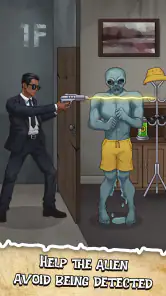
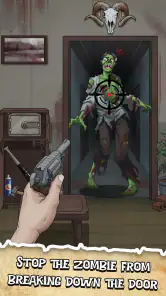


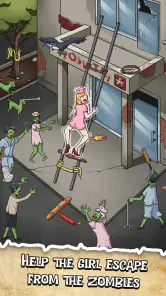


 Analysis by Frivlyz
I’m usually drawn to puzzle games when I have a few spare minutes and want something more engaging than scrolling, but I don’t always want a complicated ruleset or a story I need to track closely. Nightmare Puzzles: The Unknown aims for a more unsettling mood than a standard picture puzzle, pairing image-based problem-solving with a mysterious, eerie tone. I found that combination gives it a distinct identity: the appeal is not just fitting pieces together, but wondering what the finished image is meant to suggest.
A puzzle for the gaps in your day
That mood makes the game a better fit for a quiet break than for a noisy commute or a moment when you need to keep switching tasks. If I have a calm stretch after dinner, I can settle into a puzzle and let the strange imagery do some of the work of holding my attention. By contrast, someone looking for a bright, cheerful game to play while chatting or watching something else may find its atmosphere a little too insistent.
It is a free puzzle game from FALCON GAME STUDIO, and its premise is easy to understand before you start: look closely, work out where the pieces belong, and see the image take shape. It is rated for Everyone, though the unsettling presentation is worth bearing in mind if you are choosing a game for a particularly sensitive child. The game has a 4.3 average from around 101,000 ratings and more than five million installs, which suggests it has found a sizeable audience among players who enjoy this kind of unusual puzzle mood.
What the eerie presentation adds
The important distinction from a typical jigsaw app is the feeling the pictures are meant to create. A familiar landscape puzzle is often about relaxing into a recognizable scene; here, the stranger images encourage me to pause and inspect details instead of treating every piece as a quick match. That can make a completed picture feel more like a small reveal than a simple finish line. If you want a gentle, decorative activity, a conventional jigsaw game is probably the more comfortable choice. If you like a puzzle that leaves you with something to wonder about, this one has a clearer reason to stand out.
For a short session, I get the most out of it by treating each puzzle as a small, self-contained task rather than expecting a long narrative payoff. I look for the pieces that give me an obvious starting point, then use the emerging image to make later decisions. That approach is useful when I may be interrupted: even if I do not finish, I have made visible progress and can return with a clearer sense of what I was doing. The game’s puzzles are still the main event, so players who need a constant stream of dialogue, action, or new mechanics may prefer a different kind of mobile game.
Who will enjoy it, and who may not
I’d recommend it to people who already enjoy visual puzzles and want something with a darker, more dreamlike flavor than the usual soothing pictures. It also suits players who like studying an image and making small, deliberate decisions rather than racing a timer. On the other hand, I would skip it if you strongly dislike eerie visuals, want a purely relaxing background activity, or expect a puzzle game to offer a fast-changing set of rules. Its appeal depends on being willing to sit with the odd atmosphere as well as the challenge.
There is a practical trade-off in that focus. The same mood that makes the puzzles memorable can make them less suitable for every setting: I would choose a quieter moment and keep the sound at a comfortable level rather than open it in a crowded place expecting the full effect. If you prefer to play without audio, the visual puzzle remains the central activity, but you may lose some of the atmosphere the game is trying to build. That makes it worth deciding whether you want a focused little escape or simply something to occupy one hand while your attention is elsewhere.
Gaming Stories You May Enjoy

Dancing Road Turns Short Breaks Into a Test of Rhythm and Timing

Super Stylist Makes Every Outfit a Test of Taste and Patience

Dominoes on Your Terms: Who Should Play and Who Should Pass

Pokémon GO Makes the Familiar World Feel New

Chess.com Turns Rematches Into Rivalries, but Community Has Its Costs

Archery Battle 3D Review: Sharp Aiming, Unclear Feedback
Puzzle Madness with a Twist
When I first downloaded Nightmare Puzzles: The Unknown, I was expecting the usual jigsaw puzzle experience. You know, the kind where you throw on some music, sip on your coffee, and lazily piece together a picture of a cute cat or a serene landscape. But no, this app had other plans. Each puzzle is more than just a challenge; it's an experience. The artwork is mind-bending, often presenting surreal, dream-like images that keep your brain on its toes.
Immersive Atmosphere
The first thing that hit me was the immersive atmosphere. The developers did a fantastic job with the soundscapes. You’re not just playing a game; you’re stepping into a whole new world. Each puzzle comes with its own eerie background score, perfectly complementing the haunting visuals. It’s like each piece you place brings you closer to uncovering the mystery behind the artwork.
Challenging Yet Rewarding
The difficulty level varies, but it always teeters on challenging. Just when you think you're about to give up, you find that one piece that fits perfectly, and it’s like a mini triumph every time. There's a certain satisfaction in seeing the bigger picture come together, especially when it's as bizarrely beautiful as these designs. It's not just about completing a puzzle, but rather the journey of piecing together the unknown.
Oh, and did I mention the hints? Yeah, the game does offer them, but where's the fun in that? I mean, sure, if you're stuck, they're a lifesaver, but the real thrill is in solving it on your own. Trust me, you’ll feel like a genius once you do.
Making each session count
Hints work best for me as a nudge after I have spent a little time examining the pieces, not as a shortcut at the first sign of difficulty. A useful habit is to choose one small target—finding an edge, matching a distinctive color, or identifying a recognizable shape—before asking for help. That keeps the satisfaction of solving intact while reducing the chance that a stubborn patch turns a quick break into frustration. If you prefer every move to be entirely self-directed, simply leaving hints unused preserves that more demanding feel.
The changing difficulty also affects how I would fit the game into a day. When I am tired, I would rather stop after making a bit of progress than force myself through a section that needs close attention. When I have more patience, the less obvious pieces are part of the pleasure. That makes it a flexible choice for players whose available attention changes from one session to the next, though it is not an ideal pick if you want every puzzle to feel equally easy or predictable.
Easy to approach, not always easy to finish
The basic idea is approachable, but that does not mean every moment feels effortless. With surreal artwork, a piece may be hard to place because the image itself is intentionally unfamiliar, not because you have missed an obvious clue. I find it helps to step back from hunting for one exact match and instead look for broad visual relationships: repeated tones, shapes that seem to continue, or a detail that could anchor a small cluster. This is a practical way to stay engaged without turning the puzzle into a test of patience.
For anyone wondering whether it suits a first-time puzzle player, I think it can, provided they are comfortable learning by looking and trying. There is no need to arrive as a puzzle expert, but people who dislike trial and error may find the harder stretches less inviting. I would also avoid treating the eerie story as a substitute for a fully guided narrative. The mystery gives the images a reason to feel connected, while the hands-on work remains the main source of engagement.
Pause, return, and keep your place
A realistic way to play is during a short lull at home: I might open a puzzle while waiting for food to finish cooking, make a few placements, and then put the phone down when it is time to eat. In that sort of moment, I would focus on a clear subtask rather than try to race to the end. The useful test is whether I can return and recognize the visual area I was working on. If I cannot, I can spend a moment scanning the developing image before making another move instead of tapping randomly.
That approach matters because interruptions are normal, and a puzzle can lose its rhythm if I return expecting to remember every piece I considered. I would not begin a demanding section when I know I have only a few seconds available; I would use that time to inspect the overall picture or make one obvious placement. For a longer, calmer stretch, I can work more methodically. This is less about a special game feature than about choosing a sensible stopping point, and it helps keep the experience pleasant rather than making every unfinished puzzle feel like a chore.
How it compares with familiar puzzle games
Compared with standard jigsaw apps, the draw here is the combination of unusual art and an unsettling presentation, not a promise of endless novelty in the rules. A classic jigsaw game is often the safer choice for a relaxed, familiar image or for playing alongside conversation. A logic puzzle is better if you want deductions and clear right-or-wrong steps. This game sits closer to visual assembly, with atmosphere doing more of the emotional work. That distinction helps set expectations: choose it for the strange pictures and the feeling of uncovering them, not because you want a completely different puzzle mechanic.
Replay value depends on what you personally enjoy repeating. If the pleasure is watching a peculiar image emerge piece by piece, the format has an obvious reason to revisit it. If you mainly play to discover new controls, rules, or strategic systems, the same basic activity may feel repetitive sooner. I would treat it as a mood-led option in a small puzzle rotation rather than the only game I rely on. Switching to a word, number, or logic puzzle when I want a different kind of mental effort is a sensible way to keep this one from becoming stale.
Version, cost, and a sensible first try
The current version is 1.2.1, and the game is free to download, with optional in-app purchases priced from $1.99 to $9.49 per item. I would start without spending anything and decide first whether the eerie art and puzzle rhythm genuinely suit me. Paid items only make sense if I already know I want more from this particular experience; the price range is a reason to pause and check what an item offers before buying, rather than assuming a purchase is necessary to enjoy the core idea.
It runs on Android 7.0 or later, so an older compatible phone may still be an option. For a parent choosing a game, the Everyone age rating is useful context, but I would still consider the ominous imagery and sound before handing it to a child who is sensitive to spooky material. The best first test is simple: try a brief session in a comfortable setting, with the sound either on if you want the full mood or low if you are checking whether the visual puzzles alone hold your interest.
Perfect for a Dark and Stormy Night
Okay, so maybe you don’t need a dark and stormy night to play this game, but it certainly adds to the ambiance. There’s something about listening to the rain patter against your window while you delve into these enigmatic puzzles that feels just right. Plus, it’s a great way to unwind after a long day, letting your mind wander far away from the usual hustle and bustle.
My casual verdict
Overall, if you’re a fan of puzzles and don’t mind a little eerie twist, Nightmare Puzzles: The Unknown is definitely worth checking out. It’s got just the right amount of spookiness to keep you hooked, without crossing over into full-blown horror territory. So go ahead, download it, and see where your imagination takes you. Just remember, it’s all about the journey, not just the destination.
Nightmare Puzzles: The Unknown Pros and Cons
Pros
- Engaging and challenging puzzles.
- Unique horror-themed atmosphere.
- Smooth and intuitive controls.
- Frequent updates with new content.
- Offline play available.
Cons
- Some puzzles can be too difficult.
- Limited hints available for players.
- Graphics may not suit all tastes.
- Ads can be intrusive at times.
- Requires a lot of device storage.
Frequently Asked Questions
What is the main concept of Nightmare Puzzles: The Unknown?
Nightmare Puzzles: The Unknown is a captivating puzzle game designed to challenge your cognitive abilities through a series of hauntingly themed puzzles. As players progress, they navigate through eerie settings and solve intricate puzzles that gradually reveal a mysterious storyline. The combination of horror elements and brain-teasing challenges keeps players engaged and eager to uncover the secrets of the unknown.
Is Nightmare Puzzles: The Unknown suitable for all age groups?
While Nightmare Puzzles: The Unknown offers a thrilling and cerebral gaming experience, it is primarily designed for teens and adults due to its horror themes and complex puzzles. The game includes mature content that may not be appropriate for younger audiences. Parents are advised to review the game content and ratings to ensure it aligns with their values before allowing younger players to engage.
What platforms is Nightmare Puzzles: The Unknown available on?
Nightmare Puzzles: The Unknown is available for download on both Android and iOS platforms. It can be found on the Google Play Store for Android users and the Apple App Store for iOS users. The game is optimized for mobile devices, ensuring smooth gameplay and an immersive experience across different screen sizes and resolutions.
Does Nightmare Puzzles: The Unknown require an internet connection to play?
Nightmare Puzzles: The Unknown can be played offline, making it convenient for users to enjoy the game without needing a constant internet connection. However, certain features such as leaderboard updates and in-game purchases might require internet access. Players can enjoy the core gameplay experience offline at any time.
Are there in-app purchases in Nightmare Puzzles: The Unknown?
Yes, Nightmare Puzzles: The Unknown includes in-app purchases that allow players to enhance their gaming experience. These purchases may include additional puzzle packs, hints, or cosmetic items to customize their gameplay. While the game is free to download, these optional purchases can provide extra value and enjoyment for those who choose to invest in them.


