

My Tizi Town Daycare Baby Game
- Reviews
- 4.7
- Version
- 2.5.15
- Installs
- 10,000,000+

Screenshots
 Analysis by Frivlyz
I find daycare games work best when they give children something easy to understand right away, without turning play into a test. My Tizi Town Daycare Baby Game is built around caring for little ones, so its appeal comes from familiar pretend-play actions and the freedom to move between them. It is an educational game from Tizi Town Games, but I would approach it primarily as a playful activity rather than a structured lesson. That distinction matters: a child who enjoys acting out everyday routines may settle into it quickly, while someone looking for puzzles, scores, or a clear series of challenges may want a different kind of game.
Small goals make the first minutes approachable
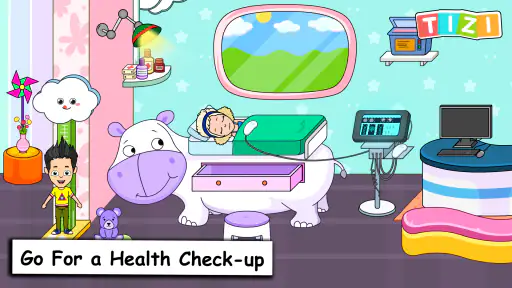
The early appeal is easy to grasp: look after the toddlers and choose what to do next. Feeding and changing a baby provide concrete actions that are simple for a young player to recognize, while imaginative play gives the session a less task-focused alternative. I like that this setup can prompt a child to make small choices—what to do first, or how to continue a pretend scenario—without requiring them to learn a complicated control scheme.
That simplicity also sets expectations. This is not the sort of educational game I would pick when I want a child to practice a defined skill through lessons or questions. Its learning value is more informal: it can invite pretend play around care, routines, and empathy. A parent can make that play more thoughtful by asking a child what the baby might need next, rather than treating each action as a box to tick.
Progress is more about play than achievement
I would not judge the game by the kind of progress signals found in a level-based adventure. Its satisfaction is tied to completing a small care activity, changing the scene through play, or creating a look that feels personal. Customization is a useful reason to return to an activity: instead of repeating the same pretend routine exactly, a child can give the characters or daycare a different feel and invent a new story around it.
For a more satisfying session, I would let the child choose one care activity and one creative activity, then encourage them to explain the story they are making. That gives the play a gentle beginning and ending without adding rules the game itself may not use. It is also a practical way to keep a short session focused when a child is not ready to play for long.
A gentle pace, with a clear limit
The soft, familiar activities make this a good fit for relaxed play, especially when a child wants to imitate everyday caregiving rather than compete. The trade-off is that a player seeking rising difficulty, demanding goals, or a strong sense of unlocking new challenges may find the experience too open-ended. I would not choose it as a substitute for a game built around puzzles or skill progression; its strength is letting a child direct a small pretend world at their own pace.
That open format can be helpful when an adult wants to join in rather than manage a strict sequence. It also means the adult may need to supply some of the structure: suggest a simple scenario, take turns choosing an activity, or wrap up after a story reaches a natural stopping point. Those small prompts can make the session feel complete without expecting the game to provide a formal finish line.
Gaming Stories You May Enjoy

Dancing Road Turns Short Breaks Into a Test of Rhythm and Timing

Super Stylist Makes Every Outfit a Test of Taste and Patience

Dominoes on Your Terms: Who Should Play and Who Should Pass

Pokémon GO Makes the Familiar World Feel New

Chess.com Turns Rematches Into Rivalries, but Community Has Its Costs

Archery Battle 3D Review: Sharp Aiming, Unclear Feedback
Who will get the most from it?
I would recommend it to families looking for approachable pretend play, especially for a child drawn to babies, dressing up, and make-believe routines. It can also suit an adult who wants a light, low-pressure game to dip into. The visuals are bright and welcoming, and the interface felt straightforward to me, which helps keep the focus on play instead of figuring out where to go.
It is a weaker match for children who need explicit learning targets, a more challenging game loop, or tightly guided instructions. It may also be less appealing to players who prefer building, collecting, or solving problems with clear outcomes. When comparing it with other educational games, I see it as closer to a digital dollhouse than a lesson app: the value is in inventing situations and acting them out, not in measuring progress through exercises.
One realistic use is a short quiet-time activity while an adult is nearby: a child can choose a baby-care scenario, play it out, and then tell a parent what happened. I would treat that as a shared conversation starter, not as a reason to leave a young child unsupervised with a device. The game’s Everyone age rating makes it suitable for a broad audience, but an adult should still decide whether the content and screen time fit their own child.
Welcome to Tizi Town
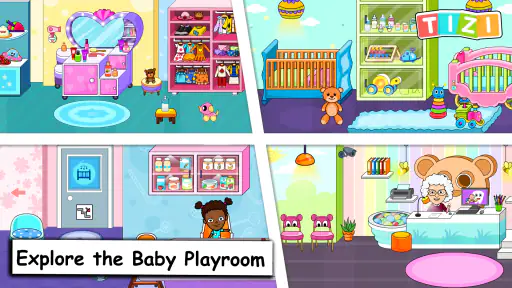
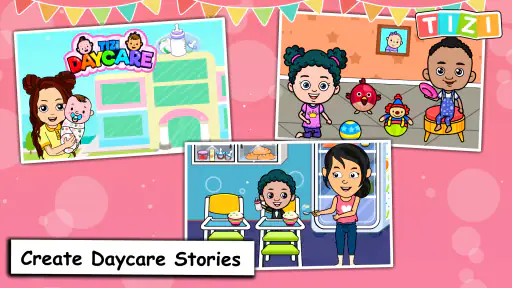
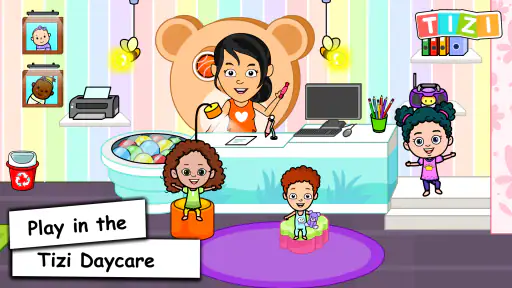
When you first step into My Tizi Town Daycare Baby Game, you’re greeted with vibrant colors and lively animations that make the game feel like a bustling daycare center. I was immediately drawn to its user-friendly interface which makes navigation a breeze. The game is designed to simulate a daycare environment where you can engage with various activities involving the adorable toddlers.
Gameplay and Features
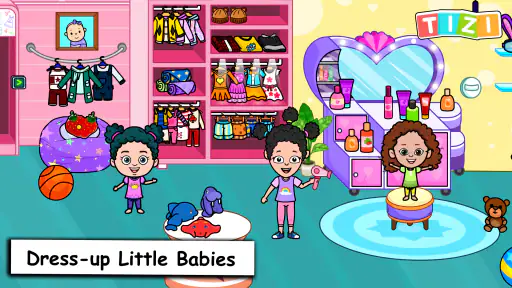
The game offers a delightful mix of tasks that mimic real-life daycare activities. From feeding the babies to changing diapers, every task is presented in a fun and interactive way. I found myself particularly enjoying the creative play sessions where you can join the kids in their imaginative world, playing dress-up or organizing a mini concert.
One of the standout features is the customization options. You can personalize the daycare environment and even the babies themselves, giving them unique looks and outfits. This element of personalization adds a charming touch to the game, making it a more immersive experience.
Graphics and Sound
The graphics are bright and inviting, perfectly capturing the playful essence of a daycare. The animations are smooth, and the attention to detail is impressive. The sound effects and background music complement the overall atmosphere, making the game enjoyable for both kids and adults.
The sounds of laughter and playful banter among the toddlers add a layer of authenticity that makes managing the daycare feel more real and engaging.
Why You'll Love It
What I love most about My Tizi Town Daycare Baby Game is its ability to entertain while subtly teaching responsibility and empathy. The tasks are simple yet rewarding, providing a sense of accomplishment with each completed activity. It’s a great way for kids to learn about routines and caring for others in a playful manner.
Moreover, the game is not just for kids. I found myself enjoying the light-hearted gameplay and the opportunity to express creativity through customization. It's a perfect escape for anyone looking to unwind and enjoy some wholesome fun.
For a parent deciding whether it suits a particular child, I would start by matching the game to the child’s play style rather than expecting it to teach in a classroom-like way. If they like making up stories with dolls or toy figures, the daycare setting gives them a familiar stage and a handful of caregiving actions to build around. If they tend to lose interest unless a game presents a new objective at every turn, I would look instead at a more structured educational title with explicit tasks and feedback.
The game is free, which makes it easy to try as a low-commitment option, and it has an average rating of 4.7 from around 22,000 ratings. More than 10 million installs suggest that many families have tried it, though popularity alone does not tell me whether its open-ended style will suit a particular child. It was released on November 16, 2020, and version 2.5.15 is listed for devices running Android 5.1 or later.
One practical tip is to turn customization into the start of the story rather than an activity that has to last on its own. A child might choose an outfit, decide what kind of day the baby is having, and then act out a care routine. This gives the dress-up choices a purpose and can keep play from becoming a quick sequence of taps. Another useful approach is to alternate: the child chooses the next activity, then the adult follows along and asks a simple question about the pretend situation.
There is a trade-off in that freedom. Because the play is driven by the child’s imagination, two children may get very different mileage from the same set of activities. One might happily revisit a familiar routine and invent variations; another may quickly ask what comes next. I would not interpret that as a failure of the game, but it is a good reason to try a brief session first rather than assume it will hold every child’s attention for a long stretch.
Compared with a conventional learning app that teaches through quizzes or step-by-step exercises, this feels more like a small digital playroom. Compared with a toy or dollhouse, it offers animated characters and sound, but it cannot replace the physical freedom of arranging real objects or playing alongside another child. I would choose it for a quiet, imaginative moment, and choose hands-on toys or a more goal-driven game when the child needs movement, social play, or a clearly defined challenge.
Parents may also wonder whether it works well as a quick, independent activity. Its approachable feel can make it easy for a child to begin, but I would still stay nearby with younger players, both to guide the device use and to turn the care theme into conversation. If a child becomes frustrated by open-ended play, offering a simple scenario—such as getting ready for a pretend outing—can help. If that still does not hold their interest, switching activities is more sensible than pushing them to continue.
The visual and audio style is part of the game’s appeal, although it will not be every family’s preference. Bright colors and lively sounds can make the daycare feel cheerful, but a child who is sensitive to busy screens or sound may prefer quieter play or a physical activity. I would try it at a comfortable volume and pay attention to how the child responds, rather than assuming that a lively presentation is automatically calming or suitable for every moment.
As a family activity, it works best when the adult joins without taking over. Letting the child make the choices preserves the sense of ownership, while a parent can help name the routine or encourage a story. That small shared role is where I see the most value beyond simply keeping a child occupied: the game can give a family an easy prompt for talking about care and feelings, without needing to turn the conversation into a lesson.
In conclusion, if you’re looking for an app that combines fun, creativity, and a touch of responsibility, My Tizi Town Daycare Baby Game is definitely worth a try. Its engaging gameplay, adorable visuals, and the joy of managing a lively daycare make it an app that’s hard to put down. Give it a whirl and let the daycare adventures begin!
My Tizi Town Daycare Baby Game Pros and Cons
Pros
- Engaging educational activities.
- Vibrant and colorful graphics.
- User-friendly interface.
- Encourages creativity and role-play.
- Free to download and play.
Cons
- In-app purchases can be pricey.
- Requires internet for full features.
- Limited character customization.
- Ads may interrupt gameplay.
- Can be repetitive over time.
Frequently Asked Questions
What is My Tizi Town Daycare Baby Game and what can players expect from it?
My Tizi Town Daycare Baby Game is an interactive simulation game designed for children, where players can manage a virtual daycare center. The game offers a variety of activities, such as feeding, playing, and caring for babies, fostering creativity and responsibility. Players can expect colorful graphics, engaging gameplay, and educational elements that promote imaginative play and learning.
Is My Tizi Town Daycare Baby Game suitable for all age groups?
The game is primarily designed for children aged 3 to 8 years old. It offers age-appropriate content that is both educational and entertaining. Parental guidance is recommended for younger children to help them navigate the app and engage fully with its interactive elements. The user-friendly interface makes it accessible and enjoyable for kids within this age range.
What are the main features of My Tizi Town Daycare Baby Game?
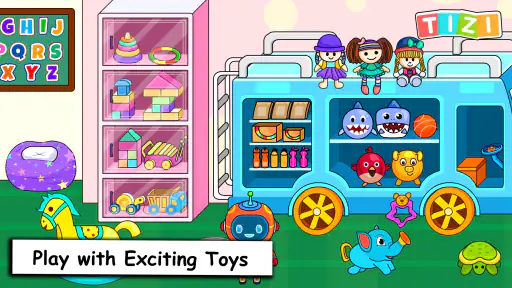
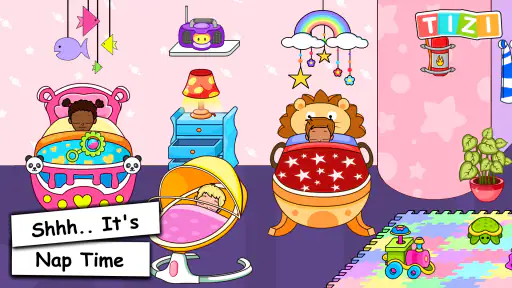
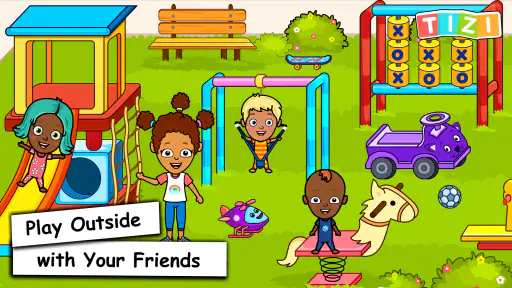
My Tizi Town Daycare Baby Game boasts several engaging features, including a variety of interactive environments such as playrooms, nap areas, and outdoor spaces. Players can customize their daycare with different toys and decorations. The game encourages role-playing by allowing children to care for babies, feed them, and put them to sleep, enhancing their creativity and social skills.
Does My Tizi Town Daycare Baby Game contain in-app purchases or ads?
Yes, My Tizi Town Daycare Baby Game does include in-app purchases and ads. While the basic version of the game is free, certain features and items can be unlocked through purchases. Ads may also appear during gameplay, but there is usually an option to remove them by purchasing the premium version, providing an ad-free experience.
How can I ensure my child's safety while playing My Tizi Town Daycare Baby Game?
To ensure your child's safety while playing My Tizi Town Daycare Baby Game, it is advised to supervise their gameplay, especially if they are younger. You can also adjust in-app purchase settings to prevent unauthorized transactions. Additionally, discussing online safety and the importance of not sharing personal information will help create a secure gaming environment for your child.


