

My Story: Choose Your Own Path
- Reviews
- 4.2
- Version
- 6.13
- Installs
- 10,000,000+

Screenshots



 Analysis by Frivlyz
I went into My Story: Choose Your Own Path expecting a light, choice-driven read, and that is the best way to approach it. It is a role-playing game built around following fictional characters through dramatic situations and deciding how they respond. Rather than asking you to master combat or explore a large map, it makes the story itself the main activity. For a first-time player, that means the important early question is simple: do you enjoy reading a scene, weighing a response, and seeing where it leads?
What to expect from a choice-led game
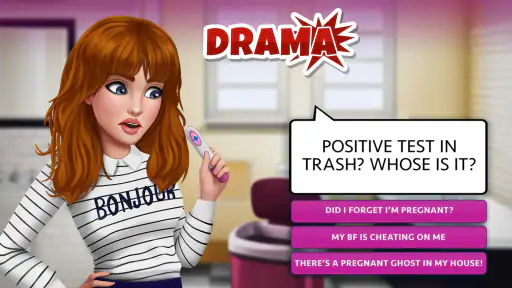
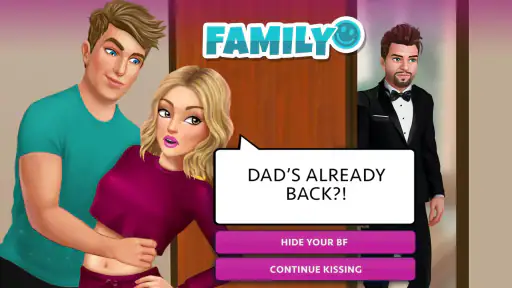
The stories are arranged around familiar dramatic genres, including romance and mystery, so you can choose a tone that suits your mood. In my experience, the appeal is less about solving a difficult puzzle and more about becoming invested in a character’s relationships and dilemmas. A decision may feel small in the moment, but it still gives you a reason to pause and consider what kind of person you want the protagonist to be.
That focus makes the game a different sort of role-playing experience from a typical fantasy RPG. There is no need to learn a complicated set of battle rules before enjoying a chapter. Instead, the central loop is reading, choosing, and continuing. If you usually play games in short bursts, a scene can fit into a break; if you prefer a longer session, you can settle in and follow the emotional thread through several story moments.
The game is free to download, while optional in-app purchases range from $0.99 to $99.99 per item. I would treat purchases as a possible convenience or extra, not as a requirement to decide whether the storytelling suits you. Before spending, it is sensible to notice when the game presents a paid option and ask whether that choice matters to your enjoyment. Players who want a completely purchase-free experience may find that the presence of in-app offers is a distraction.
Getting started without overthinking it
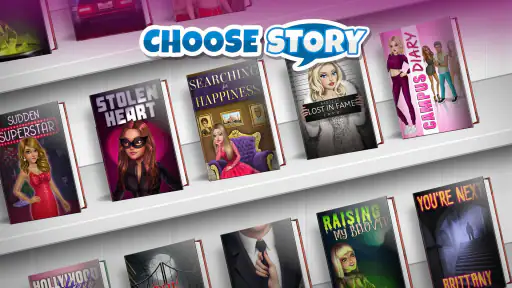
On your first visit, take a moment to browse the available story choices rather than committing to the first one you see. Pick a genre you already enjoy, since familiar subject matter makes it easier to judge whether the writing and pacing work for you. You do not need to find a supposedly perfect opening story; the useful first step is simply choosing one that sounds fun enough to follow.
Then let the opening scenes establish who the characters are before trying to optimize every decision. A choice-based story is more satisfying when you respond naturally to the situation instead of treating each prompt as a hidden test with one correct answer. I found it helpful to decide what mattered to my character—honesty, loyalty, self-protection, or romance—and use that as a loose guide. It keeps choices coherent without taking away the pleasure of being surprised.
Character customization adds a personal touch, with options such as outfits and hairstyles. My practical advice is to make a quick choice that feels right and get into the story. It is easy to spend more time adjusting appearance than discovering whether the narrative itself clicks with you. You can enjoy the role-play without making the character a perfect stand-in for yourself; sometimes a slightly different persona makes a dramatic decision easier to explore.
Gaming Stories You May Enjoy

Dancing Road Turns Short Breaks Into a Test of Rhythm and Timing

Super Stylist Makes Every Outfit a Test of Taste and Patience

Dominoes on Your Terms: Who Should Play and Who Should Pass

Pokémon GO Makes the Familiar World Feel New

Chess.com Turns Rematches Into Rivalries, but Community Has Its Costs

Archery Battle 3D Review: Sharp Aiming, Unclear Feedback
Finding the first satisfying moment
Your first meaningful success is not a score or a difficult challenge cleared. It is reaching a point where you understand a character’s motivation and your response feels like yours. To get there, read the setup around each decision, consider what the protagonist knows at that moment, and choose in keeping with your interpretation. That small routine makes the interactive parts feel less arbitrary and helps the story’s emotional stakes land.
For example, imagine opening the game while waiting for a friend at a café. You have a few minutes, so you read one scene and meet a character facing a tense conversation. Rather than tapping quickly just to move on, you pause long enough to decide whether your protagonist should speak candidly or avoid making the situation worse. Even if you stop soon afterward, you have had a complete little piece of role-play: context, judgment, and a consequence to wonder about.
One useful habit is to notice why you chose an answer, not only what happened next. If you are playing for romance, think about whether you want to pursue a connection or keep the protagonist independent. If you are drawn to mystery, pay attention to details in the conversation before selecting a response. This turns a casual reading session into a more deliberate one, without requiring notes or a complicated strategy.
Your Story, Your Choice
As soon as you open the app, you’re greeted with a variety of genres to choose from. Whether you’re into romance, drama, or mystery, My Story: Choose Your Own Path has something for everyone. I personally dove into a romantic saga, because hey, who doesn’t love a good love story?
Immersive Storylines
The thing that stands out about this app is its immersive storylines. The characters are richly developed, and the narrative pulls you in from the get-go. As I navigated through the plot, I felt like I was in control of my destiny. Each decision, no matter how small, had the potential to alter the course of the story dramatically. It was thrilling!
Interactive Experience
What sets My Story: Choose Your Own Path apart is its interactive experience. The app doesn’t just throw choices at you; it makes you think about the repercussions of your actions. Do you help a friend in need or focus on your own problems? These choices kept me on my toes and engaged throughout.
Compared with a traditional novel, the obvious difference is that you are not only receiving the author’s chosen sequence of events; you are asked to take a position inside the scene. Compared with a role-playing game built around battles, leveling, or open exploration, the emphasis here is on following a narrative rather than learning systems. That makes it a good fit if you want fiction with participation, but a weaker match if you want tactical depth, fast action, or a world to roam freely.
It also sits apart from purely casual games that reward quick taps or repeated rounds. Here, the pleasure depends on caring about what is being said and how a decision might affect a relationship or situation. If you are in a noisy place or have only a moment of attention, you may get less out of a scene than you would from a simple puzzle. I would save the more emotionally involving chapters for a time when you can read comfortably and remember the context.
Customization Options
Another feature I loved is the customization options. You can personalize your character to reflect your style, making the experience even more relatable. From choosing outfits to hairstyles, the app lets you create a character that truly feels like an extension of yourself.
There is a useful trade-off in that personalization: it can help you feel present in the fiction, but it does not replace the story decisions themselves. If you are mainly looking for a deep character creator, this may not be the right reason to install it. I would treat appearance choices as a way to set the mood, then judge the game by whether you enjoy its scenes and the role you take in them.
Another practical point for a new player is to avoid assuming that every response has an obvious “best” outcome. These stories work better when you choose according to the character you want to play, rather than repeatedly second-guessing yourself. If a consequence surprises you, that is part of the appeal of interactive fiction. It can also be a limitation: people who dislike ambiguity or want complete control over every plot turn may find the choices less satisfying.
Visual and Audio Appeal
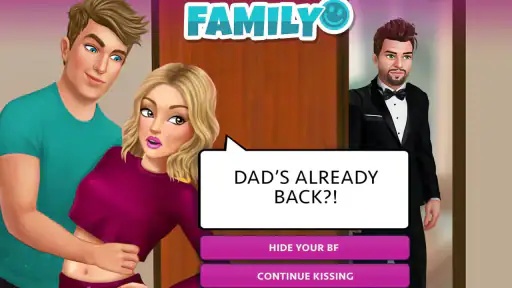
The visuals in My Story: Choose Your Own Path are stunning. Each scene is beautifully illustrated, making the experience feel like you’re watching a high-quality animated series. The ambient soundtracks and effects further enhance the immersion, making me feel like I was living in the story’s world.
For a more comfortable first session, I would start with one story and give it enough time to establish its cast, rather than jumping between several openings. This makes it easier to remember names and understand why a conversation matters. If you only have a short break, stopping after a natural pause is better than rushing through a decision just to finish a chapter. The game’s strength is investment in a particular thread, so a little continuity helps.
Who will enjoy it—and who may not
I would recommend it to readers who like romance, drama, or mystery and want to influence a protagonist’s reactions without taking on the demands of a strategy-heavy game. It can also suit someone looking for a low-pressure evening activity: choose a story, settle into its atmosphere, and make decisions at a comfortable pace. The central pleasure is personal involvement, not proving skill through a leaderboard or mastering a difficult control scheme.
I would suggest skipping it if you mainly want action, extensive exploration, or a story that never interrupts itself with choices. It is also less suitable for readers who prefer a fixed novel and do not want to be asked to make decisions, or for players who dislike optional purchase prompts in free games. In those cases, a conventional ebook or a more mechanics-focused RPG will likely be a better fit.
The game is from NANOBIT, has a Teen content rating, and is available for devices running Android 5.0 or later. It was released on April 11, 2017, and its current version is 6.13. Its audience is substantial, with a 4.2 average from around 1.2 million ratings and over 10 million installs. Those figures suggest that the format has found many players, but they do not guarantee that its writing style will match your taste; the best test is whether you enjoy the first story you choose.
Common points of confusion
The biggest expectation to adjust is what “your choice” means. The game invites you to guide a story, but that does not mean every decision will create a completely separate adventure or that you can predict every consequence. I recommend approaching choices as role-play: decide what your character would do with the information available, then follow the result. That keeps the experience enjoyable instead of turning every scene into an attempt to reverse-engineer the plot.
It is also easy to confuse customization with a promise that every detail of the character or story is under your control. Personalizing a look makes the protagonist feel more individual, while the larger experience remains a guided narrative. If you expect an open-ended simulation where you can freely reshape everything, you may be disappointed. If you expect a series of illustrated stories with meaningful moments of participation, the structure makes more sense.
For readers wondering whether they must pay to get started, the game is free to download, but it includes optional purchases. I would begin without buying anything and see whether the story’s pacing and choices hold your interest. If an in-game offer appears, decide based on what it adds for you rather than feeling that a purchase is needed simply because it is visible. That is especially useful for anyone trying the game casually or introducing it to a younger teen.
Taking the next step
Once you know which genre and style appeal to you, give a story a fair trial over more than a single isolated choice. Notice whether you look forward to the next scene, whether the characters’ dilemmas make you care, and whether shaping the protagonist feels rewarding. Those are better signals of fit than how quickly you can move through the opening. If the first premise does not catch you, choosing a different tone may be more useful than assuming every story will feel the same.
For a shared recommendation, I would describe it as a game to play alongside a conversation: compare what each person would choose, then explain why. That works particularly well with a dramatic dilemma because there may be no answer everyone agrees on. It is not a substitute for multiplayer play, but discussing a decision can make the story feel richer and reveal how differently people read the same scene.
As a role-playing game, it keeps the barrier to entry low: you do not need to study a manual before beginning, and your first useful action is simply selecting a story and making a considered choice. The best way to decide whether to continue is to pay attention to your own response. If you are curious about what happens after a scene, the format is doing its job; if you keep wishing to skip the reading, a different kind of game will suit you better.
To sum it up, My Story: Choose Your Own Path is an app that delivers an engaging and interactive storytelling experience. It’s perfect for those who love to read but want to be an active participant in the story. Whether you’re looking to escape into a world of romance, drama, or mystery, this app offers a unique journey tailored by your choices. It’s like being the author of your own adventure, and trust me, it’s as fun as it sounds!
My Story: Choose Your Own Path Pros and Cons
Pros
- Engaging interactive storytelling.
- Wide variety of story genres.
- Regular updates with new stories.
- High-quality graphics and sound.
- Easy-to-use interface.
Cons
- In-app purchases can be pricey.
- Some stories may have cliché plots.
- Limited free story options.
- Occasional bugs in the app.
- Requires internet connection.
Frequently Asked Questions
What is My Story: Choose Your Own Path?
My Story: Choose Your Own Path is an interactive storytelling app that allows users to dive into various narratives where their choices shape the outcome. Each story offers a range of scenarios and endings, providing a customized reading experience that is both engaging and personal.
How does the choice mechanism work in the app?
In My Story: Choose Your Own Path, you will encounter numerous decision points throughout each narrative. Your choices will influence the direction of the story, leading to different scenes and possible endings. This mechanism ensures that every decision has a consequence, making each playthrough unique and exciting.
Is My Story: Choose Your Own Path free to play?
While My Story: Choose Your Own Path is free to download and play, it includes in-app purchases. These purchases can enhance the gameplay experience by providing additional story tickets or unlocking premium choices and items. Players can still enjoy the core game without spending money, but certain features may be limited.
Can I play My Story: Choose Your Own Path offline?
My Story: Choose Your Own Path requires an internet connection to download new stories and updates. However, once a story is downloaded, you can enjoy it offline at your convenience. This feature allows for flexibility in how and where you choose to engage with the app's content.
What types of stories are available in My Story: Choose Your Own Path?
The app offers a diverse range of stories, including romance, drama, fantasy, and mystery. Each genre provides unique narratives and character-driven plots that cater to a wide audience. This variety ensures that there is something for everyone, regardless of their personal taste in storytelling.


