

Monkey Mobile Arena
- Reviews
- 4.3
- Version
- 5.3.1
- Installs
- 1,000,000+

Screenshots





 Analysis by Frivlyz
I usually look for a quick multiplayer game when a few people are sharing a phone or have a little time to fill, and Monkey Mobile Arena is built around a simple source of tension: staying ahead of the other players. It is an online adventure game from Dumitru Boico, and its central appeal is easier to understand than a long list of modes or progression systems. You join a tag-style match, watch what the others are doing, and try not to be the one caught. That makes it an easy game to explain to someone nearby, even if they have not played much on mobile.
A shared-device game that needs a little planning
For a household, the straightforward premise is useful: one person can show another the basic idea without first walking them through a complicated story or build. I can imagine passing the phone around after dinner, with each person taking a turn and the rest watching the chase unfold. The catch is that this is an online multiplayer game, not a traditional pass-and-play title. A shared device does not mean everyone can participate in the same match from one screen, so it works best when each player has access to a device and can join online.
That distinction matters if you are choosing a game for siblings or visitors. Before promising a group match, check that everyone can get into the game and is comfortable playing on their own screen. If only one device is available, taking turns can still make for a short, casual session, but it will not recreate the shared-screen feel of a party game. I would pick a local multiplayer option instead when the point is for everyone to sit around one phone or tablet together.
Keep accounts and turns separate
When a phone is shared, I would treat each session as belonging to the person who is currently playing rather than assuming the game provides household profiles or child-specific settings. Agree on whose account is being used before starting, and avoid casually handing over a device that is already signed in if another player should not use that account. This is a practical boundary, not a special feature: it helps prevent confusion about who is playing and who is responsible for any account activity.
For a quick handoff, I would also make the end of a turn explicit. Let the current player finish the match, then pass the device; interrupting an online round can be frustrating for that player and potentially for the people in the match. If several people want to play at once, separate devices make more sense than trying to rotate one phone between active matches. Those small decisions make the game easier to fit into a busy home without turning a casual session into an argument over the screen.
Coordination is part of the fun—and the friction
The chase premise gives players an immediate reason to pay attention to one another, so friends can coordinate informally while playing. A useful habit is to agree on a simple plan before a match rather than trying to invent one while everyone is moving: decide who will take the lead, or whether the group will stay near one another. Keeping the plan brief leaves room to react when the action changes. Since the game is online, a stable connection and a moment when players can focus are more important than they would be for a solitary puzzle.
Online play also means a match depends on other people being available and on the connection behaving well. I would not choose it as a guaranteed five-minute activity for a group that has to leave at any second; an offline game is a safer pick when interruptions are likely. Nor would I assume that friends can always coordinate through a particular chat or invite flow. The sensible approach is to check how your group can join before setting aside time, then keep expectations flexible if someone has trouble getting into the same session.
Gaming Stories You May Enjoy

Dancing Road Turns Short Breaks Into a Test of Rhythm and Timing

Super Stylist Makes Every Outfit a Test of Taste and Patience

Dominoes on Your Terms: Who Should Play and Who Should Pass

Pokémon GO Makes the Familiar World Feel New

Chess.com Turns Rematches Into Rivalries, but Community Has Its Costs

Archery Battle 3D Review: Sharp Aiming, Unclear Feedback
Age, trust, and the kind of play it suits
The game carries a Teen age rating, which is worth considering before younger children use it. A rating is a useful starting point, but it is not a substitute for a parent or guardian deciding what fits a particular child. I would be especially thoughtful about online play on a shared family device: make sure the person playing understands that other players are real people, and agree on when to stop if the session becomes uncomfortable or distracting.
Its free-to-play entry point makes trying a round low-commitment, but optional in-app purchases are available, with items priced from $1.99 to $29.99. On a device used by more than one person, I would set clear expectations before handing it to a child and review the device’s purchase protections. That advice does not depend on assuming the game has a particular parental-control feature. The practical point is simply to keep spending decisions with the account holder, especially when a shared phone makes it easy to confuse one player’s choices with another’s.
How it compares with familiar mobile choices
Compared with a solo adventure, this is a better fit when the fun comes from reacting to human opponents rather than exploring at your own pace. Compared with a conventional tag game played in person, it is more convenient when friends are apart, but it cannot replace the physical movement and face-to-face energy of chasing one another outdoors. And beside a team-based action game, its central chase idea is easier to grasp, though players looking for a deep story, lengthy solo progression, or a carefully planned competitive ladder may prefer a different kind of game.
I would also separate it from a simple offline arcade game. An offline alternative is more dependable on a commute, during a weak connection, or when you only want a quick distraction without coordinating with anyone. Monkey Mobile Arena makes more sense when the people you want to play with are ready to be online and you enjoy the unpredictability of opponents. That trade-off is central to deciding whether it belongs on your phone: the multiplayer premise is the draw, but it also makes the experience less self-contained than a single-player game.
Jumping into the Arena
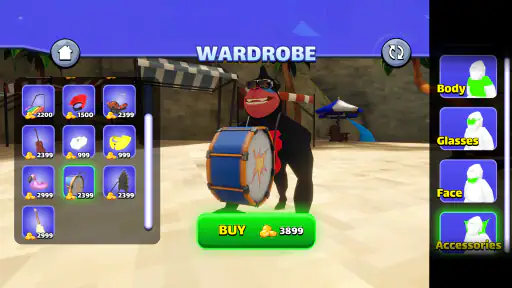
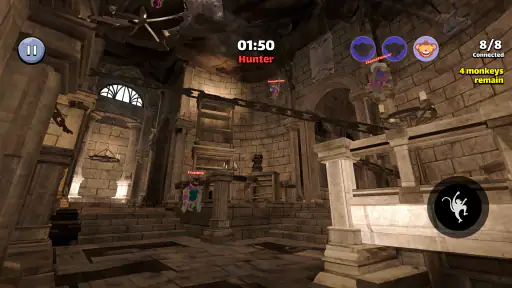
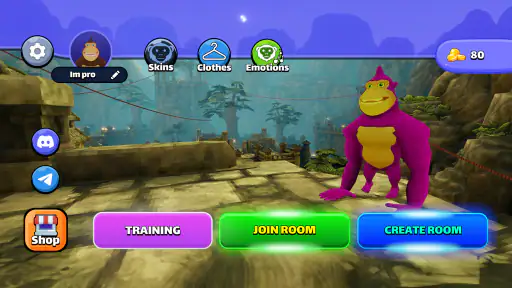
From the moment you fire up Monkey Mobile Arena, you’re thrown into a vibrant world full of color and chaos. The graphics are top-notch, making every character and arena look lively and engaging. The game does a stellar job of combining fun visuals with smooth animations that keep you glued to the screen.
What the chase asks of players
Monkey Mobile Arena is free to play, has an average rating of 4.3 from around 6,700 ratings, and has passed one million installs. Those figures suggest that it has found an audience, but they are not a promise that every match will suit every player. The game was released on March 29, 2024, and version 5.3.1 is the current version. It is listed for devices running Android 7.0 or later. Those details are useful when checking whether an older phone can install it, though the online format still makes connection quality a separate consideration.
Gameplay Mechanics
Alright, let’s talk about the gameplay. It’s all about strategy and quick reflexes here. You control a team of monkeys, each with unique abilities and strengths. Your goal? Outsmart your opponents and dominate the arena. The controls are intuitive, which is a big win in my book. You can easily maneuver your characters, making it accessible for both newbies and seasoned players.
The game modes are varied, offering everything from solo challenges to team battles. It keeps things fresh and exciting, ensuring you never get bored. Plus, the matchmaking is pretty solid, so you’re always up against players of a similar skill level.
Making short sessions work
For someone trying it for the first time, I would start by focusing on the basic rhythm of a match: watch where the other players are, avoid reacting too late, and learn how the controls feel before worrying about playing perfectly. In a tag game, staying aware can matter more than making elaborate plans. If you are showing it to a friend, let them take a full turn at the controls rather than explaining every move in advance; the core idea is simple enough to learn by doing.
A practical everyday use is a brief break when a friend is already online and both of you have enough time to finish a round. It is less suitable for those spare moments when you cannot risk being interrupted. I would also avoid judging the game from one match: multiplayer rounds can feel different depending on who is playing and how well everyone connects. If the first session feels hectic, try another when you are less rushed before deciding whether the pace is for you.
Strategizing for Victory
If you love strategizing, this game will be your new best friend. Each monkey comes with its own set of skills, and figuring out the best combinations can be a fun puzzle. Whether you’re going for a high attack strategy or a more defensive setup, there’s plenty of room for experimentation.
One of the coolest parts? The power-ups scattered throughout the arena. Grabbing these at the right moment can turn the tide of the battle, adding an extra layer of depth to the gameplay. You’ll find yourself constantly adapting, which is part of what makes the game so addictive.
Learning without overcommitting
My advice is to experiment with one change at a time. If you switch your approach and your chosen characters all at once, it is hard to tell what actually helped. Try a more cautious run, then a more direct one, and pay attention to how the timing of a power-up changes the encounter. That gives each match a small purpose beyond simply trying to win, and it can make the learning curve feel less random.
There is a trade-off, though: a player who enjoys careful, repeatable planning may find the live chase less predictable than a turn-based strategy game. Other people’s decisions can undo a good plan, so adaptability matters more than perfect preparation. I see that as part of the appeal for casual groups, but it may frustrate someone who wants outcomes to depend mainly on long-term optimization or solo practice.
The Social Element
What’s a multiplayer game without a bit of social interaction, right? Monkey Mobile Arena offers a robust social platform where you can team up with friends or make new ones. The in-game chat and friend system are seamless, making it easy to coordinate strategies or just have a bit of banter.
There are also regular updates and events, which keep the community engaged. You’ll always have something new to look forward to, be it a special event or a new monkey character to master.
Choosing the right group
For friends who like playful competition, the social side can turn a short match into a shared routine: meet online, play a few rounds, and compare what worked afterward. It is a better match for people who can keep the tone friendly when someone gets caught or loses. If your group prefers quiet solo play, or if online interaction is a source of stress, the social emphasis may feel like extra work rather than a benefit.
On a family device, I would keep the social context in mind without assuming every player wants the same level of interaction. An adult may enjoy meeting other players, while a younger person may need more guidance about how to behave in an online game. Set household expectations before play, and choose a different game if you want an experience that is entirely offline or controlled within a single, familiar group. That is a better fit than expecting a multiplayer title to behave like a private family activity.
Who should give it a try
I would recommend it to players who like quick reactions, light tactical choices, and the unpredictability of competing with people rather than a fixed computer challenge. It can also work for friends who want an easy premise to rally around, provided everyone has a way to play online. The Teen rating, free entry, and accessible central idea make it straightforward to consider, while the optional purchases are a reason to handle shared-device spending thoughtfully.
I would steer away from it if you need dependable offline play, dislike online competition, want a narrative adventure to explore at your own pace, or are looking for a one-device party game. It is also not my first choice for a household where players cannot agree on account use or spending boundaries. A calmer single-player game or a local multiplayer alternative would serve those needs better. Knowing that before downloading is more useful than expecting one game to suit every person in the home.
In conclusion, Monkey Mobile Arena is a blast. It’s a game that combines fun, strategy, and social interaction in a way that keeps you coming back for more. Whether you’re a casual gamer or a competitive player, there’s something here for everyone. So, if you’re up for some monkey business, give it a shot and see how you fare in the arena!
My household verdict
For me, its strongest case is a ready-made group of friends who enjoy a lively online chase and can play without fighting over one device. The weakest case is a household expecting offline entertainment, a private shared-screen match, or a hands-off experience for younger players. I would try it when the group is available, keep account and purchase decisions clear, and judge the fun by how the actual matches feel rather than by the bright presentation alone. If that sounds like your kind of break, it is worth a look; if not, there are better choices for a quieter or more self-contained session.
Monkey Mobile Arena Pros and Cons
Pros
- Engaging multiplayer battles
- Wide variety of characters
- Frequent updates
- Smooth graphics
- Cross-platform support
Cons
- Can be pay-to-win
- Occasional connectivity issues
- In-app ads
- High battery consumption
- Requires constant internet
Frequently Asked Questions
What is Monkey Mobile Arena?
Monkey Mobile Arena is an action-packed multiplayer online battle arena (MOBA) game designed for both Android and iOS platforms. Players can engage in thrilling battles using a variety of unique characters, each with special abilities, in fast-paced matches. The game combines strategy with real-time combat, offering an immersive gaming experience for mobile users.
Is Monkey Mobile Arena free to play?
Yes, Monkey Mobile Arena is free to download and play. However, the game includes optional in-app purchases that allow players to unlock premium content, such as exclusive characters, skins, and other enhancements. While these purchases can enhance the gaming experience, they are not necessary to enjoy the core gameplay.
What are the system requirements for Monkey Mobile Arena?
Monkey Mobile Arena requires Android 5.0 or higher and iOS 11.0 or later. The game is optimized for devices with at least 2GB of RAM to ensure smooth gameplay. For the best experience, it is recommended to play on a device with a stable internet connection and sufficient storage space to accommodate regular updates and new content.
Can I play Monkey Mobile Arena with friends?
Absolutely! Monkey Mobile Arena supports both local and online multiplayer modes, allowing you to team up with friends or compete against players from around the world. You can join existing matches or create private rooms to play exclusively with your friends, making it a great way to connect and enjoy the game together.
How does matchmaking work in Monkey Mobile Arena?
Matchmaking in Monkey Mobile Arena is designed to pair players of similar skill levels to ensure fair and competitive matches. The game uses a ranking system that evaluates your performance and matches you with players who have similar rankings. This helps maintain balanced gameplay and enhances the overall gaming experience.


