

Mighty Party
- Reviews
- 3.6
- Version
- 46.1.1
- Installs
- 10,000,000+

Screenshots

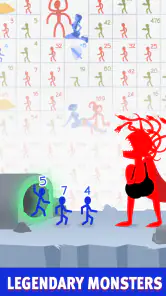
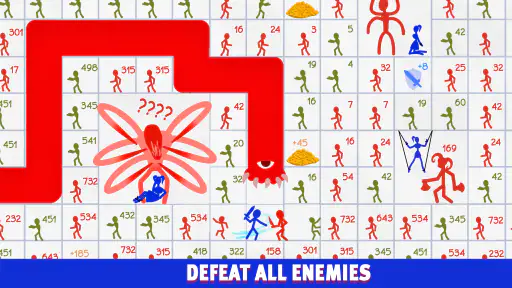
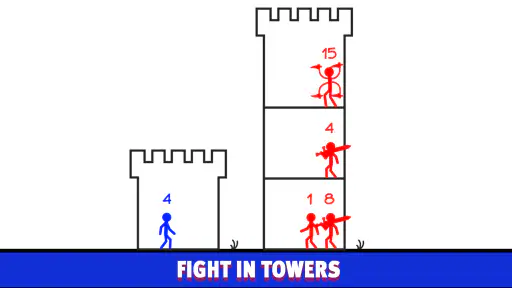
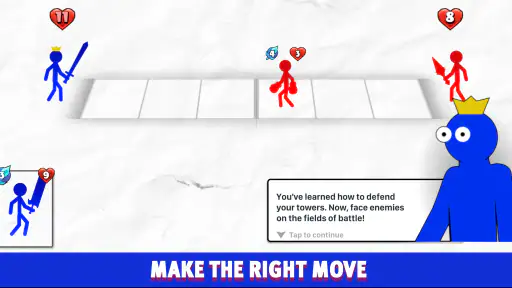


 Analysis by Frivlyz
I came to Mighty Party looking for a strategy game that could fit into short breaks, rather than demand one long session. Its turn-based battles make that a reasonable expectation: I can pause to consider a move instead of relying on quick reflexes. The game has grown on me most when I treat each match as a small tactical puzzle, not a race to collect everything or climb as fast as possible.
Why the turn-based battles matter
The most useful thing about the format is the room it gives me to think. A turn-based match creates a natural pause between decisions, so I can look at the board, weigh what an opponent might do next, and choose a response. That is a different kind of tension from an action game, where success often depends on timing and quick inputs. Here, patience and reading the situation are part of the fun.
That rhythm also explains why the game can work in a brief everyday window. I might open it while waiting for a kettle to boil or during a quiet part of a commute, play a battle, then put my phone away. I would not count on every session feeling equally quick, since deciding on a move can take longer when a match gets complicated. Still, the turn structure is friendlier to interruptions than a game that expects constant attention.
How I approach a match
I get more from battles when I look at the whole team rather than treating each hero as an isolated upgrade. The roster encourages experimentation: a lineup that seems strong on paper may not work as well together as a less obvious combination. When a plan fails, I try changing one part of the team at a time. That makes it easier to understand whether a different hero, role, or sequence of decisions helped, instead of rebuilding everything and learning nothing from the result.
There is a practical trade-off here. Team tinkering is rewarding for players who enjoy comparing options, but it can feel like homework if you only want to jump into a fight without thinking about composition. I recommend settling on a dependable core team before experimenting widely. That gives you a point of comparison and helps avoid spending every session swapping heroes without learning how any lineup performs.
I also try not to judge a strategy by one win or loss. In a battle against another person, an unexpected move can disrupt a sensible plan, and a single result does not always show whether the team itself is sound. I pay attention to what caused trouble: did I leave a weakness uncovered, or did I commit to a move without considering a likely response? That habit turns even a disappointing match into useful information.
A good fit for small pockets of time
A realistic routine is to play one battle during a short break, then use a longer session later to review the team and try a different combination. The quick visit stays focused on the match; the longer one is where the collection and upgrade decisions make more sense. Separating those activities keeps the game from becoming a stream of impulsive changes, especially if I have just lost and feel tempted to overhaul the lineup immediately.
Gaming Stories You May Enjoy

Dancing Road Turns Short Breaks Into a Test of Rhythm and Timing

Super Stylist Makes Every Outfit a Test of Taste and Patience

Dominoes on Your Terms: Who Should Play and Who Should Pass

Pokémon GO Makes the Familiar World Feel New

Chess.com Turns Rematches Into Rivalries, but Community Has Its Costs

Archery Battle 3D Review: Sharp Aiming, Unclear Feedback
For a player who likes to make deliberate choices but does not want every game to be a long campaign, this structure is appealing. I can enjoy the tactical part without needing to settle in for a sprawling role-playing quest. On the other hand, anyone looking for a deep, story-led adventure or a pure reflex challenge should look elsewhere. The appeal here is the repeated decision-making around battles and team choices, not a promise of a particular narrative or a test of fast fingers.
Compared with many role-playing games built around exploration and long stretches of story, this one puts more weight on assembling a useful group and making choices in compact encounters. Compared with a conventional card battler, its hero-collection and team-building angle gives me another layer to think about beyond the immediate play of a match. That blend is the point, but it also means it may not satisfy someone who wants either a traditional RPG journey or a stripped-down card game with minimal roster management.
A strategy game with room to experiment
Right off the bat, Mighty Party hooks you with its vibrant graphics and engaging gameplay. It's not just another turn-based strategy game; it’s a mix of chess and card game dynamics that truly keeps you on your toes. The objective is simple: build your team, strategize your moves, and outsmart your opponents. Sounds easy, right? Well, think again. The game pushes you to think several steps ahead, just like in chess, making every move crucial.
Building Your Dream Team
One of the aspects I love the most is the variety of heroes you can collect and upgrade. Each hero comes with unique abilities and roles, allowing you to mix and match to find the perfect synergy for your team. This part of the game is like a sandbox for strategists. You have the freedom to experiment and see which combinations work best against different opponents. It’s incredibly satisfying when you finally find that winning combination after much trial and error.
My advice is to change teams with a purpose. If a particular opponent or battle exposes a weakness, make one considered adjustment and see whether it addresses the problem. Keeping notes in your head about which combinations felt reliable can help, too; it prevents a promising setup from being forgotten after a few experiments. The aim is not to discover one unbeatable team, but to build a roster you understand well enough to adapt when a match calls for it.
Collection and upgrades can also change how a player thinks about progress. If you enjoy developing a team over time, that ongoing set of choices gives each battle context. If you would rather have every option available from the start, collecting and improving heroes may feel like friction rather than motivation. I would approach upgrades as a way to support a playstyle I already enjoy, not as a reason to chase every possible hero or assume that a bigger collection automatically solves tactical problems.
The Competitive Edge
If you’re someone who thrives on competition, the PvP aspect of Mighty Party will surely get your adrenaline pumping. Facing real players from around the world adds a layer of unpredictability and excitement. You never know what strategy your opponent might employ, which keeps the game fresh and exciting. Plus, climbing up the leaderboard gives a rewarding sense of accomplishment.
That unpredictability is a strength, but it can also be a source of frustration. A carefully considered plan can still run into a response I did not anticipate, and competitive play is less relaxing than testing ideas at my own pace. I would choose PvP when I want a challenge, not when I am already impatient or only have a moment to spare. If losing a close match tends to spoil a gaming session, it is worth keeping the competitive side in perspective rather than making rank the only measure of enjoyment.
Players deciding whether to spend money should take the same measured approach. The game is free to start, while optional in-app purchases range from $0.99 to $134.99 per item. I would first find out whether the battle loop and team-building are enjoyable without paying. Purchases may appeal to someone who already knows they want to invest more, but they are not a substitute for learning how a lineup works or making thoughtful choices in a match.
The game is rated Everyone, which makes its audience broad, but that does not mean every play style will suit every player. The strategic decisions and collection loop are the important considerations for a family choosing a game: a younger player may enjoy building a team, while someone who dislikes competitive pressure may prefer a gentler, story-focused alternative. I would also check the purchase options with a child before handing over a device, since the game offers paid items even though it can be played for free.
For Android users, the listed minimum operating system is Android 6.0, and the current version is 46.1.1. The game is developed by PANORAMIK GAMES LTD and has been available since February 9, 2018. Its average rating is 3.6 from around 470,000 ratings, with about 18,000 written reviews and over 10 million installs. Those figures suggest a large audience, but I would treat the middling average as a reminder that its blend of competition, collection, and tactical play will not click with everyone.
Events and challenges give me reasons to return beyond ordinary player battles, but I would avoid treating every reward as a task that must be completed. If an event fits the way I already want to play, it adds a useful goal; if it starts dictating every session, the game can feel more like a checklist. I prefer choosing a challenge that supports my current team-building goals, then leaving the rest for another time. That keeps progression connected to experimentation rather than turning play into an obligation.
Aside from PvP, there are numerous events and challenges that keep you coming back for more. These events are not just filler; they offer meaningful rewards that aid in upgrading your heroes, making progression feel rewarding rather than grindy.
Presentation and the right expectations
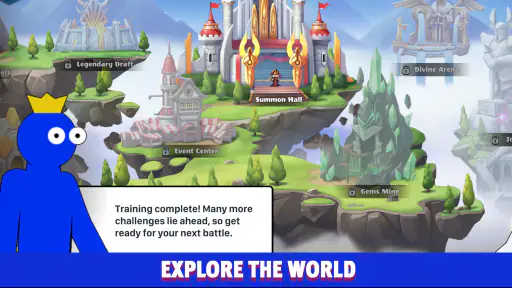
I must say, the developers have done a stellar job with the visuals and soundtrack. The colorful and detailed graphics immerse you in the game world, while the catchy music and sound effects enhance the overall experience. It’s these little touches that make the game not only fun to play but also pleasant to look at and listen to.
The presentation helps make the battles easy to approach, but I would not choose the game for visuals alone. Its strongest reason to stay installed is the combination of tactical turns and a roster that invites testing. If I am in the mood for a quiet puzzle, I can focus on decisions; if I want a different pace, the competitive side gives those same decisions more pressure. The sound and colorful look make that loop more inviting without replacing it.
For a newcomer, the most useful question is not whether the game has a huge amount to collect, but whether adjusting a team sounds enjoyable. If the answer is yes, give yourself time to learn what different combinations do before judging the experience. If the answer is no, the collection layer is likely to become a chore. Likewise, players who want an entirely solo experience may be better served by a role-playing game centered on a personal story rather than one whose competitive battles are a major draw.
In conclusion, if you’re in the market for a game that challenges your strategic mind while providing endless entertainment, Mighty Party is definitely worth a try. Whether you’re a seasoned strategist or a newcomer to the genre, this game offers something for everyone. So, what are you waiting for? Dive into the world of Mighty Party and see if you have what it takes to become a true champion!
Mighty Party Pros and Cons
Pros
- Engaging turn-based strategy.
- Colorful graphics and animations.
- Frequent updates with new content.
- Multiplayer mode is exciting.
- Variety of heroes and abilities.
Cons
- In-app purchases can be costly.
- Requires stable internet connection.
- Limited offline gameplay.
- Some heroes feel overpowered.
- Occasional bugs and glitches.
Frequently Asked Questions
What is Mighty Party and what platforms is it available on?
Mighty Party is a strategic, turn-based card game that blends elements of tactical battles and role-playing. Players can collect and upgrade heroes, engage in PvP battles, and participate in various events. The game is available on both Android and iOS platforms, making it accessible to a wide range of mobile users.
How do I progress and improve my heroes in Mighty Party?
In Mighty Party, progression is achieved by collecting and upgrading heroes. Players earn resources and cards through battles and events, which can then be used to enhance hero abilities and stats. It's important to strategize by building a balanced team and continuously upgrading to tackle tougher challenges as you advance.
Is Mighty Party free to play, or does it have in-game purchases?
Mighty Party is free to download and play, offering a wide array of content without any cost. However, the game includes in-game purchases, which allow players to buy premium currency, special packs, and other resources that can accelerate progression or enhance gameplay. These purchases are optional, and players can enjoy the game without spending money.
What kind of events and PvP battles can I expect in Mighty Party?
Mighty Party hosts a variety of events and PvP battles that keep the gameplay exciting and competitive. Players can participate in seasonal events, daily challenges, and special tournaments to earn rewards. The PvP aspect allows players to challenge others in real-time battles, testing their strategic skills and hero combinations against global opponents.
What are the system requirements for running Mighty Party on mobile devices?
To run Mighty Party smoothly on your mobile device, ensure you have a compatible smartphone with up-to-date software. For Android users, a device running Android 5.0 or later is recommended, while iOS users should have a device running iOS 9.0 or later. Adequate storage space and a stable internet connection are also essential for optimal gameplay.


