

Meridian 157: Chapter 1
- Reviews
- 4.7
- Version
- 1.2.4
- Installs
- 50,000+

Screenshots
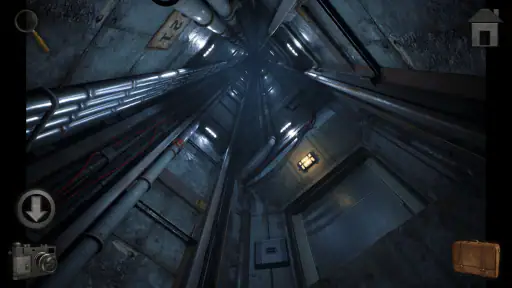

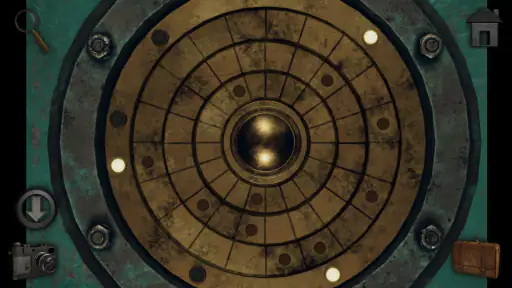
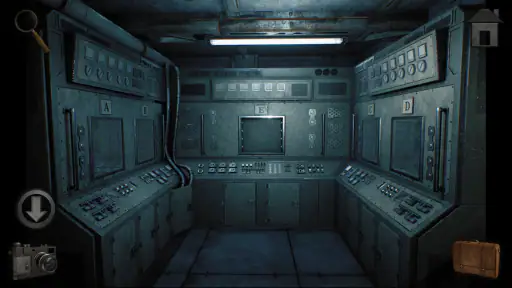
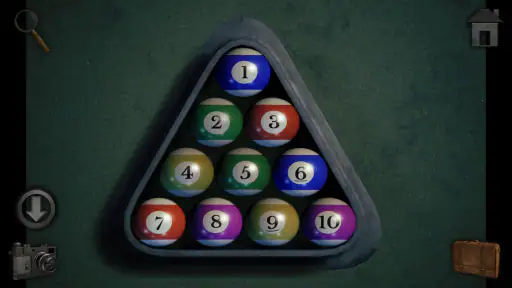

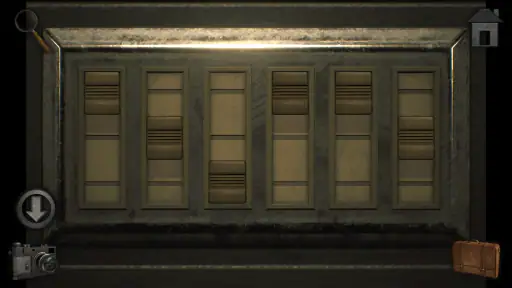

 Analysis by Frivlyz
I find Meridian 157: Chapter 1 works especially well as a shared living-room puzzle: one person can hold the phone while someone nearby studies the scene and suggests what to try next. That makes its mystery a natural fit for a quiet evening or a short break together, rather than a game that demands a long session or a competitive setup. I would treat it as a collaborative story, though, not as a party game; the pleasure comes from looking closely and reasoning things out, not from quick turns or scoring points.
One screen, several investigators
In a household, the most useful way to share the game is to make the person holding the device the “hands” and let everyone else be the “eyes.” The player can describe what is visible, while a second person keeps track of suspicious details or proposes a solution. This simple division helps prevent several people from tapping randomly at once, and it gives quieter players a chance to contribute without needing to control the phone.
A practical habit is to say what you have already tested before trying another idea. Point-and-click puzzles can make small visual clues easy to overlook, and repeating the same tap or combination is frustrating when a group is taking turns. I like pausing briefly after a new clue appears, looking over the whole scene again, and asking what has changed. That turns a shared session into a small investigation rather than a race to guess the answer.
Keeping a shared device manageable
If several people use one phone or tablet, it is worth deciding who is playing before opening the game. A puzzle adventure is easier to follow when one person makes the choices and others advise, especially if the device is likely to be put down and picked up later. I would also agree on whether the group wants to solve everything unaided or is comfortable looking for help if it gets stuck. That avoids spoiling a discovery for someone who would rather keep working on it.
The game is a paid download at $1.99, so it makes sense to think of it as a small shared entertainment purchase rather than a free distraction to install casually. It was released on Oct 29, 2019, and its current version is 1.2.4. NovaSoft Interactive made it for Android devices running at least Android 4.1. Those details matter if the household plans to use an older device, but they do not tell you how comfortable the screen will feel in your hands; I would check that the device is practical for close inspection before settling in for a longer session.
A mystery with an age-appropriate tone
The game carries an Everyone age rating, which makes it easier to consider for a mixed-age household than a title aimed at older players. I would still distinguish an age rating from a promise that every child will enjoy it: the appeal is mystery and careful puzzle-solving, so a young player who prefers bright action or simple, fast rewards may lose interest. For a shared session, an adult can help read the situation and keep the experience conversational without taking every decision away from the child.
I also would not assume that a shared device creates separate personal progress or household profiles. The safest approach is to treat play as belonging to whoever is currently using that device, and to agree as a group before continuing a session someone else started. That little boundary matters with story games: a well-meaning player can move past a clue or reveal a discovery another person wanted to solve themselves.
Gaming Stories You May Enjoy

Dancing Road Turns Short Breaks Into a Test of Rhythm and Timing

Super Stylist Makes Every Outfit a Test of Taste and Patience

Dominoes on Your Terms: Who Should Play and Who Should Pass

Pokémon GO Makes the Familiar World Feel New

Chess.com Turns Rematches Into Rivalries, but Community Has Its Costs

Archery Battle 3D Review: Sharp Aiming, Unclear Feedback
The Mysterious Atmosphere
Right off the bat, the game throws you into a world filled with mystery and suspense. You find yourself on a remote island with nothing but your wits to rely on. The graphics are beautifully crafted, creating an eerie yet captivating atmosphere that makes you feel like you're part of a mystery novel. The sound design is on point too, enhancing the immersive experience with every click and creak.
Engaging Puzzles
If you're a fan of puzzles, you'll love Meridian 157: Chapter 1. The game is packed with a variety of challenges that range from moderately easy to mind-bending. What I love about these puzzles is that they are perfectly integrated into the storyline, making them feel like a natural part of your adventure rather than just obstacles to overcome. Each puzzle solved feels like a victory that propels you further into the depths of the island's secrets.
That design also points to a useful way to play: when a puzzle stalls, I would revisit the scenes and clues already encountered instead of tapping every possible spot in frustration. In an exploration puzzle, an overlooked detail can matter more than a clever guess. If you are playing with someone else, ask them to explain the clue they think is relevant before you try a solution. Hearing the reasoning often reveals whether you have a genuine connection or are simply testing combinations at random.
Storyline Intrigue
The storyline is gripping, to say the least. You play as a detective trying to uncover the mysteries of an anomaly in the north Pacific Ocean. As you delve deeper, you uncover strange occurrences and hidden secrets that keep you guessing. The narrative is well-paced, ensuring that you're constantly engaged without feeling overwhelmed. I found myself eagerly anticipating the next chapter, itching to discover what happens next.
That chapter-based pull is a strength if you enjoy following a mystery over time, but it can also be a reason to choose something else. If you want a puzzle game that wraps up its entire story in one self-contained sitting, this may not be as satisfying as a standalone logic challenge. It is better suited to players who care about why they are solving each puzzle and are happy to let a narrative carry them forward. The detective premise also gives a shared group a useful conversation starter: compare what each person thinks the anomaly means before moving on, rather than treating every scene as a checklist.
One thing that stands out is the quality of the writing. The dialogues are sharp and the plot twists are unpredictable, making the game a thrilling ride from start to finish. The characters you meet along the way are well-developed, adding depth to the story and making your journey all the more engaging.
How it compares with other puzzle games
Compared with quick-match puzzles or abstract brain teasers, this is a slower, more story-led kind of challenge. Those alternatives are better when you have only a minute, want to play without following a plot, or prefer a game that is easy to dip into repeatedly without remembering what happened before. Here, atmosphere and narrative are part of the appeal, so I would choose it when I can give a scene my attention rather than while multitasking.
It also differs from escape-room games built around timers or competition. The satisfaction here comes from noticing, connecting and solving, not from beating another player. For a couple or family sharing one device, that can be a plus: people can discuss the clues at their own pace. The trade-off is that a group member who wants fast action or a clear win condition may feel that progress is too deliberate. The game’s average rating is 4.7 from around 5,600 ratings, and it has over 50,000 installs; I see that as a sign of a well-liked niche experience, not a guarantee that its slower pace will suit everyone.
When to play, and when to pass
A realistic use case is a relaxed evening when one person has the phone and another has a few minutes to help think through a clue. It can also suit a solo commute or a quiet break if you are comfortable concentrating on the screen and returning to a mystery after interruptions. I would avoid starting a puzzle when you need to stop immediately or are likely to be distracted; losing the thread can make a clue feel harder than it is. For a short, mindless break, a simple casual puzzle is the more convenient choice.
There is a modest entry cost, but the game’s value depends less on how often you replay it than on whether you enjoy its first-time discoveries. Players who love solving a mystery may find that worth paying for; people who expect endless new levels or a high-score loop should look elsewhere. The 611 written reviews offer a useful sign that players have had plenty to say about it, but individual tastes still matter more than any aggregate impression. I would choose it for atmosphere, story and considered puzzle-solving, not as an endlessly repeatable daily game.
Replay value
While some might argue that once you solve the puzzles, the replay value diminishes, I found that revisiting the game allowed me to appreciate the finer details I might have missed the first time around. Plus, it’s always fun to challenge yourself to complete the game in record time!
On a second visit, I would focus on details that were easy to skim while I was trying to make progress: the way a scene is composed, how a clue fits the story, and which observations I had dismissed too early. That kind of replay is more rewarding for someone who enjoys noticing craft than for someone expecting a substantially different path through the game. If several people are sharing it, letting a new player take the lead can make familiar scenes feel fresh, provided the earlier player resists giving away solutions.
Who I would recommend it to
I would recommend this to anyone who likes point-and-click adventures, atmospheric mysteries and puzzles that feel connected to a place and a story. It is particularly easy to enjoy with a patient friend or family member who likes talking through clues. I would skip it if you dislike slower exploration, want a competitive multiplayer experience, or find it frustrating to remember details between sessions. Its Everyone rating is reassuring for age context, but interest and reading comfort still shape whether a younger player will enjoy the investigation.
In conclusion, Meridian 157: Chapter 1 is a must-try for anyone who loves a good mystery and challenging puzzles. It's not just a game; it's an experience that will leave you wanting more. Whether you're a seasoned gamer or a casual player, this game offers a perfect blend of intrigue, challenge, and storytelling that is hard to resist. So, grab your detective hat and dive into the mysteries of Meridian 157. You won't regret it!
Meridian 157: Chapter 1 Pros and Cons
Pros
- Engaging storyline with twists.
- Challenging puzzles to solve.
- High-quality graphics.
- Immersive sound design.
- Offline play available.
Cons
- Some puzzles can be too hard.
- Limited replay value.
- Occasional bugs in gameplay.
- Hints can be vague at times.
- Not free; requires purchase.
Frequently Asked Questions
What is the main storyline of Meridian 157: Chapter 1?
Meridian 157: Chapter 1 is an adventure puzzle game that immerses players in a mysterious storyline centered around Dr. Zander, a forensic meteorologist. Players must explore an isolated island and unravel its secrets to solve a cryptic mystery. The storyline is rich with suspense and requires players to interact with the environment to find clues and solve puzzles as they uncover the truth behind the mysterious events.
What are the key features of Meridian 157: Chapter 1?
Meridian 157: Chapter 1 offers a captivating gameplay experience with its intriguing storyline, challenging puzzles, and immersive environment. The game features high-quality graphics and sound effects that enhance the mysterious atmosphere. Players can expect to engage with a variety of puzzles that require logical thinking and keen observation skills, making it a great choice for fans of mystery and adventure games.
Is Meridian 157: Chapter 1 suitable for all ages?
Meridian 157: Chapter 1 is designed for a wide range of audiences, but it is best suited for players who enjoy complex puzzles and a mysterious storyline. The game contains some suspenseful and intense moments that may not be suitable for very young children. It is recommended for teens and adults who enjoy adventure and problem-solving games.
Does Meridian 157: Chapter 1 require an internet connection to play?
Meridian 157: Chapter 1 does not require a continuous internet connection to play, which makes it an excellent choice for players who want to enjoy the game on the go. However, an internet connection may be needed for downloading updates or accessing certain features, so it's advisable to check for any additional requirements after installation.
Are there any in-app purchases in Meridian 157: Chapter 1?
Meridian 157: Chapter 1 is a premium game, meaning it requires an initial purchase to download and play. However, there are no in-app purchases once the game is installed. Players can enjoy the full experience without the need for additional payments, which is ideal for those who prefer a complete gaming experience without microtransactions.


