

Merge Gardens
- Reviews
- 4.4
- Version
- 1.48.0
- Installs
- 10,000,000+

Screenshots



 Analysis by Frivlyz
I reach for Merge Gardens when I want a puzzle that feels gentler than a timed match-three round but still gives me a reason to think. Its appeal is the contrast between arranging a garden and working through compact matching puzzles: one side invites patient planning, while the other offers a more familiar burst of decisions. That makes it easy to pick up during a quiet break, though it is not the best fit if you want a pure, uninterrupted puzzle challenge with no long-term garden to manage.
A quick start, with two kinds of play
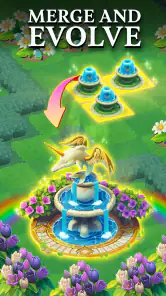
The first impression is relaxed and colorful. You begin with a small garden space, and combining matching objects helps turn them into more advanced items. The satisfying part is not only seeing a merge happen; it is deciding whether to make it now or wait until you have more pieces. Holding back can make a later combination more worthwhile, but it also takes up room and can leave the garden feeling cluttered. That small trade-off gives the simple mechanic some texture.
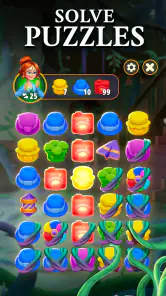
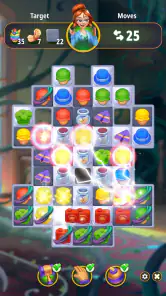
The other part of the game is its match-three puzzle play. If you usually play match-three games for quick bursts, this familiar format provides an easy way in; if you prefer merge games, the garden gives those decisions a broader home. I like that the two styles offer different moods rather than asking me to focus on one kind of puzzle all the time. Still, players who want every round to be a fast, self-contained test may find the garden progression less direct than a conventional match-three app.
How a short session actually feels
For me, the best sessions are small and deliberate: I check what is available, make a few useful combinations, and leave with the garden a little tidier or more developed. The game has a soft pace, so I do not feel pushed to react instantly in every moment. That makes it suitable for a coffee break or a short wind-down before bed. A match-three round can provide a more focused burst, while the merge side lets me spend a little longer sorting out what to combine.
A practical tip is to look at the shape of your available space before merging everything as soon as it appears. Keeping related pieces near each other makes it easier to see what can become a set, and waiting can be sensible when an extra matching item seems likely to matter. There is a cost to that patience: pieces occupy room, and an overfilled garden can make choices harder to read. I get more out of the game when I treat clearing space as part of the puzzle rather than as housekeeping I can ignore.
Easy to pause, but not a reason to rush
The unhurried feel is a genuine strength for casual play. I can make progress in short visits without needing to turn every session into a long commitment, and the garden gives those visits a sense of continuity. If I have only a few minutes, I can focus on one small task instead of trying to complete everything at once. That is a useful distinction from puzzle games built around a strict timer, where stopping midway can feel like losing the thread.
There is a different side to that continuity: visible goals can tempt me to keep playing longer than I planned. New areas and rewards give the garden a forward pull, and events or daily activities can make returning feel purposeful. I would treat those as optional reasons to drop in, not obligations to keep a streak alive. If you dislike games that encourage regular check-ins, the progression may feel more demanding than its calm presentation suggests.
Gaming Stories You May Enjoy

Dancing Road Turns Short Breaks Into a Test of Rhythm and Timing

Super Stylist Makes Every Outfit a Test of Taste and Patience

Dominoes on Your Terms: Who Should Play and Who Should Pass

Pokémon GO Makes the Familiar World Feel New

Chess.com Turns Rematches Into Rivalries, but Community Has Its Costs

Archery Battle 3D Review: Sharp Aiming, Unclear Feedback
Get Lost in the Enchanting World of Merge Gardens
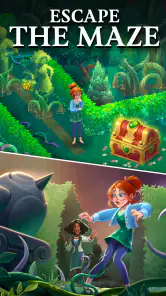
First things first, the visuals in this game are nothing short of enchanting. Imagine a whimsical garden bursting with colorful plants, adorable creatures, and a touch of mystique. It’s absolutely delightful! You start with a small patch of land, and your mission is to merge various items to create something new and exciting. Think of it as a digital garden where you can unleash your creativity and watch your efforts bloom into life.
How Does It Work?
The core mechanic of Merge Gardens is, you guessed it, merging. You combine three of a kind to evolve them into a higher-level item. It’s a simple yet addictive concept that keeps you coming back for more. Whether you’re merging plants, flowers, or mystical artifacts, there’s always something new to discover.
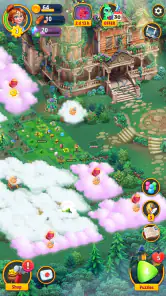
As you progress, you’ll unlock new areas of your garden, each with its own unique challenges and rewards. This keeps the gameplay fresh and engaging, encouraging you to keep nurturing your little piece of paradise. Plus, there are daily challenges and events that offer extra rewards, so there’s never a dull moment!
Why You’ll Love the Gameplay
One of the things that makes Merge Gardens stand out is its relaxed pace. There’s no rush, no pressure — just pure, stress-free gardening fun. You can take your time to strategize, merge at your own pace, and enjoy the process. It’s a fantastic way to unwind after a long day.
But don’t mistake the laid-back vibe for a lack of depth. There’s plenty of strategy involved in maximizing your garden’s potential. You’ll need to plan your merges carefully, manage your resources, and decide which areas to unlock next. It’s all about finding that perfect balance between creativity and strategy.
Features That Keep You Engaged
Aside from the lovely visuals and addictive gameplay, Merge Gardens offers a variety of features that keep players engaged:
- Adventure and Discovery: Explore new areas and uncover hidden secrets as you expand your garden.
- Charming Characters: Meet quirky characters who will guide you through your gardening journey.
- Daily Rewards: Log in every day to receive exciting rewards and bonuses.
- Events and Challenges: Participate in special events to earn exclusive items and bragging rights.
Who I’d recommend it to
This is a good choice if you enjoy watching a space gradually change through your decisions, and if you like having both a laid-back activity and a more directed puzzle option in the same game. The garden’s visual payoff suits players who enjoy arranging and collecting, while the match-three element offers a familiar alternative when they want a clearer immediate goal. It can also work well for someone who prefers playing in several short visits rather than setting aside a long block of time.
I would steer away if your priority is a competitive puzzle ladder, a story-heavy adventure, or a game that stays focused on one board and one objective. Merge Gardens asks you to care about the larger garden as well as individual puzzle turns. That can make progress feel rewarding, but it also means the game may not satisfy someone who wants a fresh, isolated challenge every time they open it.
How it compares with other puzzle games
Compared with a standard match-three game, the appeal here is the ongoing garden context: a puzzle session sits within a broader process of building and opening up the space. That gives small actions a sense of accumulation, but it can make the experience feel less streamlined than a game that moves straight from one board to the next. Against a merge-only game, the match-three side gives you a different kind of focus, so the experience is not limited to arranging objects in the garden. The trade-off is that players seeking a single, highly polished puzzle loop may prefer a specialist title.
The variety is most useful when my mood changes. If I want a quick, recognizable puzzle, I can lean into the match-three side; when I am in a more patient mood, I can think about combinations and garden space. I would not expect either mode to replace every other puzzle game I play. Instead, the mix is the point: it gives the game more than one pace, while the garden ties those choices together.
Small habits that make the garden easier to manage
I find it helpful to avoid making every possible merge immediately. Before combining a group, I consider whether keeping pieces together could help with another nearby set, and whether the resulting item will leave the area easier to navigate. This is not about finding a perfect strategy; it is a way to avoid turning a relaxing game into a clutter-management chore. When space starts to feel awkward, prioritizing combinations that clear room can be more useful than chasing the highest-level item straight away.
It also helps to choose one modest aim for a visit, such as tidying a cluster or working toward one clear garden objective, rather than treating every available task as urgent. Daily activities and events can provide extra reasons to play, but trying to do all of them every time may undermine the relaxed rhythm. I see them as optional prompts. If I have time and feel like playing, they add direction; if not, the garden remains a place I can return to at my own pace.
What to expect from the free-to-play setup
Futureplay developed this free puzzle game, which is rated for Everyone and has been available since September 2020. It has a 4.4 average from around 163,000 ratings, with more than 10 million installs. The current version is 1.48.0, and it requires Android 7.0 or later. Those figures suggest a broad audience, but they do not tell me whether its particular blend will suit you; the best test is whether you enjoy both the garden planning and the puzzle side.
You can start without paying, but in-app purchases range from $0.99 to $99.99 per item. I would approach those as optional spending rather than a necessary part of enjoying the core loop. If you are careful about accidental purchases, it is sensible to check your device’s purchase settings before handing the game to a child or letting someone else play on your account. The Everyone age rating makes the content broadly suitable, while purchase controls are a separate practical consideration.
When the gentle pace becomes a drawback
The same relaxed structure that makes the game easy to revisit can also make progress feel gradual. If I want immediate closure from every short session, garden goals may seem like a long-running task rather than a satisfying finish. And while the combination of mechanics adds variety, it can divide attention for players who would rather master one format. I would not recommend it as the first pick for someone who dislikes collecting, managing space, or returning to a persistent play area.
There is also a difference between a calm presentation and a completely friction-free experience. Decisions about when to merge, what to keep, and which goal to pursue can become a little fiddly when the garden is busy. Taking a moment to organize before continuing helps, but it does not change the fact that the game asks for some patience. For me, that is a fair exchange when I want a low-pressure hobby; it is less appealing when I am looking for a brisk, self-contained challenge.
Final Thoughts
All in all, Merge Gardens is a delightful escape into a world of creativity and wonder. It’s a game that’s perfect for casual gamers who love a sprinkle of strategy and a whole lot of charm. Whether you’re a seasoned player or a newbie, there’s something for everyone to enjoy. So go ahead, dive into the magical world of Merge Gardens and let your imagination run wild!
Ready to start your gardening adventure? You can download Merge Gardens on both Android and iOS. Trust me, you won’t regret it!
Merge Gardens Pros and Cons
Pros
- Engaging and addictive gameplay.
- Beautiful graphics and animations.
- Regular updates with new content.
- Easy to learn for all ages.
- No mandatory in-app purchases.
Cons
- Requires internet connection.
- Can become repetitive over time.
- Limited energy system restricts play.
- Some ads can be intrusive.
- Progress can be slow without purchases.
Frequently Asked Questions
What is Merge Gardens, and how does it work?
Merge Gardens is a captivating puzzle game where players merge various objects to create a beautiful garden. The gameplay involves combining similar items to evolve them into superior ones, gradually enhancing the garden's aesthetics. Players also engage in levels that involve matching fruits to earn rewards, which help in garden development.
Is Merge Gardens free to play, and are there any in-app purchases?
Merge Gardens is free to download and play. However, it offers in-app purchases for those looking to enhance their gaming experience. These purchases can include special items, boosters, and currency packs, which can speed up progress or unlock exclusive content. It's entirely possible to enjoy the game without spending money.
What are the system requirements for Merge Gardens on Android and iOS?
To run Merge Gardens smoothly, Android users typically need a device running version 5.0 or higher. iOS users should have a device with iOS 10.0 or later. It's recommended to have a stable internet connection for downloading updates and accessing online features. Check your device's compatibility before downloading to ensure optimal performance.
Does Merge Gardens require an internet connection to play?
While Merge Gardens can be played offline, an internet connection is necessary for certain features. Online access is required for downloading updates, participating in events, and connecting with friends. Playing offline limits some functionalities, so for a full experience, it's best to stay connected to the internet.
How does the game handle data privacy and user information?
Merge Gardens adheres to strict data privacy policies to protect user information. The game collects some data to improve user experience and gameplay. Players are encouraged to review the privacy policy before downloading, which outlines how data is used and stored. The developers prioritize user privacy and ensure compliance with relevant regulations.


