

Lost in Play
- Reviews
- 4.6
- Version
- 1.0.2043
- Installs
- 1,000,000+

Screenshots
 Analysis by Frivlyz
Have you ever stumbled upon a game that just makes you feel like a kid again? Well, that's exactly what Lost in Play does! This delightful adventure game has a way of pulling at your heartstrings and immersing you into a whimsical world that's hard to resist. Here’s my take on this charming little gem.
Reading the scenes and finding your way
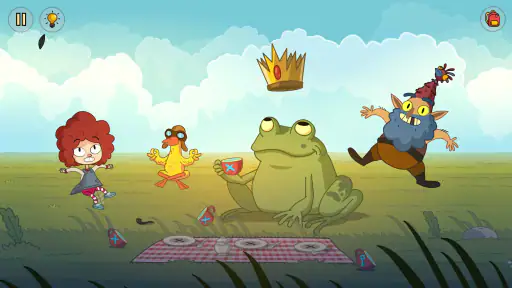
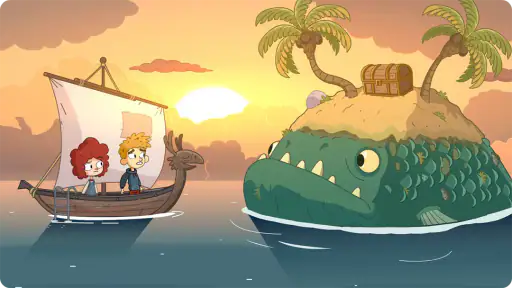
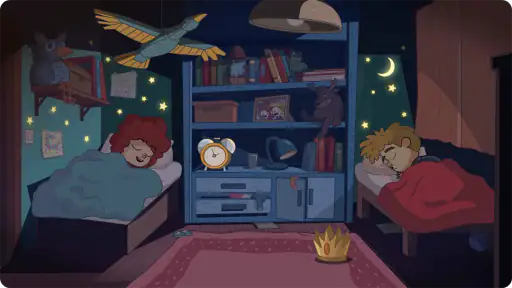
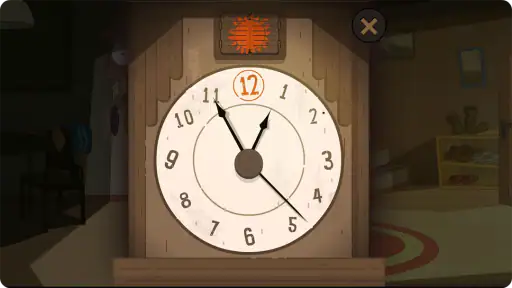
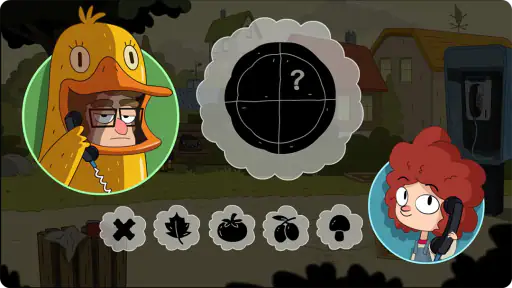
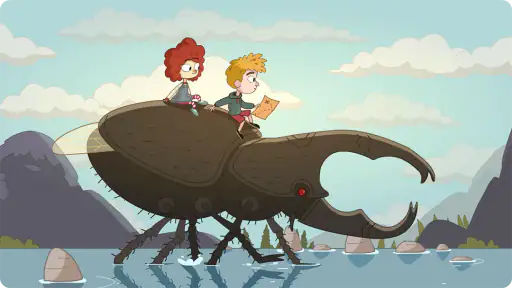
The first thing I notice is how much the game communicates through its illustrations. Its hand-drawn scenes give the brother and sister, their surroundings, and the events unfolding around them a cartoon-like clarity. That visual storytelling is a real strength for anyone who would rather explore than read long blocks of dialogue. I can usually understand the mood of a scene by looking at the characters and objects, then decide what seems worth investigating.
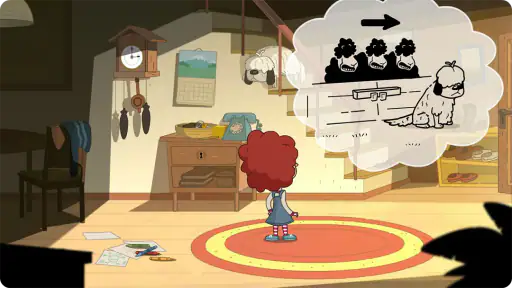
That approach also shapes how I play puzzles. Rather than relying on a stream of written instructions, I pay attention to what is visible and try to connect objects with the situation around them. If I get stuck, I slow down and scan the scene again instead of tapping randomly. This is a useful habit here: a small visual detail can suggest what the puzzle is asking me to do, even when the answer is not immediately obvious.
The presentation is inviting, but that does not mean every scene will be equally easy for every player to read. Cartoon art can make an unusual object blend into a busy composition, and a player who has difficulty distinguishing shapes or visual details may need more time to work things out. I would approach it as a game to examine at a comfortable pace, not one where I expect every clue to stand out instantly.
A Visual Treat
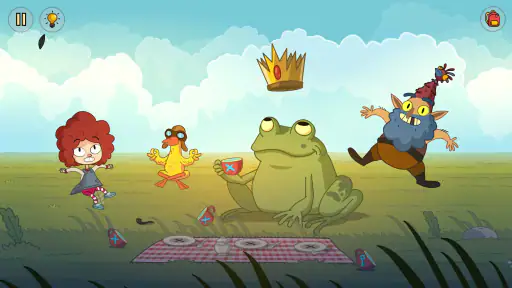
From the moment you launch Lost in Play, you’re greeted with vibrant, hand-drawn graphics that are reminiscent of Saturday morning cartoons. The art style is not just eye-catching but also incredibly detailed, making every scene a delight to explore. The characters are adorably quirky, each with their own unique personality that shines through even without dialogue. The developers have truly nailed the visual aspect of the game, and it’s a feast for the eyes.
Adventure Awaits
The game follows the adventures of a brother-sister duo who find themselves wandering through dreamlike landscapes. The storyline is simple yet captivating, drawing you into their world of imagination and wonder. As you navigate through various puzzles and challenges, you can’t help but feel a sense of nostalgia for those carefree childhood days.
The puzzles are cleverly designed, providing just the right amount of challenge without being overly frustrating. Each puzzle is a piece of a larger story, and solving them feels incredibly rewarding. Plus, the game’s intuitive controls make it easy for players of all ages to enjoy.
Gaming Stories You May Enjoy

Dancing Road Turns Short Breaks Into a Test of Rhythm and Timing

Super Stylist Makes Every Outfit a Test of Taste and Patience

Dominoes on Your Terms: Who Should Play and Who Should Pass

Pokémon GO Makes the Familiar World Feel New

Chess.com Turns Rematches Into Rivalries, but Community Has Its Costs

Archery Battle 3D Review: Sharp Aiming, Unclear Feedback
Playing with different senses and abilities
Because the story leans on expressive characters and visual events, it can be appealing to players who prefer a quieter, less text-heavy adventure. I also like that the puzzles invite observation and experimentation rather than demanding fast reactions. That makes the game a more comfortable fit for a relaxed session than an action game built around precise timing.
There is still a sensory trade-off: the soundtrack and sound effects are part of the atmosphere, so playing with audio can make the world feel fuller. If I need to keep the sound low or muted, I can still follow the visual journey, but I may lose some of the mood created by the music and environmental sounds. In a shared room, headphones can help preserve that atmosphere without making the game disruptive to others.
The controls are described as intuitive, but point-and-tap style interactions can still be tiring for someone with limited dexterity or discomfort from repeated touch input. I would try a short session first and see whether the interaction feels manageable on my device. The game’s gentle pace helps, but it does not remove the physical demands of handling a touchscreen.
A game that suits a slower moment
I find this kind of adventure best suited to a stretch of time when I can give the scenes my attention. For example, it could work well during a quiet evening at home, when I want a story-led game but not the pressure of a competitive match. I would be less likely to choose it while commuting through a crowded station or waiting for a quick appointment: interruptions can break the thread of a puzzle, and a small screen may make it harder to inspect a detailed scene.
For a family session, the expressive art and straightforward premise offer an easy way for a child and an adult to look at the same scene and suggest what to try next. The age guidance is Everyone 10+, so I would use that as a sensible starting point when deciding whether it suits a younger player. It is also a pleasant option for someone who wants an adventure to share conversationally, though a player who prefers to solve everything alone may enjoy taking turns less than simply holding the device themselves.
Compared with action adventures, this one puts less emphasis on reflexes and more on noticing, interpreting, and solving. Compared with open-ended exploration games, it gives the player a more directed story to follow rather than asking them to make their own goals. That focus is a benefit when I want a clear narrative path, but a limitation if I am looking for broad freedom, extensive character customization, or a world to roam without a puzzle-led structure.
Practical details before you begin
Snapbreak’s adventure game is free to download, with in-app purchases listed at $6.99 per item. I would treat the free starting point as a chance to see whether its visual style and puzzle rhythm suit me, and check the purchase screen carefully before confirming anything. The game has a 4.6 average from around 22,000 ratings, and more than a million installs, which suggests it has found a substantial audience; those figures are useful context, not a guarantee that its puzzle style will click with every player.
It was released on July 11, 2023, and version 1.0.2043 is listed for devices running Android 6.0 or later. If I am choosing it for a family device, I would check that the operating system meets that requirement and make sure the person playing is comfortable with touch controls. Those are simple checks that can prevent a frustrating start, especially when the game is intended as a calm shared activity.
One practical tip is to resist tapping everything in quick succession when a puzzle stalls. I get more from pausing, looking for visual relationships, and trying one plausible interaction at a time; it keeps the scene readable and makes the solution feel earned. Another is to stop after a puzzle if I am tired rather than pushing through on autopilot. This is an observation-focused game, so fatigue can turn a satisfying clue into a frustrating one.
Soundtrack to Your Dreams
One of the standout features of Lost in Play is its enchanting soundtrack. The music perfectly complements the whimsical nature of the game, creating an immersive experience that transports you to another world. Whether you’re solving a tricky puzzle or simply exploring the stunning landscapes, the soundtrack adds an extra layer of magic to your journey.
The sound effects are equally impressive, enhancing the overall gameplay experience. From the rustle of leaves to the cheerful chirping of birds, every sound is meticulously crafted to bring the game’s world to life.
Where the fit is less certain
I would skip this if I mainly want rapid action, competitive play, or a game that can be enjoyed in tiny bursts without remembering what a puzzle was asking. It may also be a poor match for someone who needs large, high-contrast visual elements or relies on audio cues to understand what is happening. I do not want to overstate accessibility from a friendly art style alone: its visual approach is appealing, but not automatically comfortable for every ability or screen setup.
There is a difference between easy-to-understand controls and universally easy access. A player who finds tapping uncomfortable may need breaks, while someone who has trouble reading crowded illustrations may prefer a simpler, less detailed presentation. If either issue matters, I would test the game on the actual device and in the setting where it will be played instead of assuming that a tablet, phone, or quiet room will solve everything.
A Perfect Escape
If you’re looking for a game that offers a perfect escape from reality, look no further than Lost in Play. With its captivating storyline, charming visuals, and enchanting soundtrack, it’s a game that invites you to lose yourself in its world. It’s a reminder of the power of imagination and the joy of exploration, making it a must-play for anyone seeking a delightful adventure.
So, grab your device, embark on this whimsical journey, and get ready to be lost in play! You won’t regret it.
My inclusive verdict
For me, the strongest reason to recommend this adventure is the way its word-light storytelling and unrushed puzzle focus make it welcoming to people who want a gentler alternative to reflex-heavy games. Its hand-drawn world gives players plenty to notice, and solving a scene can be satisfying without turning the session into a test of speed. I would happily suggest it to someone who enjoys visual storytelling and has time to look closely.
I would be more cautious when recommending it to a player who needs highly adjustable presentation, struggles with detailed imagery, or finds repeated touchscreen input uncomfortable. The same qualities that give the scenes their personality can make some clues harder to pick out, and the touch-based style may not suit every hand or posture. My practical advice is to try it in a calm setting, with the screen comfortably positioned and the sound at a level that works for the player. If the visual puzzles feel inviting rather than tiring, this is a charming adventure; if they become work, a simpler or more audio-led game may be a better choice.
Lost in Play Pros and Cons
Pros
- Visually stunning graphics and animations.
- Engaging puzzles and challenges.
- Family-friendly content for all ages.
- Intuitive and easy-to-use interface.
- Frequent updates and new content.
Cons
- Limited replayability after completion.
- Requires internet connection to play.
- Some puzzles may be too easy for adults.
- Occasional bugs and glitches.
- In-app purchases can add up.
Frequently Asked Questions
What is the main objective of Lost in Play?
Lost in Play is an adventure puzzle game designed to take players on a whimsical journey. The main objective is to guide two siblings through a fantastical world filled with puzzles and challenges. Players must solve various puzzles, interact with peculiar creatures, and uncover secrets to progress through the story and eventually bring the siblings back home.
What platforms is Lost in Play available on?
Lost in Play is available on both Android and iOS platforms. It offers a seamless gaming experience on mobile devices, allowing players to enjoy the enchanting world and its intricate puzzles anywhere and anytime. Players can download it from the Google Play Store for Android devices or the Apple App Store for iOS devices.
Is Lost in Play suitable for children?
Yes, Lost in Play is suitable for children. The game features a family-friendly storyline, charming graphics, and intuitive gameplay that can be enjoyed by players of all ages. It's designed to stimulate creativity and problem-solving skills, making it an excellent choice for parents looking to entertain and educate their children simultaneously.
Does Lost in Play require an internet connection to play?
No, Lost in Play does not require a constant internet connection to play. Once the game is downloaded and installed on your device, you can enjoy the adventure offline. This makes it an ideal choice for players who want to play on the go without worrying about internet connectivity issues.
Are there in-app purchases in Lost in Play?
Lost in Play offers a premium gaming experience without the need for in-app purchases. Once you purchase the game, you gain access to all its features and content without any additional costs. This ensures a distraction-free experience, allowing players to immerse themselves fully in the captivating world of Lost in Play.


