

Little Nightmares
- Reviews
- 4.3
- Version
- 124
- Installs
- 100,000+

Screenshots
 Analysis by Frivlyz
If you’re a fan of spine-chilling adventures and atmospheric storytelling, then Little Nightmares is definitely a game that should be on your radar. Having played it, I can tell you it delivers an experience that’s as haunting as it is captivating. Let me take you through my journey with this eerie gem.
A Dive into the Dark World
From the moment I started playing, Little Nightmares pulled me into its unsettling world. You play as Six, a tiny, mysterious girl trapped in a nightmarish environment called The Maw. The game doesn’t spoon-feed you the story; instead, it leaves you to piece together the narrative through the environment and your experiences. It’s like being dropped into a dark, twisted fairy tale where each corner hides a new surprise.
Atmosphere That Engulfs You
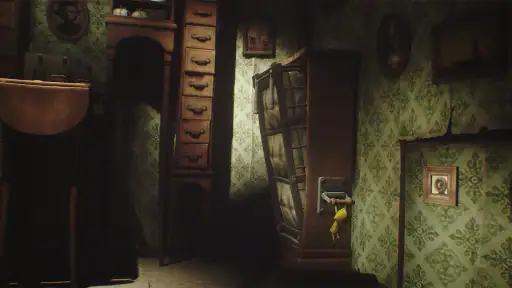
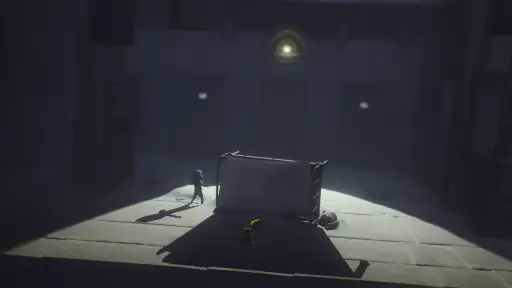
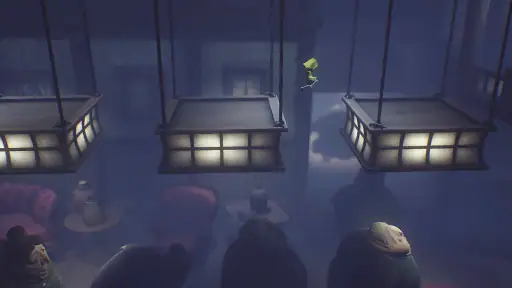
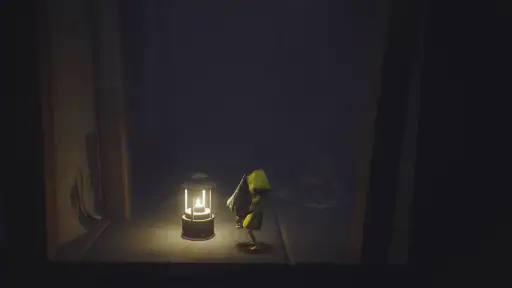
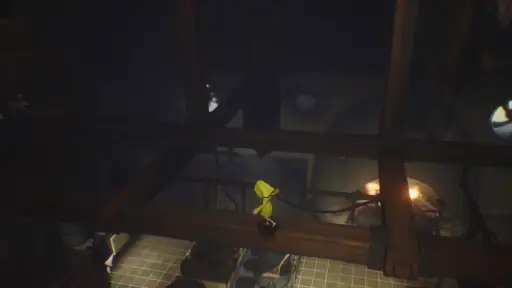
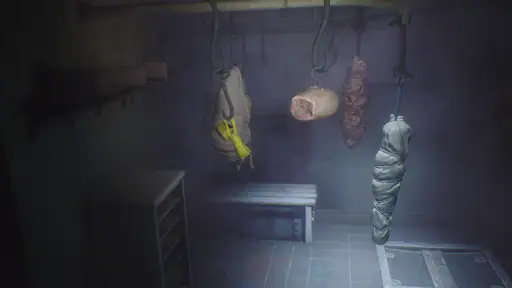
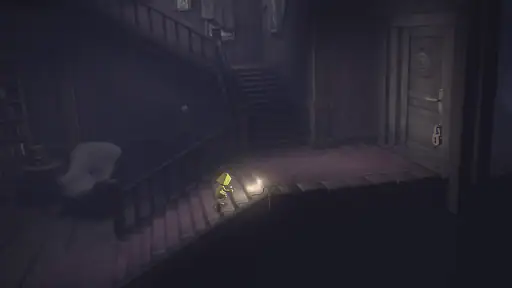
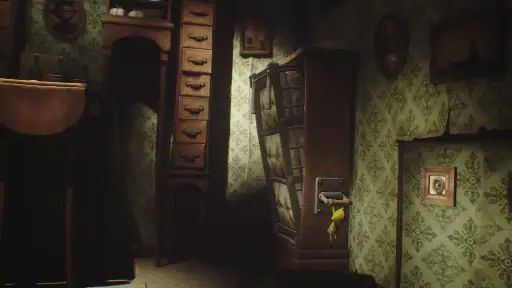
What really stands out in Little Nightmares is its ability to create a dense atmosphere. The game uses lighting, sound, and art style to craft a world that feels alive and terrifying. The creaking of the floors, the distant hum of machinery, and the grotesque figures lurking in the shadows all contribute to a sense of dread that keeps you on edge. I found myself constantly looking over my shoulder, expecting something sinister to appear at any moment.
Puzzle-Platforming Elements
As you navigate through The Maw, you’ll encounter a series of puzzles and platforming challenges. These are designed to test your wits and reflexes without being overly frustrating. The controls are intuitive, allowing you to focus on the immersive experience rather than struggling with mechanics. I enjoyed the balance of challenge and exploration, which kept me engaged throughout the game.
Visuals and Storytelling
The visual style of Little Nightmares is nothing short of breathtaking. The developers have done an incredible job of creating a world that is both beautiful and horrifying. Every scene is meticulously crafted, with attention to detail that enhances the storytelling. The lack of dialogue means the story is told through the environment and your interactions with it, which adds a layer of mystery and intrigue. I found myself drawn into the narrative, eager to unravel the secrets of The Maw and Six’s journey.
How Its Goals Pull You Forward
The immediate appeal for me is that progress comes from paying attention, not from managing a complicated set of objectives. I’m usually trying to work out where Six can go next, what in the room might be useful, and how to move past a threat. That keeps each stretch focused: look, test a possibility, then act. The game doesn’t need a constant stream of written instructions to make its next step understandable, and that suits the unsettling mood.
There is a useful distinction between understanding the broad goal and knowing the exact move. I could often tell that I needed to reach a ledge or get beyond an obstacle, yet still had to inspect the surroundings to discover how. When I got stuck, I found it more productive to pause and scan the scene than to repeat the same jump or rush straight into danger. The environment is part of the problem-solving, so observation is not dead time; it is how I made progress.
Gaming Stories You May Enjoy

Dancing Road Turns Short Breaks Into a Test of Rhythm and Timing

Super Stylist Makes Every Outfit a Test of Taste and Patience

Dominoes on Your Terms: Who Should Play and Who Should Pass

Pokémon GO Makes the Familiar World Feel New

Chess.com Turns Rematches Into Rivalries, but Community Has Its Costs

Archery Battle 3D Review: Sharp Aiming, Unclear Feedback
Progress You Can Read in the Environment
The game’s progress signals are largely visual and physical rather than a trail of dialogue explaining what just happened. A new room, a changed position, or a route opening up can tell me I have moved forward. I liked that restraint because it lets me stay immersed, although it also means I need to be comfortable interpreting scenes for myself. Players who want a clear objective marker or frequent reminders may find this less immediately convenient.
One practical habit helped: before moving on, I took a moment to check the room’s edges and vertical space. In a platforming adventure, a route may be easy to miss when I focus only on what is directly in front of Six. This is especially useful after a tense sequence, when I might otherwise hurry and overlook a way forward. The trade-off is that exploration can briefly interrupt the momentum, but that slower attention is part of the game’s identity.
Challenge, Timing, and the Cost of Hurrying
The challenge comes from combining spatial judgement with timing and caution. Some moments reward a quick response, while others punish impatience; treating every encounter as a race is not a reliable strategy. I found that watching how a situation develops before committing to a move made the controls feel more dependable. The puzzle-platforming is approachable, but approachable does not mean every attempt will work first time.
That balance will suit players who enjoy learning through trying, but it may frustrate anyone looking for a consistently relaxed stroll. When a jump or escape goes wrong, the interruption can break the atmosphere for a moment. I also had to accept that the game’s quiet presentation does not always spell out the answer in words. If I wanted action with generous guidance and little room for uncertainty, this would not be my first pick; a more explicitly directed adventure would fit better.
Pacing Without a Checklist
There is no need to treat every pause as a sign that I should be grinding toward a reward. The pull is the desire to discover what the next section of The Maw looks like and what its strange inhabitants mean for Six’s escape. That makes the experience feel more like a compact, authored journey than a long-term progression game. I would choose it for a focused session when I want mood and curiosity, not as a daily game built around accumulating tasks.
For an everyday example, I could settle in for a short evening session after work, play until I reach a natural stopping point, and leave the story there without worrying about losing a streak or falling behind. The tension makes it a poor background game, though: I need to watch the screen and listen rather than play while distracted. A quiet room and headphones can help me catch the sound and atmosphere, but I would not recommend starting a tense section if I only have a few minutes and expect interruptions.
Who Will Enjoy This Particular Kind of Adventure
I’d recommend it to players who like eerie settings, environmental storytelling, and puzzles that ask them to notice details. It can also work for someone curious about horror but not necessarily looking for a combat-heavy game: its appeal is the vulnerable perspective, the unsettling spaces, and the effort to get through them. The Teen age rating is worth keeping in mind when deciding whether its disturbing imagery is suitable for a younger player.
I would steer away from it if you want a bright, social game, constant verbal explanations, or a dependable sequence of easy victories. Its threatening atmosphere is the point, not a decorative layer that can be ignored. People who dislike being chased or having to retry a difficult moment may prefer a gentler platformer. Likewise, anyone expecting a sprawling adventure with extensive character conversations should look elsewhere; the quiet storytelling is a deliberate part of this experience, and it will not suit every taste.
Where It Sits Among Adventure Games
Compared with a typical action-adventure, this one places less emphasis on fighting and more on movement, observation, and atmosphere. Compared with a straightforward platformer, its rooms feel like pieces of a larger, ominous place rather than a sequence of abstract jumps. That blend is a strength when I want a game to leave me interpreting what I see, but it is a limitation if I prefer precise combat systems, a lively cast, or a clear map of objectives.
Its compact focus also changes what I expect from progression. I am not choosing it because I want a long menu of upgrades or a stream of unlocks to manage; I’m choosing it for the way its challenges and visual clues carry me through the journey. That means the usual alternative depends on what I value: for open-ended replay and lots of ongoing goals, another adventure may serve me better; for a tightly atmospheric passage through a strange world, this has a clearer identity.
Mobile Practicalities and Value
Playdigious is the developer behind this mobile release. It is an adventure game with a 4.3 average from around 8.5K ratings, and it has passed 100K installs. Those figures suggest a substantial audience, but I would still decide based on the style of play rather than popularity. The game costs $8.99, with in-app purchases listed at $0.49 per item, so I’d check the purchase details on the store page before buying and consider the upfront price against how much I enjoy focused, atmospheric games.
The current version is 124, and the minimum operating system requirement is Android 9. I would check that my device meets the requirement before purchasing, then make sure I have a comfortable way to hold it: careful platforming and quick reactions are less enjoyable when I’m balancing a phone awkwardly. The store age classification is Teen, another practical point for families choosing games. These details matter because the experience depends on staying attentive, not because the game asks me to use it in the background.
One trade-off of playing on a phone is that a small screen can make it harder to take in a carefully arranged scene at a glance. I found it useful to stop moving for a moment when a room felt unclear and look over the whole composition before acting. That small pause can prevent needless trial and error. If I have access to a larger screen and prefer seeing more environmental detail, another way of playing may be more comfortable, but the mobile version is appealing when I want the game readily available for a deliberate session.
What I’d Want to Know Before Starting
Is it a good choice for a quick session? It can be, provided I have enough uninterrupted time to focus on a section; the tension and platforming make it less suitable for distracted play. Does it explain its story plainly? No: the narrative relies on what I observe and infer, which is rewarding if I enjoy ambiguity and less satisfying if I need direct answers. Is it mainly about combat? The experience I had is centered more on navigating, solving problems, and avoiding danger than on fighting.
Does the price make sense? For me, that depends on whether a concentrated, atmospheric adventure is what I want; I would not measure it by the number of ongoing activities or upgrades. Will the challenge feel fair? The controls are intuitive and the puzzles are not designed to overwhelm, but timing and careful observation still matter, so a few setbacks are part of the experience. Those are the questions I’d settle before downloading, rather than expecting it to behave like a casual game that can be picked up and ignored at any moment.
Visuals and Storytelling
The visual style of Little Nightmares is nothing short of breathtaking. The developers have done an incredible job of creating a world that is both beautiful and horrifying. Every scene is meticulously crafted, with attention to detail that enhances the storytelling. The lack of dialogue means the story is told through the environment and your interactions with it, which adds a layer of mystery and intrigue. I found myself drawn into the narrative, eager to unravel the secrets of The Maw and Six’s journey.
In conclusion, Little Nightmares is a masterclass in atmospheric horror and storytelling. It’s a game that lingers in your mind long after you’ve put it down, making you ponder its deeper meanings and hidden messages. Whether you’re a fan of horror games or just looking for something unique and engaging, Little Nightmares is worth experiencing. Just be prepared to leave the lights on after you play!
Little Nightmares Pros and Cons
Pros
- Atmospheric and immersive graphics.
- Engaging and unique storyline.
- Challenging and varied puzzles.
- Excellent sound design and effects.
- Distinctive art style and characters.
Cons
- Short gameplay duration.
- Limited replay value.
- Occasional control issues.
- Lack of in-depth character development.
- May be too scary for some players.
This Game in Other Languages
Frequently Asked Questions
What is the storyline of Little Nightmares?
Little Nightmares is a puzzle-platform horror adventure game that follows the story of a young girl named Six. Trapped in a mysterious and creepy vessel called The Maw, Six must navigate through various terrifying environments filled with monstrous inhabitants. The game is renowned for its eerie atmosphere, unique art style, and intriguing narrative that keeps players engaged as they uncover the secrets of The Maw.
What platforms is Little Nightmares available on?
Little Nightmares is available on multiple platforms, including PlayStation 4, Xbox One, Nintendo Switch, Microsoft Windows, and Google Stadia. This wide availability ensures that players can enjoy the game on their preferred gaming system. Additionally, its sequels and related content are also accessible on these platforms, allowing fans to continue their journey in the Little Nightmares universe.
Is Little Nightmares suitable for children?
Little Nightmares is rated T for Teen by the ESRB, meaning it is suitable for players aged 13 and older. The game features elements of horror, including dark themes, scary imagery, and mild violence, which might not be appropriate for younger children. Parents should consider these factors and possibly preview the game themselves to determine if it aligns with their family's standards for entertainment.
How long does it take to complete Little Nightmares?
The main storyline of Little Nightmares takes approximately 3 to 5 hours to complete, depending on the player's skill level and familiarity with puzzle-platform games. For those who aim to explore every nook and cranny or seek to unlock all achievements, the playtime can extend further. This relatively short duration makes it an attractive option for players seeking a concise yet immersive gaming experience.
Are there any downloadable content (DLC) or expansions available for Little Nightmares?
Yes, Little Nightmares offers several downloadable content (DLC) packs that expand the game's universe and provide additional gameplay. The most notable is "Secrets of The Maw," which includes three DLC chapters: "The Depths," "The Hideaway," and "The Residence." These chapters introduce a new character, known as The Runaway Kid, offering a parallel storyline that enriches the overall narrative. These expansions are available for purchase across all platforms where the base game is sold.


