

Little Inferno
- Reviews
- 4.4
- Version
- 2.0.3.2
- Installs
- 100,000+

Screenshots

 Analysis by Frivlyz
I first thought Little Inferno would be a simple novelty: drop objects into a fire and watch them disappear. It is more unusual than that. The fireplace is both the main activity and the lens through which the game reveals its offbeat world, so I found myself paying attention not only to what burns, but to what the objects and letters suggest. It works best when I approach it as a quiet, curious game rather than a challenge to conquer quickly.
A small game with a particular mood
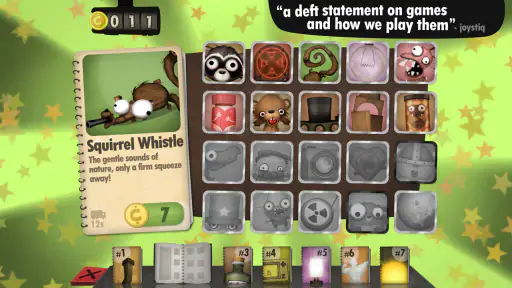
Tomorrow Corporation’s casual game has a deliberately narrow focus. You sit in front of a fireplace, choose things to burn, and use the coins you earn to bring more items into the room. That loop is easy to understand, but the pleasure comes from testing combinations and noticing reactions. The game does not ask me to master complicated controls or compete against a timer; it asks me to be curious and patient.
That makes it a good fit for a short break at home, especially when I want something more interactive than a video but less demanding than a conventional action game. I can play for a little while, see how a newly purchased object behaves, and stop without needing to remember a complicated set of objectives. The trade-off is just as clear: anyone who needs frequent mechanical variety may find the central activity repetitive.
What the fire rewards you for noticing
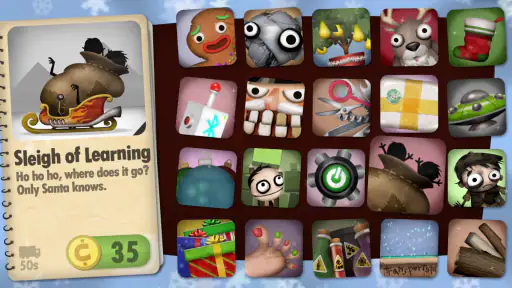
The reactions are the heart of the experimentation. Some things melt, some burst, and some reveal a less obvious effect. I get more out of the fireplace when I resist the urge to burn every new object immediately. Trying different pairings can turn a straightforward collection of items into a small guessing game: what might these two things have in common, and what will happen if they meet in the flames?
A practical way to play is to keep track of combinations that seem connected rather than treating each object as an isolated purchase. When I have several new items, I test a few plausible pairings before clearing the fireplace. That makes discovery feel intentional and helps avoid the sense that I am simply feeding objects into an endless loop. It is a small shift in approach, but it gives the experimentation more purpose.
Letters make the quiet moments matter
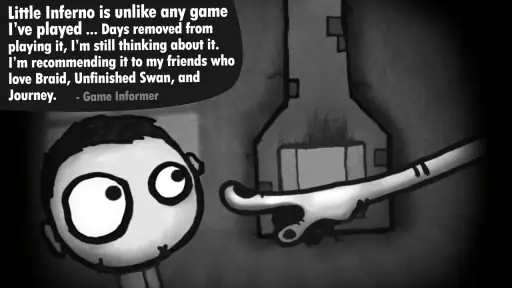
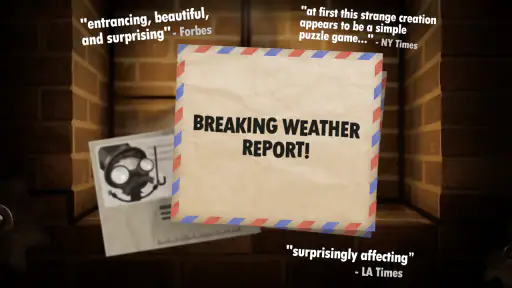
The correspondence from characters outside the fireplace gives the activity a narrative frame. The letters can be funny, unsettling, or thoughtful, and they hint at life beyond the little room. I like that the story arrives alongside the routine rather than turning the game into a long sequence of explanations. It gives me something to interpret without taking away the freedom to experiment at my own pace.
The tone also means the game is not quite the carefree toy its premise might suggest. The fire looks cozy, but the writing adds a strange edge that can make the experience feel more reflective than relaxing. If you want a purely cheerful distraction, that contrast may not be what you expect. I found it more interesting because of the tension, though I would not recommend it to someone who wants a bright, consequence-free plaything and nothing else.
Gaming Stories You May Enjoy

Dancing Road Turns Short Breaks Into a Test of Rhythm and Timing

Super Stylist Makes Every Outfit a Test of Taste and Patience

Dominoes on Your Terms: Who Should Play and Who Should Pass

Pokémon GO Makes the Familiar World Feel New

Chess.com Turns Rematches Into Rivalries, but Community Has Its Costs

Archery Battle 3D Review: Sharp Aiming, Unclear Feedback
Setting Your World Ablaze
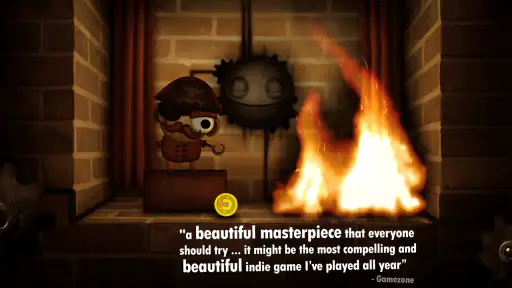
From the moment you start Little Inferno, you're greeted with a whimsical, yet slightly dark, atmosphere. The game doesn't rush you; it lets you take your time to explore your new fiery playground. The goal is simple: burn items to keep your fire going and earn coins to buy more things to incinerate. It's like an endless cycle of "what happens if I burn this?" curiosity.
The Joy of Burning
Each item you throw into the fire has its own unique reaction. Some explode, others melt, and a few might even surprise you with hidden effects. It's this unpredictability that makes the experience so addictive. You find yourself eagerly anticipating what the next item will do once it hits the flames. And let's be honest, there's something oddly satisfying about watching a virtual fire consume everything in its path.
When this is the right kind of casual game
Compared with common casual alternatives built around matching symbols, clearing a board, or completing repeated levels, this is slower and more open-ended in the moment-to-moment play. There is no need to chase a high score while objects burn. Its appeal is closer to a tactile sandbox with a story running quietly in the background. That difference is useful to know before paying: if you enjoy experimenting without pressure, the unusual loop may be refreshing; if you want a steady stream of new objectives, a level-based puzzle game is likely a better choice.
A realistic session might be a few minutes between other tasks: I open the game, choose a couple of items I have not tested together, watch their reactions, and read any new letter before putting it down. It can fit that kind of pause because the basic interaction is easy to resume. Still, I would not treat it as a productivity timer or assume every brief session will deliver a major story beat. The pleasure is cumulative, and some sessions are simply about looking, trying, and waiting for the next clue.
Buying, pacing, and expectations
The game costs $4.99, so I would decide based on whether its specific rhythm appeals to me, not on how many different modes I expect to get. Its 4.4 average from around 16,000 ratings and more than 100,000 installs suggest that it has found an audience, but those figures cannot tell me whether I personally enjoy watching objects burn at an unhurried pace. There are also in-app purchases priced at $2.99 per item, so I would check the purchase details before spending and avoid assuming that every item is included in the initial price.
For players who like discovery, one useful habit is to pause before spending coins on the next available object. I first consider whether the new item might connect to something already in my collection, then test the pair when I can. This makes the coin loop feel less like routine restocking and more like preparing an experiment. It also helps if you are prone to tapping through quickly: the game’s charm is easy to miss when every object is treated as disposable scenery.
How the current edition fits in
The current version is 2.0.3.2, and the game originally released on November 25, 2013. Those facts establish that this is a long-standing release with a current version number, but they do not, on their own, tell me what changed between releases. I would not buy it expecting a particular new feature based only on the version label. For someone returning after time away, the sensible expectation is the same defining experience: a fireplace, curious objects, and letters that gradually shape the mood.
For existing players, that means the decision to return is mostly about whether the core loop still sounds appealing. If the appeal was seeing how an unfamiliar object reacts and following the odd correspondence, a fresh session can still make sense. If you previously stopped because burning items felt repetitive, a version number alone is not a reason to expect that basic structure to have become a different kind of game. I would watch for concrete release notes before treating any future update as a meaningful change to the way it plays.
Practical fit and limits
The Teen content rating is worth keeping in mind for families choosing a game to share. The premise is fantastical, but the darkly comic tone and the story’s more thoughtful notes may not suit every younger player. I would let the intended player sample the tone rather than judging it only by the cozy fireplace imagery.
It is also a game for people comfortable with a focused premise. There is no reason to choose it if what you want is a sprawling world, complex puzzles, or constant action; those expectations work against what makes this experience distinctive. On the other hand, if you enjoy small experiments, offbeat writing, and a game that lets you set your own pace, its limitations are part of the design rather than an obstacle to overcome. The minimum operating-system requirement is Android 5.0, which is useful to check before installing on an older device.
A Story Behind the Flames
While the main draw of the game is the burning itself, there's a subtle narrative that unfolds through letters you receive from various characters. These letters add depth to the seemingly simple gameplay, giving you a glimpse into a world outside your fireplace. They range from humorous to thought-provoking, and they hint at a bigger story that keeps you intrigued.
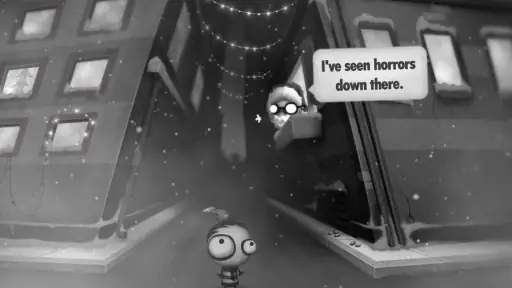
The visuals are simple yet captivating. The art style complements the game's quirky nature, and the soundtrack is a perfect match, enhancing the overall experience. The combination of these elements creates an atmosphere that's both relaxing and engaging, making it easy to lose track of time as you tend to your virtual fire.
Who should pass, and what to keep an eye on
I would skip it if I need a game with a brisk campaign, precise skill tests, or a clear sequence of increasingly difficult stages. I would also look elsewhere if a repeated central action quickly loses its appeal for me. A more conventional puzzle game offers clearer goals; a fast casual game provides shorter rounds and more immediate feedback. This one is better when I want to linger, test a hunch, and let an unusual story emerge around the routine.
If you are deciding whether to keep playing after the opening, give the letters and the combinations equal attention. The objects are not only visual effects, and the correspondence is not a separate story pasted onto the game; the two sides work best when I let them inform each other. I would also keep purchases deliberate, since an additional item is only worthwhile if the act of testing it is part of what I enjoy. Those choices make the experience feel more personal without turning it into a checklist.
Final Thoughts
Little Inferno isn't your typical game. It's a unique blend of experimentation and storytelling that offers a strangely calming experience. It might not be for everyone, especially if you're looking for action-packed gameplay or complex puzzles. But if you're in the mood for something different, something that lets you unwind while pondering life's little mysteries, then this game is definitely worth a try.
So, grab a cup of hot cocoa, settle in by your virtual fire, and let yourself get lost in the warm, crackling embrace of Little Inferno. Who knew burning stuff could be so heartwarming?
Little Inferno Pros and Cons
Pros
- Engaging and unique gameplay experience.
- Visually appealing with creative graphics.
- Simple controls enhance user interaction.
- Encourages exploration and curiosity.
- Suitable for all ages.
Cons
- Limited replay value after completion.
- Some may find the pace too slow.
- Lacks competitive or multiplayer modes.
- Storyline is minimalistic and vague.
- Requires in-app purchases for full experience.
Frequently Asked Questions
What is Little Inferno and how does it work?
Little Inferno is a unique puzzle game where players are tasked with burning various items in a virtual fireplace. The game focuses on the idea of burning objects to earn coins, which can then be used to purchase more items to burn. The gameplay is simple yet addictive, with a narrative that unfolds as players progress, revealing more about the mysterious world outside the confines of the fireplace.
Can I play Little Inferno offline?
Yes, Little Inferno can be played offline. Once the game is downloaded and installed on your device, you don't need an internet connection to enjoy the core gameplay. However, an internet connection may be required for certain updates or features, so it's advised to check the game settings for any online requirements.
What age group is Little Inferno suitable for?
Little Inferno is generally suitable for players aged 12 and above. The game features a whimsical and darkly humorous tone, which may not be appropriate for younger children. Parents should review the game content and themes, which include burning objects and some mature undertones, to ensure it aligns with their child's maturity level.
Does Little Inferno have in-app purchases?
No, Little Inferno does not include in-app purchases. Once you purchase the game, you have access to all its content without the need for additional purchases. This makes it a one-time purchase game, providing a full experience without any hidden costs or microtransactions, allowing players to enjoy uninterrupted gameplay.
What platforms support Little Inferno?
Little Inferno is available on multiple platforms, including Android, iOS, Windows, and Nintendo Switch. This allows players to enjoy the game on various devices, whether they're using a smartphone, tablet, or gaming console. Each platform offers the same engaging experience, with intuitive controls adapted to fit the device's interface.


