

Last Shelter: Survival
- Reviews
- 4.0
- Version
- 26.202.1
- Installs
- 10,000,000+

Screenshots
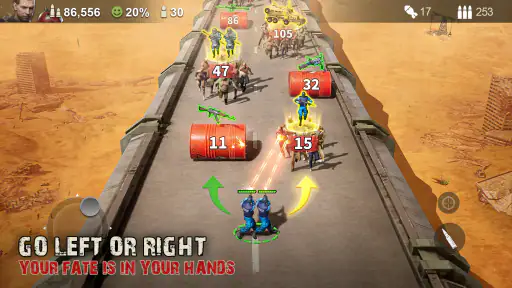
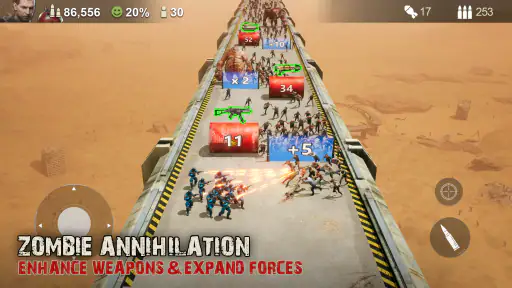
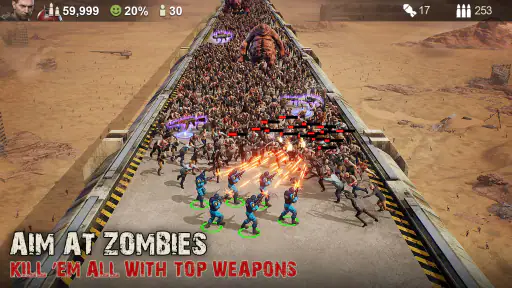
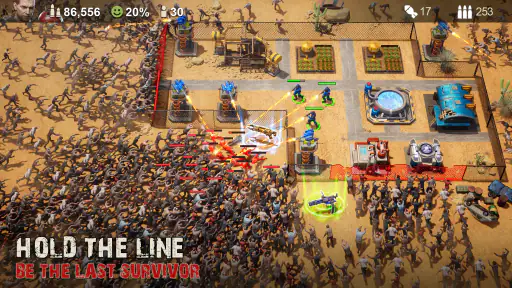
 Analysis by Frivlyz
If you're ready to dive into a game where strategy meets survival, then Last Shelter: Survival is a title you might want to explore. It's a mix of city-building, resource management, and military strategy that asks for more than a quick burst of attention. I gave it a spin to see whether the appeal lasts beyond the first rush of building a base and watching it grow.
Why the first week pulls you in
The early appeal is easy to understand: there is always an obvious next step. A building needs attention, resources need collecting, troops need training, or a new improvement is waiting to be researched. That chain of small decisions makes the game approachable even if you have not spent much time with mobile strategy games. You learn by doing, and the visible growth of your settlement gives each login a tangible purpose.
The game is free to play and comes from Long Tech Network Limited. Its strategy format combines settlement development with the threat of zombies and competition from other players, so the opening hours are not only about decorating a base. You are learning how to keep the place functioning while preparing for pressure beyond its walls. The Teen age rating is worth noting for families choosing games, especially because the setting includes conflict and a post-apocalyptic threat.
I would describe the first stretch as a good fit for someone who likes clear goals but wants room to plan. Rather than asking you to master every system immediately, the tutorial introduces the basics and lets the routine build gradually. If you enjoy watching a small outpost become more capable, that steady sense of progress can make a short session feel worthwhile. The main caveat is that early momentum can make the longer waits and repetitive chores less noticeable than they become later.
The Thrill of Building and Defending
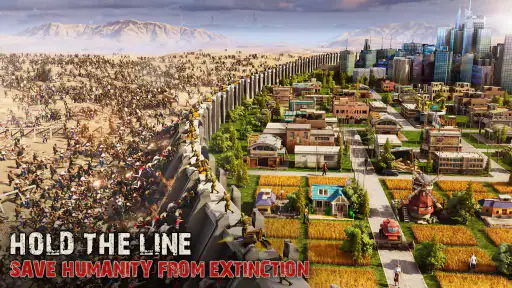
In Last Shelter: Survival, you start with a modest base that you need to develop into a fortress capable of withstanding zombie hordes and rival factions. The game kicks off by guiding you through the basics of constructing essential buildings like farms, barracks, and power plants. The tutorial is straightforward, making it easy for newcomers to get the hang of things.
One of the things I found particularly engaging is the balance between resource gathering and defense. You can't just focus on one aspect and hope for the best. You'll need to constantly upgrade your buildings, train troops, and research new technologies to stay ahead. It’s a classic "easy to learn, hard to master" scenario that keeps you coming back for more.
Strategic Alliances
Speaking of coming back, the alliance system is a major draw. Joining an alliance opens up a world of benefits, from shared resources to collective defenses. It's not just about you anymore; it's about your team. I found myself logging in multiple times a day just to coordinate with my alliance members and participate in events.
Gaming Stories You May Enjoy

Dancing Road Turns Short Breaks Into a Test of Rhythm and Timing

Super Stylist Makes Every Outfit a Test of Taste and Patience

Dominoes on Your Terms: Who Should Play and Who Should Pass

Pokémon GO Makes the Familiar World Feel New

Chess.com Turns Rematches Into Rivalries, but Community Has Its Costs

Archery Battle 3D Review: Sharp Aiming, Unclear Feedback
Building relationships with fellow players adds a social element that makes the game more immersive. The global chat is bustling, and the camaraderie can be genuinely uplifting, especially when you're planning a coordinated attack or defense.
Making alliances work for your routine
The social layer is also the part that most changes how I would recommend approaching the game. If you prefer to play at your own pace and rarely check in, an alliance can turn into an obligation rather than a benefit. If you like coordinating with people, it gives the resource and defense decisions a wider purpose. Before committing to a group, I would pay attention to its expectations and communication style. A relaxed group may suit an occasional player; a highly active one can be more rewarding for someone who enjoys frequent coordination.
For an everyday example, imagine opening the game during a lunch break, collecting what is ready, checking whether an upgrade fits your current priorities, and reading alliance chat before returning to work. That can be a satisfying, self-contained visit. The trade-off is that messages and group plans may create reasons to return later. I would treat those invitations as optional unless I genuinely wanted the extra social commitment. The strongest alliance experience comes from cooperation that fits your habits, not from feeling that a mobile game has taken over your schedule.
The Daily Grind
Like many free-to-play games, there’s a grind element involved. You’ll be gathering resources, waiting for buildings to upgrade, and managing your troops’ stamina. This can be a bit repetitive, but it also gives you a sense of progression. The good news is that daily tasks and events provide plenty of opportunities to earn rewards, keeping things fresh.
If you’re not a fan of waiting, there are microtransactions available. However, I appreciated that the game doesn’t throw ads in your face or pressure you to spend money. It’s entirely possible to enjoy the game without opening your wallet, which is always a plus in my book.
Month-to-month value and smart upkeep
Over time, the important question is not whether there is something to tap, but whether the repeated decisions remain interesting. For me, the lasting value comes from balancing competing needs: a stronger base, adequate resources, troop preparation, and the priorities of an alliance. That gives returning players a reason to think ahead instead of simply collecting rewards. Still, the underlying rhythm remains familiar. If you need every session to introduce a completely new kind of challenge, the routine may start to feel thin.
A useful habit is to decide on one or two priorities before spending resources. For example, you might focus a visit on an upgrade that supports your next goal, then avoid scattering materials across every available improvement. That does not remove the waiting, but it makes each choice feel deliberate. I also find it helpful to distinguish between tasks that genuinely support a plan and tasks that are only tempting because a notification or reward makes them visible. In a long-running strategy game, restraint can be as useful as activity.
Another practical trade-off is how you handle play sessions. Short check-ins suit the collection-and-upgrade loop, while longer visits make more sense when you have time to coordinate or think through a wider plan. You do not need to turn every visit into a lengthy session to understand the game, but a player who dislikes returning repeatedly may find its pacing inconvenient. If you want a strategy game that can be opened briefly and then ignored for long stretches, a simpler, self-contained campaign may be a better match.
Maintenance without letting the game run your day
The maintenance burden is real even when the game is enjoyable. Buildings, resources, troops, and social coordination all compete for attention, and the sense of progress is closely tied to coming back. I would not call that automatically bad; it is part of what makes a developing settlement feel alive. But it does mean that the game works best when you choose a comfortable routine rather than trying to answer every prompt as soon as it appears.
One low-friction approach is to use a consistent check-in window that already exists in your day, such as a break or the end of an evening. During that visit, collect what is ready, review the next upgrade, and decide whether alliance activity deserves your time. This turns the game into a small planned activity instead of an open-ended background demand. It also helps reveal whether you enjoy the core loop or are returning mainly because you fear falling behind.
It is worth being realistic about spending, too. The game includes optional in-app purchases, with items listed from $0.49 to $179.99. That broad range makes it sensible to set a personal limit before browsing purchase options, particularly if faster progress is tempting during a long wait. I would approach purchases as optional conveniences, not as a requirement for deciding whether the strategy itself is fun. Free play is a reasonable way to test whether the recurring routine suits you before considering any spending.
Where fatigue can set in
The main source of fatigue is repetition. Collecting, upgrading, training, and waiting are satisfying when they serve a larger plan, but those same actions can become chores if they are all you notice. Events and alliance activity can provide variation, yet they do not change the fact that a persistent base-building game asks you to maintain progress over time. If you prefer a complete story with a clear ending, or tactical matches that begin and finish in one sitting, this is probably not the right choice.
There is also a social exception to consider. Alliance cooperation can make the game feel more meaningful, but it can be less appealing if you do not want chat, coordination, or other players influencing your schedule. A solo-minded player may still appreciate developing a base, but should be comfortable with the game’s multiplayer context and the possibility that group play is a major part of its appeal. I would not choose it for someone looking for a quiet puzzle or a purely offline strategy experience.
Compared with a conventional turn-based strategy game, the focus here is less on finishing a compact campaign and more on nurturing a settlement and participating in an ongoing world. Compared with a minimalist city builder, it brings military preparation, zombies, and rival players into the picture. That blend is the distinguishing appeal, but also the reason it asks for more maintenance than a game designed around short, self-contained levels. The right alternative depends on what you want: choose this when long-term development and cooperation sound fun; choose a campaign-based title when you want a defined stopping point.
Visuals and Sound
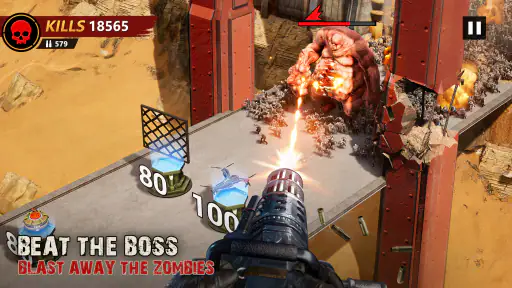
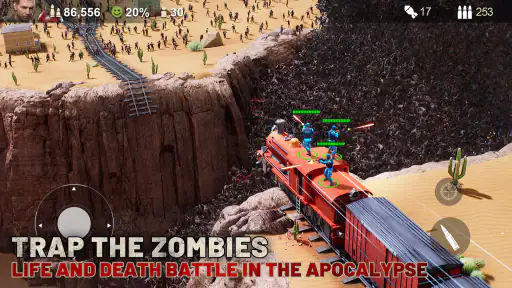
The graphics in Last Shelter: Survival are quite impressive for a mobile game. The attention to detail in the base-building elements and the animations during battles really immerse you in the post-apocalyptic world. The sound design complements the visuals well, with eerie background music and realistic sound effects that enhance the tension and excitement.
Presentation helps make the base feel like a place rather than a menu of upgrades, especially when you are checking in repeatedly to see how it develops. I would not make the visuals the main reason to stay, though. Their role is to support the management loop and reinforce the setting; the lasting draw has to come from enjoying the choices, the community, and the gradual improvement of your position. If you mainly want a visually rich action game, the strategic upkeep may feel like too much of the experience.
Who should give it a chance
I would recommend trying it if you enjoy planning around limited resources, like watching a settlement grow, and find group coordination energizing rather than distracting. It is particularly suitable for players who are happy to make progress in small increments and return regularly. Someone new to mobile strategy can also get a foothold through the guided opening, although patience becomes more important as the routine settles in.
I would steer away from it if waiting frustrates you, if you dislike recurring daily tasks, or if you want a game that respects long periods away without making you feel you have missed the point. It is also not my first pick for someone who wants a strictly solo experience or a narrative campaign that can be completed and put aside. Those players may be happier with a turn-based campaign, a compact puzzle game, or a builder without the same emphasis on rival factions and alliance participation.
For anyone wondering whether it is still active enough to attract a broad audience, the game has a 4.0 average from around 1.6 million ratings and has passed 10 million installs. Those figures suggest a substantial player base, though they cannot tell you whether a particular alliance or play style will suit you. It has been available since October 13, 2017, and version 26.202.1 is listed for devices running Android 5.0 or later. The volume of attention is reassuring as context, but I would still judge it by whether the daily loop feels enjoyable after the novelty of the first upgrades fades.
Final Thoughts
Overall, Last Shelter: Survival offers a solid mix of strategy and action. It’s a game that rewards careful planning and teamwork, and the community aspect adds a layer of depth that many mobile games lack. While the grind might not be for everyone, those who enjoy strategic thinking and cooperative gameplay will likely find it addictive.
Whether you're a veteran of strategy games or a newcomer looking for something to sink your teeth into, Last Shelter has something to offer. Grab your phone, download the game, and start building your empire. Just watch out for those zombies!
My long-term verdict is that it earns lasting space only if its upkeep feels like a pleasant routine, not a list of demands. I would give it a fair trial, join a group only if its pace suits me, and notice whether I still enjoy making decisions once the early building rush is over. If the answer is yes, the combination of base development and cooperation can keep the game rewarding. If the answer is no, there is no need to force a habit: a shorter strategy game will likely fit better.
Last Shelter: Survival Pros and Cons
Pros
- Engaging strategy gameplay with diverse elements.
- Highly detailed graphics and immersive sound design.
- Regular updates keep content fresh and exciting.
- Strong community with active alliances.
- In-app events offer rewarding challenges.
Cons
- Can be time-consuming for casual players.
- In-app purchases can be quite expensive.
- Steep learning curve for new players.
- Requires constant internet connection.
- Occasional server stability issues.
Frequently Asked Questions
What is the main objective of Last Shelter: Survival?
Last Shelter: Survival is a strategy game where players aim to build and manage a base in a post-apocalyptic world overrun by zombies. The main objective is to expand your territory, gather resources, and form alliances to protect your base from zombie attacks and rival human factions.
Is Last Shelter: Survival free to play?
Yes, Last Shelter: Survival is free to download and play on both Android and iOS platforms. However, the game offers in-app purchases for various items and upgrades that can enhance gameplay. Players can choose to spend real money on these options or progress through the game without purchases.
What are the system requirements for Last Shelter: Survival?
For Android users, Last Shelter: Survival requires version 4.0.3 or higher and at least 2GB of RAM for optimal performance. iOS users need version 9.0 or later. A stable internet connection is also necessary as the game involves multiplayer interactions and regular updates.
How can I protect my base from zombie attacks?
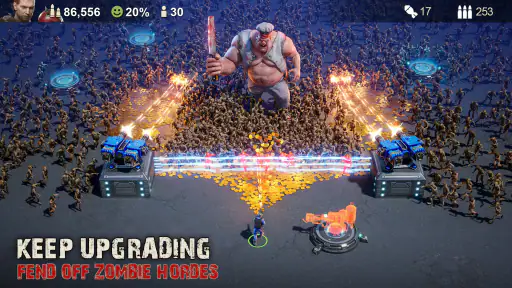
To protect your base in Last Shelter: Survival, focus on upgrading your defenses, such as walls and turrets. Training and deploying troops strategically can also help fend off attacks. Forming alliances with other players can provide additional support and resources during zombie invasions.
Can I play Last Shelter: Survival offline?
No, Last Shelter: Survival requires an internet connection to play. The game features real-time interactions with other players, events, and updates that necessitate being online. Ensure you have a stable connection to enjoy all aspects of the game effectively.


