

Kyoto Craft
- Reviews
- 3.3
- Version
- 1.20.0.1-close-beta
- Installs
- 5,000,000+

Screenshots
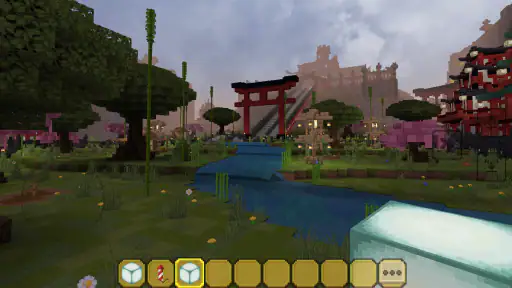
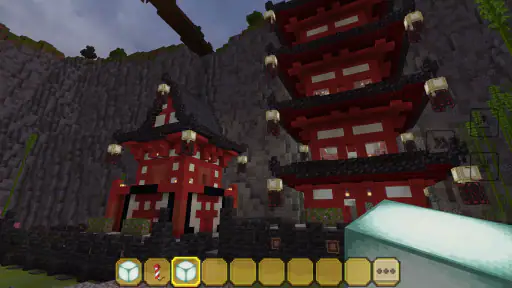
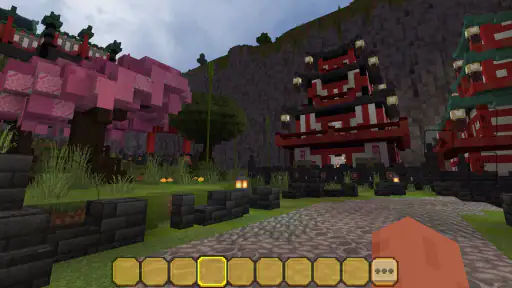
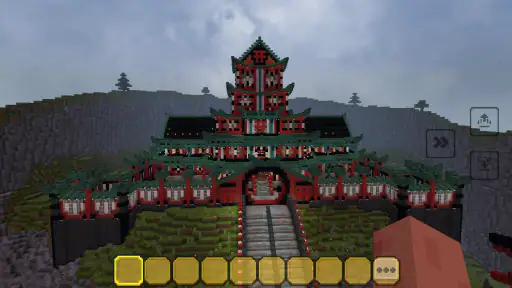
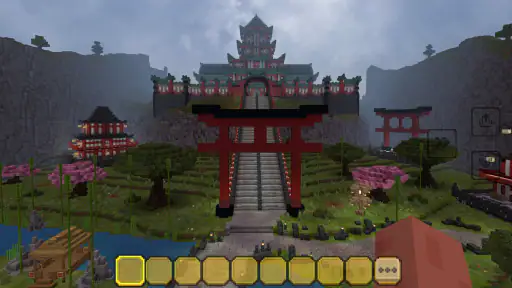
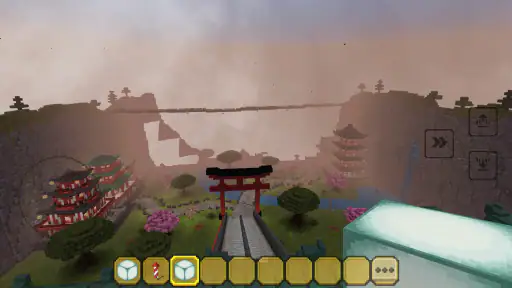
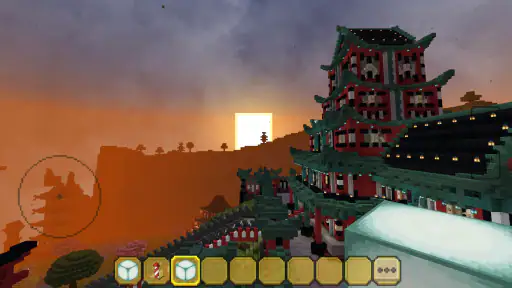
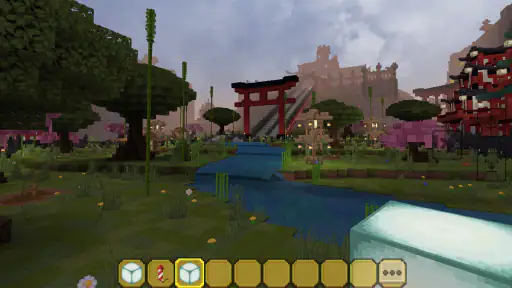
 Analysis by Frivlyz
I would approach Kyoto Craft as a focused building game, not as a general tour of Japanese culture. Its appeal is the chance to explore and create traditional Japanese architecture, so the key question is whether shaping a place at your own pace sounds more enjoyable than chasing objectives, competing, or managing a busy simulation. If the visual idea of a Kyoto-inspired setting draws you in, it has a clear reason to try; if you need a deep systems game, I would compare it with other simulation options first.
Choose it for the kind of play you want
When I pick a mobile building game, I look at what I want from a short session. Sometimes I want a practical challenge with clear goals; other times I want room to experiment without turning play into another task list. Kyoto Craft leans toward the second mood. Its architectural theme gives building a distinctive direction, which is more appealing to me than a blank setting when I want a little inspiration but do not want to plan an elaborate project.
That distinction matters if you are choosing between this and a broad sandbox. A general-purpose building game may offer more freedom in its subject matter, while this one has a stronger sense of place in its central idea. I would start with a small personal goal—such as arranging one coherent-looking area—rather than expecting a sprawling construction project to be satisfying immediately. A modest target makes it easier to judge whether the act of building itself holds your attention.
A setting that gives building a point of view
The Kyoto theme is the main reason I would choose this over a more generic simulation. Traditional Japanese architecture offers a recognizable visual language, and that can help a build feel intentional even when you are experimenting. Instead of asking only what to place next, you can ask whether the result feels calm, balanced, and suited to the setting. That creative constraint is useful: it narrows the choices enough to get started without making every build feel identical.
It also suits players who enjoy looking closely at environments. I would treat a session as a quiet design exercise: make one change, step back, and decide whether it improves the overall composition. This is a more satisfying approach than rushing through placements just to finish. If you are sharing a device or introducing a younger player to a gentle building theme, that unhurried focus may be a better fit than a competitive game, though the age label alone cannot tell you how any individual will respond to the content or controls.
When a different simulation is the better pick
If your favorite part of a simulation is balancing resources, optimizing production, or managing a chain of interdependent systems, I would not assume this game will scratch that itch. Its stated identity is architectural exploration and building; players looking for management depth may prefer a city-planning or economy-focused alternative. Likewise, someone who wants a fast action loop or a story-led adventure should choose a game built around those priorities rather than expecting this one to transform into a different genre.
The trade-off is specialization. A focused theme can make a game memorable, but it also means that its appeal depends on how much you enjoy that theme and its style of play. Before settling in, I would check whether the current version runs comfortably on your device and whether the available controls feel natural to you. The game is free, which makes trying it a relatively low-commitment decision, but time is still a cost: if you dislike slow visual experimentation, a more goal-driven alternative may be a better use of your break.
Gaming Stories You May Enjoy

Dancing Road Turns Short Breaks Into a Test of Rhythm and Timing

Super Stylist Makes Every Outfit a Test of Taste and Patience

Dominoes on Your Terms: Who Should Play and Who Should Pass

Pokémon GO Makes the Familiar World Feel New

Chess.com Turns Rematches Into Rivalries, but Community Has Its Costs

Archery Battle 3D Review: Sharp Aiming, Unclear Feedback
How it fits into an everyday routine
A realistic way I would use it is during a short pause at home: open the game, choose one small building or layout goal, and stop once that idea is taking shape. I would avoid starting a complicated redesign when I only have a few minutes, because a building session is more enjoyable when I can look at the result rather than leave mid-thought. If I have a longer stretch, I can use it to revisit earlier choices and make the overall scene feel more consistent.
One practical tip is to decide on a visual intention before placing anything. For example, choose whether the area should feel orderly or more varied, then use that as a simple test for each change. This gives you a way to make progress even if you are not following a formal objective. Another useful habit is to pause and review the whole composition after a few adjustments; it helps prevent the common sandbox trap of adding more pieces without improving the result.
What the audience response suggests
CraftKing Studio’s simulation game has an average rating of 3.3 from around 2,600 ratings, alongside 26 written reviews, and it has passed five million installs. I read that as a sign of broad curiosity but mixed satisfaction, not as proof that it will suit every player. The gap between a large install count and a middling average is a reminder to focus on the game’s actual premise: people drawn to architectural exploration may respond differently from players who expected a more conventional or feature-heavy simulation.
It is free, carries an Everyone age rating, and was released on January 16, 2025. The current version is 1.20.0.1-close-beta, and it requires Android 5.0 or later. That beta wording is worth noticing before you make it part of a regular routine: I would keep expectations flexible and treat the experience as something that may still be changing. If you are installing it for a child, I would still sit with them at first and see whether the pace and interface work for them rather than relying on the age label alone.
Discovering the Essence of Kyoto
The moment I opened Kyoto Craft, I was greeted with a tranquil and beautifully designed interface that captures the essence of Kyoto's aesthetics. It's like taking a stroll through a serene Japanese garden, right from the comfort of your couch. The app is all about crafting, exploring, and indulging in the rich culture and history of Kyoto.
Immersive Gameplay
What sets this app apart is its immersive gameplay. As a player, you get to dive into various crafting activities, from traditional tea ceremonies to the art of origami. Each activity is thoughtfully designed to offer not just a game, but an educational journey into the heart of Japanese traditions. The tasks are engaging yet soothing, perfect for unwinding after a long day.
Cultural Richness at Your Fingertips
The developers have done an incredible job of integrating cultural elements into the game. As you progress, you unlock snippets of Kyoto's history and culture, turning your playtime into a mini cultural lesson. Trust me, it’s a delightful experience to learn while you play. Plus, the app's attention to detail is something to be admired, from the traditional music that plays in the background to the beautifully illustrated scenes.
Engagement and Community
Another aspect that I found incredibly appealing is the community feature. You can connect with other players, share your creations, and even participate in community events. It's a great way to meet fellow enthusiasts and perhaps learn a thing or two from seasoned players. The sense of community adds a social layer to the app, making it not just a game, but a platform for cultural exchange.
To wrap it up, Kyoto Craft is a fantastic app for anyone looking to explore Japanese culture in a fun and interactive way. Whether you're a casual gamer or a culture buff, this app offers something for everyone. So why not give it a try and see where your crafting journey takes you?
What I would check before committing time
Because the game is in a close-beta version, I would treat it as a work in progress rather than a polished, fixed experience. That is not automatically a reason to avoid it, but it changes how I would judge small rough edges: a feature that feels limited or an interface choice that takes adjustment may not reflect the final direction. I would also avoid building a long routine around a particular progress path until I know it remains enjoyable across more than one session.
For someone deciding whether to install it, the useful test is simple: do you enjoy looking at a scene and making deliberate changes to its layout? If yes, the architectural focus gives you a concrete creative prompt. If you need a checklist of missions, a competitive ladder, or a demanding management layer to stay engaged, I would choose another kind of simulation. The title is most promising for players who can supply their own small goals rather than wait for constant external direction.
A more deliberate way to build
I would keep a loose theme for each area instead of trying to make every corner do everything. A clear intention—such as creating a quiet entrance or a balanced focal point—helps choices feel connected, and it makes it easier to notice when a new addition disrupts the composition. This is a useful approach in any creative builder, but it fits Kyoto Craft particularly well because its appeal rests on an architectural mood rather than on speed.
There is also a trade-off between adding detail and keeping the scene readable. When I am tempted to keep placing things, I would step back and ask whether the latest change strengthens the overall look. That pause can save time and make a small build feel finished enough to enjoy. It is a better personal workflow than treating more activity as automatic progress, especially during a short mobile session.
Who is likely to enjoy it
I can see this working well for a casual player who likes visual creativity, for someone interested in Japanese-inspired architecture, or for a parent and child who want to explore a calm building theme together. It can also be a good palate cleanser between more demanding games: the central appeal is making and exploring, not proving skill against other players. I would recommend it most readily to someone who enjoys setting their own pace and can take pleasure in gradual visual decisions.
I would be more cautious if you want a detailed cultural reference tool. A game can provide an inviting setting, but I would not use it as a substitute for a book, museum resource, or specialist source when historical accuracy matters. The same goes for anyone seeking a highly structured lesson: play may spark curiosity, but its primary purpose here is still simulation and building. That distinction helps keep expectations fair and makes the game easier to appreciate for what it is.
Making the switch from another builder
If you already play a broad sandbox, switching does not need to mean abandoning it. I would use Kyoto Craft when I want a specific architectural prompt, then return to the broader game when I want unconstrained construction or a different kind of challenge. The two approaches serve different moods: one gains character from a focused setting, while the other may offer more variety in what you can imagine building. Keeping both in rotation is sensible if the contrast itself is what you enjoy.
For a player coming from a management simulator, the adjustment is more about expectations than controls. Try not to measure every session by efficiency or output. Give yourself one visual goal and judge the result by whether the space feels coherent to you. If that change in mindset makes play relaxing, the game has found its niche; if it feels like a lack of direction, a progression-led alternative will probably hold your interest better.
My recommendation
My recommendation is to try it if the combination of a Kyoto-inspired setting and open-ended building sounds appealing, while keeping your expectations grounded by its beta status and mixed audience response. The free price makes a brief trial reasonable, and the theme gives it a more specific identity than a generic construction sandbox. I would not recommend it as a replacement for a strategy-heavy city builder, a fast-paced game, or a dependable cultural reference.
Kyoto Craft Pros and Cons
Pros
- Beautiful graphics and serene atmosphere
- Wide variety of crafting options
- Engaging and relaxing gameplay
- User-friendly interface
- Regular updates and new features
Cons
- Some items require in-app purchases
- Occasional bugs disrupt gameplay
- Limited tutorial for new players
- Requires constant internet connection
- High battery consumption
Frequently Asked Questions
What is Kyoto Craft?
Kyoto Craft is a creative simulation game where players can build and design their own virtual world inspired by the traditional and modern aesthetics of Kyoto, Japan. It offers a unique blend of crafting, exploration, and cultural immersion, allowing users to engage in various activities such as building structures, crafting items, and interacting with the environment. The game is available for both Android and iOS devices.
Is Kyoto Craft free to play?
Yes, Kyoto Craft is free to download and play. However, it offers in-app purchases that can enhance the gaming experience by providing additional resources, exclusive items, or removing ads. Players can enjoy the core features without spending money, but these optional purchases can offer a more enriched gameplay experience.
What are the key features of Kyoto Craft?
Kyoto Craft boasts several key features, including a vast open world to explore, a variety of building materials and items to craft, and a rich storyline that immerses players in the culture and history of Kyoto. The game also features multiplayer mode, allowing players to collaborate with friends or compete against others in various challenges. The graphics are beautifully designed, capturing the essence of Kyoto's landscapes.
Are there any age restrictions for Kyoto Craft?
Kyoto Craft is suitable for players of all ages, making it a family-friendly game. However, due to its complexity and the strategic thinking required, it is best enjoyed by players aged 10 and above. Parents should be aware of the in-app purchase options and may want to supervise younger children who play the game.
Can Kyoto Craft be played offline?
Kyoto Craft requires an internet connection for certain features, such as multiplayer mode and downloading updates. However, players can enjoy many aspects of the game offline, including building, crafting, and exploring the single-player world. Having a stable internet connection ensures the best gaming experience, especially for accessing new content and social features.


