

Kids Multiplication Math Games
- Reviews
- 4.5
- Version
- Varies with device
- Installs
- 10,000,000+

Screenshots
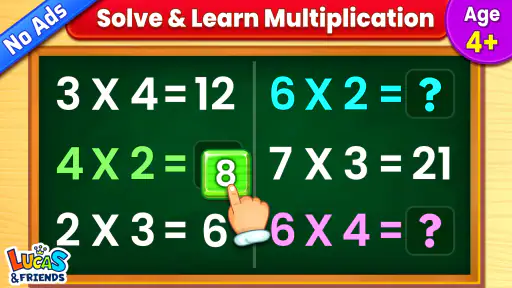
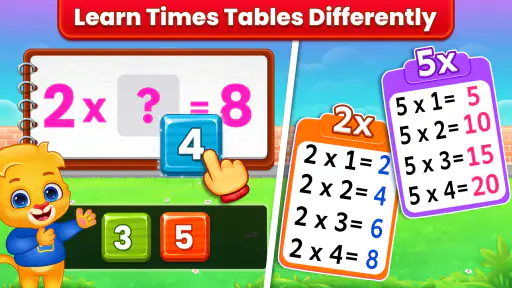
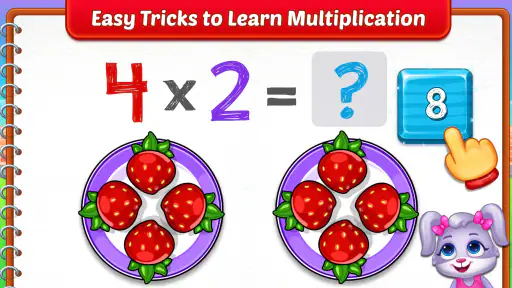
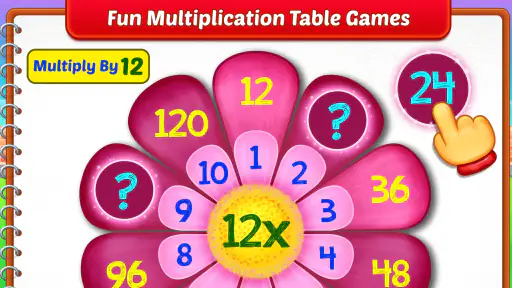

 Analysis by Frivlyz
When I look for a maths game for a young child, I want it to make practice feel manageable without pretending that a game can replace patient teaching. Kids Multiplication Math Games is a free educational game from RV AppStudios for children who are ready to meet multiplication or need a more playful way to practise it. Its focus is narrow, which can be a plus: instead of trying to cover every school subject, it keeps the child’s attention on multiplication.
The best fit is a child who already has some familiarity with counting and is beginning to connect equal groups with multiplication facts. I would use it as a short practice option alongside schoolwork, not as the first and only explanation of what multiplication means. If a child is still learning to count reliably, concrete objects, drawings, or an adult working through examples together may be a better starting point. A game can make repetition less dull, but it cannot automatically tell a parent which underlying idea is causing a mistake.
Where a little practice fits into a day
A realistic use is a brief session after homework, while dinner is being prepared, or during a quiet wait when a child has a device available. I would set a simple goal before opening the game: practise for a few minutes, then ask the child to explain one answer aloud. That small follow-up matters. If the child can describe why a multiplication answer makes sense, the activity is doing more than keeping them occupied; if they are only tapping quickly, I would slow things down and work through the idea together.
For a parent, the useful question is not whether a child can spend a long time in the app, but whether they return to the same facts with a little more confidence. Keep sessions short enough that attention stays on the maths, and let the child stop when frustration starts to replace curiosity. This is particularly helpful for children who enjoy playful practice but become discouraged by a worksheet full of repeated problems. It is less suitable when a child needs a teacher to diagnose a specific learning difficulty or explain a new concept step by step.
What a multiplication game can—and cannot—teach
Practice games are strongest at helping a learner revisit facts and build familiarity. They are not all equally good at explaining why multiplication works, and I would not assume that colourful play by itself creates deep understanding. When a child misses an answer, invite them to make equal groups with everyday objects or draw a quick picture before trying again. That turns a wrong answer into a useful clue instead of simply another tap in a game.
Compared with flashcards, a game can feel more inviting to a child who resists straightforward drills; flashcards, in turn, make it easier for an adult to choose exactly which facts to practise and to hear how the child reasons. Compared with a broad learning app, a multiplication-focused title may be easier to use when the immediate goal is practising this one skill, but it will not serve as a complete maths curriculum. I see it as one tool in a small routine: use hands-on examples to introduce an idea, a game for some repetition, and conversation to check that the child understands the answer.
Choosing the right level of support
Before handing over the device, I would sit with the child for the first session and see whether they understand what the prompts are asking. A child who can use a game independently may still benefit from an adult nearby to notice guessing, rushing, or confusion. That is not a criticism of the app; it is a reminder that young learners often need help connecting a screen activity to what they are learning at school.
Gaming Stories You May Enjoy

Dancing Road Turns Short Breaks Into a Test of Rhythm and Timing

Super Stylist Makes Every Outfit a Test of Taste and Patience

Dominoes on Your Terms: Who Should Play and Who Should Pass

Pokémon GO Makes the Familiar World Feel New

Chess.com Turns Rematches Into Rivalries, but Community Has Its Costs

Archery Battle 3D Review: Sharp Aiming, Unclear Feedback
If your child likes small, self-contained activities, a game can be a reasonable way to make a few minutes of practice feel less like homework. If they are easily distracted by bright screens, prefer paper activities, or need careful instruction before they can practise independently, I would choose a quieter method or work together first. The most useful approach depends on the child, not on how entertaining an app looks.
Cost, access, and practical expectations
The game is free, and its age rating is Everyone, so families can consider it without treating it as a paid learning course. It was released on April 1, 2019, and has an average rating of 4.5 from around 19,000 ratings, with over 10 million installs. Those figures suggest that many people have tried it, but they do not tell me whether a particular child will enjoy its style or learn well from it. I would treat popularity as context, not as a substitute for trying a short session together.
Free access is useful when a family wants to test whether a multiplication game suits a child before building it into a routine. I would still make the decision based on the child’s experience: do they understand the activity, stay engaged without becoming upset, and carry any practice into a conversation away from the screen? Those are more meaningful signs of fit than simply opening the app often. If you are comparing options, check the current app page for the specific device and version you plan to use, then let the child try a small amount of practice before deciding whether it belongs in your routine.
Fair practice without turning it into pressure
Competition can motivate some children, but it can also make a learner who needs extra time feel that speed matters more than understanding. I would avoid framing multiplication as a race. Instead, praise careful thinking, willingness to try again, and the ability to explain a solution. If a child enjoys comparing progress with a sibling, keep the comparison light and focus on each child’s own improvement rather than who finishes first.
That approach is especially valuable when children are at different stages. A younger learner may be building confidence with simple facts while an older one is ready for harder practice; asking both to perform at the same pace is not a fair test of what they know. Let each child work toward an individual goal, and step in if playful competition starts to create embarrassment or arguments. The game is most useful when it supports practice, not when it becomes a judgement of a child’s ability.
What to check before making it a regular choice
Parents often want to know whether a child can use a maths game alone, whether it covers enough material to replace other practice, and whether a free app is appropriate for everyday use. I would answer the first by observing an initial session: if the child can follow the activity and stay calm when an answer is wrong, some independent play may work. For the second, I would not use this title as a replacement for classwork, teaching, or broader maths practice. Its clear multiplication focus is helpful for a targeted goal, but a focused game is not the same thing as a full course.
For the question of regular use, I would keep it occasional and purposeful rather than making screen time the reward for getting answers right. A simple routine—try a few problems, talk through one, then move on—keeps the learning goal visible. If you need a particular feature, such as a specific curriculum sequence or a way to monitor a child’s progress, check the current app details before relying on it for that job. I would rather choose a tool that clearly matches the family’s need than assume every educational game offers the same kind of support.
Why Choose Kids Multiplication Math Games?
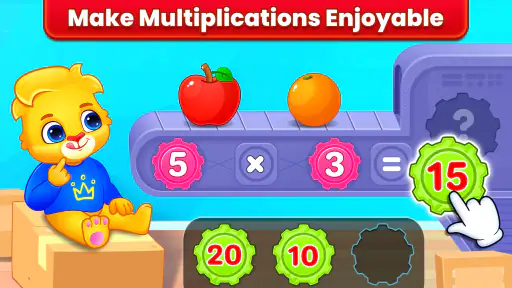
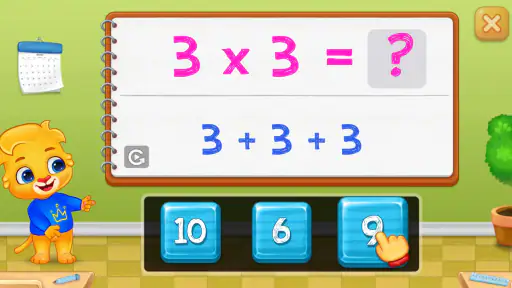
We all know that math can be a bit of a tough nut to crack, especially for kids. That's where Kids Multiplication Math Games steps in. With a vibrant interface and interactive gameplay, it's crafted to grab the attention of young learners and keep them hooked. The app uses a variety of mini-games and challenges that not only test but also improve multiplication skills. So, if your child is struggling with those pesky tables, this app might turn their frown upside down.
Gameplay and Features
Once you dive into the app, you'll notice how easy it is to navigate. The developers have clearly kept kids in mind, ensuring that the user interface is intuitive and clutter-free. The app offers multiple levels of difficulty, so whether your child is just starting with the basics or needs a bit more of a challenge, there's something for everyone.
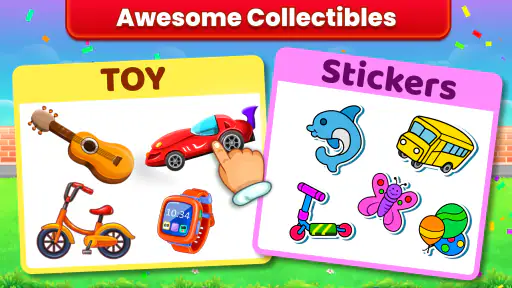
One of the standout features has to be the reward system. Kids earn stars and badges for their achievements, which is a great way to motivate them to keep going. It's like turning math practice into a game, and who doesn’t love a bit of friendly competition?
Accessibility and User Experience
Another great thing about this app is its accessibility. It's available on both Android and iOS, so regardless of what device you're using, your child can jump right in and start learning. Plus, it's designed to work offline, which means no more worrying about internet connectivity issues.
As for the user experience, it's smooth sailing all the way. The graphics are bright and engaging, yet not overwhelming. The sounds and animations add a nice touch without being too distracting, making it easier for kids to focus on the task at hand.
Final Thoughts
In a world where screen time is often seen as the enemy, this game offers a refreshing change. It's an app that combines learning with play, ensuring that kids don't just memorize but actually understand multiplication. If you're on the hunt for a tool that makes math fun, this app is definitely worth a download. So, why not give it a try and watch your child's math skills soar?
Kids Multiplication Math Games Pros and Cons
Pros
- Engaging and colorful interface.
- Adaptive difficulty levels.
- Encourages critical thinking.
- Includes progress tracking.
- No in-app purchases.
Cons
- Limited to multiplication only.
- Ads can be distracting.
- Requires internet for updates.
- Limited customization options.
- Music can be repetitive.
Frequently Asked Questions
What age group is Kids Multiplication Math Games suitable for?
Kids Multiplication Math Games is designed for children aged 6 to 12 years old. This age range is typically when students begin to learn and practice multiplication skills in school. The app's engaging and colorful interface makes it appealing and easy to navigate for younger users, while the progressive difficulty levels ensure that older children remain challenged and engaged.
Does Kids Multiplication Math Games require an internet connection to play?
Kids Multiplication Math Games can be used offline, making it a convenient option for learning on the go or in areas with limited internet access. However, some features, such as updates and additional downloadable content, may require an internet connection to access. This allows children to practice their multiplication skills anytime and anywhere without relying on Wi-Fi or data.
Are there any in-app purchases in Kids Multiplication Math Games?
Kids Multiplication Math Games offers a free version with basic features, but it also includes optional in-app purchases. These purchases can unlock additional content, such as advanced levels and bonus games, enhancing the learning experience. Parents can set up parental controls to manage purchases, ensuring a safe and budget-friendly experience for their children.
How does Kids Multiplication Math Games ensure educational value?
The app is designed in collaboration with educators to align with school curricula and educational standards. Kids Multiplication Math Games incorporates a variety of teaching methods, including visual aids, interactive quizzes, and reward systems, to reinforce learning. This multifaceted approach helps children develop strong multiplication skills, making it a valuable educational tool.
Is Kids Multiplication Math Games safe for children to use?
Yes, Kids Multiplication Math Games is designed with child safety in mind. The app does not contain any ads or external links that could lead children away from the app. Additionally, it has strict privacy policies in place to protect user data. Parents can also set up user profiles to monitor progress and customize the learning experience according to their child's needs.


