

Kick the Buddy: Second Kick
- Reviews
- 4.4
- Version
- 1.14.1517
- Installs
- 100,000,000+

Screenshots
 Analysis by Frivlyz
I reach for Kick the Buddy: Second Kick when I want a brief, silly distraction rather than a game that asks me to learn a world, build a strategy, or follow a story. Its appeal is immediate: Buddy is a ragdoll target, and the fun comes from tapping around and seeing the exaggerated response. That simple premise makes it easy to dip into during a quiet moment, though it also sets a clear limit on how much variety the experience can offer over time.
Where the game stands now
This is an action game from Playgendary Limited, built around playful destruction rather than competitive combat. It is free to download, rated Teen, and has reached over 100 million installs. Its 4.4 average from around 1.1 million ratings suggests that the straightforward, humorous premise works for many players, but popularity does not change the basic trade-off: the game is designed for short bursts of interaction, not deep progression or a demanding challenge.
The current version is 1.14.1517, and the game first appeared on Aug 11, 2021. Those details give returning players a useful point of reference, but they do not, by themselves, establish what changed between releases. I would judge it by what the current experience offers: quick access to a toy-like space where the player can experiment with different ways to provoke Buddy’s reactions. If you expect a major narrative or a substantial action campaign, this is not the right fit.
How the play loop feels
The controls are deliberately uncomplicated: tap and swipe, then watch the ragdoll respond. You do not need to memorize combos or plan around a demanding opponent, so it is easy to start playing without a tutorial-heavy commitment. The appeal is in trying an interaction, noticing Buddy’s reaction, and switching things up when the joke starts to wear thin. For me, that makes the game better suited to a few minutes between tasks than to a long session.
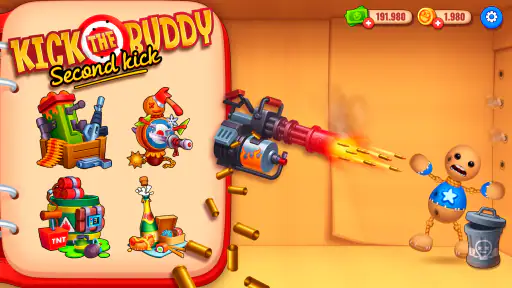
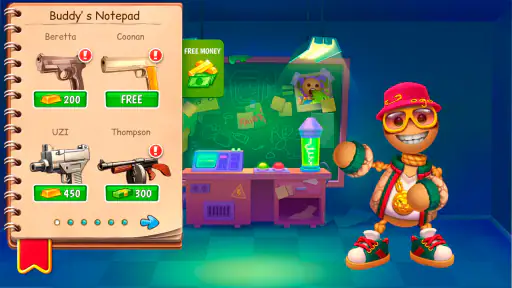
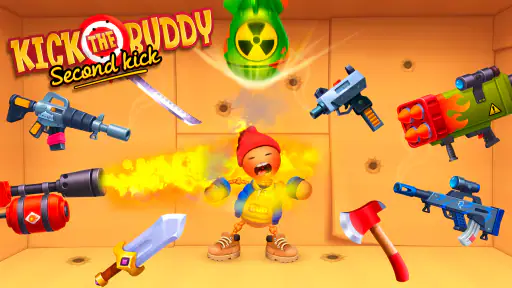
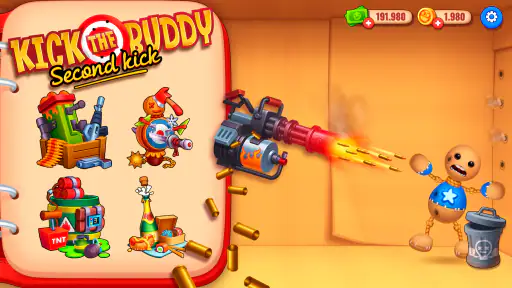
Unlocking weapons gives that simple loop a small sense of direction. Rather than treating every interaction as a new level, the game gives you reasons to explore its toy-box approach and see what different tools do. The variety is enjoyable in the moment, but it should not be mistaken for deep tactical choice: the central activity remains the same, and players who need changing objectives may tire of it. In-app purchases range from $0.99 to $84.99 per item, so I would keep spending in mind if unlocking content becomes part of the appeal.
Who will enjoy it—and who may not
I can see this working for someone who likes absurd cartoon reactions, casual tapping, and games that can be put down at any time without losing progress through a story. It can also suit a player who wants a playful diversion while waiting for a friend or taking a short break. I would not present it as a real stress treatment, though: it offers comic distraction, not a solution to stress, and its jokey violence may not be comfortable for everyone. The Teen rating is worth considering when deciding whether it is suitable for younger players.
Compared with action games built around missions, timing, or opponents, this one removes most of the pressure. That is its strength if I want instant, low-effort amusement; it is its weakness if I want a challenge that steadily changes. A physics sandbox may offer more room for open-ended experimentation, while a level-based action game usually provides clearer goals. Here, Buddy’s reactions and the tools are the main attraction, so the best reason to keep playing is enjoying that specific comic loop.
Gaming Stories You May Enjoy

Dancing Road Turns Short Breaks Into a Test of Rhythm and Timing

Super Stylist Makes Every Outfit a Test of Taste and Patience

Dominoes on Your Terms: Who Should Play and Who Should Pass

Pokémon GO Makes the Familiar World Feel New

Chess.com Turns Rematches Into Rivalries, but Community Has Its Costs

Archery Battle 3D Review: Sharp Aiming, Unclear Feedback
Meet Buddy, Your New Stress Ball
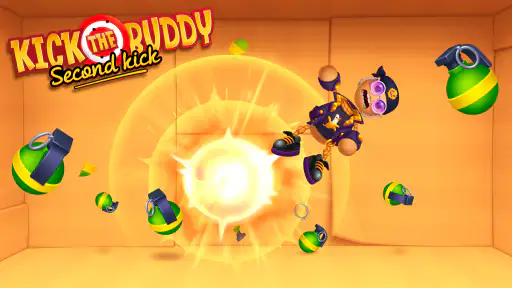
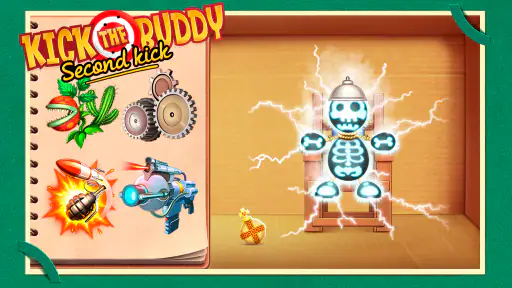
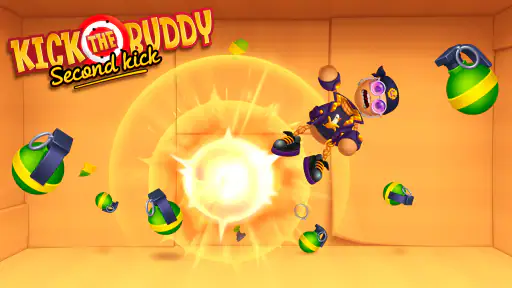
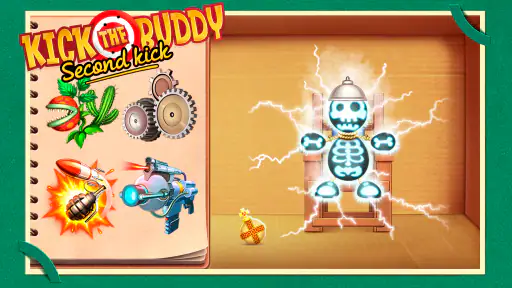
Kicking off (pun intended) with the basics, Kick the Buddy: Second Kick is all about creative destruction. The game provides you with a little ragdoll buddy who is more than happy to take a beating. Think of it as a stress ball that talks back, albeit in a funny way. You can use a plethora of weapons and tools to unleash your frustrations on Buddy, from simple punches to elaborate explosions. It’s like a never-ending toy box of destruction!
Gameplay: Simple Yet Satisfying
The gameplay is straightforward, which is part of the charm. You don’t need to strategize or plan your next move. Just tap, swipe, and watch the chaos unfold. The game offers a variety of weapons, and unlocking them is part of the fun. Whether you’re using a frying pan or a flamethrower, each session feels fresh and exciting. Plus, the graphics are surprisingly good for such a simple concept, adding an extra layer of enjoyment.
Why You'll Love It
What I love most about this game is its ability to make me laugh. Buddy’s quirky comments and exaggerated reactions are pure entertainment. It’s like having a virtual stress therapist who never runs out of patience. The game doesn’t take itself too seriously, and neither should you. It’s perfect for those quick breaks during a hectic day or just when you need a good chuckle.
A Few Points to Ponder
While the game is a blast, it’s worth noting that it does lean heavily on ads, especially if you're playing the free version. They can interrupt the flow a bit, but you can always opt for the ad-free experience if it gets too much. Additionally, while the game is fun in short bursts, it might not hold your attention for extended periods due to its repetitive nature. But hey, sometimes that’s exactly what you need!
Small choices that make short sessions work
A useful way to approach the game is to treat each visit as a tiny experiment rather than trying to clear a long checklist. Pick one tool, see how Buddy responds, and switch only when the gag has run its course. That keeps the interaction feeling intentional and makes the difference between tools easier to notice. If you are playing while waiting in a queue or between errands, a self-imposed stopping point also helps prevent a quick break from turning into an aimless stretch of repetition.
Another practical trade-off is how you think about unlocks. They can provide a reason to return, but they do not transform the basic premise into a different kind of game. I would try the available play loop first and decide whether experimenting with more tools is genuinely fun before spending money. Since individual in-app purchases can cost from $0.99 to $84.99, it is sensible to avoid treating every locked item as something you need. Free play is the lower-commitment way to find out whether Buddy’s humour holds your attention.
Ads, spending, and choosing a comfortable pace
Ads can be a real interruption in a game whose main advantage is that it starts quickly and asks little of you. If an advert breaks the rhythm, the session may feel less like a quick joke and more like waiting to get back to the joke. I would therefore try a short session in the free version before deciding whether the interruptions bother me enough to change how I play. The earlier impression that an ad-free option is available should not be treated as a promise about a particular purchase or current offer; I would check the choices shown in the game before making a decision.
For parents or anyone sharing a device, the Teen content rating is a useful cue to pause and consider the game’s cartoon violence and tone. The ragdoll presentation is exaggerated and comic, but that does not mean every household will find it suitable. I would also keep purchase controls in mind if a younger player can access the device, especially because the range of in-app item prices is broad. These are simple precautions, not reasons to assume the game is inherently unsuitable for every teen.
A realistic place for it in the day
Imagine opening it while waiting for a ride or for a meal to finish cooking. You can tap through a few interactions, enjoy Buddy’s reactions, and close the game without needing to remember a plot or recover a complicated run. That is a more natural use than expecting it to fill an entire evening. If you have only a moment, the low learning curve is convenient; if you have an hour and want changing goals, the repeated focus on one ragdoll is likely to become noticeable.
It is also a better fit for solo downtime than for a group looking for a shared challenge. The fun is personal and immediate, not built around coordinating with friends or competing against them. Someone seeking a multiplayer action game, a precision platformer, or a puzzle with a satisfying solution should choose a different style. I would keep this one in the casual-distraction category: a small, self-contained joke you can revisit when that is what you want.
What returning players should expect
Seeing a current version number can prompt the question of whether an established player will find a changed experience. The version number is a useful identifier, but without a confirmed change history I would not claim that a particular weapon, mode, or system was added or redesigned in a recent update. For a returning player, the sensible expectation is to evaluate the game as it appears now rather than assume that its core loop has been reinvented. If the original appeal was Buddy’s physical reactions and the playful tools, those remain the reasons to return.
New players may wonder whether they must pay to enjoy it. The game is free to download, and purchases are optional in the sense that they are offered as in-app items rather than an upfront price. How much the free experience satisfies you depends on your tolerance for ads and on whether the available interactions are enough to keep you amused. I would begin without spending, then decide based on actual play—not on the assumption that a larger collection automatically means a better experience.
When another action game is the better choice
If you enjoy building skill, a game with precise controls and progressively harder encounters will probably give you more lasting satisfaction. If you prefer creativity without a fixed target, a sandbox may provide broader experimentation. Kick the Buddy sits between those expectations only in the loosest sense: it gives you tools to play with, but its focus remains on the same character and comic reaction. That narrow focus is not a flaw for someone who wants exactly that, but it is important to recognize before downloading.
I would also skip it if repeated cartoon violence is simply not your kind of humour, or if ads quickly spoil your patience. And if you are looking for a thoughtful narrative, a serious combat system, or a dependable way to manage stress, there are better-matched choices. The game is most convincing when expectations stay modest: it is a light action diversion, not a deep game or a therapeutic tool.
What to watch as you play
For me, the useful question is not whether the game can provide endless novelty, but how long its particular joke stays enjoyable for you. Notice whether trying different tools actually makes you curious, or whether you are tapping without much interest just to reach another unlock. That distinction can help you decide whether to keep it as an occasional time-killer or move on, rather than spending in pursuit of variety the core format may not deliver.
Updates can change an app over time, so returning players may want to check the version and the in-game options before assuming their experience is identical to an earlier visit. I would look for changes that affect the practical things that matter here—how smoothly a brief session flows, what options are available, and whether interruptions feel manageable—without expecting an update to guarantee a new style of play. The best reason to keep it installed is still simple: you enjoy the quick, absurd exchange between your taps and Buddy’s reactions.
Overall, I find Kick the Buddy: Second Kick an easy recommendation for someone who wants a goofy, low-effort action game in small doses. Its uncomplicated controls, comic reactions, and varied tools give it an immediate appeal, while ads, purchases, and a repetitive central loop are real reasons it will not suit everybody. Try it free, keep sessions short at first, and spend only if you are sure the extra options matter to you. If that balance sounds right, Buddy can make a brief idle moment more entertaining; if you want depth or a lasting challenge, I would look elsewhere.
Kick the Buddy: Second Kick Pros and Cons
Pros
- Engaging stress-relief gameplay
- Colorful and vibrant graphics
- Easy-to-use controls
- Variety of weapons and items
- Frequent updates with new content
Cons
- Contains in-app purchases
- Advertisements can be intrusive
- Limited offline features
- May become repetitive
- Requires internet for some features
This Game in Other Languages
Frequently Asked Questions
What is Kick the Buddy: Second Kick?
Kick the Buddy: Second Kick is a fun and stress-relieving game where players can unleash their creativity by hitting, smashing, and exploding a ragdoll character named Buddy. The game offers a variety of weapons and tools, providing endless entertainment and ways to de-stress after a long day. Players can customize their experience with numerous in-game items.
Is Kick the Buddy: Second Kick free to play?
Yes, Kick the Buddy: Second Kick is free to download and play. However, the game includes in-app purchases that allow players to buy additional weapons, tools, and other items to enhance their gameplay. While the purchases are optional, they provide an opportunity to unlock more features and enjoy a richer gaming experience.
What devices are compatible with Kick the Buddy: Second Kick?
Kick the Buddy: Second Kick is available on both Android and iOS devices. It is compatible with most smartphones and tablets running recent versions of these operating systems. It's always a good idea to check the app store listing to ensure your device meets the minimum requirements for optimal performance.
Does Kick the Buddy: Second Kick require an internet connection?
Kick the Buddy: Second Kick can be played offline, making it a great option for entertainment without needing an internet connection. However, certain features, such as in-app purchases and updates, do require connectivity. Playing online also allows you to access the latest game content and participate in special events.
How can I remove ads in Kick the Buddy: Second Kick?
To remove ads from Kick the Buddy: Second Kick, players can make a one-time in-app purchase. This purchase not only eliminates ads but also often comes with additional benefits like bonus items or currency to enhance gameplay. This offers a more seamless and uninterrupted gaming experience.


