

June's Journey: Hidden Objects
- Reviews
- 4.5
- Version
- 3.35.5
- Installs
- 50,000,000+

Screenshots
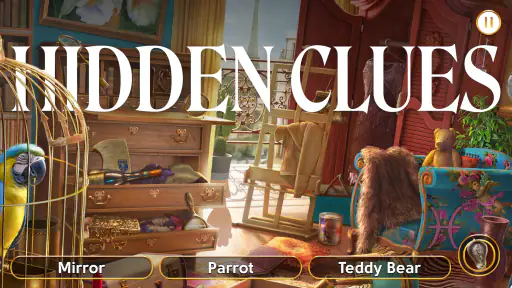
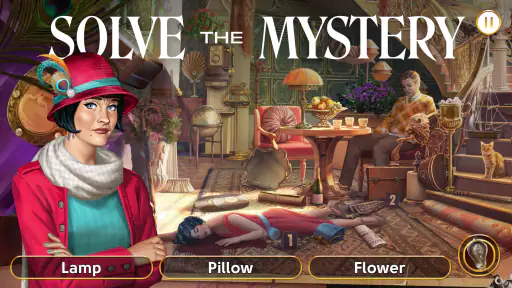
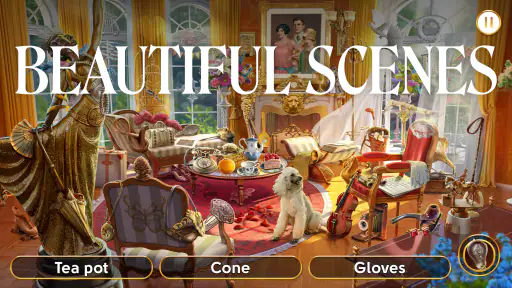
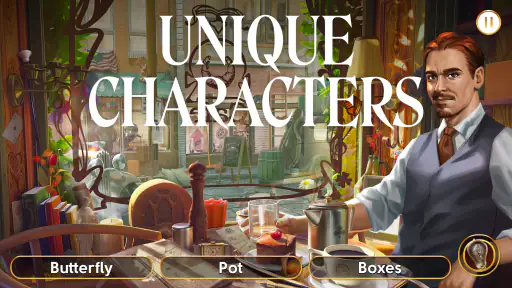
 Analysis by Frivlyz
I judge a mystery game not only by whether its clues are fun to find, but by whether its goals give me a reason to return without turning every short break into a chore. June's Journey: Hidden Objects sits between a story-led adventure and a familiar seek-and-find game: I scan illustrated scenes, work through a family mystery, and have a separate island to shape. That combination gives each session more than one purpose, though it also means the game asks for patience with a steady, ongoing pace.
Small goals make it easy to begin
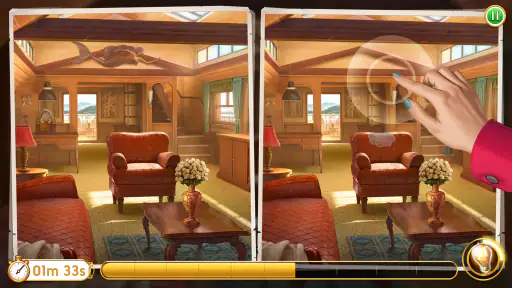
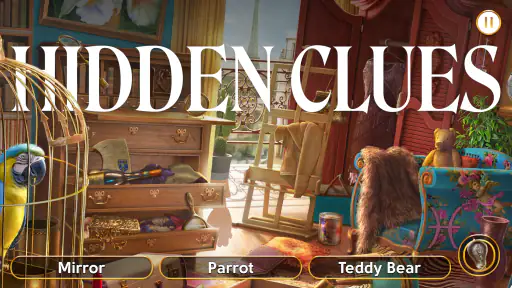
The first appeal is how clearly the basic task presents itself: look over a scene, locate the listed objects, and use that play to move through June’s story. I don’t need to learn a complicated control scheme before I can start paying attention to the artwork. For a quick session, I can focus on one scene; when I have more time, I can follow the narrative and make progress across several tasks. That flexibility is useful on a commute or while waiting for an appointment, provided I’m in the mood to concentrate on a detailed picture rather than play something frantic.
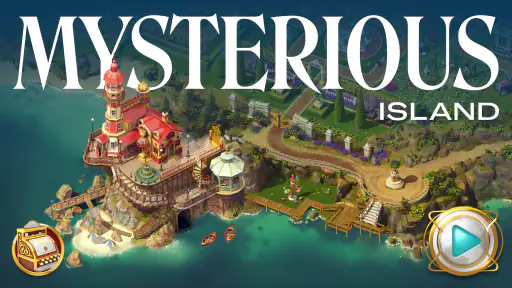
The wider loop gives those searches a second purpose. The game pairs its mystery with island building and decorating, so progress is not only about discovering what happens next. I can also see a personal space take shape as I play. That contrast is a practical strength: when I’ve had enough close looking for a moment, the island gives me a different kind of activity, while the story keeps the searches connected to a larger goal.
Progress feels visible, but the pace is deliberate
I like having more than one signal that a session mattered. A completed search can contribute to the adventure, while changes to the island give the longer-term side of play a visual result. Those goals suit people who enjoy gradual development rather than a single finish line. The trade-off is that the game’s appeal depends on being comfortable with a measured rhythm; it is not the best pick if I want every play session to deliver a dramatic revelation or a big new challenge.
The search scenes also reward familiarity. After I have spent time with a location, I can remember where certain shapes tend to blend into the composition, but that knowledge doesn’t remove the need to inspect the whole image. My useful habit is to scan in a consistent pattern—one area at a time—instead of bouncing randomly between objects. That makes a busy picture feel more manageable and helps me avoid overlooking something simply because I’m rushing.
Who will enjoy this kind of mystery?
This is a good fit if you like illustrated puzzles, a continuing story, and a light decorating project in the same game. It also works for someone who prefers to play in short, thoughtful bursts instead of needing quick reflexes. I would be more hesitant to recommend it to players who want action, direct control over a character in a 3D world, or a mystery that can be completed in one sitting. The hidden-object format asks you to slow down and look carefully, and the gradual progression is part of the experience rather than a detour from it.
Compared with a simple hidden-object title that moves from one picture to the next, the island and ongoing story give me extra reasons to keep playing. Compared with a broader adventure game, the main activity here is still observation, not exploration through freely controlled environments. Knowing that distinction helps set expectations: the pleasure comes from spotting details and seeing the connected project grow, not from testing reflexes or solving every kind of puzzle an adventure game might offer.
Gaming Stories You May Enjoy

Dancing Road Turns Short Breaks Into a Test of Rhythm and Timing

Super Stylist Makes Every Outfit a Test of Taste and Patience

Dominoes on Your Terms: Who Should Play and Who Should Pass

Pokémon GO Makes the Familiar World Feel New

Chess.com Turns Rematches Into Rivalries, but Community Has Its Costs

Archery Battle 3D Review: Sharp Aiming, Unclear Feedback
The Alluring World of the 1920s
One of the first things that struck me about June's Journey is its stunning attention to detail. The game is set in the 1920s, and boy, does it capture the essence of the era beautifully! From the jazz-infused background music to the exquisitely designed locations, every element transports you back in time. The art deco style is truly on point, and it's a visual treat to uncover hidden objects amidst the vibrant scenes of the roaring twenties.
Engaging Storyline
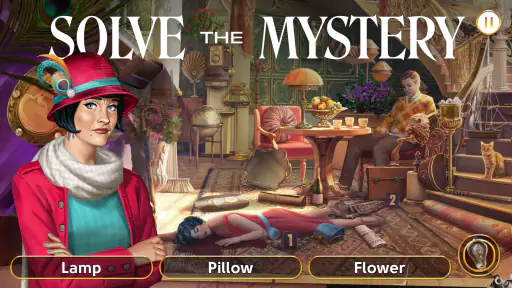
Now, let's talk about the storyline, which is the heart and soul of the game. You play as June Parker, an aspiring detective unraveling a family mystery. Each chapter unfolds like a captivating novel, with twists and turns that keep you on the edge of your seat. The narrative is well-crafted, and I found myself genuinely invested in June's journey to uncover the truth. The characters are richly developed, making it easy to feel a connection with them as you progress through the game.
Challenging and Rewarding Gameplay
A hidden object game is only as good as its gameplay, and June's Journey: Hidden Objects doesn't disappoint. The puzzles are cleverly designed, offering just the right level of challenge to keep things interesting. As you advance, the scenes become more intricate, requiring keen observation skills to spot the hidden items. But fear not, the game strikes a perfect balance between challenging and rewarding, ensuring that you never feel overwhelmed.
It's not just about finding objects either; the game incorporates mini-games and puzzles that add variety and keep the experience fresh. Whether it's piecing together clues or solving riddles, there's always something new to tackle, making it hard to put down once you start playing.
Building and Decorating Your Island
As if solving mysteries wasn't enough, the game also allows you to indulge your creative side by building and decorating your island. This feature adds a delightful layer of customization, letting you personalize your own slice of paradise. Collecting resources and expanding your island is a rewarding experience, and it provides a nice break from the detective work. Watching your island evolve over time gives a satisfying sense of accomplishment.
How I’d fit it into a day
My most comfortable way to play is to treat it as a pause between other things, not as a game I must clear in one long sitting. Imagine having a few quiet minutes after lunch: I can open a scene, settle into the search, and stop when my attention starts to wander. Later, if I feel like a different task, I can spend time arranging the island. That alternating rhythm is more forgiving than demanding a long block of uninterrupted play, and it lets the story remain a pleasure instead of homework.
There is a useful distinction between a scene that looks difficult and one that is difficult because I’m tired. When I keep circling the same part of the picture, I do better by pausing and returning with fresh eyes than by tapping faster. A deliberate sweep from corners toward the center, then a second pass over visually crowded areas, is a simple way to keep searches systematic. It doesn’t guarantee an instant find, but it avoids the common mistake of staring at one obvious cluster while missing a small object elsewhere.
Reading the challenge without rushing
The challenge comes from visual density and the way objects sit among decorative details. That makes the difficulty feel different from a conventional logic puzzle: I’m not usually deriving a chain of rules so much as learning to distinguish an item from a convincing background. I enjoy that when I want a calm test of attention. If I’m looking for escalating mechanical complexity or precise timing, though, this is a poor substitute; its central skill is careful observation.
My other practical tip is to separate progress goals from perfectionism. It can be tempting to replay a scene immediately because I think I should have spotted everything faster, but that only helps if I’m enjoying the search itself. I’d rather move on when the session has done its job, then revisit the familiar visual language naturally as the adventure continues. That keeps the game from becoming a score-chasing exercise and preserves its relaxed, story-oriented appeal.
What the ongoing loop asks of you
The island gives the searches a visible long-term context, but it also means this isn’t a mystery-only experience. Players who want to follow the plot and ignore every decorative choice may find that the broader loop is less compelling; the island is a genuine part of the game’s identity, not just a background image. In the same way, someone who mainly wants a free-form decorating sandbox may find the search-and-story structure too prominent. I’d choose this when I want both activities to sit side by side, rather than expecting either one to be the whole game.
It is free to start, and the in-app purchases range from $0.99 to $199.99 per item, so I’d decide in advance whether I’m happy to progress at the game’s natural pace before considering a purchase. The broad price range makes it especially sensible to treat optional spending cautiously rather than assuming every purchase is a small add-on. I can enjoy the core appeal without making the game a shopping decision, but anyone who dislikes in-app purchase prompts or feels pressured by optional offers should be wary of that model.
Practical expectations before installing
Wooga developed this adventure, which is rated Teen. It is free, has an average rating of 4.5 from around 1.2 million ratings, and has passed 50 million installs. Those figures suggest a well-established audience, but they don’t tell me whether its particular pace will suit you; the best test is whether detailed searches and gradual island progress sound appealing. The current version is 3.35.5, and it requires Android 6.0 or later, useful details to check if you’re choosing it for an older device.
If you’re wondering whether it can be played casually, I think its scene-based structure makes short visits a sensible way to approach it. If you’re wondering whether it is mainly a story game or a puzzle game, it sits between the two: the mystery gives context, but observation remains the central activity. And if you want to know whether you can avoid the island, I would not pick it on that assumption—the decorating and expansion side is one of the main contrasts with a straightforward sequence of hidden-object pictures.
Where the experience is less convincing
The same structure that makes the game easy to revisit can also make its momentum feel gradual. Players who want immediate plot resolution may find that a continuing adventure asks for more patience than a self-contained mystery. A detailed scene can be soothing when I have time to focus, but it can also become visually tiring if I try to play while distracted or in a noisy setting. I wouldn’t recommend it as background entertainment: the objects require attention, and half-looking at the screen tends to make the search more frustrating, not more relaxing.
There is also a preference question around repetition. Returning to illustrated scenes is part of the format, and the satisfaction comes from noticing objects rather than mastering a new control system each time. That is a strength for someone who likes visual routines and recognizable settings; it is a weakness for a player who needs every session to introduce a radically different mechanic. If I want variety above all, I’d choose a more action-oriented adventure. If I want a steady puzzle habit with a narrative thread, this is a more natural match.
In conclusion, June's Journey: Hidden Objects is more than just a game; it's an immersive experience that captures the spirit of adventure and curiosity. Whether you're a fan of hidden object games or just looking for an engaging story to get lost in, this app has something for everyone. So, if you're ready to embark on an unforgettable journey with June Parker, download the game and let the adventure begin!
June's Journey: Hidden Objects Pros and Cons
Pros
- Engaging storyline with intriguing mysteries.
- Beautifully detailed graphics and scenes.
- Regular updates with new content.
- Free to play with optional in-app purchases.
- Challenging puzzles enhance cognitive skills.
Cons
- Energy system limits continuous play.
- Occasional in-app purchase prompts.
- Internet connection required to play.
- Some levels are very challenging.
- Ads can be intrusive at times.
This Game in Other Languages
Frequently Asked Questions
What is June's Journey: Hidden Objects about?
June's Journey: Hidden Objects is a captivating mystery game set in the 1920s, where players take on the role of June Parker as she navigates a world full of intrigue and hidden secrets. The primary gameplay involves finding hidden objects in beautifully illustrated scenes, solving puzzles, and unraveling a family mystery. It combines an engaging storyline with challenging puzzles, making it a delightful experience for fans of mystery and adventure genres.
Is June's Journey: Hidden Objects free to play?
Yes, June's Journey: Hidden Objects is free to download and play. However, the game offers in-app purchases that can enhance the gameplay experience. Players can buy in-game currency, energy, and other items to progress more quickly. While these purchases are optional, they can be tempting for players looking to advance faster or access special features.
What platforms is June's Journey: Hidden Objects available on?
June's Journey: Hidden Objects is available on both Android and iOS platforms, making it accessible to a wide range of mobile users. The game can be downloaded from the Google Play Store for Android devices and the Apple App Store for iOS devices. It is important to ensure that your device meets the necessary system requirements for optimal performance.
Does June's Journey: Hidden Objects require an internet connection?
Yes, an internet connection is required to play June's Journey: Hidden Objects. The game frequently updates with new content, events, and features that necessitate an internet connection to access. Additionally, being online allows players to interact with other users, participate in global challenges, and receive timely updates from the game developers.
How can I save my progress in June's Journey: Hidden Objects?
Progress in June's Journey: Hidden Objects is saved automatically when you are connected to the internet. The game is linked to your account, so you can switch devices without losing your progress. It is recommended to connect your game to a Facebook account or an email to ensure that your game data is backed up and easily retrievable in case you change or lose your device.


