

Infinite Gacha Fever
- Reviews
- 4.6
- Version
- 1.0.9
- Installs
- 100,000+

Screenshots
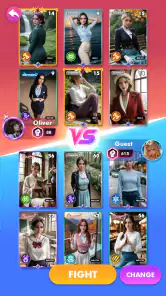


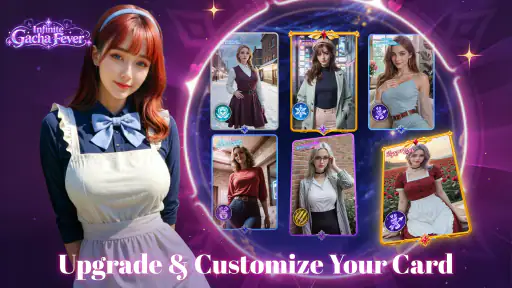

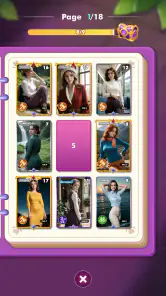


 Analysis by Frivlyz
Infinite Gacha Fever is a casual anime-themed collecting game from BKP Global, built around the appeal of opening draws and gathering goddess characters. I approached it as a short-session game rather than a deep strategy title, and that framing helped me enjoy it more. The central attraction is the collection loop: make progress, pursue new characters, and decide how much attention to give each result.
The game is free to start and carries a Teen content rating. Its store summary presents it as a TCG adventure, while the short description focuses on its gacha identity. Those two ideas set the right expectation: the collecting element is the main reason to try it, and anyone uncomfortable with randomized rewards should think carefully before spending time or money.
What the first sessions feel like
My first impression was that the game is easiest to understand when treated as a relaxed collection hobby. The anime presentation gives each opening a sense of occasion, but the appeal depends heavily on whether you enjoy chasing a particular character rather than simply completing a fixed set of tasks. If the reveal itself is fun for you, the loop has an immediate pull.
That also creates the first important trade-off. A conventional casual game usually gives me a predictable reward for finishing a level or challenge. Here, the emotional payoff is less certain because the desired result may not appear when I want it. I would recommend approaching each session with a small goal, such as checking available progress or using earned opportunities, instead of opening the game with the expectation of getting one specific goddess.
The game is a reasonable fit for short visits during a commute, a break, or the last few minutes before bed. I can imagine checking in, making a few collection decisions, and closing it without needing the same uninterrupted concentration demanded by a larger role-playing game. That convenience is one of its strongest casual qualities.
At the same time, players seeking a fully developed card battler may find the experience narrower than expected. The TCG label creates an expectation of deck construction, tactical matches, and meaningful counterplay. I would not choose this title solely because I want the strategic depth of a traditional trading-card game. Its strongest identity is the excitement of collecting anime characters through a gacha-focused loop.
How I would manage the collection loop
One useful habit is to decide what kind of collector you are before investing much time. A completionist may enjoy the long chase, while a casual player may be happier choosing a few favorites and ignoring the urge to obtain everything. That distinction matters more here than it does in a standard level-based game because the collection goal can expand faster than a player’s available time or budget.
Gaming Stories You May Enjoy

Dancing Road Turns Short Breaks Into a Test of Rhythm and Timing

Super Stylist Makes Every Outfit a Test of Taste and Patience

Dominoes on Your Terms: Who Should Play and Who Should Pass

Pokémon GO Makes the Familiar World Feel New

Chess.com Turns Rematches Into Rivalries, but Community Has Its Costs

Archery Battle 3D Review: Sharp Aiming, Unclear Feedback
I also found it helpful to pause after an unsuccessful opening rather than immediately trying again. The animation and reveal sequence can encourage an emotional reaction, especially when the result is close to what I wanted. Waiting a moment makes it easier to separate genuine enjoyment from the feeling that I need to recover a disappointing outcome.
Another practical approach is to keep the game as one part of a broader mobile routine. I would not make it the only game on my phone if I knew I was vulnerable to repetitive checking. Pairing it with a non-gacha title gives me an alternative when I want guaranteed progress instead of another uncertain collection attempt.
Spending deserves a clear boundary
The game is free to download, but optional purchases range from $1.99 to $129.99 per item. That is a wide enough spread that I would set a personal limit before opening the shop. The lower-priced option may feel easy to justify in isolation, while repeated purchases can change the total cost quickly. The larger item price is especially important for anyone who tends to spend impulsively during a lucky or unlucky streak.
I appreciate that the purchase question can be handled honestly without pretending that free access removes all pressure. A free entry point makes it easy to test the art style and collection rhythm, but it does not automatically make the long-term experience comfortable for every player. My recommendation is simple: play without paying first, decide whether the basic loop remains enjoyable when the desired character does not appear, and only then consider whether an optional purchase fits your entertainment budget.
The safest way to enjoy this game is to treat spending as a fixed entertainment choice, not as a way to correct an unlucky result. I would never buy something because I felt I had already spent too much time trying. That mindset turns a casual game into a source of pressure, and no character collection is worth losing control of the budget.
Progress, patience, and the feeling of pressure
Gacha games often create two different kinds of progress: the progress I can see from continuing to play and the progress I hope will eventually produce a preferred character. Those are not the same thing. I can have a productive session without receiving the result I wanted, but the game’s emotional design may make that session feel empty if my attention is fixed on one target.
For that reason, I would judge the game by whether I enjoy the process between desired results. If the artwork, reveals, and everyday collection activity are satisfying on their own, patience becomes manageable. If every session feels like waiting for one specific outcome, the game is likely to become frustrating even when it is technically free.
A realistic everyday scenario would be a player checking in after work with a strict ten-minute limit. They look at the current collection goal, use only what they have already earned, and stop when the planned activity is finished. That routine preserves the casual nature of the game. The less healthy version is opening it repeatedly during the day because a disappointing result creates an urge to try again immediately.
I would also avoid making a purchase while tired, distracted, or annoyed. That sounds obvious, but collection games are particularly good at turning a passing mood into a decision. If I still want an item the next day and it fits the amount I already planned to spend, the choice is more likely to reflect genuine enjoyment rather than a temporary reaction.
Is the experience fair for competitive players?
Fairness is harder to judge from the collecting premise alone. A game can be enjoyable as a personal collection even when players have different levels of access to optional purchases. The important question is whether the title asks me to compare my collection, progress, or results with other players in a way that makes spending feel necessary.
I would therefore separate two audiences. For someone who mainly wants to collect anime goddesses privately, unequal spending may be less important. The player can set personal goals and enjoy the presentation without treating another person’s collection as a benchmark. For someone who wants a competitive card experience where success should depend mainly on decisions, the gacha structure deserves more caution.
The TCG framing makes this distinction especially relevant. In a traditional card game, a player may accept that collecting is expensive, but still expect matches to reward planning, timing, and knowledge. If access to stronger or more desirable options becomes central to competition, the experience can feel less fair to players who prefer skill-based progression. I would choose a more established competitive card game when balanced matches and transparent deck-building rules are my main priorities.
My advice is to look at the game as a collection-first casual title unless your own experience proves otherwise. Do not assume that a large roster or attractive card presentation automatically means a deep competitive environment. If competition matters to you, spend time learning how progress feels without purchases before deciding whether the game deserves a larger commitment.
What I would want to understand before paying
The listed purchase range tells me the game has optional monetization, but it does not by itself answer every fairness question a careful player may have. Before spending, I would look inside the game for clear explanations of what each purchase provides, whether a particular draw has stated odds, and whether there are any guarantees or limits attached to repeated attempts. Those details should be understandable before confirming a transaction.
I would also pay attention to whether the game makes the difference between earned resources and purchased resources easy to follow. Clear labels reduce mistakes, especially when several currencies or reward types appear together. If I ever felt unsure about what I was buying or how it affected a collection goal, I would stop rather than guess.
Another question is whether the game remains pleasant when I ignore the shop. That is the most useful personal test. If the free route gives me enough to explore the presentation and decide whether I like the core loop, I can make a calmer judgement. If every meaningful moment points back toward spending, I would consider that a sign to keep my involvement light.
Who should try it, and who should skip it?
I would recommend Infinite Gacha Fever to players who enjoy anime character collecting, dramatic reveals, and casual sessions with an element of uncertainty. It suits someone who can celebrate a lucky result without treating it as an obligation to keep chasing the next one. The Teen rating also gives families a reason to discuss spending habits before allowing younger players to use the game.
I would be more cautious recommending it to completionists who feel uncomfortable leaving a collection unfinished. The same design that motivates a relaxed collector can become stressful for someone who needs every character. Players who dislike randomized rewards, or who prefer to know exactly what they will unlock after each activity, should probably choose a different casual game.
It is also not my first choice for someone searching specifically for a serious competitive TCG. A dedicated card battler with clearly defined match rules and a stronger emphasis on tactical play would be a better fit for that purpose. This game’s appeal is more personal and collectible than purely strategic.
Device expectations and current version
The game supports Android devices running version 6.0 or later, which makes it accessible to a broad range of compatible phones and tablets. Still, compatibility does not guarantee that every device will feel equally comfortable. Collection games rely on visual presentation and repeated interface interactions, so screen size, responsiveness, and battery condition can affect how pleasant longer sessions feel.
The current version is 1.0.9. I would keep the game updated through the normal app store process, particularly because early versions of a live collection game can change as the developer refines presentation, balance, or purchase flows. I would not build a long-term spending plan around assumptions about future additions; I would judge each update by what is actually available in the version installed on my device.
BKP Global has positioned the title in a crowded casual space, so maintaining trust will matter as much as adding attractive characters. Players need to feel that the collection experience is understandable and that optional purchases are presented responsibly. For me, that trust is not created by the anime artwork alone; it comes from clear choices, predictable information, and comfortable ways to stop playing.
My trust verdict after weighing the trade-offs
The game has a clear audience and a clear risk. Its anime goddess collection theme can make a short session feel rewarding, especially for players who enjoy the anticipation of a reveal. The free starting point makes it practical to test, and its casual identity works well when I keep my goals modest and my sessions controlled.
The risk is that the same anticipation can become pressure. With purchases priced from $1.99 up to $129.99 per item, I would not recommend entering the game without a spending boundary. I would also avoid assuming that the TCG presentation will satisfy someone who wants a deeply competitive card game. The right experience depends on whether collecting is the destination or merely a route toward strategy.
The game has an average rating of 4.6 from around 2.7 thousand ratings, and it has passed 100 thousand installs. Those figures suggest that the concept is attracting attention, but they do not replace my own test of the collection loop. I would use the free access to decide whether the reveals and character hunt remain enjoyable without payment.
My final recommendation is measured: try it if you like anime collecting and can treat randomized rewards as entertainment rather than a challenge to overcome. Set a time and spending limit, check purchase details carefully, and stop when the session stops feeling fun. Infinite Gacha Fever is most convincing as a light collection game for self-directed players; it is a weaker choice for anyone seeking guaranteed progress, strict competitive fairness, or a traditional TCG experience.
Infinite Gacha Fever Pros and Cons
Pros
- Fast-paced gacha pulls keep short play sessions entertaining.
- Large character roster gives collectors plenty of goals.
- Frequent rewards help free players make regular progress.
- Simple controls make the game easy to learn on mobile.
- Idle features let your team earn resources while offline.
Cons
- Duplicate characters can make progression feel repetitive over time.
- High-tier units may require considerable luck or repeated pulls.
- Energy or timers can limit longer gaming sessions.
- The interface may feel crowded with menus and currencies.
- Performance can vary on older phones during busy battles.
This Game in Other Languages
Frequently Asked Questions
What is Infinite Gacha Fever?
Infinite Gacha Fever is a gacha-style mobile game focused on collecting characters, items, or other rewards through randomized draws. Players typically spend in-game currency to unlock new content, build a stronger collection, and progress through available challenges. The experience is designed around repeated summoning, upgrading, and experimenting with different combinations, so it may appeal to users who enjoy collection systems and luck-based progression.
Is Infinite Gacha Fever free to download and play?
Infinite Gacha Fever can generally be downloaded without an upfront purchase, but the exact availability and pricing may depend on whether you are using Android or iOS and on your region. Like many gacha games, it may include optional in-app purchases for premium currency, faster progression, or additional draws. Before downloading, review the store listing carefully and check the purchase settings, especially if children use the device.
Does Infinite Gacha Fever require an internet connection?
You should expect Infinite Gacha Fever to require an internet connection for at least some important functions, such as loading events, synchronizing progress, processing gacha results, or displaying advertisements. Offline access may be limited or unavailable, depending on the version installed. A stable Wi-Fi or mobile-data connection is recommended, particularly when updating the game or completing activities that save progress online.
Is Infinite Gacha Fever suitable for children?
Parents should check the official age rating and review the game before allowing children to play. Gacha mechanics are based on randomized rewards and may encourage repeated spending, while advertisements, chat features, or mature themes can vary by version. If children use the app, enable parental controls, restrict in-app purchases, and explain that virtual rewards are not guaranteed even when premium currency is used.
What should I check before downloading Infinite Gacha Fever?
Before installing Infinite Gacha Fever, verify that you are downloading the official version from a trusted Google Play or Apple App Store listing. Check the developer name, recent reviews, required storage space, device compatibility, privacy permissions, age rating, and in-app purchase information. It is also wise to confirm whether progress is linked to an account, since deleting the app or changing devices could affect saved data.


