

Idle Weapon Shop
- Reviews
- 4.5
- Version
- 1.3.0
- Installs
- 1,000,000+

Screenshots

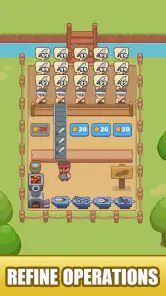
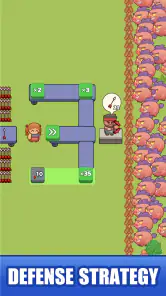



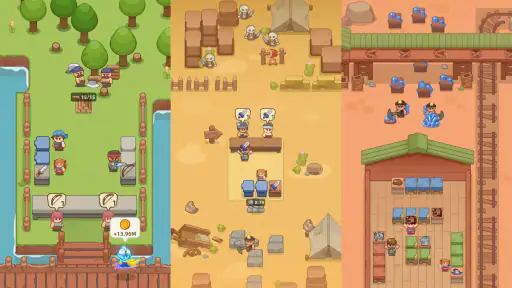
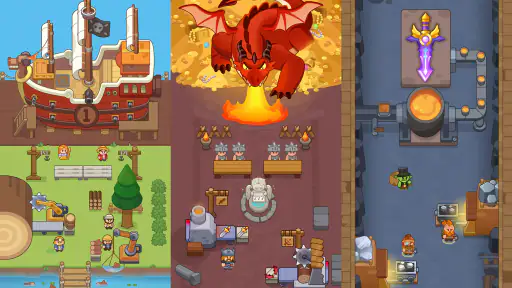
 Analysis by Frivlyz
My first impression of Idle Weapon Shop is that its unusual premise does most of the work: instead of following an adventurer into danger, I’m looking after the shop that equips people heading into an apocalypse. That shift makes the game feel less like a conventional action adventure and more like a small business sim with a playful survival-world backdrop. I enjoy that contrast, though it also sets a clear expectation: the appeal is in tending the operation, not taking weapons into battle myself.
A shop shaped by its setting
The setting gives ordinary shopkeeping decisions a little extra character. Stocking weapons feels connected to the imagined needs of people trying to survive, rather than to a generic retail counter. That context is a useful part of the game’s identity: it makes the shop’s purpose immediately understandable, even if you usually gravitate toward simulation games with calmer themes. The apocalyptic framing adds stakes in the background, while the day-to-day focus stays on running the store.
For me, that balance is more appealing than a setting that constantly demands drama. I can enjoy the idea of serving a rough world without needing every moment to become a crisis. The main trade-off is that players looking for exploration, combat, or a story-led journey may find the shopkeeper perspective too narrow. This is a game about supporting the action from behind the counter, not stepping into the wasteland yourself.
The mood between decisions
The bright graphics and weapon details give the shop a lively look, while the sound effects and background music help make its small routines feel like a place rather than a menu. I find that combination suits an idle business game: the visual theme keeps the premise distinct, and the audio gives the repeated activity a bit of texture. It is a relaxed mood with a survival-game skin, rather than a tense one.
That makes it easier to imagine playing in short, casual stretches, such as checking in during a break and deciding what to adjust before returning to the day. The flip side is that anyone who wants a forceful soundtrack or a cinematic atmosphere may find the presentation too gentle. Here, sound and art support the shopkeeping loop; they do not try to turn it into an action spectacle.
How the shopkeeping loop fits
One of the first things you’ll notice in Idle Weapon Shop is how intuitive the gameplay is. You start with a modest store, and as you progress, you unlock new weapons and upgrades. What I loved most was the gradual complexity that keeps you hooked. It’s like the game knows the perfect pace to keep things interesting without being overwhelming.
That steady rise in complexity is a good fit for someone who wants a simulation game they can learn as they go. I would treat each new option as a reason to pause and reconsider the way I run the shop, rather than assuming every unlock automatically improves the whole operation. When a game introduces systems gradually, the useful habit is to change one thing at a time: it becomes easier to see whether a new choice actually helps, and less tempting to spend resources simply because an upgrade is available.
Gaming Stories You May Enjoy

Dancing Road Turns Short Breaks Into a Test of Rhythm and Timing

Super Stylist Makes Every Outfit a Test of Taste and Patience

Dominoes on Your Terms: Who Should Play and Who Should Pass

Pokémon GO Makes the Familiar World Feel New

Chess.com Turns Rematches Into Rivalries, but Community Has Its Costs

Archery Battle 3D Review: Sharp Aiming, Unclear Feedback
Customization and Strategy
Customizing my shop was one of the highlights of the game. From choosing the layout to deciding which weapons to stock, every decision impacts your business's success. I found myself constantly tweaking my inventory to maximize profits. And let's not forget the strategic element of marketing and pricing. Balancing quality and cost is key, and it’s where the game’s depth truly shines.
For a more deliberate approach, I’d avoid changing layout, stock, and prices all at once. If the results feel better or worse afterward, a single adjustment makes it easier to understand what caused the difference. That small bit of discipline is especially helpful in a game where the temptation is to keep tinkering. It turns customization from decoration into a practical experiment: decide what you want to improve, make one change, then judge whether it suits the way you prefer to manage.
There is also a useful trade-off in the shopkeeper role. A broad range of stock can make the business feel more complete, but attention is limited, and not every new option needs to become an immediate priority. I’d focus first on keeping the shop easy to manage, then explore additional choices when the current setup feels settled. Players who enjoy comparing options and refining a routine will likely find that satisfying; anyone who wants a fast, hands-off reward loop may find the decisions more involved than expected.
Who will enjoy this kind of sim
I’d recommend it most to players who like idle games but want a stronger sense of place than a bare screen of counters and upgrades. It also suits people who enjoy management games in small doses: the shop gives you a clear theme for making decisions, without requiring you to role-play a hero or learn a complicated combat system. If you like returning to a business, checking how it is doing, and deciding what to adjust next, the premise gives those check-ins a distinct purpose.
It is less suitable for someone who needs a strong narrative thread, direct control of a character, or tactical battles to stay engaged. A conventional action game would be a better choice if the apocalypse itself is what interests you. Likewise, if you prefer simulation games built around detailed logistics and long-range planning, this shop-focused approach may feel lighter than you want. I see its appeal in the compact loop of managing a themed store, not in deep simulation of an entire world economy.
A realistic way to fit it into a day is to open it during a short lull, review the shop, make one or two considered adjustments, and leave rather than turning every visit into a long optimization session. That keeps the idle format convenient and gives you a reason to notice how your decisions shape the business over time. If you enjoy that kind of low-pressure check-in, the game makes sense as a casual companion; if you want a session to deliver a complete story or a dramatic challenge, it may not be the right use of your time.
Cost, expectations, and practical fit
The game is free to start, with in-app purchases ranging from $0.99 to $99.99 per item. I’d go in with a simple boundary: enjoy the shop loop first, and only consider spending if you already know which part of the experience you want to support. The presence of optional purchases is worth keeping in mind if you are choosing a game for a younger player, even though its age rating is Everyone 10+. For a parent, it is sensible to discuss spending before handing over a device, rather than treating a free download as a promise that nothing can be bought.
On Android, the minimum requirement is version 6.0, so it is an option for devices running that release or newer. The current version is 1.3.0. I would still think about the kind of play you want before installing: the game is best judged as a themed idle simulation, not as a deep survival adventure. That distinction answers the most important practical question for me: whether it is worth trying depends less on the apocalypse premise and more on whether managing a small, steadily developing shop sounds relaxing.
The game comes from Hello Games Team and has an average rating of 4.5 from around 24,000 ratings, with more than a million installs. Those figures suggest that plenty of players have been willing to give its particular mix a try, but they do not settle whether the routine will suit you. I’d use them as a reason to consider it, then decide based on the shopkeeping focus and the modest, incremental pace.
Graphics and Sound
The graphics are vibrant and engaging, perfectly complementing the game's theme. The attention to detail in weapon design is impressive, making each sale feel rewarding. Plus, the sound effects and background music add a nice touch, creating an immersive atmosphere that keeps you coming back for more.
My verdict on the atmosphere
In conclusion, Idle Weapon Shop is a delightful mix of strategy, customization, and business management. Whether you’re a fan of idle games or new to the genre, there’s something here for everyone. It’s a game that you can pick up for a few minutes or lose yourself in for hours. So, if you're looking for a fun way to test your entrepreneurial skills, give it a shot. You might just find yourself hooked!
My own recommendation is a little more specific: try it if the thought of running a weapons counter in an apocalypse sounds more charming than grim, and if you enjoy improving a small operation at your own pace. Its strongest quality is the coherence between the shop, the setting, and the gentle management rhythm. I wouldn’t choose it for combat or a demanding survival story, but for a low-pressure business sim with an unusual theme, that focused identity is exactly what makes it worth a look.
Idle Weapon Shop Pros and Cons
Pros
- Engaging gameplay loop.
- Variety of weapons to manage.
- Offline earning feature.
- Frequent updates and events.
- Easy to learn controls.
Cons
- Repetitive tasks over time.
- Limited customization options.
- In-app purchases can be pricey.
- Occasional ads can be intrusive.
- Requires internet for full features.
Frequently Asked Questions
What is Idle Weapon Shop and how does it work?
Idle Weapon Shop is a simulation game where players manage their own weapon shop. The main objective is to craft, sell, and expand your shop while managing resources and upgrading equipment. The game operates on idle mechanics, meaning you can earn money and progress even when you are not actively playing. It’s engaging for those who enjoy strategic management and incremental games.
Is Idle Weapon Shop free to play, or does it require in-app purchases?
Idle Weapon Shop is free to download and play, but it includes in-app purchases. These purchases can provide players with premium currency or items that expedite progression. While purchases can enhance the gaming experience, they are not necessary to enjoy or advance in the game. Players can still progress at a satisfactory pace without spending real money.
What are the system requirements for Idle Weapon Shop on Android and iOS?
For Android, Idle Weapon Shop requires Android 5.0 and up, while iOS users need iOS 10.0 or later. It’s compatible with most modern smartphones and tablets. Users should ensure they have enough storage space available and a stable internet connection for the best gameplay experience.
How can players get support if they encounter issues with Idle Weapon Shop?
Players can access support through the in-game help section, which connects them to a customer service portal. Alternatively, they can visit the developer’s official website for more detailed support options, including FAQs, community forums, and direct contact with the support team. Responses are generally prompt, helping players quickly resolve any issues.
Does Idle Weapon Shop require an internet connection to play?
While Idle Weapon Shop offers offline capabilities, some features require an internet connection. Online connectivity enhances the gaming experience through updates, special events, and leaderboards. However, the core gameplay can still be enjoyed without an internet connection, making it convenient for players on the go.


