

Hidden Through Time 2: Magic
- Reviews
- 4.5
- Version
- 1.0.63-7-0
- Installs
- 1,000+

Screenshots
 Analysis by Frivlyz
I approach a hidden-object game with a simple question: does looking around feel like an activity in its own right, or just a chore between rewards? Hidden Through Time 2: Magic works best when I treat each scene as a small visual puzzle rather than rush through it. I scan, tap when something seems worth checking, and get the pleasure of noticing a detail I had overlooked. That gentle action-and-discovery rhythm is the game’s main appeal, especially when I want something absorbing without a demanding pace.
What the first search feels like
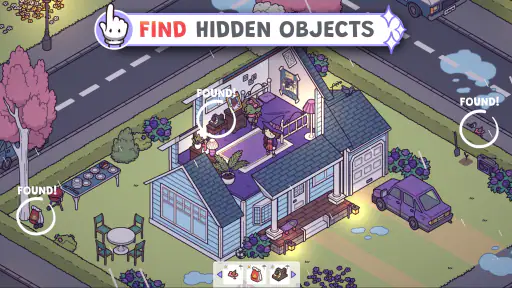
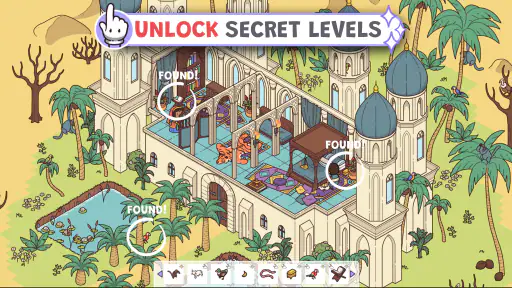
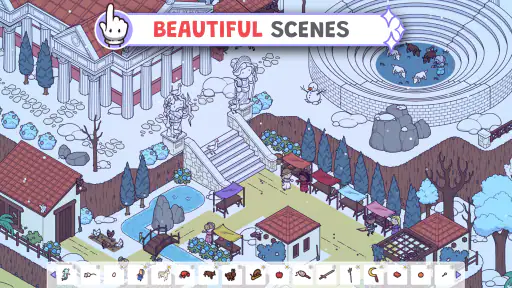
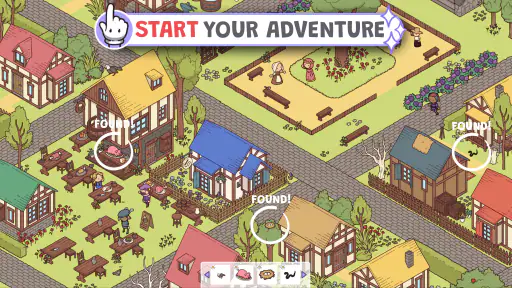
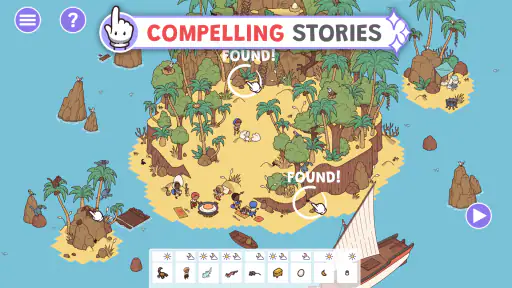
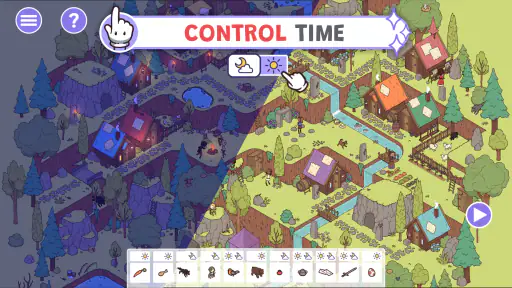
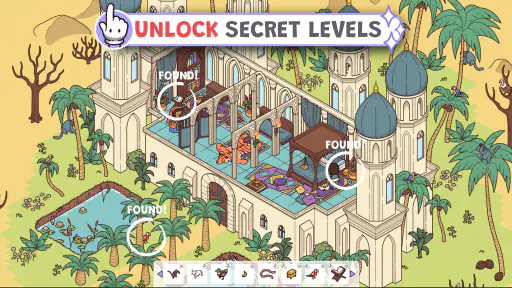
Rogueside’s casual game places its searches in hand-drawn worlds with a magical atmosphere. The scenes invite a slow first look: I take in the layout, pick out unusual shapes, and then begin checking corners and crowded patches more carefully. The artwork gives the search personality, so I’m not just combing through a generic backdrop. A market, forest, or castle-like setting gives my eyes different things to interpret, and that variety helps each new search feel like a fresh little task.
The useful habit here is to scan in passes instead of tapping at random. I start with the largest objects and strong color contrasts, then revisit areas where figures or decorations overlap. If I keep clicking the same obvious spots, I’m usually not learning anything; stepping back and changing the order of my search is more productive. That makes the game a nice fit for short breaks when I have enough attention to observe but don’t want to commit to a complicated action game.
Feedback that keeps the search moving
The satisfaction comes from the moment a hidden detail finally makes sense in its surroundings. I may recognize an outline, notice a character tucked behind a busier cluster, or realize that a decorative shape deserves a closer look. That small “aha” is the feedback loop: look, test a hunch, find something, and decide where to look next. The interactive scenes add another layer, since tapping can produce an animation or reveal something I hadn’t considered. I enjoy that sense of curiosity, though it also means the most useful click is not always the one that immediately completes a search.
There is a trade-off between careful observation and visual clutter. Busy illustrations are part of the charm, but they can make an object hard to distinguish when several colors, characters, and decorations compete for attention. When I get stuck, I pause rather than keep tapping quickly; a short break often helps me see the scene differently. This isn’t the right choice if I want rapid action, precise platforming, or a puzzle with a single obvious line of reasoning. Its challenge is mostly about attention and patience.
Small rewards, easy resets
Finding an item gives me a modest, satisfying payoff, then sends my attention back to the wider scene. There’s no need to turn every search into a high-pressure test. I can play one area, set the game aside, and return when I feel like another round of looking. That flexible rhythm makes it handy for a quiet coffee break, a wait between errands, or a relaxed turn-taking session with someone who enjoys spotting details. For a family, it can be fun to trade guesses aloud, although younger players may need help distinguishing a target from the surrounding decoration.
Compared with fast casual games built around repeated swipes, timers, or quick reactions, this one asks for a slower kind of focus. Compared with traditional picture puzzles, its hand-drawn environments and interactive touches make searching feel more playful. That does not mean it suits everyone: if I want a competitive score chase or a clear win after a few minutes, I would choose something else. Here, the reward is the discovery itself, and the reason to begin another session is simply that a new scene offers another set of details to notice.
Gaming Stories You May Enjoy

Dancing Road Turns Short Breaks Into a Test of Rhythm and Timing

Super Stylist Makes Every Outfit a Test of Taste and Patience

Dominoes on Your Terms: Who Should Play and Who Should Pass

Pokémon GO Makes the Familiar World Feel New

Chess.com Turns Rematches Into Rivalries, but Community Has Its Costs

Archery Battle 3D Review: Sharp Aiming, Unclear Feedback
Embark on a Magical Adventure
The first thing that strikes you about Hidden Through Time 2: Magic is its captivating art style. The game is like a moving canvas, each scene meticulously crafted with vibrant colors and charming animations. As you dive into the game, you'll find yourself traversing through mystical forests, ancient castles, and bustling magical markets. The attention to detail in each level makes the experience incredibly immersive, and it's easy to lose track of time while playing.
A Game of Wit and Observation
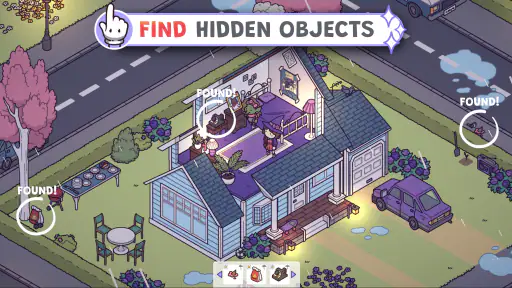
What sets this game apart from its predecessor is the complexity and creativity of its puzzles. You are tasked with finding hidden objects cleverly camouflaged within the environment. It’s not just about keen eyesight; it requires a good deal of wit and observation to uncover these elusive items. Each level is a new challenge, with surprises lurking in every corner. Trust me, there's nothing more satisfying than that 'aha!' moment when you finally spot the hidden object you’ve been searching for.
Interactive and Engaging
One of the aspects I absolutely love about this game is its interactivity. The developers have gone above and beyond to ensure that each scene feels alive. You can interact with almost every object, and sometimes, a simple click can reveal a hidden path or trigger a fun animation. This level of engagement makes the game not only a visual delight but also a playground for exploration.
Perfect for All Ages
Regardless of your age, Hidden Through Time 2: Magic has something for everyone. Its intuitive interface makes it accessible to younger players, while the increasing difficulty of puzzles keeps older players hooked. It's a perfect game for families to enjoy together, fostering teamwork as they help each other find those tricky hidden objects.
For anyone deciding whether to pay for a quiet, observation-led game, the practical details matter as much as the art. It costs $2.99, carries an Everyone age rating, and has an average rating of 4.5 from 106 ratings, with 15 written reviews. It has 1K+ installs, was released on February 21, 2024, and its current version is 1.0.63-7-0. It requires Android 8.0 or later. I’d think of the price as a choice to buy a focused, low-pressure pastime, not as a promise of an endless stream of new content.
Who will enjoy this pace
I would recommend it to people who like examining illustrations, making small discoveries, and playing without needing to memorize a complicated control scheme. It can also work as a shared activity: one person can describe a shape they see while another searches a different corner, so the scene becomes a friendly conversation rather than a test of who has sharper eyes. For a child and adult playing together, I’d let the younger player lead the search and offer hints only when frustration starts to replace curiosity.
It is less suitable for someone who wants a story-heavy adventure, a strong sense of character progression, or a tightly timed challenge. Hidden-object play can also become tiring if visual detail is difficult for you to parse on a small screen. I’d play in a comfortable setting and take a pause when the illustration starts to blur into noise; persistence is less useful than returning with fresh eyes. If you mainly want quick bursts of reflex action, a conventional arcade-style casual game will probably feel more rewarding.
A more deliberate way to search
One small technique makes a real difference: divide a scene into imaginary zones and finish one before sweeping back across the whole picture. I look along the edges, then check dense groups in the middle, and finally revisit places where an animation or interaction caught my attention. This prevents the common habit of repeatedly scanning the same obvious landmark while overlooking a quieter corner. I also try to read an object’s shape rather than rely only on its color, since the surrounding art can camouflage a target through both placement and palette.
When a tap changes the scene, I treat that as a clue to inspect what moved or became visible instead of tapping everything indiscriminately. The interaction is enjoyable, but careless clicking can interrupt a careful search and make it harder to remember which details I have already checked. A better routine is to form a guess, test it, and then look at the result before moving on. That keeps the playful animations connected to observation instead of turning them into noise.
How it fits into an ordinary day
Imagine waiting for a friend who is running late. I might open a scene, spend a few minutes searching while keeping one eye on the time, then stop without needing to warm up again or remember a complicated sequence of moves. Later, I can return when I have a longer stretch and give the artwork more attention. That is the kind of flexible use I value here: the game can fill a pause, but it also rewards a calmer session when I want to explore rather than simply kill time.
For shared play, I’d avoid having everyone shout guesses at once. Taking turns choosing a section of the picture gives each person room to notice details, and it turns the search into a cooperative activity without requiring a separate rule set. The trade-off is that a person who solves everything quickly may have to slow down for the rest of the group. It works best when the goal is to enjoy the scene together, not to race through it.
Choosing it over other casual games
Many casual games are built around short reaction cycles, accumulating points, or repeating a simple action until a timer runs out. This one offers a different kind of attention: I’m interpreting a hand-drawn scene, checking a suspicion, and letting a found object point me toward another area. That makes it a better choice when I want something calm and visually engaging than when I’m looking for a challenge that tests speed or competition. A standard jigsaw puzzle may suit someone who prefers assembling pieces into a fixed image; this game is more about spotting what is already hidden in an illustrated world.
The distinction matters when deciding whether the purchase makes sense. If I enjoy slow searches and expect the pleasure to come from observation, the format has a clear purpose. If I tend to lose patience when an object is difficult to distinguish from its surroundings, or I want every session to deliver a dramatic new mechanic, I would look elsewhere. The art and search process are the draw, but they also define the limits of the experience.
My verdict on the repeatable loop
The core loop is simple but well suited to a relaxed game: I inspect, make a guess, tap, see what the scene reveals, and enjoy the small reward of finding something. Then I reset my attention and start another search because there is another patch of artwork to examine, not because the game is pushing me into a frantic streak. That modest rhythm is a strength when I want a peaceful diversion, though it won’t satisfy me when I’m in the mood for speed, competition, or a substantial narrative.
In conclusion, if you’re looking for a game that combines stunning visuals, challenging puzzles, and a touch of magic, then Hidden Through Time 2: Magic is your perfect pick. It’s not just a game; it’s an adventure that invites you to explore, discover, and lose yourself in a world where magic is just a click away. So go ahead, dive in, and let your imagination run wild!
Hidden Through Time 2: Magic Pros and Cons
Pros
- Engaging puzzles with creative themes.
- Visually appealing with charming graphics.
- Intuitive controls enhance gameplay.
- Regular updates with new content.
- Offline play available for convenience.
Cons
- Limited hints can be frustrating.
- Some levels may feel repetitive.
- Requires in-app purchases for extras.
- Occasional bugs disrupt experience.
- Not suitable for colorblind players.
Frequently Asked Questions
What is Hidden Through Time 2: Magic?
Hidden Through Time 2: Magic is a captivating puzzle game available on Android and iOS platforms. In this sequel, players embark on a magical journey to find hidden objects across beautifully illustrated scenes. The game offers a unique blend of exploration, strategy, and creativity as players solve puzzles and uncover secrets in a mystical world.
How does the gameplay of Hidden Through Time 2: Magic work?
In Hidden Through Time 2: Magic, players explore various magical scenes to find hidden objects. The game challenges players with intricate puzzles where they must interact with different elements to reveal hidden items. The intuitive touch controls and zoom functionality enhance the experience, allowing players to immerse themselves in the magical environments while solving each level's challenges.
Is Hidden Through Time 2: Magic suitable for all ages?
Yes, Hidden Through Time 2: Magic is designed to be enjoyed by players of all ages. Its charming graphics and engaging puzzles make it accessible and entertaining for both children and adults. The game encourages creative thinking and problem-solving, providing a fun and educational experience for families to enjoy together.
Does Hidden Through Time 2: Magic require an internet connection to play?
No, Hidden Through Time 2: Magic does not require an internet connection to play. Once downloaded, players can enjoy this enchanting puzzle game offline at any time. This feature makes it perfect for long trips or situations where internet access is limited, ensuring uninterrupted gaming enjoyment.
Are there in-app purchases in Hidden Through Time 2: Magic?
Hidden Through Time 2: Magic offers optional in-app purchases for players who wish to enhance their gaming experience. While the core game is fully playable without spending money, players can choose to buy additional content, such as new levels or cosmetic items, to expand their magical adventures. All purchases are entirely optional and do not impact the game's primary storyline or puzzles.


