

Heroll : Dice Roguelike
- Reviews
- 4.7
- Version
- 1.6.2
- Installs
- 1,000,000+

Screenshots







 Analysis by Frivlyz
I tend to enjoy mobile games that make a small decision feel consequential, and Heroll: Dice Roguelike caught my attention because it puts dice at the center of that tension. It is a casual game from 111% with a roguelike structure, so its appeal is less about settling in for a long, carefully scripted story and more about adapting as a run unfolds. I found the mix appealing when I wanted something playful but still wanted to think before acting.
Why the dice are more than decoration
The defining idea is that a roll is both a source of uncertainty and a prompt to make a plan. In a typical casual game, a quick action often leads directly to a predictable result. Here, the dice make the outcome less certain, while the roguelike format gives those outcomes context: what seems like a minor choice now can affect how comfortable the next encounter feels. The interesting part is deciding how to respond to chance, not simply hoping for a lucky result.
That distinction changes the mood of play. A poor roll can be irritating, but it can also make me reconsider whether to spend a resource, hold back, or accept a less ambitious move. I would not describe the randomness as a substitute for strategy. It is the pressure that gives strategy something to work against. If you like games where every result is fixed by careful execution, that uncertainty may feel unfair; if you enjoy adjusting a plan on the fly, it is the hook.
The Roll of the Dice
At its core, Heroll: Dice Roguelike combines the unpredictability of dice rolls with the strategy of a roguelike. The premise is simple but engaging: you navigate through a series of dungeons, battling monsters and collecting loot, all while managing the whims of your dice. What sets it apart from other games in the genre is its unique blend of strategy and chance. Each roll can make or break your strategy, adding an extra layer of excitement—or frustration—depending on your luck.
Gameplay Mechanics
The game starts with a brief tutorial to get you acquainted with the mechanics. You're armed with a set of dice, each representing different actions or powers. As you progress, you can acquire more dice, each with unique abilities that can be upgraded. The strategic aspect comes into play as you decide which dice to use and when. Do you go for a heavy attack, or play it safe with a defensive roll? The choice is yours, but remember, lady luck isn't always on your side!
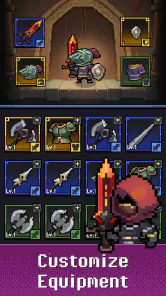
Each dungeon is procedurally generated, ensuring that no two games are the same. This keeps the experience fresh, as you can never quite predict what challenges lie ahead. The graphics are charmingly retro, with a pixel art style that adds to the game's nostalgic feel. The sound design complements this perfectly, creating an immersive experience that draws you in from the get-go.
A useful way to approach a run
When I play, I try not to treat every roll as a command to use the most powerful-looking option immediately. It is more useful to consider what the current situation asks for: whether a defensive move is worth choosing now, whether an attack is worth the risk, and what I may need to handle later. That habit makes the dice feel like a set of decisions rather than a slot machine. It also helps me notice the difference between a run that went badly because of luck and one where I made a choice without thinking through its cost.
Gaming Stories You May Enjoy

Dancing Road Turns Short Breaks Into a Test of Rhythm and Timing

Super Stylist Makes Every Outfit a Test of Taste and Patience

Dominoes on Your Terms: Who Should Play and Who Should Pass

Pokémon GO Makes the Familiar World Feel New

Chess.com Turns Rematches Into Rivalries, but Community Has Its Costs

Archery Battle 3D Review: Sharp Aiming, Unclear Feedback
There is a practical learning loop here. After a difficult encounter, I can think back to the dice I had available and ask whether another choice might have left me in a better position. That is a more useful takeaway than simply blaming a bad result. Since runs vary, repeating the same sequence is not the point; learning which kinds of choices suit my approach is. I would recommend taking a moment to read what each die does before relying on it, especially when a new option appears. Knowing the intended use of a die makes it easier to judge whether its benefit fits the immediate situation.
Strategic Depth
One of the things I love about Heroll: Dice Roguelike is the depth it offers. It's not just about rolling dice and hoping for the best. You need to plan your moves, manage your resources, and think several steps ahead. The game rewards careful planning and punishes recklessness, which makes every decision feel meaningful. Plus, the ability to upgrade your dice adds another layer of strategy, as you can tailor your loadout to suit your playstyle.
That planning is most satisfying when I resist trying to make every run perfect. A changing dungeon and uncertain rolls mean a good decision is often the one that keeps the run manageable, not the one with the biggest possible payoff. I find it helpful to think in terms of risk tolerance: if I prefer steady progress, I should lean toward choices that protect my position; if I am comfortable with swings, I can accept options that might produce a stronger result but leave me exposed. The game’s appeal comes from choosing a response, then living with the outcome.
Where it fits into an ordinary day
For me, this is the sort of game I would open during a short break when I want more engagement than a simple tap-and-wait pastime, but do not want to commit to a sprawling role-playing game. A commute, a quiet wait, or a few minutes between tasks can suit the run-based format, provided I am somewhere I can pay attention to the choices. I would avoid starting a run when I know I will need to put the phone down immediately: the decisions are part of the fun, and constant interruptions can make it harder to keep track of what I was trying to do.
It also works as a small routine for someone who likes to improve through repetition. Rather than chasing a perfect result, I can use a session to understand one unfamiliar die or test a more cautious approach. That makes a short play session feel worthwhile even if the run does not go my way. If I am tired and only want automatic progress, though, I would choose a simpler idle game instead. This one asks me to stay mentally present.
How it compares with other casual games
Compared with match games, endless runners, or idle titles, this is less about reflexes or steady background rewards and more about weighing options. Its dice give it a luck-driven edge, while its roguelike progression makes decisions matter across a run. That combination will suit players who like tactical choices but do not want the complexity of a large strategy game. It is not necessarily the best alternative to a traditional board-game app if what you want is a direct recreation of familiar tabletop rules; the appeal here is the dungeon-and-dice structure, not a faithful digital board.
It also differs from action-focused roguelikes. If your favorite part of that genre is fast movement and precise timing, this may feel slower and more deliberative. On the other hand, if you like examining a choice and accepting that the next roll may complicate your plan, the dice are a good fit. I would treat it as a compact strategy-flavored casual game rather than as a demanding, dexterity-based challenge.
Strategic Depth
One of the things I love about Heroll: Dice Roguelike is the depth it offers. It's not just about rolling dice and hoping for the best. You need to plan your moves, manage your resources, and think several steps ahead. The game rewards careful planning and punishes recklessness, which makes every decision feel meaningful. Plus, the ability to upgrade your dice adds another layer of strategy, as you can tailor your loadout to suit your playstyle.
Because choices and chance are intertwined, I would not expect a single reliable formula to carry every run. A sensible habit is to pause whenever a new die or upgrade changes the options available and reconsider how it affects the way I approach risk. An upgrade is most valuable when it supports decisions I actually make, rather than simply sounding powerful. That is a useful distinction for anyone who tends to choose upgrades by appearance alone: a tool that fits a cautious style can be more helpful to that player than an option aimed at a bolder one.
The game is also a better fit for people who can accept an occasional disappointing result without feeling that their time was wasted. Roguelike runs invite experimentation, but a player who needs every attempt to produce visible progress may find the uncertainty tiring. I enjoy the sense of adjusting my approach; I would be less enthusiastic if I were looking for a calm, predictable sequence of wins. The pleasure comes from managing the run, not from being guaranteed a favorable roll.
Community and Updates
Another aspect worth mentioning is the active community around the game. The developers are responsive and frequently update the app with new content and features, keeping things fresh and exciting. Whether it's new dungeons, dice, or challenges, there's always something to look forward to. The community forums are also a great place to share strategies and tips, making it easy to connect with other players who share your passion.
It is a casual game, but that does not mean it has to be mindless. The tutorial helps with the opening concepts, while the more useful understanding comes from seeing how a choice plays out in context. If you are new to roguelikes, I would approach the first run as a chance to learn rather than as a test you must pass. If you already know the genre, the dice-based decisions offer a different way to think about risk, though they will not replace the appeal of a deeper campaign if long-term narrative and extensive character systems are what you want.
Cost, access, and who should try it
The game is free to play, with in-app purchases ranging from $0.99 to $69.99 per item. I would go in with a clear personal limit and decide whether any optional purchase is worth it to me, rather than treating spending as necessary to enjoy the basic idea. Its average rating is 4.7 from around 63,000 ratings, and it has been installed over a million times, which suggests that it has found a sizable audience without telling me whether its particular style will suit my taste.
It is rated Everyone 10+, and the current version is 1.6.2; Android users need version 7.0 or later. The game was released on February 20, 2025. Those details make it easier to check device fit before downloading, especially if you are installing it on an older phone or choosing a game for a younger player. I would still make the decision based on the central loop: the dice and planning are the draw, and the same uncertainty that makes a run interesting may be a reason to skip it.
Community and Updates
Another aspect worth mentioning is the active community around the game. The developers are responsive and frequently update the app with new content and features, keeping things fresh and exciting. Whether it's new dungeons, dice, or challenges, there's always something to look forward to. The community forums are also a great place to share strategies and tips, making it easy to connect with other players who share your passion.
For a player deciding whether to keep it installed, I would ask one simple question after a few sessions: do I enjoy making choices under uncertainty, even when a run turns against me? If the answer is yes, the loop has room to stay engaging because changing dungeons and dice choices invite adaptation. If the answer is no, the game’s central feature is unlikely to become more appealing with time. In that case, a puzzle game with fixed rules or a casual title built around relaxed repetition may be a better use of your break.
Final Thoughts
All in all, Heroll: Dice Roguelike offers a unique twist on the roguelike genre. Its combination of strategy, chance, and retro charm makes it a standout game on both Android and iOS. Whether you're a veteran roguelike player or new to the genre, there's plenty here to keep you entertained. So, if you're ready to test your luck and strategy, give it a roll. You might just find yourself hooked on this dicey adventure!
My recommendation is for someone who wants a casual game with decisions to chew on, enjoys adapting rather than following a fixed route, and can shrug off the occasional unlucky turn. I would steer away from it if I wanted a purely relaxing game, a precise action challenge, or a story-led adventure that rewards long, uninterrupted sessions. For the right player, its dice are not just a theme: they create the small, uncertain choices that make each run worth thinking about.
Heroll : Dice Roguelike Pros and Cons
Pros
- Engaging turn-based combat system.
- Randomized levels for replayability.
- Strategic dice mechanics.
- Minimalistic
- appealing graphics.
- No intrusive ads during gameplay.
Cons
- Limited character customization options.
- Some levels feel repetitive.
- Occasional balance issues.
- Requires internet for daily rewards.
- No multiplayer mode available.
Frequently Asked Questions
What type of gameplay does Heroll: Dice Roguelike offer?
Heroll: Dice Roguelike combines the strategic elements of dice rolling with the unpredictability of a roguelike. Players navigate through procedurally generated dungeons where each roll can mean the difference between victory and defeat. The game requires tactical decision-making, as players must choose how to allocate dice results to maximize their chances of survival.
Is Heroll: Dice Roguelike suitable for casual players?
Heroll: Dice Roguelike is designed to appeal to both casual and hardcore gamers. While the mechanics are easy to learn, the strategic depth and unpredictability offer a challenge that can captivate seasoned players. Casual gamers will appreciate the quick play sessions and the straightforward interface, making it accessible to all skill levels.
Does Heroll: Dice Roguelike offer any in-game purchases?
Yes, Heroll: Dice Roguelike includes in-game purchases that allow players to enhance their gameplay experience. These purchases can range from cosmetic items to special dice and power-ups. However, the game is balanced so that players can progress without spending money, ensuring a fair experience for all users.
Can Heroll: Dice Roguelike be played offline?
Heroll: Dice Roguelike is designed to be enjoyed offline, making it a great option for players who want to enjoy the game without needing a constant internet connection. This feature makes it particularly appealing for those who travel frequently or have limited data access.
What are the unique features of Heroll: Dice Roguelike?
Heroll: Dice Roguelike stands out with its unique blend of dice mechanics and roguelike elements. Key features include procedurally generated dungeons, a variety of dice with different abilities, and strategic gameplay that requires thoughtful planning. Additionally, the game offers a rich progression system and varied character builds to explore.


