

Hero Clash
- Reviews
- 4.1
- Version
- 1.0.127
- Installs
- 5,000,000+

Screenshots
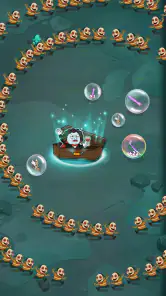
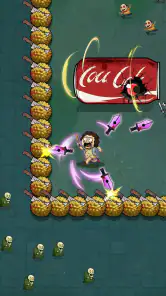
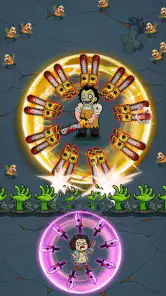
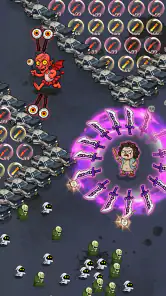
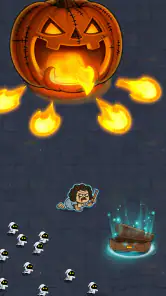
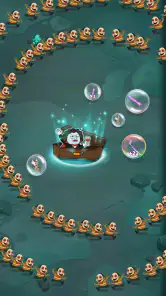
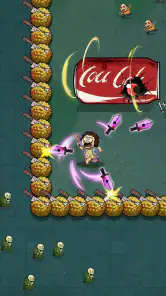
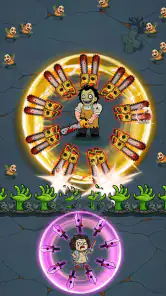
 Analysis by Frivlyz
I usually approach idle RPGs with one question: can I enjoy a short session without feeling that the game is nagging me to stay longer? Hero Clash is a casual game from Glaciers Game that aims for an easy entry, with hero collecting and team battles providing the main appeal. I would treat it as a light routine to dip into, rather than a deep role-playing campaign that demands uninterrupted attention.
What the purchase details tell you
The game is free to download, but it also offers optional in-app purchases priced from $0.99 to $99.99 per item. That range matters: spending can be a small convenience or a much larger commitment, so I would decide on a personal limit before buying anything. The existence of paid items alone does not tell me how much they affect progression or whether they are necessary to enjoy the game.
Its audience rating is Everyone 10+, and its current version is 1.0.127. The game first arrived on November 25, 2022, and requires Android 7.0 or later. Those details make it easier to check basic compatibility and age suitability before installing. The title has a 4.1 average from around 20,000 ratings, with about 3,400 written reviews, and has passed five million installs. That suggests plenty of players have tried it, though popularity is not a substitute for deciding whether its style suits you.
Idle progress and the pressure to return
The idle-RPG label sets an expectation of progress that can continue between active sessions, but I would avoid treating that as a promise of effortless advancement. These games often balance waiting, upgrades, and decisions about where to invest resources. The useful question is whether checking in feels satisfying on your schedule or starts to feel like an obligation. If daily tasks become another box to tick, the relaxed appeal can quickly wear thin.
I’d use a simple routine: open the game when I have a few minutes, review what has changed, choose one meaningful upgrade, and stop when I’ve run out of decisions I actually care about. That makes it easier to keep play casual and to notice whether the game’s pace works for me. I would not spend just to speed up a moment of impatience; a purchase is worth considering only if it adds enjoyment I can identify, not merely relief from a wait.
Fairness, spending, and what to weigh
There is not enough confirmed detail here to judge how purchases interact with competition, whether paid advantages exist, or how progression is balanced between paying and free players. I would not call the game pay-to-win or fair based only on its purchase range. If competitive ranking matters to you, look carefully at the rules and rewards inside the game before investing time or money, and keep your expectations cautious until you see how it works firsthand.
For a player who mainly wants relaxed solo progress, competitive balance may matter less than whether the basic loop is enjoyable without purchases. For someone who wants a level playing field in head-to-head contests, uncertainty around paid influence is a real reason to wait before committing. The safest approach is to start free, learn what progress feels like, and spend only if the value is clear to you.
Gaming Stories You May Enjoy

Dancing Road Turns Short Breaks Into a Test of Rhythm and Timing

Super Stylist Makes Every Outfit a Test of Taste and Patience

Dominoes on Your Terms: Who Should Play and Who Should Pass

Pokémon GO Makes the Familiar World Feel New

Chess.com Turns Rematches Into Rivalries, but Community Has Its Costs

Archery Battle 3D Review: Sharp Aiming, Unclear Feedback
What I would check before settling in
I would first see how much of the game can be enjoyed in brief sessions, whether progress feels understandable, and whether the daily routine remains optional in practice. I would also check which features require an online connection and how the game handles account progress across devices, since those details can shape whether it fits a commute or a phone upgrade. If playing with friends is important, I’d confirm what social features are available and whether they suit the way you like to play.
Those are practical checks, not reasons to assume a problem. My view is simply that a free download lowers the cost of trying the game, while a broad purchase range makes it sensible to take your time before spending. You can get a feel for its rhythm first, then decide whether the added options are relevant to you.
First Impressions and Gameplay
Jumping into Hero Clash, I was instantly hooked by its vibrant graphics and smooth animations. The game kicks off with a brief tutorial, which, thankfully, isn’t one of those endless ones where you’re begging to just start playing already. You get the hang of things pretty quickly, which I appreciated.
The premise is simple yet engaging. You assemble a team of heroes, each with unique abilities, and embark on a series of quests to save the realm from nefarious villains. Sounds like a classic, right? But there’s something uniquely charming about this game. The controls are intuitive, and the gameplay is fluid, making it easy to lose track of time while playing.
Characters and Customization
The heroes are definitely the highlight. You’ve got your classic archetypes—warriors, mages, archers, and more—but the game spices things up with a ton of customization options. You can upgrade their abilities, equip them with powerful gear, and even tweak their appearance. I found myself spending a ridiculous amount of time just perfecting my team’s look. It’s like playing dress-up, but with the fate of the world on the line!
Each hero has a backstory, and as you progress, you unlock more about their past and motivations. It adds a nice layer of depth to the game, making you more invested in their journeys.
Quests and Challenges
The game offers a variety of quests, from standard "defeat the boss" missions to more intricate puzzles and challenges. There’s a decent level of strategy involved, especially as you advance to higher levels where just brute force won’t cut it. You’ll need to think about the synergy between your heroes, which abilities to use and when, and how to adapt your tactics on the fly.
And let’s not forget the daily challenges! They’re a perfect way to earn extra rewards and keep things fresh. Plus, there’s something oddly satisfying about checking off those daily tasks.
Making the routine work for you
For an everyday example, I’d fit a brief check-in around a natural pause: while waiting for a meal to cook or sitting on the bus, I could collect myself, make one team decision, and leave the game there. I would avoid opening it during a task that needs concentration, since even a short session can stretch if I start chasing another reward. The best use case is a small break you already have, not a reason to interrupt something more important.
A practical tip is to avoid upgrading every hero just because the option is available. I’d focus on the team I actually use, then compare the result of a change before spending resources elsewhere. That keeps the roster decisions legible and makes it easier to tell whether a new character or piece of gear solves a real problem. If I’m stuck, I’d first adjust team composition or tactics rather than assume that buying something is the answer.
Choosing between this and other casual games
Compared with a simple puzzle or arcade game, this asks for more continuity: I need to remember which heroes I’m developing and how the team works together. In return, the character progression and quest structure can give short sessions a sense of direction. Compared with a larger, story-led RPG, it is better suited to casual check-ins than to long stretches of exploration and carefully staged narrative. If you want a game that is immediately disposable after one round, a puzzle game may be a better fit; if you want a sprawling campaign, a conventional RPG may satisfy you more.
The trade-off is that team-building can be rewarding only when I’m in the mood to make small ongoing decisions. Someone who dislikes upgrading menus, collecting rewards, or returning to a game regularly may find the idle-RPG structure repetitive. I’d recommend it most to players who like seeing a roster take shape over time but do not need every session to deliver a dramatic story beat.
Quests and Challenges
The game offers a variety of quests, from standard "defeat the boss" missions to more intricate puzzles and challenges. There’s a decent level of strategy involved, especially as you advance to higher levels where just brute force won’t cut it. You’ll need to think about the synergy between your heroes, which abilities to use and when, and how to adapt your tactics on the fly.
And let’s not forget the daily challenges! They’re a perfect way to earn extra rewards and keep things fresh. Plus, there’s something oddly satisfying about checking off those daily tasks.
When the social side is the deciding factor
If I were choosing it mainly to play with friends, I’d test the social side before making it part of a shared routine. The existing description of multiplayer, guilds, and cooperative boss encounters gives social players a reason to look closer, but the right fit depends on how active your friends are and how much coordination the game asks of you. I would not join a guild simply to collect another obligation; I’d do it if chatting and working toward a shared goal made the game more enjoyable.
Likewise, I’d treat events and tournaments as optional variety rather than proof that I need to keep up every day. A player who enjoys a friendly challenge may appreciate them, while someone who wants a purely private, offline pastime should check whether the available modes match that preference before settling in. For a low-pressure experience, it is reasonable to skip social commitments and focus on the parts that remain fun on your own.
Multiplayer and Community
One of the coolest features is the multiplayer mode. You can team up with friends or join guilds, adding a social element that really enhances the experience. It’s always fun to strategize with others and take on tougher bosses as a team. The game’s community is pretty active, so there’s no shortage of folks to engage with.
There are also regular events and tournaments, which are a great way to test your skills and earn bragging rights. Plus, they’re a nice break from the usual routine, keeping the gameplay exciting and dynamic.
What I would watch for over time
The main friction I’d monitor is whether the game’s recurring tasks stay enjoyable or start competing with the rest of my day. I’d also pay attention to whether progression gives clear choices: a satisfying upgrade should make the team feel more capable, while a long stretch of waiting without a useful decision can make an idle game feel passive. These are personal fit questions, but they are more important to me than simply having a large roster or many activities.
Another useful check is whether I still enjoy the game when I ignore optional spending and social events. If the answer is yes, then those additions can remain extras. If the core loop only feels comfortable when I’m paying to move past friction, or if keeping up with events makes play stressful, I’d step away rather than turn a casual game into a chore.
Visuals and Soundtrack
Let’s talk aesthetics. The graphics are top-notch, with each environment beautifully crafted and full of detail. Whether you’re battling in a lush forest or a fiery dungeon, the visuals draw you in and make you feel part of this magical world.
The soundtrack is equally impressive. It’s one of those scores that you’ll find yourself humming long after you’ve put the game down. It complements the gameplay perfectly, adding to the overall immersive experience.
Who I’d recommend it to
I’d suggest giving it a try if you enjoy fantasy teams, incremental development, and challenges that reward thinking about composition rather than tapping through every encounter. It also makes sense for someone who likes games that can be checked between errands, provided those check-ins remain genuinely optional. Because the download is free, you can evaluate the opening loop without deciding in advance whether you want to spend.
I’d skip it if you want a tightly authored story with a clear ending, dislike daily-task structures, or prefer games that never ask you to manage a roster. It is also not my first recommendation for someone whose main concern is competitive fairness until they have personally checked how paid options relate to the modes they care about. Those preferences point toward a more self-contained adventure or a straightforward casual game instead.
Visuals and Soundtrack
Let’s talk aesthetics. The graphics are top-notch, with each environment beautifully crafted and full of detail. Whether you’re battling in a lush forest or a fiery dungeon, the visuals draw you in and make you feel part of this magical world.
The soundtrack is equally impressive. It’s one of those scores that you’ll find yourself humming long after you’ve put the game down. It complements the gameplay perfectly, adding to the overall immersive experience.
Final Thoughts
All in all, Hero Clash is a blast. It’s one of those games that’s easy to pick up and play, but with enough depth to keep you coming back for more. Whether you’re a casual gamer or a hardcore strategist, there’s something here for everyone. So, if you’re on the hunt for your next mobile obsession, give Hero Clash a shot. Trust me, you won’t be disappointed!
Hero Clash Pros and Cons
Pros
- Engaging storyline with dynamic characters.
- Smooth graphics enhance gameplay experience.
- Wide variety of heroes to choose from.
- Strategic combat keeps players challenged.
- Regular updates with new features.
Cons
- In-app purchases can be expensive.
- Occasional connectivity issues.
- Some heroes are overpowered.
- Tutorials can be overly lengthy.
- Limited energy slows down gameplay.
Frequently Asked Questions
What is Hero Clash and what makes it unique?
Hero Clash is a thrilling action RPG available on both Android and iOS platforms. It offers players an immersive experience with stunning graphics, a compelling storyline, and dynamic gameplay. What sets Hero Clash apart is its unique hero collection system, where players can recruit and upgrade a diverse roster of characters, each with distinctive abilities and skills.
Is Hero Clash free to play, and are there in-app purchases?
Yes, Hero Clash is free to download and play. However, it does offer in-app purchases for items such as premium currency, exclusive heroes, and special equipment. These purchases can enhance gameplay but are not necessary to enjoy the full game experience. Players can progress through the game without spending money.
What are the system requirements for Hero Clash?
For Android users, Hero Clash requires at least Android 5.0 and 2 GB of RAM for smooth gameplay. For iOS users, the app is compatible with iOS 10.0 or later and works best on devices with similar hardware capabilities. Ensure your device has sufficient storage space to accommodate the app and its updates.
How does the multiplayer mode work in Hero Clash?
Hero Clash offers an engaging multiplayer mode where players can team up with friends or compete against others in real-time battles. The multiplayer mode includes features like Guild Wars and PvP arenas, allowing players to strategize with allies or test their skills against other players globally. A stable internet connection is required to access these features.
Can I transfer my progress to another device?
Yes, Hero Clash supports progress transfer across devices. Players can link their game account to a social media account or use in-game account linking options. This allows you to seamlessly continue your adventure on a new device without losing any progress, ensuring a smooth transition and consistent gameplay experience.


