

Head Ball 2 - Online Soccer
- Reviews
- 4.4
- Version
- 1.611
- Installs
- 100,000,000+

Screenshots

 Analysis by Frivlyz
I treat this as a quick competitive game rather than a full football simulation. Its one-on-one format puts all the attention on my single player: I’m watching the ball, reading an opponent’s movement and trying to turn a brief opening into a goal. That makes Head Ball 2 easy to pick up in a spare moment, but the online competition means a casual match can still demand focus. Developed by Masomo Gaming, it is a free sports game rated for Everyone, with optional in-app purchases ranging from $0.49 to $249.99 per item. I’d think of it as a lively arcade-style alternative to games built around managing a whole team.
Gameplay and Features
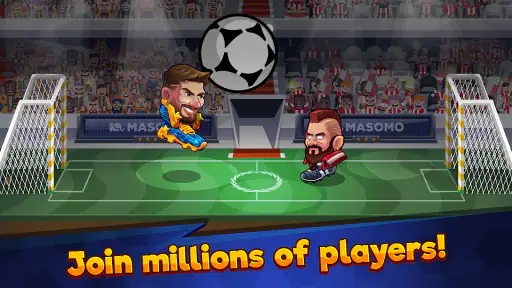
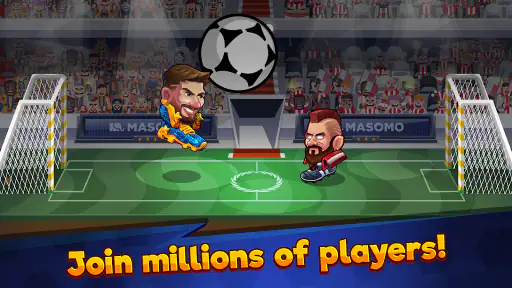
The first thing you'll notice about Head Ball 2 is its unique and dynamic gameplay. Unlike traditional soccer games, where you control a team, here you control just one player on the field. It's a one-on-one soccer match, and your mission is to score more goals than your opponent. Sounds simple, right? But don't be fooled; it's a game of skill, timing, and strategy.
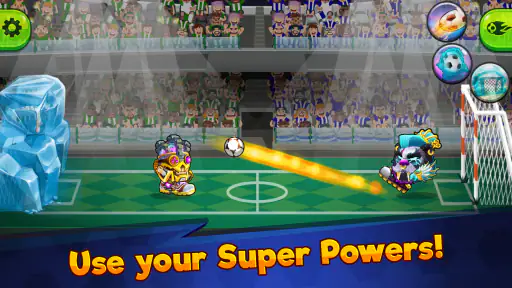
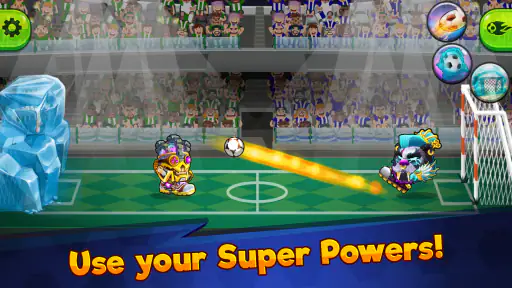
Each match lasts 90 seconds, and trust me, those 90 seconds are packed with non-stop action. You can jump, kick, and use special powers to outsmart your opponent. The controls are intuitive, making it easy for newbies to pick up, yet challenging enough for seasoned players to master. The special powers are a game-changer, allowing you to freeze your opponent or grow your player to giant size to dominate the field.
Our Stories on Head Ball 2 - Online Soccer
Head Ball 2 Turns Rivalry Into a Daily Mobile Ritual
NewsWhy Football League 2025 is a Game Changer for Fans
NewsScore! Hero: Craft Your Soccer Legend
NewsWhy Dream League Soccer 2025 Is Dominating the Gaming Field
NewsDancing Road Turns Short Breaks Into a Test of Rhythm and Timing
NewsSuper Stylist Makes Every Outfit a Test of Taste and Patience
NewsMaking a match fit into the day
The short match format is most useful when I have a small, predictable window: a break between tasks, a wait for a ride, or a few minutes on the sofa before doing something else. I can commit to one round without settling in for a long career mode or a full team fixture. Online play does mean I should start only when I can give the match my attention; a brief game is still a live contest, not a pause-anytime activity I’d choose while walking or juggling another task.
A practical habit is to use the first moments of a session to reacquaint myself with movement and timing rather than immediately treating every opponent as a test of rank. I pay attention to where my player is in relation to the ball, and I try not to jump simply because the opponent has moved. A jump that is useful for reaching a ball can also leave me poorly placed if I commit too early. This small change in mindset helps more than frantic button pressing: I’m looking for a repeatable response, not trying to react to everything at once.
Customization and Cards
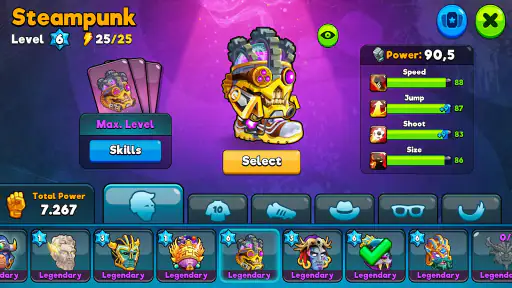
One of the coolest features of Head Ball 2 is the extensive customization options. You can personalize your character with various outfits, hats, and accessories, making your avatar as unique as you are. The game also introduces a card system, where you collect and upgrade cards to enhance your skills and gain an edge over your competitors.
The card system adds an extra layer of strategy. You need to choose the right combination of cards to boost your player’s abilities, such as speed, jump height, and power. Collecting cards and building a strong deck is crucial to climbing the leaderboard and facing tougher opponents.
Gaming Stories You May Enjoy

Dominoes on Your Terms: Who Should Play and Who Should Pass

Pokémon GO Makes the Familiar World Feel New

Chess.com Turns Rematches Into Rivalries, but Community Has Its Costs

Archery Battle 3D Review: Sharp Aiming, Unclear Feedback

Should You Switch to Geometry Dash Meltdown? A Test of Timing and Patience

Fidget Toys Trading・Pop It 3D: What Happens When the Game Stumbles
I’d treat card choices as a way to support the kind of play I can execute consistently, not as a substitute for timing. If I often arrive late to a loose ball, a speed-oriented setup may feel more useful than one that reinforces a strength I already have. If I rely on reaching high balls, jump-related boosts make more sense. The trade-off is that upgrading and collecting can take attention away from the matches themselves, so I’d check whether a change actually suits my habits before chasing every available improvement.
Cosmetics and performance choices also serve different purposes. Outfits and accessories let me make a character feel like mine; they don’t replace the tactical decisions behind a good match. Keeping that distinction clear helps me enjoy customization without assuming that a visual change will solve a gameplay problem. For a new player, I’d first settle into the basic controls, then make card decisions with a specific weakness in mind rather than changing several things at once and losing track of what helped.
Settings worth checking before settling in
Before a longer run of online games, I’d take a moment to check the options the game actually exposes on my device, especially sound and any control-related preferences. I don’t assume every phone or version presents identical menus, but even a quick check can make play more comfortable: lowering sound is helpful in a waiting room, while a quiet setting at home lets me concentrate on the ball and opponent cues. If the controls feel awkward, I’d test them in a low-pressure match before trying to compete seriously.
My repeatable routine is simple: make sure I have a stable connection, choose a place where I can hold the phone comfortably, and avoid starting if I’m likely to be interrupted. Those steps matter more in a head-to-head match than in a solo puzzle, where I can often stop whenever I like. A dropped or distracted session can make a close result feel like bad luck, when the more useful lesson is that the moment wasn’t right for online play.
Faster patterns without button mashing
For quicker improvement, I’d focus on one decision at a time. First, notice whether I’m losing because I misjudge the ball, mistime a jump, or use a special power too early. Then I’d play a few rounds with that single issue in mind. Spending a power as soon as it becomes available may feel exciting, but saving it for a moment when the opponent is committed can make the choice more deliberate. The useful habit is to ask what the power is meant to change before using it.
I also try to watch the opponent’s rhythm rather than only chasing the ball. If they jump repeatedly, waiting for the next movement can create a better opening than copying them. If they hold back, a direct approach may force a response. These are not guaranteed tricks; they are ways to make the short match feel less random and to learn from a loss. After a close game, I’d remember one turning point rather than blaming the entire result on a single ability or card.
That approach is especially handy for someone who plays in short bursts. Instead of opening the game and making a string of rushed matches, I can pick one small goal, such as timing jumps more carefully, and stop when I’m no longer paying attention. It turns spare minutes into practice without making the game feel like homework. If I’m tired or annoyed, taking a break is often a better choice than trying to win back a result through hurried play.
Graphics and Sound
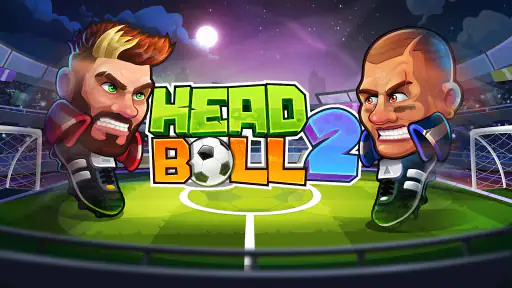
The graphics in Head Ball 2 are colorful and cartoonish, perfectly complementing the lighthearted and fun nature of the game. The animations are smooth, and the character designs are quirky and entertaining. Sound effects and commentary add to the excitement, immersing you in the thrill of the match.
The visual style is a good fit for the compact arena and oversized characters: I can read the basic action without the game trying to look like a broadcast of a real-world match. That clarity matters when I’m tracking a fast ball and another player at once. The trade-off is that anyone looking for authentic football presentation, tactical formations, or the feel of controlling a full squad may find the cartoon presentation and one-player focus too limited. In that case, a conventional team-based soccer game is a better match for the fantasy.
Community and Competitive Play
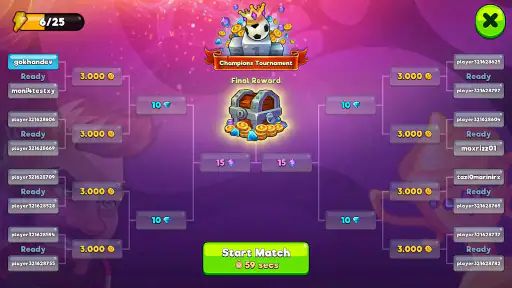
What makes Head Ball 2 even more engaging is its strong community aspect. You can join or create teams, participate in tournaments, and interact with players from around the world. The competitive play is intense, with a ranking system that keeps you motivated to improve and reach the top.
Playing with friends or challenging players globally not only enhances the fun but also sharpens your skills as you learn new tricks and strategies from others.
The social and ranking side gives me a reason to return, but it changes the mood of the game: a quick match can become a push to keep playing after a loss. I’d set my own stopping point before starting a session, especially if I’m only opening the game for a short break. Players who enjoy a visible competitive ladder may find that motivating; anyone who dislikes comparison or pressure may prefer a more relaxed single-player sports game. Since matches depend on other people being involved, I also wouldn’t choose it as my first option when I specifically want a quiet, offline experience.
Who should choose this kind of soccer game?
I’d recommend it to players who like direct contests, fast decisions and the satisfaction of improving one small skill over time. It works especially well for someone who enjoys arcade sports more than detailed team management. The contrast with a standard football game is clear: there is no need to manage a lineup or build attacks through a whole squad; the challenge is concentrated on positioning, timing, powers and reading one opponent. That narrow focus is its best quality and also its main limitation.
For a realistic everyday use case, imagine having a few minutes before a bus arrives. I’d play one match only if I’m already settled and have a reliable connection, then leave the game when the bus comes rather than rushing into another round. At home, a longer session makes more sense if I want to experiment with cards or play with friends. It is less suitable for someone who wants a deep football career, precise simulation, or a game that can always be interrupted without consequence.
There is also a useful choice between playing for collection progress and playing to improve. The first can make each session feel rewarding even when I’m still learning; the second asks me to accept that a loss can be useful if it reveals a bad habit. I’d avoid spending just to answer a frustrating defeat. Since the game is free to download but offers paid items, I’d decide in advance whether I’m happy to play at a natural pace or want to spend, and keep purchases separate from the question of whether I’m enjoying the match itself.
Version, reach and the final call
The game was released on April 16, 2018, and its current version is 1.611. It runs on Android 5.1 or later. Its reach is substantial, with over 100 million installs; the average rating is 4.4 from around 2.4 million ratings, alongside roughly 31,000 written reviews. Those figures suggest that this fast, competitive format has found a broad audience, though they can’t tell me whether its particular pace or online focus will suit an individual player.
My verdict is that Head Ball 2 is a strong pick when I want soccer stripped down to quick, readable, one-on-one action. The best way to enjoy it is to treat cards as support for a play style, powers as decisions rather than automatic buttons, and short sessions as a chance to practise one thing at a time. I’d skip it if I want a lifelike match, extensive squad tactics, or a dependable offline pastime. For everyone else who likes colorful arcade competition and can accept the pressure of live opponents, it offers a distinctive way to spend a few spare minutes.
In conclusion, Head Ball 2 is a delightful blend of soccer and strategy that offers endless entertainment. Whether you’re a sports fan or just looking for a fun way to pass the time, this game provides an exciting and competitive environment that’s hard to resist. So, lace up your virtual boots, step onto the field, and experience the thrill of the match in Head Ball 2!
Head Ball 2 - Online Soccer Pros and Cons
Pros
- Engaging multiplayer mode
- Simple and intuitive controls
- Regular updates and events
- Variety of characters and skills
- Quick and fun matches
Cons
- In-app purchases can be costly
- Advertisements can be intrusive
- Requires stable internet connection
- Limited offline gameplay
- Can become repetitive
This Game in Other Languages
Frequently Asked Questions
What is Head Ball 2 - Online Soccer?
Head Ball 2 - Online Soccer is an exciting and fast-paced multiplayer online soccer game where players compete in 1v1 matches. The game features unique characters, power-ups, and the ability to customize your player. It's available on both Android and iOS, offering a competitive platform for soccer enthusiasts to showcase their skills.
How do I control my character in Head Ball 2?
In Head Ball 2, players use touch controls to maneuver their character on the field. You can move left or right, jump, and kick the ball. The intuitive controls are designed for quick and agile gameplay, allowing you to perform various soccer moves to outscore your opponent in matches.
Are there any in-app purchases in Head Ball 2?
Yes, Head Ball 2 offers in-app purchases that allow players to buy coins and diamonds. These can be used to unlock and upgrade characters, purchase power-ups, and customize your player’s appearance. While the game is free to download and play, these purchases can enhance your gaming experience.
Can I play Head Ball 2 with my friends?
Absolutely! Head Ball 2 allows you to connect with friends and play against them in thrilling soccer matches. You can invite friends through social media platforms or connect with them directly in the game. Competing with friends adds an extra layer of fun and competitiveness to the game.
What are the system requirements for Head Ball 2?
For Android users, Head Ball 2 requires at least Android 4.4 and up, while iOS users need iOS 9.0 or later. It's compatible with most smartphones and tablets, but ensuring your device meets these requirements will provide a smoother gaming experience without lag or crashes.


