

Gunship Battle Total Warfare
- Reviews
- 4.2
- Version
- 9.0.4
- Installs
- 10,000,000+

Screenshots
 Analysis by Frivlyz
I spent time with Gunship Battle Total Warfare as a strategy game built around military planning, naval operations, and the careful use of limited attention. It is not the kind of game I would hand to someone expecting a quick arcade session. Its appeal comes from checking a situation, deciding what matters most, and returning later to see whether those decisions worked. That makes it especially interesting on a shared phone or tablet, where different people may be tempted to take turns managing the same battlefield.
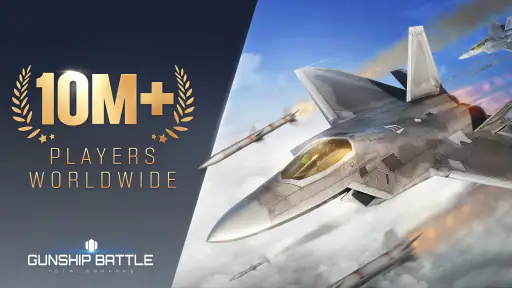
Developed by JOYCITY Corp., the game is free to start and carries an Everyone 10+ content rating. It has reached over ten million installs and holds a 4.2 average from around one hundred twenty-eight thousand ratings, so there is clearly a substantial audience for its slower, more involved approach to military strategy. I found that its strongest quality is the sense that progress depends on preparation rather than simply tapping faster.
How the game fits into a shared household
I find Gunship Battle Total Warfare easiest to share when the household treats the device as shared but keeps the game’s decisions and progress under one person’s care. Before handing over the screen, I’d agree on who is playing and whether anyone else may offer suggestions; that small boundary prevents a curious tap from becoming an unwanted change. It also sets up a useful next question: what kind of play routine makes the game fit everyday life?
A realistic evening with one device
Imagine one person using a tablet after dinner to review a fleet, while another family member wants to play a different game on the same device. Gunship Battle Total Warfare can fit that sort of routine, but only if everyone treats the game as an individual account experience rather than a communal board game. The decisions are persistent, and a careless tap can affect the next session. I would not recommend passing the device around without a clear agreement about whose game is open.
In my experience, the game works best when a player has a predictable window to inspect objectives, adjust plans, and deal with new developments. A short break may be enough to check the current situation, but the deeper decisions deserve more concentration. If a child is waiting to use the tablet, or someone is watching a video nearby, the player may rush through choices that deserve a second look.
That is an important distinction from a traditional turn-based board game. The household is sharing hardware, not necessarily sharing progress. I would create a simple rule before starting: one person plays at a time, and nobody changes another player’s screen without permission. This is not a game where “I was only looking” is always harmless.
Why the military theme changes the tone
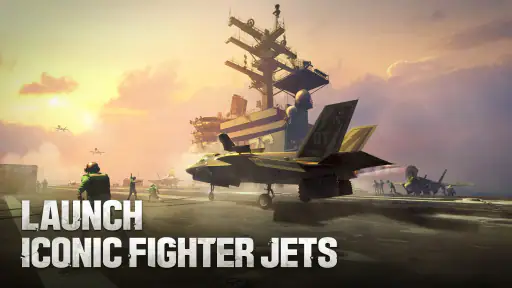
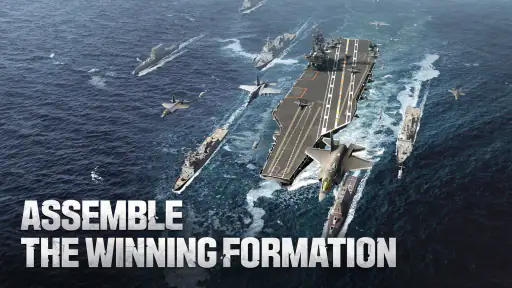
The presentation gives the game a more serious atmosphere than a cartoon strategy title. The focus on warships, aircraft, territory, and military growth may attract older children and adults, but it also means parents should consider whether that theme suits the person using the device. The age guidance is Everyone 10+, which gives a useful starting point, yet a rating cannot replace a household judgment about how a particular player reacts to conflict-oriented games.
Gaming Stories You May Enjoy

Dancing Road Turns Short Breaks Into a Test of Rhythm and Timing

Super Stylist Makes Every Outfit a Test of Taste and Patience

Dominoes on Your Terms: Who Should Play and Who Should Pass

Pokémon GO Makes the Familiar World Feel New

Chess.com Turns Rematches Into Rivalries, but Community Has Its Costs

Archery Battle 3D Review: Sharp Aiming, Unclear Feedback
I would be comfortable recommending it to a young strategy fan who already understands that the game is fictional and who can handle competitive setbacks. I would be more cautious with a child who becomes upset when plans fail, spends impulsively in games, or tends to press through menus without reading them. The game rewards patience, and that is also the quality that makes it easier to use responsibly.
Setting boundaries before the first campaign
Because the game is free to download but includes purchases ranging from forty-nine cents to three hundred sixty-nine dollars ninety-nine cents per item, household boundaries matter from the beginning. I would discuss purchasing rules before allowing a child to play, rather than waiting until a payment screen appears. A shared device should have a clear understanding of who is allowed to approve spending and when the player must ask first.
I also recommend deciding whether the game belongs to one person or whether several people will maintain separate progress. If several household members want to play, separate account arrangements are the safer approach whenever the platform and login setup allow it. Sharing one active profile can blur responsibility: one player may spend resources, alter a plan, or make a purchase that another person did not expect.
The game runs on Android devices using version 6.0 or newer. That makes it accessible on a wide range of older hardware, although the practical experience will still depend on the device’s performance, available storage, and how smoothly it handles a detailed strategy game. On a family tablet, I would test the game during the busiest normal use rather than assuming that an older device will feel comfortable simply because it meets the operating-system requirement.
Coordinating decisions instead of grabbing the controls
One of the more enjoyable household uses is cooperative discussion without pretending that the game is automatically cooperative in every moment. A parent and child can look at a situation together, talk through which objective deserves attention, and let the account owner make the final choice. That turns the game into a conversation about priorities: protect what is already built, pursue a new opportunity, or wait until the fleet is better prepared.
I found that this style of play is more useful than giving tactical instructions from across the room. The person controlling the account should explain what they are trying to achieve before tapping through a sequence. That pause helps prevent accidental decisions and teaches the younger player how the game’s systems connect. It also avoids the common shared-device problem where one person assumes the other understands the consequences.
A practical routine is to end each session with a brief verbal handoff. The player can say what was completed, what still needs attention, and whether the next session should focus on expansion, defense, or resource management. This is particularly helpful when a parent and child alternate access to the same tablet. It keeps the game from becoming a confusing collection of half-finished intentions.
What makes the strategy satisfying
The central pleasure is not simply watching military units move. It is building a plan from several connected decisions and accepting that not every goal can receive equal attention. The game asks me to think about timing, preparation, and the consequences of committing resources too early. That gives it more depth than a game that offers a new battle every few seconds but makes each result feel disposable.
I especially liked the way a session can have two layers. There is the immediate question of what to do next, followed by the longer question of whether today’s decision improves the position for a later challenge. That structure makes the game suitable for players who enjoy gradual development and return visits. It is less suitable for someone who wants a complete, self-contained match whenever they open an app.
New players should resist the urge to treat every available action as equally important. I had better results when I first identified the current objective, checked what it required, and only then spent time improving related parts of the force. This sounds obvious, but strategy games often tempt players with attractive upgrades that do not solve the problem in front of them.
Three habits that make a real difference
My first useful habit was to review the situation before spending anything. A purchase or upgrade can look valuable in isolation, yet the better choice may be the one that supports the next practical task. In a shared household, this also creates a natural stopping point: the player can inspect the options, explain the choice, and wait before confirming it.
Second, I learned to separate planning time from action time. When I opened the game with only a few minutes available, I focused on checking progress and noting the next step rather than forcing a major decision. When I had more time, I could compare alternatives properly. This approach prevents rushed play and makes the game easier to fit around school, work, meals, or shared-device schedules.
Third, I treated failure as information rather than as a reason to immediately repeat the same approach. If an attack or objective did not go well, I looked at the preparation behind it. Was I trying to do too much at once? Did I neglect a supporting part of the plan? This mindset is valuable for younger players because it turns disappointment into analysis, although adults may need to model that patience rather than simply taking over.
Account boundaries and trust
Gunship Battle Total Warfare is a poor choice for a household where everyone expects one universal save file that can be edited freely. The game’s strategic progress belongs to the player making the decisions, and mixing several play styles on one profile can make the experience frustrating. One person may prefer careful development while another spends resources immediately. Neither approach is automatically wrong, but the conflict can damage the account’s direction.
I would also avoid letting a child use an adult’s store account without supervision. The game’s purchase range makes that especially important. A family can enjoy the free entry point while still agreeing that every optional purchase requires permission. The most effective boundary is simple and visible: no payment decision happens during an exciting moment without the account owner checking it first.
Trust matters in another way too. Players should be honest about what they changed during a shared session. If someone upgrades a unit, redirects a plan, or uses a resource, the next player needs to know. A short note or spoken handoff is enough. This is not about adding bureaucracy to a game; it is about preserving the feeling that the account still belongs to one coherent strategy.
How it compares with easier strategy alternatives
Compared with quick puzzle strategy games, this title asks for more patience and gives less immediate closure. A puzzle usually lets me finish a challenge and put it away. Here, the satisfaction comes from an ongoing military position and the gradual effect of repeated choices. That makes it more rewarding for players who enjoy continuity, but less convenient for someone who wants a five-minute game with a clean ending.
It also feels more demanding than casual base-building games that mainly use decoration and light collection as their motivation. The military framing gives decisions more weight, even when the underlying loop still involves familiar progression. Players who enjoy planning around fleets and battlefield goals will find a stronger identity here. Players who dislike war themes or prefer peaceful management may be happier with a city builder, farming game, or logistics simulator.
Against a traditional console or PC strategy game, the mobile format is easier to pick up but can encourage fragmented play. I can check the game in spare moments, yet that convenience may tempt me to make important choices while distracted. A larger-screen strategy game may offer a clearer overview and a more deliberate session, while this one is better suited to someone who wants a military strategy experience available in short visits.
Who should play and who should skip it
I would recommend it to players who like military settings, gradual progression, and decisions that remain meaningful after the current screen disappears. It is a good fit for someone who enjoys discussing tactics with a friend or family member, provided the account boundaries are clear. It can also suit a player who wants to grow into a deeper strategy game without immediately committing to a complex desktop title.
I would skip it if I wanted a completely offline-feeling experience with no concern about optional spending, or if I disliked games that ask me to return to an evolving situation. I would also avoid recommending it to a younger child who cannot yet distinguish between game resources and real money. The Everyone 10+ label is helpful context, but responsible use still depends on the player’s maturity and the household’s purchasing rules.
Another reason to choose something else is impatience. If waiting, reviewing, and adjusting plans feels like administrative work, the game may become a chore. A faster action game would provide more immediate excitement, while a compact puzzle title would offer clearer sessions. Gunship Battle Total Warfare earns its place through strategic continuity, not instant gratification.
Performance, version, and the everyday experience
The current version is 9.0.4, and the game’s long-running presence suggests an experience that has developed beyond a simple one-screen battle toy. I still recommend approaching it as a substantial mobile game rather than a lightweight time filler. On a shared device, leave enough room for the game to load and for the player to think without someone waiting impatiently to reclaim the screen.
The free starting price is attractive, especially for households that want to try the style before committing to anything. The important qualification is that free access does not remove the need for spending discipline. I would play through the early experience first, learn the basic rhythm, and decide whether the strategy itself is enjoyable before considering any optional purchase. Spending should support enjoyment, not compensate for frustration.
The release date of December 11, 2018, also helps explain why the game feels like a mature mobile strategy product rather than a brand-new experiment. Players who prefer the newest visual style may find it less compelling than a recently released alternative. On the other hand, someone looking for an established title with a large audience may appreciate its staying power and the fact that it has remained relevant over time.
My household verdict
After using it as both a personal strategy game and a possible shared-device activity, I see Gunship Battle Total Warfare as a good choice for a household that values clear boundaries and patient play. It can create worthwhile conversations about planning, consequences, and learning from a failed attack. It is not a substitute for a family board game, because the account and progress should remain clearly assigned to one player.
My strongest advice is to decide ownership, purchasing rules, and handoff habits before anyone gets invested. Those small agreements remove most of the avoidable friction. They also let the game’s best qualities show through: the satisfaction of building a plan, watching it develop, and making a better decision the next time.
For me, the final judgment is positive but specific. Gunship Battle Total Warfare is worth trying if you want a persistent military strategy game and can give it focused attention. I would recommend it to a patient player, an older child with responsible adult guidance, or a family member who enjoys talking through decisions. I would not choose it for a shared profile with unclear rules, a player seeking instant matches, or anyone likely to treat optional purchases as a shortcut. Used with sensible boundaries, it offers a thoughtful strategy experience rather than just another disposable mobile battle.
Gunship Battle Total Warfare Pros and Cons
Pros
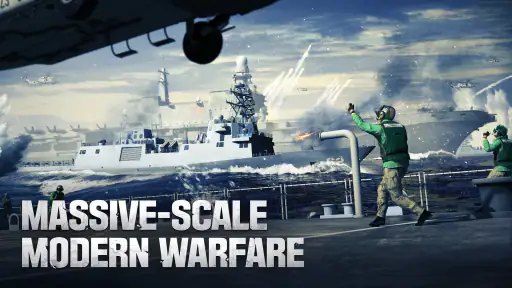
- Large-scale naval battles with impressive 3D visuals.
- Many ship types and units offer varied tactical options.
- Alliance features encourage cooperation and coordinated attacks.
- Frequent events provide extra rewards and new objectives.
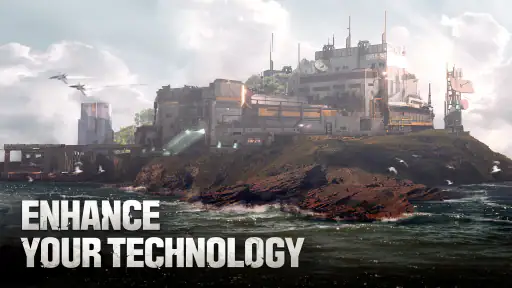
- Base development adds strategic depth beyond combat.
Cons
- Progress can feel slow without spending money.
- Upgrading ships and buildings requires substantial resources.
- PvP attacks may be frustrating for newer players.
- The interface can feel crowded with many menus and timers.
- A stable internet connection is required to play.
Frequently Asked Questions
What is Gunship Battle Total Warfare?
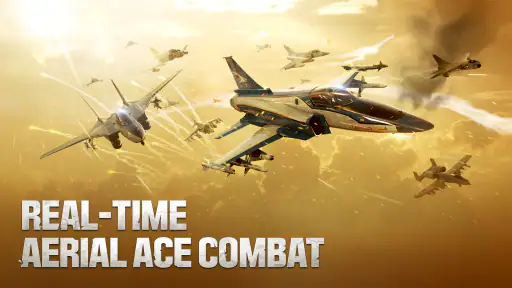
Gunship Battle Total Warfare is a strategy game focused on modern naval warfare, base development, and real-time combat. You build and upgrade a military base, research technologies, train different units, and command fleets against other players and computer-controlled enemies. The game combines resource management, tactical battles, alliance activities, and a large world map where territory and military strength are important.
Can Gunship Battle Total Warfare be played offline?
No, Gunship Battle Total Warfare is primarily an online game and requires a stable internet connection for most of its features. Your progress, events, alliances, battles, and account data are connected to the game servers. An internet connection is also needed to communicate with other players, participate in multiplayer activities, receive updates, and synchronize your base and fleet across supported devices.
Is Gunship Battle Total Warfare free to download and play?
The game is generally free to download and play, but it includes optional in-app purchases. These purchases can provide resources, speed up construction or research, and offer special items or event packages. You can progress without spending money, although free players may need more patience and regular activity. Parents should also review device purchase settings before allowing children to play.
Does the game support multiplayer and alliances?
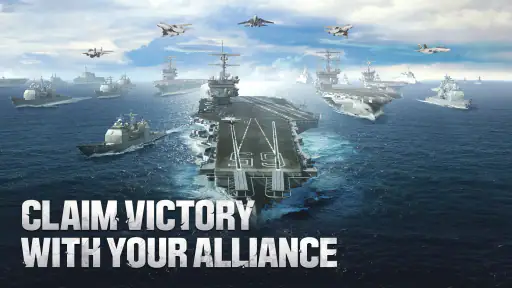
Yes, multiplayer interaction is one of the main parts of Gunship Battle Total Warfare. Players can join alliances, communicate with teammates, cooperate during events, defend shared interests, and participate in large-scale conflicts. Being part of an active alliance can make progression easier because members often exchange support and coordinate attacks, research, and territory objectives against rival groups.
What devices are required to play Gunship Battle Total Warfare smoothly?
Performance depends on your device model, operating system, available storage, and memory. Because the game features detailed maps, animated battles, frequent online activity, and large multiplayer events, newer Android and iOS devices usually provide a smoother experience. Keep sufficient free storage for updates, use a reliable connection, and reduce graphics settings if you notice overheating, lag, or battery drain.


