

Glow Tales: Merge & Makeover
- Reviews
- 4.1
- Version
- 1.3.2
- Installs
- 500,000+

Screenshots



 Analysis by Frivlyz
I spent time with Glow Tales: Merge & Makeover as a light, casual game built around a simple promise: make progress through relaxing play while shaping a beauty-focused story. That combination gives it an approachable feel from the start. It is not trying to be an intense action game or a complicated strategy title; its appeal is the small satisfaction of making a move, seeing a result, and gradually giving the experience more personality.
What makes it worth discussing is the balance between its free entry point and the kind of patience this format usually asks from players. The game is free to download, so trying it does not require a purchase. At the same time, optional in-app items range from $0.99 to $99.99 each, which is a wide span and something I would want every player, especially younger users, to understand before playing. My overall impression is positive for people who enjoy calm, progress-based mobile games, but I would not recommend it blindly to anyone looking for deep customization, fast action, or a completely purchase-free experience.
How Glow Tales feels to play
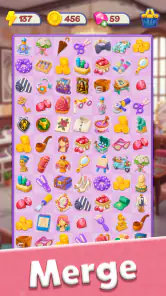
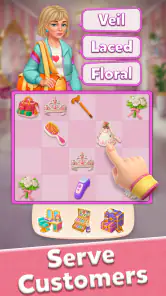
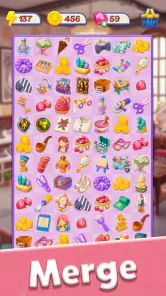
The core identity is easy to understand. You merge, make choices, and move through a beauty-themed story in which each action contributes to a broader sense of style and progress. The store summary presents it as a way to relax, merge, and create a personal beauty story, and that description matches the tone I experienced: the game is designed around short, repeatable interactions rather than demanding concentration for long sessions.
That makes it a natural fit for the moments when I want something more engaging than scrolling but less demanding than a competitive game. A few minutes during a break can be enough to complete a small piece of progress. Longer sessions are possible too, although the experience is most comfortable when treated as a gentle routine rather than a game that must be mastered quickly.
The casual category is important here because it sets the right expectation. Glow Tales is not built around reflexes, complex controls, or a large learning curve. Its appeal comes from combining familiar merge-style decisions with makeover and storytelling themes. If you enjoy watching a space, character, or personal style develop gradually, the structure is likely to feel welcoming.
The merge loop rewards deliberate choices
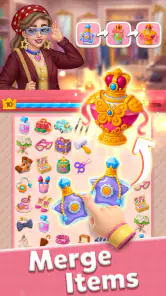
The most useful way I found to approach the merge play was to avoid treating every available move as equally good. Merging immediately can feel satisfying, but holding items briefly and considering what they may contribute to the next step creates a better rhythm. In a game like this, the strongest decision is not always the move that produces the quickest visible result.
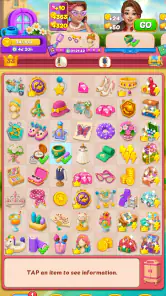
I recommend keeping the play area organized instead of tapping through it impulsively. Even without turning the game into a spreadsheet, grouping similar pieces and leaving room for future combinations makes the session less frustrating. This is one of the small differences between casually touching the screen and actually getting comfortable with the game’s flow.
Gaming Stories You May Enjoy

Dancing Road Turns Short Breaks Into a Test of Rhythm and Timing

Super Stylist Makes Every Outfit a Test of Taste and Patience

Dominoes on Your Terms: Who Should Play and Who Should Pass

Pokémon GO Makes the Familiar World Feel New

Chess.com Turns Rematches Into Rivalries, but Community Has Its Costs

Archery Battle 3D Review: Sharp Aiming, Unclear Feedback
Another practical tip is to use short sessions to plan rather than simply chase progress. When I returned after a break, I found it easier to decide what to merge when I first looked at the whole board and identified the most useful available combination. That habit reduces clutter and helps preserve the relaxing quality that the game is aiming for.
Beauty and story give the routine a purpose
A plain merge game can become repetitive once the basic combinations are familiar. Glow Tales tries to avoid that flat feeling by connecting the activity to a beauty makeover theme and a continuing story. The result is more personal than a puzzle board with no context. Progress feels tied to a developing style journey, which gives individual actions a little more meaning.
I especially liked that the beauty angle makes the game easier to recommend to players who enjoy visual self-expression but do not necessarily want a full dress-up simulator. It sits between a puzzle routine and a makeover experience. You are not only solving isolated combinations; you are also working toward a broader presentation of style.
That said, players should approach the theme for what it is. This is a casual game with a beauty setting, not a professional design tool or a detailed fashion simulator. Anyone expecting highly precise creative control may find the experience more guided than open-ended. Its strength is the combination of accessible decisions and a recognizable theme, not unlimited artistic freedom.
A realistic everyday session
Imagine having a short wait before an appointment or a quiet few minutes after dinner. Glow Tales works well in that situation because it does not demand that I remember a complicated control scheme. I can open it, inspect the current options, make a few considered moves, and stop without feeling that I have abandoned a major competitive obligation.
For a parent looking for an Everyone-rated game to share with a child, the gentle presentation may also be appealing. I would still keep purchase controls in mind because the presence of optional items makes device settings and family supervision relevant. The age rating makes the game broadly accessible, but it does not remove the need to discuss spending habits with younger players.
For me, the best use case is a player who enjoys returning to the same world in small doses. It is less convincing as a single long sitting where I expect constant novelty. The game’s satisfaction comes from accumulation: one combination, one style-related improvement, and one more step in the story.
What the free version means for value
The clearest financial advantage is that Glow Tales is free to start. That matters because it lets me judge the merge rhythm, the beauty theme, and the storytelling approach before committing any money. For a casual game, this is the right first step: install it, play naturally, and decide whether the routine fits your taste rather than buying access upfront.
There are optional in-app purchases, priced from $0.99 to $99.99 per item. I see that range as the main point requiring caution. The lower-priced options may be easier to consider as occasional extras, while the highest listed price is substantial enough that I would never treat it as a casual tap. I would review any purchase prompt carefully and use device-level spending protections where appropriate.
The free access delivers enough of the game’s identity to make a fair decision. You can experience the central idea of merging within a beauty-oriented story without first paying for a premium download. That makes the game more accessible than a paid-only alternative, particularly for someone who is unsure whether this particular combination of themes will hold their attention.
At the same time, free access does not automatically mean unlimited value. The real question is whether the normal pace feels comfortable without optional spending. My advice is to play at the natural pace for several sessions before considering a purchase. If the game is enjoyable only when progress is accelerated, then the purchase is solving impatience rather than improving the underlying experience.
Where the value is strongest
The strongest value comes from the blend of three elements: a low barrier to entry, an uncomplicated merge routine, and a beauty story that gives the routine context. Each part supports the others. The free model makes experimentation easy, the merge play provides the repeated interaction, and the makeover theme gives progress a visual and emotional direction.
This is also a good choice for households with several people who have different gaming tastes. Someone who likes puzzles may focus on combinations, while another player may care more about the style journey. Because the game is categorized as casual and rated Everyone, it has a broad starting point, although individual preferences will still determine whether the repetition feels soothing or dull.
I would not measure its value by how many hours it can occupy. A game like this earns its place through the quality of short breaks. If it gives you a pleasant way to unwind without requiring a large time commitment, the free entry point is meaningful. If you need a large amount of content, complex goals, or a highly competitive challenge, the same design may feel too light.
What I would watch before spending
My main rule is simple: do not buy merely to remove a moment of inconvenience before you know whether the overall loop remains enjoyable. Optional spending can make a game feel smoother, but it cannot change whether you like arranging merges or following a beauty-centered story. I would first learn the basic rhythm and decide whether I enjoy the decisions themselves.
I would also avoid making a purchase during a rushed session. When a player is tired or impatient, a prompt can feel more persuasive than it would during a calm review of the available choices. Since individual items can reach $99.99, a deliberate pause is sensible. The game is free to try, so there is no pressure to decide immediately.
Another trade-off is that spending may reduce the satisfaction of gradual progress for players who enjoy earning each step. Some people want a faster route, while others prefer the slower sense of building a style story piece by piece. Glow Tales can appeal to both groups, but I think the patient approach gives the game more of its intended character.
Limitations and comparisons with other casual games
Glow Tales is easy to approach, but that simplicity can become its biggest limitation. Players who usually choose match-three games with rapid rounds may find the merge rhythm less energetic. Those who prefer open-ended makeover apps may find the story structure more restrictive than a blank canvas. And anyone seeking competitive leaderboards, high-pressure challenges, or action-focused controls is looking in the wrong category.
Compared with a traditional puzzle game, this title places more emphasis on theme and gradual presentation. A conventional puzzle may offer clearer score chasing or tighter moment-to-moment challenge, while Glow Tales uses the merge action as part of a broader beauty journey. Compared with a pure dress-up game, it asks for more resource decisions and less direct visual experimentation. That middle position is its most distinctive quality, but it also means it may not fully satisfy specialists in either neighboring category.
The game’s relaxed pace is another consideration. I enjoyed it most when I accepted that progress would be incremental. If I approached it expecting every session to deliver a dramatic transformation, the routine felt less impressive. The better mindset is to appreciate small developments and treat the story as a reason to return, not as a promise of constant spectacle.
There is also a practical difference between playing alone for relaxation and playing socially. Glow Tales suits private, low-pressure sessions, but it is not the kind of experience I would choose when I want a group game with immediate interaction. If your usual alternative is a multiplayer title, this will feel deliberately quiet rather than socially engaging.
Who should install it
I would recommend it to players who enjoy merge games but want a stronger personal-style theme than a generic board can provide. It is especially suitable for someone who likes making gradual progress, checking in for short sessions, and seeing a beauty-related story develop over time.
It also makes sense for newcomers who are curious about merge games but do not want to pay before understanding the format. The free starting point removes that initial risk. I would describe it to a friend as a calm, approachable option for filling small gaps in the day, with enough theme to make the repeated actions feel connected.
The game may work well for younger players because its content rating is Everyone, but I would still involve an adult in decisions about purchases. The broad age rating describes accessibility, not a guarantee that every player will manage optional spending responsibly. That distinction matters more here because the purchase range extends from small amounts to a much larger single-item cost.
Who should skip it
I would skip Glow Tales if your priority is fast action, deep strategy, or unrestricted creative design. The game’s charm depends on accepting a guided, gradual structure. It is not the right substitute for a detailed fashion editor, a competitive puzzle arena, or a story game built around long dramatic scenes.
I would also be cautious if you know that slow progress makes you impatient. Free-to-play casual games can be enjoyable precisely because they create a reason to return, but that same pacing can frustrate players who want to unlock everything quickly. In that case, a paid game with a clearly defined one-time cost may offer better personal value, even though Glow Tales itself can be tried without paying.
Finally, players who want a completely purchase-free environment should consider a different option. You can begin without a charge, but optional purchases are part of the experience’s commercial structure. If seeing those offers would make the game uncomfortable, the free download may not be enough to make it a good fit.
My final recommendation
Glow Tales: Merge & Makeover is a pleasant casual game for people who like small decisions, gradual visual progress, and beauty-themed storytelling. I found its best quality in the way it gives a simple merge routine a more personal direction. Instead of making every move feel like an isolated puzzle action, it connects play with the feeling of developing a style journey.
The game is free to start, and that makes my recommendation straightforward: try it without spending, organize your moves, and give the pacing enough time to reveal whether it suits you. The current version is 1.3.2, and the game is available for devices running Android 7.1 or later. Paxie Games has positioned it as an accessible casual experience, and its average rating of 4.1 from around 16 thousand ratings, alongside more than 500 thousand installs, suggests that the concept has found a receptive audience.
Those figures are useful context, but my decision would still come down to the play loop. I would keep playing if I wanted a calm daily break and enjoyed the beauty-story connection. I would stop if I felt that I was only returning to push through delays or respond to purchase prompts. The optional items, which run from $0.99 to $99.99 each, make spending discipline essential rather than incidental.
My verdict: install it if you want a free, gentle merge-and-makeover experience, but keep your expectations and spending limits clear. It delivers its best value as a patient, low-pressure companion for short sessions. It is not a universal casual game, and it should not replace a deeper puzzle, fashion, or story title for players who want more control or intensity. For the right audience, though, the combination is inviting enough to earn a place on the phone without requiring an immediate purchase.
Glow Tales: Merge & Makeover Pros and Cons
Pros
- Relaxing merge gameplay with a gentle
- easy-to-follow pace.
- Makeover choices add a creative layer beyond standard merge tasks.
- Short levels work well for quick play sessions.
- Colorful visuals make rooms and character designs appealing.
- Progression gives clear goals through renovations and story moments.
Cons
- Energy limits can interrupt play when you want longer sessions.
- Some upgrades may require repeated merging or extended grinding.
- Choices can feel limited if you prefer highly detailed customization.
- Ads or optional purchases may affect the free-to-play experience.
- Later objectives may become slower without spending premium resources.
Frequently Asked Questions
What is Glow Tales: Merge & Makeover about?
Glow Tales: Merge & Makeover is a casual puzzle and makeover game that combines objects to complete tasks, unlock useful items, and improve characters or locations. As you progress, you follow a light story while using merged materials to decorate spaces and create visual transformations. It is designed for players who enjoy relaxing gameplay, simple progression, and makeover themes rather than fast action or complicated strategy.
How does the merging gameplay work in Glow Tales: Merge & Makeover?
The main gameplay involves combining matching items on a board to create upgraded objects. These objects can then be used to complete requests, finish makeover objectives, and advance through the story. Energy or similar limits may control how often you can perform actions, so planning your merges is helpful. The mechanics are easy to learn, although later tasks can require patience and careful board management.
Can Glow Tales: Merge & Makeover be played offline?
Some basic parts of Glow Tales: Merge & Makeover may work without a constant internet connection, but online access can be required for certain features. Events, advertisements, cloud saving, account services, purchases, and updated content may not function correctly offline. If you are traveling or have limited data, it is best to test the game in airplane mode first, because offline availability can vary depending on the version and device.
Does Glow Tales: Merge & Makeover include in-app purchases or advertisements?
The game is generally free to download, but players should expect optional in-app purchases and advertising-based rewards. Purchases may provide premium currency, energy, boosters, or other resources that speed up progress, while ads can sometimes offer extra benefits. You can usually play without spending money, although waiting for energy or completing difficult objectives may take longer for free-to-play users.
Is Glow Tales: Merge & Makeover suitable for children and casual players?
Glow Tales: Merge & Makeover is suitable for casual players who enjoy colorful visuals, straightforward puzzles, and story-driven decorating. It does not usually demand quick reflexes, making it approachable for a wide range of ages. However, parents should review the store rating, advertising, chat or social features if available, and purchase settings before allowing children to play, especially because optional transactions may be included.


