

Game of Thrones: Conquest ™
- Reviews
- 4.2
- Version
- 25.5.812438
- Installs
- 10,000,000+

Screenshots
 Analysis by Frivlyz
I approached Game of Thrones: Conquest™ as a strategy game about building influence in Westeros, not as a quick battle game. Its appeal is the combination of long-term planning and the series’ familiar world: you make a house, develop its strength, and decide how much to rely on other players. That gives each choice a political flavor, although it also means the game is better suited to people who enjoy gradual progress than to anyone looking for a self-contained match they can finish in a few minutes.
What the early goals ask of you
The opening gives you clear jobs: build your house, recruit bannermen, gather resources, improve buildings, and prepare forces. I found that useful because it gives a new player several immediate ways to make progress instead of asking them to understand every strategic consequence at once. The catch is that these tasks point toward a longer commitment. Building an army feels satisfying, but the important question is not simply how quickly you can make it larger; it is whether your resources and upgrades support the kind of play you want.
My practical advice is to treat early progress as a chance to learn the rhythm rather than a race to expand. Before spending resources on every available improvement, check what is actually helping your next goal. If you want to strengthen your forces, prioritize choices that support that plan; if you would rather develop your house steadily, avoid spreading resources too thinly. That small habit makes the strategy feel more deliberate and can help keep the early game from becoming a string of upgrades without a clear purpose.
Immersive Gameplay
The game’s primary allure lies in its immersive gameplay. You start by building your house, recruiting bannermen, and preparing for war. Trust me, there’s nothing more satisfying than seeing your army grow and your banners flying high. The strategic depth is impressive, as you must manage resources, upgrade buildings, and train your forces. The game really tests your strategic skills, especially when you’re plotting your next move against rival houses.
How progress becomes visible
Progress here is easier to feel when I connect separate actions to one aim. A stronger house, more developed buildings, and a better-prepared force are tangible signs that my decisions are adding up, but they do not automatically mean I am ready for every rival or challenge. I learned to judge progress by whether I can carry out the next plan I have in mind, rather than by the size of my holdings alone. That is a more useful measure in a game where expansion can bring new demands along with new influence.
It also helps to think in short planning windows. When I have only a brief session, I choose one useful task—such as tending to development or preparing for a future conflict—instead of trying to manage everything at once. When I have longer, I can consider how those choices fit together. This approach is especially useful for mobile play: it makes a quick check-in feel purposeful, while preventing the game from turning into a checklist that I feel obliged to clear every time I open it.
Alliances and Betrayals
One of the key features that stands out in Game of Thrones: Conquest™ is the alliance system. You can join forces with other players to take down common foes or betray them in true Westerosi fashion. Forming alliances is crucial, as they provide support during battles and help expand your influence across the map. But beware, allegiances can shift as quickly as the sands of Dorne, keeping you on your toes at all times.
Gaming Stories You May Enjoy

Dancing Road Turns Short Breaks Into a Test of Rhythm and Timing

Super Stylist Makes Every Outfit a Test of Taste and Patience

Dominoes on Your Terms: Who Should Play and Who Should Pass

Pokémon GO Makes the Familiar World Feel New

Chess.com Turns Rematches Into Rivalries, but Community Has Its Costs

Archery Battle 3D Review: Sharp Aiming, Unclear Feedback
For me, alliances are more than a social extra: they change how I evaluate risk. A plan that looks sensible when I consider only my own house can look very different once other players are involved. I would not join an alliance just because cooperation sounds useful; I would first consider whether I can stay engaged with its expectations and whether its approach suits my own pace. If I prefer to make every decision independently, the social side may feel like pressure rather than support. Players who enjoy negotiating and coordinating will get more from this part of the game.
A Visual Treat
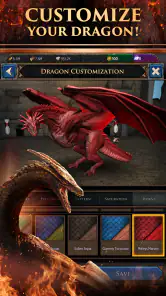
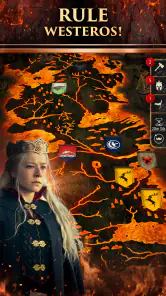
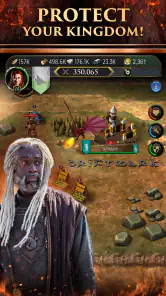
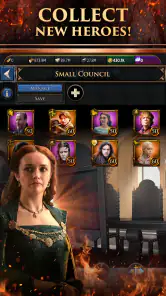
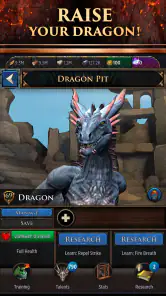
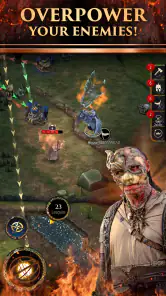
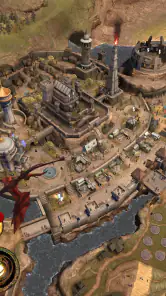
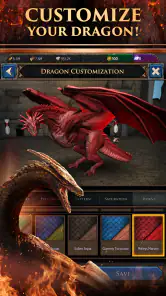
Visually, the game does justice to the grandeur of the Game of Thrones universe. The detailed maps of Westeros, the iconic locations, and the character designs are all crafted with care. The animations during battles are a feast for the eyes, making every skirmish feel like an episode from the series. It’s like having the world of Westeros in your pocket, ready to explore whenever you want.
Besides the aesthetics, the sound design deserves a special mention. The music and sound effects immerse you in the game’s atmosphere, making you feel every sword clash and dragon roar. It’s these little details that make the game a standout experience for any Game of Thrones fan.
Where the challenge can turn into friction
The main difficulty is not just winning one fight; it is balancing ambition against preparation. Rival houses and PvP give the strategy a human edge, but that can make outcomes harder to predict than in a campaign against fixed opponents. I would be cautious about treating every opportunity to fight as one I should take. If my force is not ready or the timing is poor, stepping back and building toward a better attempt can be a wiser decision than chasing immediate action.
That slower rhythm is a real trade-off. Players who like a focused strategy session with a clear beginning and end may find the ongoing development less satisfying than a turn-based campaign or a compact tactical game. By contrast, someone who likes returning to a persistent world and adjusting plans around other players is more likely to appreciate the way the game stretches its goals over time. It is worth deciding which style you want before investing heavily in it.
The game is free to play, but it includes in-app purchases ranging from $0.99 to $99.99 per item. I would set a personal spending limit before getting drawn into a competitive moment; purchases are easiest to justify when they fit a budget, not when frustration makes them feel urgent. You can begin without paying, but free access does not mean every path will feel equally quick. If you want a game where progress is entirely detached from optional spending, a premium strategy title with a one-time purchase may be a better match.
Challenges and Rewards
What keeps me hooked is the constant challenge the game offers. From defending your lands against White Walkers to engaging in PvP battles, there’s always a new challenge waiting. The game rewards strategic thinking and careful planning, so every victory feels earned. Plus, the regular updates and events ensure there’s always something new to keep players engaged.
That ongoing pull can be a strength, but it is also where I would watch my own habits. A persistent strategy game can make it tempting to check in whenever I have a spare moment, especially when I am thinking about a plan or an alliance. I get more enjoyment from setting a simple intention for a session—review my priorities, make a useful improvement, then leave—than from opening it repeatedly without knowing what I want to do. If you prefer games that respect a firm stop point, this format may take more self-management than a short puzzle or match-based alternative.
Who will enjoy ruling in Westeros
I would recommend it most to Game of Thrones fans who like strategy, patient development, and the unpredictable social side of competing with other players. It also suits people who enjoy having several connected decisions to think about instead of repeating one battle format. The world and its political tone give those choices more character than a generic kingdom-building setting, while the ongoing goals offer reasons to return when you are in the mood to plan.
I would be less likely to recommend it to someone who wants a purely solo story, quick rounds, or a tightly controlled competitive experience. The emphasis on alliances and rival players makes the game feel more social and less predictable than a traditional single-player strategy campaign. If I wanted a complete narrative with a clear ending, I would choose a story-led alternative; if I wanted short tactical encounters, I would choose a game built around discrete matches. This one is strongest when I want to inhabit a continuing contest for influence.
On Android, the game is rated Teen and requires Android 6.0 or later. Warner Bros. International Enterprises is the developer, and the current version is 25.5.812438. Its average rating is 4.2 from around 321,000 ratings, with over 10 million installs. Those figures suggest a substantial audience, but I would still judge it by whether its persistent pace suits me, rather than assuming popularity guarantees a good fit. The large community may make the competitive world feel active, while also making it especially important to be comfortable with player interaction.
For an everyday example, I can imagine opening the game during a lunch break, checking what my house needs next, and making one sensible improvement rather than starting a conflict I cannot follow through on. Later, with more time, I can think about whether an alliance or a planned confrontation fits that development. That split between brief maintenance and more considered decisions is convenient, but it works best when I treat the short session as preparation, not as a promise that every major goal can be completed immediately.
One useful way to decide whether to keep playing is to notice what feels rewarding: seeing your house develop, working out a plan with allies, or responding to the tension of PvP. If none of those parts appeals, the familiar setting may not be enough to carry the experience. If they do appeal, give yourself room to learn how your choices connect before judging the pace. The game’s challenge comes from managing that connection, not from collecting upgrades for their own sake.
In conclusion, Game of Thrones: Conquest™ is a must-play for fans of the series and strategy enthusiasts alike. It captures the essence of the Game of Thrones universe while providing a platform for players to create their own stories of power and betrayal. So, ready your dragons, sharpen your swords, and prepare to claim the Iron Throne. After all, when you play the game of thrones, you win or you die! So, what are you waiting for? Dive into the world of Westeros and start your conquest!
Game of Thrones: Conquest ™ Pros and Cons
Pros
- Engaging storyline based on popular series
- High-quality graphics and animations
- Strategic gameplay with alliances
- Regular updates with new content
- Interactive social features
Cons
- In-game purchases can be expensive
- Requires constant internet connection
- High battery consumption
- Complex for new players
- Occasional server issues
Frequently Asked Questions
What is Game of Thrones: Conquest ™ about?
Game of Thrones: Conquest™ is a strategy-based mobile game where players aim to become the most powerful house in Westeros. Set in the world of the popular TV series, the game allows players to build their own houses, form alliances, and engage in epic battles to claim the Iron Throne. With rich lore and strategic gameplay, it's a must-play for fans of the series.
Is Game of Thrones: Conquest ™ free to play?
Yes, Game of Thrones: Conquest™ is free to download and play. However, it offers in-app purchases that can enhance the gaming experience. Players can buy packages that provide resources, speed up building times, or offer exclusive items. While the game can be enjoyed without spending money, purchasing these items can give players a strategic advantage.
What platforms are supported by Game of Thrones: Conquest ™?
Game of Thrones: Conquest™ is available for both Android and iOS devices. Players can download it from the Google Play Store for Android or the Apple App Store for iOS. The game is optimized for mobile devices, ensuring smooth gameplay and an immersive experience on both platforms. Regular updates ensure compatibility with the latest operating systems.
Do I need an internet connection to play Game of Thrones: Conquest ™?
Yes, an active internet connection is required to play Game of Thrones: Conquest™. The game is designed as an online multiplayer experience, where players interact with others in real-time. This connectivity allows for dynamic alliance formations and battles, making the game a living world that requires an internet connection to function properly.
Are there any tips for beginners in Game of Thrones: Conquest ™?
For beginners in Game of Thrones: Conquest™, it's crucial to focus on building a strong base and forming alliances early on. Completing quests and daily tasks can provide valuable resources and rewards. It's also beneficial to participate in events for additional bonuses. Prioritize upgrading resource buildings and troops, and always scout opponents before engaging in battles to ensure victory.


