

Game of Sultans
- Reviews
- 4.3
- Version
- Varies with device
- Installs
- 10,000,000+

Screenshots



 Analysis by Frivlyz
Before installing Game of Sultans on a shared tablet or phone, I’d decide whose game it is. Its court drama, empire management, and player interactions can make it tempting for several people at home to take turns, but the experience is built around one ruler’s progress. Passing the device around is different from having separate household profiles: choices and progress belong to the game account in use, so I would avoid treating one save as a communal project unless everyone is happy to share the same decisions.
One device, one ruler
A practical shared-use routine is to let one person own the account and have others watch, suggest plans, or take a turn only when the owner is present. That keeps decisions about the court and relationships consistent, and it avoids the awkwardness of someone spending a resource or changing a plan without the account owner’s agreement. I would also keep access to the device and any account credentials with the person responsible for the save; a game that feels casual can still accumulate progress someone cares about.
This arrangement suits a household that enjoys discussing choices together, especially when one player likes checking in regularly and the others prefer to be occasional advisers. It is less suitable if everyone expects an independent character, private progress, or a clean way to separate play histories. I would not assume that a shared device automatically means separate accounts or family controls; set expectations before handing the game to someone else.
A small routine helps with coordination
In a busy household, I’d agree on a simple handoff: the account owner plays at their own pace, then tells everyone when they are finished rather than leaving the game open for another person to continue. That is useful if more than one person is interested in guild activity or player-versus-player competition, where different people may have different ideas about how to respond. It also avoids turning a few minutes of leisure into an argument over who changed the plan.
For everyday play, I’d treat it as a check-in game rather than something that needs a long, uninterrupted session every time. A short window after dinner can be enough to look over the court, decide what to focus on next, and stop before the game takes over the evening. If your household prefers games that naturally support quick pass-and-play turns, this one may need more coordination than you want.
The Allure of Power and Strategy
Game of Sultans is a strategy game that allows you to become a Sultan, managing your empire, engaging in political intrigue, and expanding your influence. The game is set in the Ottoman Empire, offering a rich historical backdrop for your quest for power. The initial setup is pretty straightforward, guiding you through the basics of managing your empire, which includes building your court, forming alliances, and, of course, dealing with a bit of drama.
That mix makes the game feel more like a role-playing routine wrapped around an empire than a tightly focused historical simulation. If you come in expecting a detailed lesson in Ottoman history or a deep tactical campaign, I’d adjust those expectations. I find its appeal is the steady accumulation of court relationships, character growth, and strategic choices, not historical precision or a single long story that you complete in one sitting.
Gaming Stories You May Enjoy

Dancing Road Turns Short Breaks Into a Test of Rhythm and Timing

Super Stylist Makes Every Outfit a Test of Taste and Patience

Dominoes on Your Terms: Who Should Play and Who Should Pass

Pokémon GO Makes the Familiar World Feel New

Chess.com Turns Rematches Into Rivalries, but Community Has Its Costs

Archery Battle 3D Review: Sharp Aiming, Unclear Feedback
Gameplay Mechanics
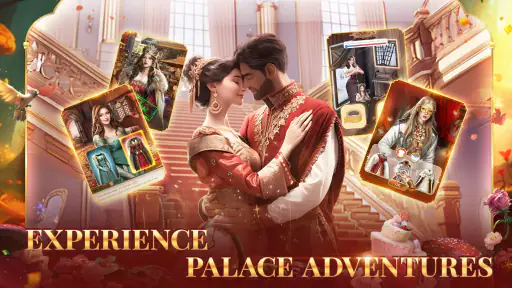
The game mechanics are quite engaging. You’ll spend your time leveling up your Sultan, recruiting Viziers to help govern, and expanding your realm through conquests and alliances. There's an addictive quality to leveling up your characters and seeing your empire grow, which kept me coming back for more. You can also engage in romantic relationships and even raise heirs, adding a personal touch to your rule.
One useful way to approach that progression is to pick a near-term priority before tapping through the available activities. If you try to improve every character and push every part of the empire at once, it can become harder to tell what is actually moving your account forward. I’d focus on one goal for a session, such as strengthening the characters I rely on or making progress toward expansion, then review what changed before choosing the next one.
That habit also makes the game easier to fit around real life. If I have only a few minutes, I can make one deliberate decision rather than treating every notification or available action as urgent. Players who enjoy a clear campaign with a definite ending may find this ongoing growth loop less satisfying; the pleasure is in continuing to build, not reaching a final chapter and putting the game away.
One of the standout features is the intricate political system. You’ll need to navigate alliances carefully, as well as manage your resources wisely to maintain control and expand your influence. The decisions you make have real consequences, so there’s a satisfying level of depth to the strategic elements of the game.
For social play, I’d think of guild participation as a commitment to coordinate with people, not just another button to tap. Before joining in, it helps to decide whether you want active competition or a more relaxed connection with other players. If you have limited time, avoid promising more involvement than you can comfortably give; a game can be enjoyable without making every group activity a household priority.
Visuals and Sound
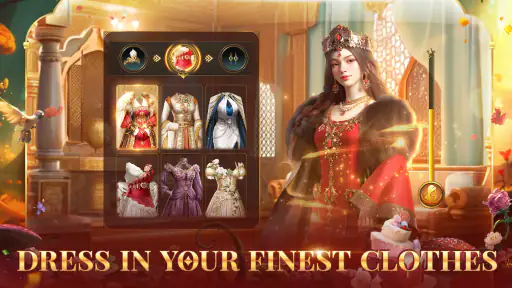
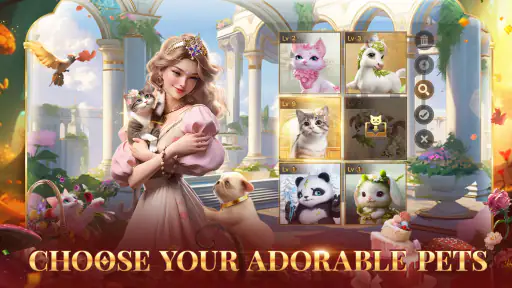
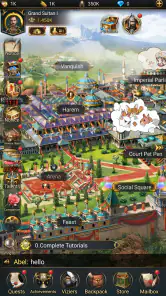
The visuals in Game of Sultans are vibrant and detailed, bringing the opulent world of the Ottoman Empire to life. The character designs are particularly striking, with a lot of attention paid to the costumes and settings. The music and sound effects also complement the visuals nicely, providing an immersive experience that really draws you into the game’s world.
The presentation is a good fit for players who like checking in on a decorated court and recognizable characters rather than staring at a map full of abstract counters. It also gives the game a strong sense of place when you open it in short bursts. On a shared device, though, sound is worth considering: I’d lower or mute it when playing around other people, especially in a quiet room, rather than assuming the game will suit every setting at its default volume.
Social Interactions
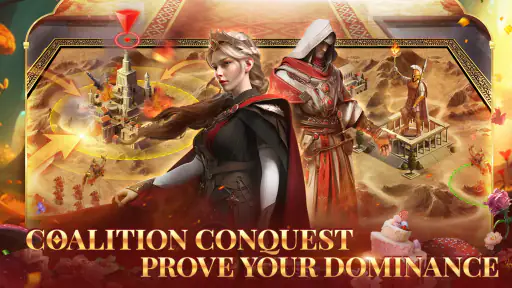
Another aspect I enjoyed is the social component. You can join guilds and interact with other players, which adds another layer of engagement. Whether it’s teaming up for events or competing in PvP battles, there’s always something to keep you busy. The community aspect is well-developed and makes the game feel alive and dynamic.
That social layer is also where this game differs from a more solitary role-playing adventure. If I want other players to matter to my routine, guilds and competition give me a reason to return; if I want to explore a story at my own pace without comparing progress, a single-player role-playing game is probably a better match. Competition can make advancement feel meaningful, but it can also make spending or time pressure more noticeable, so I’d join for the interaction rather than feeling obliged to keep up with everyone.
For a family or group sharing one device, I’d keep the distinction clear: interacting with players in the game is not the same as coordinating with people at home. One account should have one person making final decisions, while others can participate by discussing choices. That boundary matters most when progress, social commitments, or purchases are involved.
Monetization and In-App Purchases
Like many free-to-play games, Game of Sultans offers in-app purchases. While you can play without spending money, purchasing items can speed up your progress significantly. This aspect might not be to everyone’s taste, especially if you prefer games where skill trumps spending. However, the game is generous with rewards, so patient players can still enjoy a rich experience without breaking the bank.
The game is free to download, with optional purchases ranging from $0.99 to $99.99 per item. I’d decide on a household spending rule before installing it on a device used by more than one person: for example, agree that no purchase is made without the account owner’s approval. That is a simple boundary, not a claim about any particular family setting or payment control. It also helps prevent the common confusion between a free download and a game with no paid options.
My practical advice is to play for a while without buying anything and see whether the normal pace is enjoyable. If progress feels too slow unless you pay, that is useful information about whether the game suits you. Purchases can shorten waits or accelerate growth, but they do not replace the appeal of making choices and building a court; if you mainly want a skill-based contest where spending has no bearing on pace, I’d choose another kind of game.
Age, expectations, and trust
The game is rated Teen, so I would not treat its romantic court themes and competitive social play as automatically suited to younger children. That rating is a useful starting point for a parent or guardian, but it is still worth considering the particular player’s maturity and comfort with the themes. I’d look at the game together first if the device is shared with a younger family member, then agree on what kinds of play and spending are acceptable.
For adults who want a light historical fantasy with ongoing character development, the setup is approachable and the court gives the game a more personal feel than a bare resource-management screen. For someone who wants realistic history, a tightly authored romance, or a story that can be finished in a weekend, it is less likely to satisfy. The age label does not answer those preference questions; it is the household’s expectations that determine whether the game is a good fit.
Who will enjoy its pace
I’d recommend it to people who like returning to a persistent world, making small decisions over time, and balancing character progression with social competition. It can work well for a player who checks in between other activities and enjoys seeing gradual improvement. DreamPlus Games has built a role-playing experience around court life and empire growth rather than a traditional action-heavy adventure, so the pleasure comes from managing the ongoing routine.
I’d skip it if you dislike free-to-play pacing, prefer every advantage to come strictly from tactical skill, or do not want a game that invites regular attention. It is also not my first pick for a household expecting several people to maintain separate progress on one shared save. A focused single-player RPG is better for a self-contained story; a quick party game is better for taking turns without account ownership becoming an issue.
On Android, it requires version 5.0 or later. Its average rating is 4.3 from around 601,000 ratings, and it has passed 10 million installs; those figures suggest a broad audience, but they do not tell me whether its pace or spending model will suit a particular player. I’d use them as context, then make the decision based on whether you enjoy persistent progression and the court-focused premise.
Final Thoughts
Overall, Game of Sultans is a captivating blend of strategy, role-playing, and social interaction. It offers a compelling experience for anyone interested in empire-building games. Whether you’re strategizing your next conquest or managing your court’s affairs, there’s always something new to explore. If you’re a fan of historical settings and strategic gameplay, this might just be your next obsession!
For me, the best way to approach it is as one person’s ongoing game, with clear limits around shared-device access and spending. Its mix of court management, character growth, and player interaction gives it a distinct routine, while the free-to-play structure and continuing pace are real trade-offs rather than small details. If that balance sounds appealing, it is worth trying; if you want a private, self-contained adventure or a game everyone can dip into independently, I’d look elsewhere.
Game of Sultans Pros and Cons
Pros
- Engaging storyline with historical elements.
- Beautiful graphics and detailed character design.
- Strategic gameplay with diverse options.
- Regular updates with new content.
- Multiplayer mode for interactive play.
Cons
- Can be resource-intensive on lower-end devices.
- In-game purchases can be expensive.
- Some tasks can become repetitive.
- Requires a stable internet connection.
- Limited offline functionality.
Frequently Asked Questions
What is Game of Sultans about?
Game of Sultans is a strategy and role-playing game where you assume the role of a Sultan, managing your empire, engaging in battles, and making strategic alliances. Players can also experience the political and romantic aspects of ruling, with opportunities to expand their harem and raise heirs. The game combines historical elements with engaging gameplay.
Is Game of Sultans free to play?
Game of Sultans is free to download and play on both Android and iOS platforms. However, it offers in-app purchases that can enhance gameplay, such as acquiring additional resources or speeding up progress. While these purchases are optional, they can provide a more enriched experience for those who choose to invest in them.
What are the system requirements for Game of Sultans?
Game of Sultans requires a device running Android 4.1 or later, or iOS 9.0 or later. It is compatible with most modern smartphones and tablets, but for optimal performance, a device with a stable internet connection and adequate processing power is recommended. This ensures smooth gameplay and quick loading times.
How does multiplayer work in Game of Sultans?
In Game of Sultans, multiplayer interaction is a key feature. Players can join or create alliances to collaborate with others, participate in events, and engage in battles. Alliances offer shared resources and strategic advantages in wars, fostering a community-driven experience. Communication tools within the game allow for effective coordination among members.
Can I play Game of Sultans offline?
Game of Sultans requires an internet connection to play, as it involves real-time multiplayer elements and continuous updates. This connection facilitates online interactions, ensuring players can participate in events and receive the latest content. Offline play is not supported, so a stable internet connection is essential for uninterrupted gameplay.


