

Galaxy Defense: Fortress TD
- Reviews
- 4.5
- Version
- 0.8.3
- Installs
- 1,000,000+

Screenshots
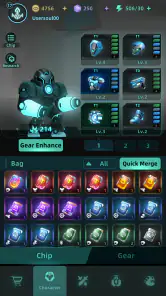
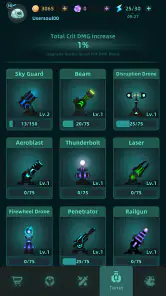
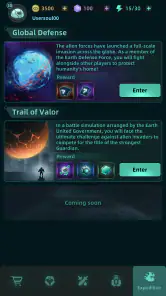
 Analysis by Frivlyz
I like the idea of a strategy game that can be picked up in a shared living room without needing everyone to commit to a long session together. Galaxy Defense: Fortress TD gives that sort of visit-in-and-out premise a clear focus: protect a planet from alien attacks by building and improving defenses. I would treat it as a solo game that people at home can take turns trying, rather than assume it has shared accounts, family settings, or multiplayer coordination.
Taking turns without taking over
On a household tablet or phone, a simple handoff can work well: one person plays a level, then another gets a turn and makes their own tactical choices. The appeal is that tower defense decisions are easy to talk through—where to build, what to improve, and how to respond when an enemy wave becomes difficult—without requiring another player to be logged in at the same time. That makes it a natural fit for casual couch-side commentary, though I would keep progress and device use expectations clear if several people share one device.
A practical routine is to agree on a stopping point before handing the phone over. A level or a natural break is easier to manage than passing the device back and forth during a tense wave. If a younger player is trying it, I would also have an adult handle any purchase decisions and check the device’s usual purchase protections. The game is free to start, but it includes optional in-app purchases, so “free” should not be mistaken for a promise that every available item costs nothing.
What kind of strategy fits a shared device?
The game’s tower placement and upgrade decisions offer more to discuss than a quick reflex challenge. One person can favor strengthening a reliable defense while another experiments with a different approach; that contrast can make turns interesting even when both players are using the same basic tools. I would avoid treating one person’s run as the household’s definitive strategy, though. Part of the pleasure is testing a plan and learning from what happens, rather than having someone else dictate every move.
It is also worth deciding whether each person is comfortable playing from the same device state. I would not assume that separate profiles or individual progress are available. If keeping progress distinct matters, check what the game itself offers before making a shared-device routine around it. For families who mainly want a game with built-in turn-taking, co-op, or clearly separated player records, a title designed around those features may be a better match.
Age, spending, and everyday trust
The game has an Everyone content rating, which makes its stated age context broad, but that does not replace a parent’s judgment about a particular child or household. I would consider whether the player enjoys planning and repeating a challenge, and whether they can use a device responsibly. The more important practical conversation for many families is spending: optional purchases are available, with listed prices ranging from $2.99 to $349.99 per item. That range is a reason to review purchase settings together, not a reason to assume a child will encounter or need a specific item.
For a weekday scenario, I can picture a parent letting a child play during a short wait while dinner is being prepared, then agreeing to stop at the end of a level. The strategy focus gives them something to think about beyond tapping quickly, and the shared-device boundary keeps the session easy to supervise. If the child tends to find it hard to stop mid-challenge, I would choose a game with shorter, more clearly bounded rounds instead.
Gaming Stories You May Enjoy

Dancing Road Turns Short Breaks Into a Test of Rhythm and Timing

Super Stylist Makes Every Outfit a Test of Taste and Patience

Dominoes on Your Terms: Who Should Play and Who Should Pass

Pokémon GO Makes the Familiar World Feel New

Chess.com Turns Rematches Into Rivalries, but Community Has Its Costs

Archery Battle 3D Review: Sharp Aiming, Unclear Feedback
A Cosmic Challenge Awaits
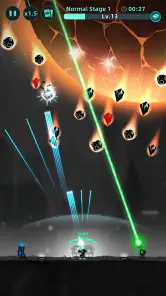
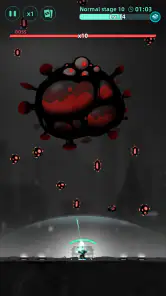
Ever dreamt of defending the galaxy from alien invasions? Well, Galaxy Defense: Fortress TD lets you do just that! The game's premise is simple yet thrilling: you build and upgrade your towers to fend off waves of alien attackers. The graphics are quite stunning, with vibrant colors and detailed animations that make each level a visual delight.
Gameplay Mechanics
The gameplay is where the magic happens. You start with basic towers, and as you progress, you unlock advanced ones with unique abilities. The strategic aspect is truly engaging as you decide the best placement and type of tower for each wave. What's cool is the variety of enemies, each with its own strengths and weaknesses. This keeps you on your toes, constantly adapting your strategy.
The controls are intuitive, making it easy to navigate through the game even if you're playing on a smaller screen. I found myself quickly getting the hang of it, which made the experience all the more enjoyable. Plus, the game runs smoothly, which is a huge plus for any mobile gamer.
Upgrades and Progression
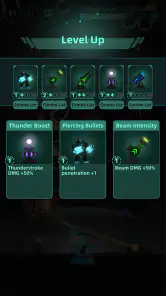
One of the things I really appreciate about Galaxy Defense: Fortress TD is the progression system. As you defeat enemies and complete levels, you earn resources to upgrade your towers. This adds a layer of depth to the game, as you're constantly improving your defenses and unlocking new abilities. The sense of progression is satisfying, and it kept me hooked for hours on end.
There's also the option to customize your strategy further by choosing different tech paths. Whether you prefer a more offensive or defensive approach, there's something for everyone. It's this flexibility that makes the game appealing to a wide range of players.
Planning around its strengths and limits
As a mobile tower defense strategy game, this is most appealing when you want to make a series of small decisions rather than steer a squad through a large map or compete directly against another person. Compared with many strategy games built around real-time multiplayer, its described appeal is more about shaping a defense and reacting to attackers. If your favorite part of strategy is negotiating with teammates or outsmarting a human opponent, a multiplayer-focused alternative will likely suit you better.
For a more deliberate run, I would pay attention to the relationship between placement and upgrades instead of spending resources simply because an upgrade is available. A useful habit is to identify which part of the defense is struggling, then invest with that weakness in mind. When a wave exposes a gap, changing the layout or approach on the next attempt may teach more than repeating the same choices. I would also avoid switching tech paths just for novelty if a current plan is working; experimentation is most useful when you can tell what changed and why.
The progression can be satisfying, but it also means the game may ask for patience from players who want every option immediately. Someone who enjoys gradually opening up strategies will have more reason to stick with it than a player who expects a fully unlocked toolkit from the start. And while the controls felt approachable to me, a small screen can still make detailed choices less comfortable for someone who prefers playing on a larger display. That is a practical trade-off of mobile tower defense rather than a reason to dismiss the game outright.
Who should give it a try?
CyberJoy Game’s strategy title is free to download, and its 4.5 average from around 15,000 ratings suggests it has found an audience. It has over one million installs, is rated Everyone, and its listed release date is April 21, 2025. Version 0.8.3 is the current version, with Android 7.0 as the minimum operating-system requirement. Those details make it easier to judge whether it fits a device and household, while the optional purchases remain something to consider before letting children play freely.
I would recommend trying it if you like choosing where defenses go, improving them over time, and adjusting a plan when enemy types put pressure on it. It can also suit a household where one person enjoys playing and others like offering suggestions from the sofa. I would skip it if you need guaranteed co-op, separate household profiles, a purchase-free experience, or a strategy game centered on direct competition; those are different needs, and a title built around them is the better choice.
Final Thoughts
In conclusion, Galaxy Defense: Fortress TD is a must-try for anyone who loves tower defense games. With its engaging gameplay, stunning visuals, and strategic depth, it offers a comprehensive gaming experience. Whether you're a fan of the genre or just looking for something new to try, this game won't disappoint. So gear up, strategize, and defend the galaxy!
My household verdict is more measured: I see it as a promising choice for a player who enjoys solo planning, and a reasonable shared-device game when turns, spending, and progress expectations are agreed on. Its appeal comes from building a defense and refining it, not from features I would assume exist beyond that core. If that is the kind of focused strategy break you want, it is worth a try; if your household needs built-in coordination or clearly independent play, I would look elsewhere.
Galaxy Defense: Fortress TD Pros and Cons
Pros
- Engaging tower defense gameplay.
- Variety of upgradeable towers.
- Offline play supported.
- Smooth graphics and animations.
- Frequent updates with new content.
Cons
- In-game ads can be intrusive.
- Limited storyline depth.
- Requires strategic planning skills.
- Some levels feel repetitive.
- In-app purchases can be costly.
This Game in Other Languages
Frequently Asked Questions
What is the main objective of Galaxy Defense: Fortress TD?
In Galaxy Defense: Fortress TD, players are tasked with defending their space fortress from waves of alien invaders. The main objective is to strategically place defensive towers and utilize various upgrades to thwart enemy attacks. Players must carefully plan their defenses to protect their base across multiple challenging levels, ensuring their fortress remains intact.
Is Galaxy Defense: Fortress TD suitable for all age groups?
Galaxy Defense: Fortress TD is designed to be engaging for a wide audience, including both younger and older players. While the game features strategic elements that may be complex for very young children, it is generally suitable for ages 10 and up. The gameplay encourages critical thinking and strategic planning, making it a great choice for anyone interested in tower defense games.
Does Galaxy Defense: Fortress TD require an internet connection to play?
Galaxy Defense: Fortress TD can be played offline, which means you don't need a constant internet connection to enjoy the game. However, some features, such as leaderboard updates or in-game purchases, may require internet access. Playing offline allows you to enjoy the game anytime and anywhere without worrying about connectivity issues.
What types of in-game purchases are available in Galaxy Defense: Fortress TD?
In Galaxy Defense: Fortress TD, players can make in-game purchases to enhance their gaming experience. These purchases may include additional resources, tower upgrades, or special abilities that can aid in defense strategies. While the game is free to play, these optional purchases can help players progress more quickly or customize their gameplay experience.
How challenging is Galaxy Defense: Fortress TD for new players?
Galaxy Defense: Fortress TD offers a range of difficulty levels to accommodate both new and experienced players. Beginners may find the initial levels manageable as they learn to strategize and build effective defenses. As players progress, the game introduces more complex challenges that require thoughtful planning and quick decision-making, providing a rewarding experience for those willing to invest time in mastering the game.


