

Gacha Life 2
- Reviews
- 4.2
- Version
- 0.95
- Installs
- 10,000,000+

Screenshots
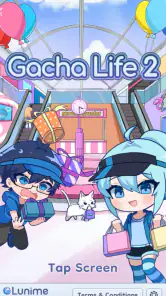
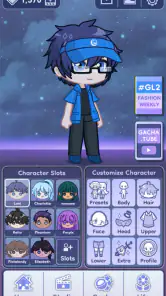
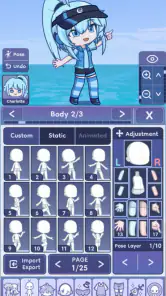
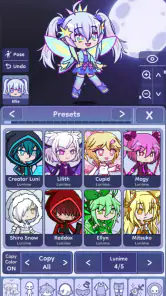


 Analysis by Frivlyz
When I first open Gacha Life 2, the appeal is less about chasing a score and more about seeing what kind of character I can make from a screen full of visual choices. Lunime’s free casual game is built around dressing and creating anime-style characters, and its strongest mood is playful and imaginative. I can spend a short break adjusting a look, or stay longer to sketch out a small cast and imagine how they might fit together. That flexibility is a big part of the draw, though it also means the experience depends heavily on whether you enjoy making things for their own sake.
A creative game with a gentle pace
This is not the sort of casual game I turn to for a sharp challenge or a fast run of levels. The pleasure comes from trying combinations, changing my mind, and gradually giving a character a more distinct look. The relaxed pace suits players who like to create at their own speed, without needing to treat every session as a race toward a finish line. If you want action-led play or a clear sequence of goals, that open-ended quality may feel less satisfying.
That distinction matters when deciding whether to install it. I would recommend it to someone who enjoys anime-inspired design, outfit mixing, and making up personalities or scenes for original characters. It is also an easy fit for a brief, low-pressure session: I can adjust one detail, save a concept in my head, and return to other things without needing to remember a complicated plan. Someone who mainly wants a traditional story campaign, competitive matches, or a puzzle game with steadily increasing difficulty should look elsewhere.
How the visual style supports character making
The art direction gives the customization its identity. The anime look makes hairstyles, clothing, and accessories feel like parts of a shared visual language, so a character can read as cute, dramatic, mysterious, or casual through a few coordinated choices. I find it more rewarding to start with a simple idea—perhaps a color palette or a particular mood—than to add every eye-catching option at once. A limited palette can make a design feel intentional, while too many competing details can leave it visually busy.
A useful way to work is to decide what should stand out before browsing the finer details. If the hair is the focal point, quieter clothing can help it remain readable; if the outfit is the main idea, simpler accessories keep the overall look from becoming crowded. This small bit of restraint makes the process feel more like styling a character than merely filling every available space. It is also a practical approach for anyone who wants a cast whose members look distinct beside one another.
The game’s visual focus is a strength, but it sets expectations: the central pleasure is shaping characters, not exploring a richly simulated world. I would not choose it for environmental discovery or realism. Players who enjoy drawing or fashion games may appreciate the quick visual experimentation, while those who prefer building a detailed setting around their characters may want a separate tool or game alongside it.
Making a small cast instead of a single look
One approach that gives the customization more staying power is to create characters with contrasting roles rather than treating each design as an isolated outfit. I might imagine a confident lead, a reserved friend, and someone with a comic streak, then use different silhouettes and colors to make those personalities easy to tell apart. That turns a collection of individual designs into the beginnings of a story, even before I decide what happens to them.
Gaming Stories You May Enjoy

Dancing Road Turns Short Breaks Into a Test of Rhythm and Timing

Super Stylist Makes Every Outfit a Test of Taste and Patience

Dominoes on Your Terms: Who Should Play and Who Should Pass

Pokémon GO Makes the Familiar World Feel New

Chess.com Turns Rematches Into Rivalries, but Community Has Its Costs

Archery Battle 3D Review: Sharp Aiming, Unclear Feedback
This is also a good way to avoid getting stuck in endless tweaking. I can set a simple rule for each character—one dominant color, one recognizable accessory, or one clear personality impression—and stop when the design communicates that idea. The trade-off is that players who enjoy meticulous adjustment may prefer to keep refining; there is no single correct stopping point. For me, a few strong choices tend to be more memorable than a design overloaded with details.
Create Your Own Universe
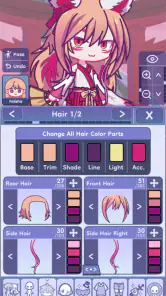
One of the standout features of Gacha Life 2 is the ability to create and customize your own characters. Seriously, the level of detail you can achieve is mind-blowing. From hairstyles to outfits, and even personality traits, you can design each character to reflect your unique style. The app offers a vast selection of clothing items, props, and accessories, so you can mix and match to your heart's content. It's like having a digital closet that never runs out of options!
Story Mode and Mini-Games
But wait, there's more! Gacha Life 2 isn't just about creating characters; it's also about bringing them to life in your own stories. The Story Mode allows you to interact with other characters, embark on adventures, and uncover hidden secrets. It's a great way to flex your creative muscles and see your characters in action.
And if you're in the mood for some light-hearted fun, the mini-games section has got you covered. Whether you're solving puzzles or playing rhythm-based games, there's always something to keep you entertained. Plus, you can earn rewards and unlock new items, which adds an extra layer of excitement to the experience.
Stories, sound, and the rhythm of a session
The storytelling angle works best when I bring my own ideas to it. A scene can be as simple as two characters meeting or as elaborate as a sequence of imagined events; the fun is in giving a visual identity to the people in that scene. I would treat the built-in story elements as prompts and material to play with, rather than expecting a long, tightly paced narrative to carry the whole experience. That makes the game a better companion for creative play than a replacement for a conventional story adventure.
The mini-games offer a change of pace from designing and arranging characters, and their lighter feel makes them useful when I want a more directed activity. They are not the main reason I would recommend the game, though. If I install it primarily for a deep puzzle challenge or a substantial rhythm-game collection, I may find that the character-creation side is the real center of gravity. I see the mini-games as a side activity, not a substitute for a game built around those mechanics.
For an everyday example, imagine having a little time to spare after school or while waiting for someone. I might use that window to choose a theme for one character, adjust the outfit, then try a mini-game when I want a break from making choices. On another day, I could return to the same character and invent a short scene around them. The appeal is that these activities can be approached in small pieces; the experience does not require me to turn every visit into a long session.
Where it sits among casual alternatives
Compared with a typical dress-up game, this offers more room to think of characters as part of a larger cast and story, rather than focusing only on completing one look. Compared with a conventional casual game centered on matching, puzzles, or quick reactions, it gives up some of that clearly defined challenge in exchange for creative freedom. That is a meaningful trade-off, not a universal improvement: I would choose this when I want to design and imagine, and choose a more goal-driven game when I want a clear task and an obvious sense of progress.
It also suits a different kind of creativity from a drawing app. I can experiment with a character’s overall appearance without needing to sketch every detail myself, which lowers the barrier for someone who has ideas but does not want to draw them from scratch. On the other hand, people who want complete control over line work, poses, or a finished illustration may be better served by an art tool. The game’s strength is arranging its own character-design elements, not replacing every creative app.
Gacha Life 2 was released on October 10, 2023, and version 0.95 runs on Android 5.0 or later. It has an Everyone age rating, so its general presentation is accessible to a broad audience. Lunime’s game has a 4.2 average from around 241,000 ratings, and it has been installed over 10 million times. Those figures suggest a sizeable audience, but they do not tell me whether its creative loop will suit an individual player; the key question is whether character-making itself sounds enjoyable.
Small habits that make the creative loop work
When I am designing more than one character, I find it helpful to choose a shared theme first and then give each person one deliberate contrast. A group might share a general palette while differing in silhouette or mood. That approach makes the cast feel connected without making everyone look interchangeable. It is a more useful starting point than opening every category at once and hoping a coherent idea appears by accident.
I also try to separate experimenting from finishing. On the first pass, I test broad choices such as hairstyle and outfit; on the next, I refine accessories and the details that reinforce the character’s personality. This keeps browsing from turning into a loop where I repeatedly undo decisions without knowing why. If I am making a scene, I think about which characters need to be visually distinct at a glance, since a readable cast is more helpful for storytelling than a set of individually elaborate designs.
There is a practical limitation to this kind of freedom: a large choice space can make it hard to settle on a look. Players who enjoy browsing will see that as part of the fun, while someone who wants a fast result may find the same process tiring. I would start with a small design goal and allow myself to stop once it works, instead of expecting every character to be perfect. That keeps the game relaxing rather than turning customization into homework.
Community, privacy, and choosing the right fit
Another aspect that makes Gacha Life 2 so engaging is its social interaction features. You can connect with other players, share your creations, and even participate in community events. It's like being part of a vibrant, creative community where everyone is passionate about storytelling and character design. You might even make some new friends along the way!
However, as with any online community, it's essential to stay mindful of internet safety and privacy. Always be cautious about sharing personal information, and make sure to report any inappropriate behavior.
For younger players, I would keep the focus on the creative side and make sensible choices about any interaction beyond the game itself. A character design can be shared as a piece of work without revealing personal details, and it is worth thinking carefully before adding identifying information to anything posted online. Parents deciding whether it is appropriate for a child can weigh the Everyone rating alongside the fact that community interaction calls for ordinary online-safety awareness.
The game is free, which makes it easy to try without paying upfront. I would still approach it with a clear expectation: the main value is a flexible creative space, not a promise that every session will offer a new objective. If I enjoy making anime-inspired characters, exploring outfits, and inventing little story ideas, that focus is enough. If I need a more structured campaign or want a game whose central loop is competition, puzzles, or action, another casual title is likely a better match.
A welcoming mood, with a specific audience
What I like most is the way the visual style and relaxed pace encourage playful experimentation. The game gives character-making room to breathe, and its side activities can break up a session without taking away that creative center. I would recommend it to people who enjoy dressing up original characters, building a small cast, or turning a few visual ideas into imagined scenes. It is particularly appealing if you like to return to a design over time rather than finish everything in one sitting.
I would be more cautious about recommending it to someone who wants an intricate, plot-led adventure, precise drawing controls, or demanding mechanics. The story and mini-games add variety, but they do not change the basic appeal: this is a character-focused casual game. Knowing that in advance makes it easier to enjoy what it does well and avoid expecting it to fill a different role.
In conclusion, Gacha Life 2 is a delightful app that offers endless possibilities for creativity and fun. Whether you're a seasoned player or new to the world of Gacha, there's something for everyone to enjoy. So, go ahead and dive into the whimsical world of Gacha Life 2, where your imagination is the only limit.
Gacha Life 2 Pros and Cons
Pros
- Diverse character customization options
- Engaging mini-games for extra fun
- Interactive story mode enhances gameplay
- User-friendly interface design
- Regular updates with new content
Cons
- In-app purchases can be expensive
- May contain ads that disrupt gameplay
- Requires internet connection for features
- Some content may not be age-appropriate
- Limited offline functionality
Frequently Asked Questions
What is Gacha Life 2 and how does it differ from the original Gacha Life?
Gacha Life 2 is the enhanced sequel to the popular Gacha Life game, featuring new characters, improved graphics, and more customization options. It retains the core concept of creating and dressing anime-style avatars but offers additional features, such as new mini-games and interactive story modes, which were not available in the original game.
Is Gacha Life 2 free to play or does it require in-app purchases?
Gacha Life 2 is free to download and play, making it accessible to a wide range of users. However, it includes optional in-app purchases that can enhance the gaming experience. These purchases might include exclusive clothing items, accessories, or other customization features that can help players personalize their avatars more distinctly.
What age group is Gacha Life 2 suitable for?
Gacha Life 2 is designed for players of all ages, but it is particularly popular among younger audiences, such as pre-teens and teenagers. The game has an age rating of 9+, meaning it's suitable for children aged 9 and above. Parents should be aware that the game involves social interaction elements, so monitoring gameplay is recommended.
Can I play Gacha Life 2 offline, and what are the system requirements?
Yes, Gacha Life 2 can be played offline, which makes it convenient for users who do not always have internet access. As for system requirements, it runs smoothly on most modern Android and iOS devices. It's recommended to have a device with at least 1GB of RAM to ensure optimal performance and avoid any lag during gameplay.
What kind of content can I create or expect in Gacha Life 2?
In Gacha Life 2, players can create a wide range of content including customized characters, engaging stories, and mini-movies. The game allows for extensive creativity with its dress-up features, character posing, and scene creation tools. Players can expect to engage in various mini-games and interact with other users, adding depth to the overall experience.


