

Funny Beats Spranky
- Reviews
- 3.7
- Version
- 1.6
- Installs
- 500,000+

Screenshots
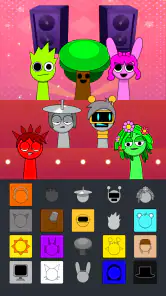
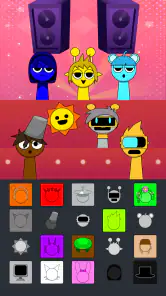
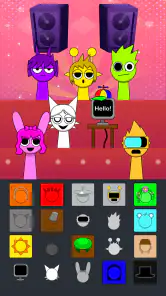
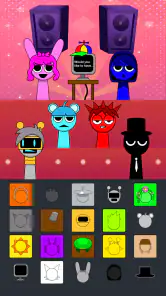
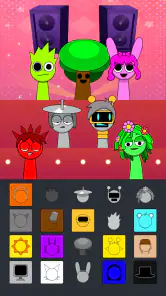
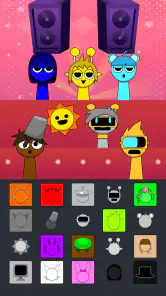
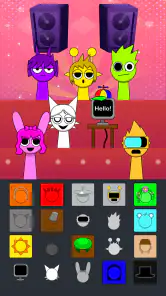
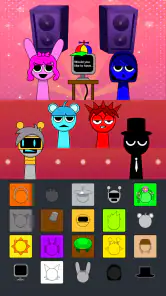
 Analysis by Frivlyz
I tried Funny Beats Spranky as the kind of music game you can pick up when there is a spare moment, rather than something that needs a long, uninterrupted session. That makes it easy to imagine sharing a phone or tablet at home: one person can take a turn, hand it over, and let someone else try to follow the rhythm. The appeal is immediate, but the game is best approached as a light, hands-on diversion, not as a substitute for learning an instrument or listening to music on its own.
A quick turn that works on a shared device
In a household, a rhythm game can become a small turn-taking activity: one player tries a section, another watches, then they swap. I like that format because it gives people something simple to compare without needing a long explanation. The most useful way to share it is to agree on turns before starting, especially if several people want to play. That keeps the device from becoming a tug-of-war and makes it easier for a younger player to enjoy a short session without feeling pressured to keep going.
For a realistic everyday use, imagine waiting for dinner or sitting together during a quiet part of the afternoon. A short attempt can fill that pause, while the music gives everyone a common point of interest. I would keep the volume at a level that suits the room and avoid treating the game as background entertainment when someone else is trying to concentrate. Rhythm play rewards attention, so a calmer moment is usually more enjoyable than squeezing in a round amid conversation and interruptions.
Setting expectations before handing over the screen
If you are sharing one device, it helps to make clear who is playing and when the next person gets a turn. I would also keep the device owner’s usual boundaries in place rather than assuming that a game automatically handles household profiles or separate play histories. In practice, simple coordination does more than complicated rules: decide whether everyone gets one attempt or a short turn, and let the next player know when the screen is ready.
That approach matters because a music game can invite “one more try” when someone nearly gets a sequence right. For a group, I would agree on a natural stopping point before play begins, such as finishing the current attempt and then passing the device along. It makes the activity easier to fit around homework, chores, or other plans, and it avoids turning a casual game into a negotiation over screen time.
Who will enjoy the rhythm challenge
The game is a better fit for people who enjoy reacting to sound and improving through repetition than for players who want a story, exploration, or a deep collection of systems to manage. If you like tapping along to a beat and don’t mind repeating a difficult passage, the basic appeal is easy to understand. If you mainly want to choose songs and listen without interacting, a music player is the more direct option; if you want to build musical skills, a dedicated learning tool is a better match.
Compared with rhythm games that focus on dense patterns or competitive score chasing, this is an approachable kind of pick-up-and-play experience. That simplicity is useful in a shared home, where players may have very different levels of experience. It also means that someone seeking a sustained challenge or a more detailed progression system may find the experience less satisfying. I would treat it as an accessible way to play along with music, not assume it will meet every rhythm-game fan’s expectations.
Gaming Stories You May Enjoy

Dancing Road Turns Short Breaks Into a Test of Rhythm and Timing

Super Stylist Makes Every Outfit a Test of Taste and Patience

Dominoes on Your Terms: Who Should Play and Who Should Pass

Pokémon GO Makes the Familiar World Feel New

Chess.com Turns Rematches Into Rivalries, but Community Has Its Costs

Archery Battle 3D Review: Sharp Aiming, Unclear Feedback
As a music game from PixA Team, Funny Beats Spranky is free to play, has an Everyone age rating, and is listed for devices running Android 6.0 or later. Its current version is 1.6, and it has reached over 500,000 installs. Those details make it easy to consider for a compatible Android device, but they do not tell you whether its style will suit every player. The average rating is 3.7 from around 118 ratings, a useful reminder to approach it with measured expectations rather than assuming universal appeal.
Age, trust, and a sensible first session
An Everyone rating makes the game suitable for a broad audience in the store’s age classification, but I would still choose a first session with the child or other new player rather than handing over a shared device without context. That is a practical way to see whether the pace and interaction suit them, and to set household expectations around turns. The rating is not a promise that every family will make the same decision; adults can judge the game’s fit for the person and situation in front of them.
For parents, the main question is less about the label and more about whether this particular style of play works for the child. A player who enjoys short, sound-led challenges may be content with it, while someone who becomes frustrated by repeating a section might prefer a calmer activity. I would start with a brief try, watch how the player responds, and then decide whether to make it part of a shared routine. That is more useful than assuming a familiar music-game format will suit every age or temperament.
Where it fits among music games
Music games cover a wide range, from relaxed listening experiences to precise, demanding challenges. The appeal here is the direct connection between the beat and the player’s input: you are not just choosing a track, but responding to it. That makes it more active than a playlist and more immediately playful than a lesson app. The trade-off is that it may not offer the breadth or depth that a specialist player wants, so I would choose it for an easy musical diversion rather than as my only music game.
One useful way to decide is to ask what you want from the next few minutes. Choose this when you want to pay attention, follow a rhythm, and give your hands something to do. Choose a music player when you want uninterrupted listening, or a structured practice app when your goal is learning an instrument or reading music. If your household already has several rhythm games, this one is worth trying for a different casual option, but I would not expect it to replace a favorite built around a more specific style of play.
Groove to the Beat
Right off the bat, Funny Beats Spranky greets you with vibrant colors and an interface that's as lively as a Friday night out. The game is all about timing and rhythm, making sure every tap you make is in harmony with the music. As someone who's always been a sucker for games that combine music with gameplay, this one had me hooked.
Game Mechanics
The controls are pretty intuitive. You tap, swipe, and hold to the beat of the music. Sounds simple, right? The challenge, though, lies in the increasing speed and complexity of the tracks as you progress. It's like learning to dance but with your fingers! Each level introduces a fresh track, and the sense of accomplishment when you master a tricky part is unmatched.
What I really appreciate is the variety of music genres available. Whether you're into pop, rock, or electronic, there's something for everyone. The developers have done an excellent job ensuring that the playlists are not only diverse but also updated regularly to keep things fresh.
Visuals and Sound
The aesthetics of Funny Beats Spranky are just as impressive as its gameplay. Bright, colorful animations accompany your every move, making it visually rewarding. But, the real star of the show is the music. The audio quality is top-notch, and playing with headphones on is an experience in itself. The beats are crisp, and each track is crafted to perfection, ensuring they resonate with the gameplay seamlessly.
For shared play, headphones can help one person focus without filling the whole room with sound, but they are not always the best choice when several people are taking turns and watching together. I would keep the device’s audio comfortable for the room and let the next player hear enough to follow the beat. If someone is struggling to time an input, reducing nearby distractions is a more useful first adjustment than expecting them to keep retrying in a noisy setting.
Small choices that make play smoother
A practical tip for a first attempt is to let the player focus on the rhythm rather than trying to chase a perfect run immediately. If the controls feel unfamiliar, a short warm-up gives them a chance to see how taps, swipes, and holds differ before the pace becomes demanding. When playing together, one person can watch the sequence while the other plays, then explain what seemed tricky in plain language. That turns a missed beat into a shared observation instead of a reason to blame the player.
There is also a trade-off in using a shared device: each person may approach timing differently, and the next player may not want to continue from the same point. I would treat each turn as its own try rather than assume that one person’s progress or preferences will suit everyone. This is particularly helpful when an experienced player is sharing with a beginner. Let the less confident player choose when to pass, and keep advice brief; too much coaching can make a simple game feel like a test.
It is reasonable to wonder whether the game is a good choice for a household with mixed ages, whether it works as a short break, and whether it will satisfy someone looking for serious rhythm-game depth. My view is that it can suit a brief shared session when players are comfortable with music-led timing and taking turns. It is less suitable when the group wants a quiet, passive activity, when someone dislikes repeated challenges, or when everyone expects a separate, tailored experience on one device.
Why You Should Give It a Try
If you're looking for a game that offers both fun and a bit of a challenge, then this app is it. It’s perfect for those short breaks during the day when you need a quick musical escape. Plus, it's one of those games where you get better with practice, and trust me, the feeling of finally nailing that difficult track is pure bliss.
I would recommend giving it a try if you want an uncomplicated way to make a spare moment more playful, especially if you enjoy music and don’t mind repeating a section to improve. I would skip it if your main aim is deep customization, passive listening, or structured music education. That distinction is important: the game’s strongest appeal is the immediate rhythm challenge, not fulfilling every possible role a music app might have.
In conclusion, Funny Beats Spranky is a delightful blend of music and gameplay that will keep you entertained for hours. Whether you’re a casual player or a hardcore rhythm game enthusiast, there’s something in it for you. So, put on your headphones, tap to the beat, and let the music take control!
My household verdict
For me, this works best as a casual game that can be passed around, with clear turns and modest expectations. Its music-focused interaction gives a shared screen a simple purpose, while its quick-play appeal makes it easy to fit into a spare moment. I would not choose it as a substitute for a music lesson, a quiet listening session, or a highly specialized rhythm challenge. But for someone who wants to tap along, improve through practice, and occasionally invite another person to try, it is an easy option to consider.
Funny Beats Spranky Pros and Cons
Pros
- Engaging rhythm-based gameplay.
- Colorful and appealing graphics.
- Variety of music tracks.
- Easy to learn controls.
- Frequent updates with new content.
Cons
- Contains in-app purchases.
- Requires internet connection.
- Ads can be intrusive.
- Limited free content.
- Can be challenging for beginners.
Frequently Asked Questions
What is the main objective of Funny Beats Spranky?
Funny Beats Spranky is a rhythm-based game where players must tap on the screen in sync with the beats of catchy music tracks. The main objective is to score points by hitting the notes accurately and maintaining a high streak. As players progress, the levels become more challenging, offering a fun and engaging experience for rhythm game enthusiasts.
Is Funny Beats Spranky suitable for all age groups?
Yes, Funny Beats Spranky is designed to be suitable for players of all ages. With its colorful graphics, easy-to-learn controls, and upbeat music, it appeals to both younger audiences and adults looking for a fun casual game. Parental guidance is not necessary, making it a family-friendly choice.
Does Funny Beats Spranky require an internet connection to play?
No, Funny Beats Spranky can be enjoyed offline without an internet connection. Players can download the game and all its levels to their device, allowing them to play anywhere, anytime. However, an internet connection is needed for updates or to access additional content and features that may be available online.
What are the device requirements to run Funny Beats Spranky smoothly?
Funny Beats Spranky is optimized for both Android and iOS devices. It requires a minimum of iOS 10.0 or Android 5.0, with at least 2GB of RAM for optimal performance. The game runs smoothly on most modern smartphones and tablets, but older devices may experience some lag or longer loading times.
Are there in-app purchases in Funny Beats Spranky?
Yes, Funny Beats Spranky offers optional in-app purchases. While the game is free to download and play, players have the option to purchase additional content such as new music tracks, themes, and customization options. These purchases enhance the gaming experience but are not necessary to enjoy the core game.


