

Forge of Empires: Build a City
- Reviews
- 4.2
- Version
- 1.296.20
- Installs
- 10,000,000+

Screenshots
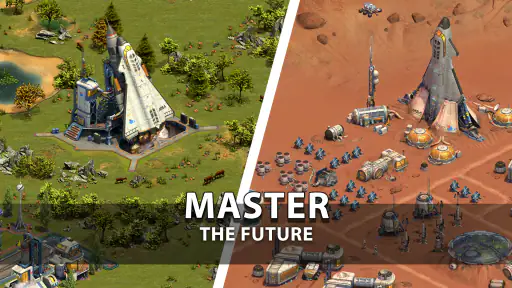
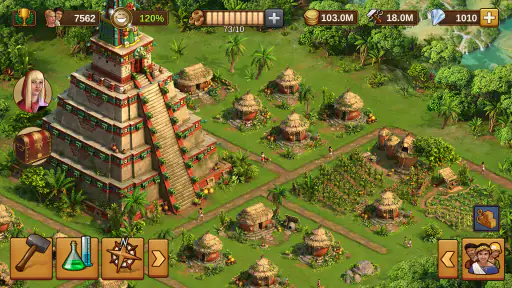
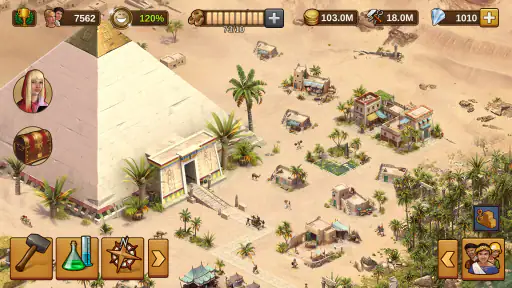
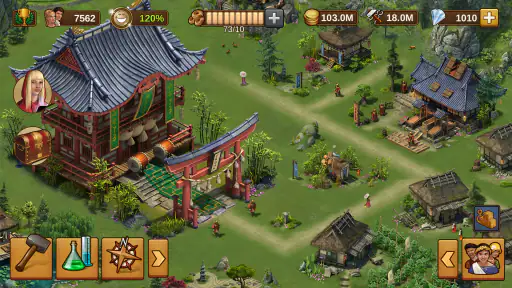
 Analysis by Frivlyz
I like strategy games that let me make a plan, watch it take shape, and then adjust when the plan runs into reality. Forge of Empires: Build a City gets much of its appeal from that steady loop: I develop a settlement, move it through historical eras, and decide how to use limited space and resources. It is a free strategy game from InnoGames GmbH, and its long-running city-building premise works best when I treat it as a gradual project rather than a quick win.
Why advancing through eras changes the way I plan
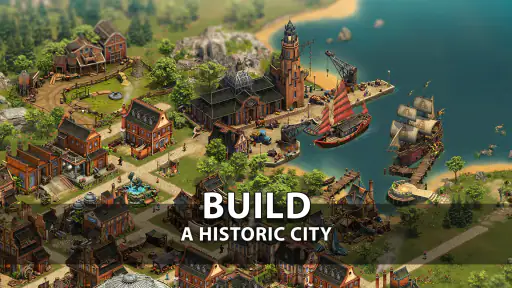
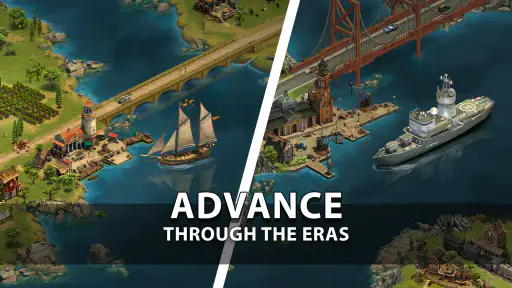
The defining idea is more than placing buildings until the map looks full. Starting in the Stone Age, I guide a small settlement through successive eras, with each step making the city feel like a record of its development. That progression gives ordinary decisions a longer horizon: a building is not only useful now, but part of a town I expect to keep reshaping as it grows.
That is where the game’s strategy feels most personal. I am not simply following a construction checklist; I am deciding what kind of city I can support with the resources and room I have. A new goal may tempt me to expand in one direction, while the layout I have already built makes another route more practical. The pleasure comes from seeing an earlier choice influence what I can do next.
How the city-building loop feels in practice
The opening tutorial helps make the basic rhythm approachable. I collect resources, work through quests, and gradually replace the small-village feeling with a more developed city. For a new player, the useful habit is to pause before adding another building and ask what it contributes to the next step. That small check can make progress feel deliberate instead of turning the map into a collection of disconnected structures.
I also found that the city is easier to manage when I think in short sessions. I can check what needs attention, choose a clear objective, and leave the larger redesign for a time when I can focus. The historical progression makes it tempting to chase the next era immediately, but it is worth taking stock of the settlement I already have. A tidy, purposeful layout is easier to understand later than one built in a rush.
The game’s appeal is supported by a sizeable audience: it has an average rating of 4.2 from around 1.1 million ratings, and more than 10 million installs. Those figures do not tell me whether its pace will suit every player, but they do help explain why its familiar mix of settlement growth and long-term planning has found a broad audience.
Where battles and other players fit
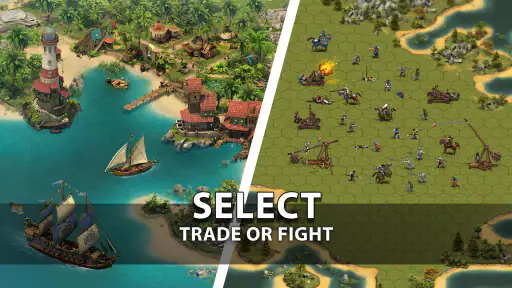
There is more here than arranging a town. The game includes turn-based battles, territorial competition, trading, and guilds, so I can move between managing my settlement and interacting with other players. In combat, the turn-based format rewards thinking about the next move rather than relying on quick reactions. I like that contrast: city planning asks me to consider gradual development, while battles give individual decisions a more immediate focus.
Gaming Stories You May Enjoy

Dancing Road Turns Short Breaks Into a Test of Rhythm and Timing

Super Stylist Makes Every Outfit a Test of Taste and Patience

Dominoes on Your Terms: Who Should Play and Who Should Pass

Pokémon GO Makes the Familiar World Feel New

Chess.com Turns Rematches Into Rivalries, but Community Has Its Costs

Archery Battle 3D Review: Sharp Aiming, Unclear Feedback
Those extra layers are best treated as options, not obligations. If I mainly want a peaceful building experience, I can focus on developing my city; if I enjoy rivalry and cooperation, the competitive and guild elements offer another reason to stay engaged. Joining a guild can make the world feel less solitary, but a player who prefers a completely self-contained experience may not care much about that social side.
A useful routine for a busy day
On an ordinary day, I would open the game between other tasks, check the city, and pick one manageable priority: make progress on a quest, gather what I need for a planned change, or review whether the current layout still serves the next goal. Then I would leave the bigger decisions—such as how to reorganize space or which direction to pursue—for a longer session. That approach suits a game built around gradual development better than expecting a complete transformation in a few minutes.
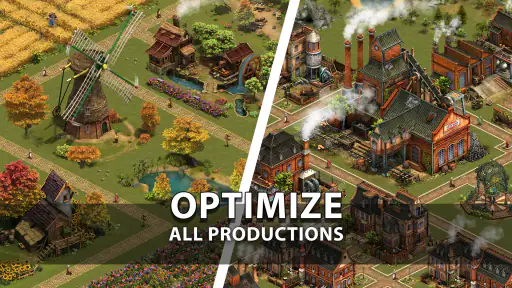
A practical tip is to avoid spending every available resource the moment it arrives. Keeping the next objective in view helps me distinguish between a building that looks attractive and one that actually supports my plan. I also try to review the city after a milestone rather than making small, unrelated changes constantly. The trade-off is that this careful approach can feel slow, but it reduces the sense that I am building without knowing why.
How it compares with other strategy games
Compared with a fast, combat-first strategy game, this one puts more emphasis on the visible evolution of a city across eras. I would choose it when I want to return to a settlement, make considered adjustments, and see its identity change over time. If my priority is immediate action, rapid matches, or a campaign centered on battles, a more focused strategy title may be a better fit. Here, the city is the anchor; competition and combat add variety without replacing that core interest.
It also differs from a purely decorative city builder. The historical progression and strategic decisions give the layout a practical purpose, so I am not only trying to make a pleasing skyline. At the same time, someone who wants an open-ended design sandbox with minimal pressure to manage objectives may find the strategy layer less relaxing. The right comparison depends on whether I want my city to be a plan I keep working through or simply a place to decorate.
Costs, pace, and the kind of player it suits
The game is free to start, with in-app purchases ranging from $0.99 to $199.99 per item. I would go in with a spending limit in mind, especially if I know I am prone to paying to speed up progress. The presence of purchases does not change the basic appeal of planning a city, but it does mean I should decide for myself whether paying for convenience fits how I want to play. Anyone looking for a game with no optional spending at all should take that distinction seriously.
The steady pace is another important trade-off. It gives me room to think and makes long-term growth satisfying, but it is not ideal if I want constant action or a clear ending I can reach in a short sitting. Nor is it the best choice for someone who dislikes managing several connected priorities. I would recommend it to players who enjoy incremental progress and can take pleasure in improving a plan over time, rather than measuring a session only by how much territory they gain.
It is rated Everyone 10+, and the game was released on March 24, 2015. Its current version is 1.296.20, and it requires Android 5.0 or later. The strategy format and historical city theme make it approachable for players who like planning, though the battles and competitive elements may matter less to someone who only wants a quiet building game. In practice, the best way to judge the fit is to ask whether gradual city development sounds satisfying, even when it asks for patience.
The Journey Begins: Building Your Empire
Kicking off in the Stone Age, Forge of Empires: Build a City challenges you to take your small village through various historical eras, all the way to the future. You start with a few huts and a dream. The game does an excellent job at easing you into the gameplay with a comprehensive tutorial. Trust me, it’s not as overwhelming as it sounds!
What I find particularly engaging is the sense of progress. As you gather resources and fulfill quests, your village gradually transforms into a bustling city. The game’s mechanics are simple enough for anyone to grasp, yet they offer depth that keeps you hooked. It’s like a good book you just can’t put down.
Strategy is Key
Let’s talk strategy. The game is not just about building; it’s about making smart decisions. You have to balance resources, manage your city’s economy, and keep your citizens happy. Oh, and did I mention battles? Yes, you can conquer territories and defend your empire against rivals. It’s all about planning your moves and thinking a few steps ahead.
Honestly, there were moments I felt like a chess grandmaster, plotting my way to victory. The battles are turn-based, which means you have to consider each move carefully. It’s not just about brute force; it’s about outsmarting your opponent. That’s where the real fun lies!
A Visual and Interactive Delight
Visually, the game is a treat. The graphics are detailed, and each era has its unique architectural style. It’s fascinating to see how your city evolves over time. The developers have done a stellar job in creating a visually immersive experience. Plus, the interactive elements, like trading and PvP battles, add layers of excitement.
You can also join guilds, which opens up a whole new world of collaboration and competition. It’s like being part of a community where everyone is striving to build the greatest empire. And let’s be real, who doesn’t love a bit of friendly competition?
Final Thoughts: Worth the Download?
If you’re a fan of strategy games, Forge of Empires: Build a City is definitely worth your time. It combines elements of city-building, strategy, and history in a way that’s both entertaining and challenging. Whether you’re a casual player or a hardcore strategist, this game has something for everyone.
So, what are you waiting for? Dive into the world of Forge of Empires and start building your legacy today. Just a heads up, you might find yourself saying, "Just one more turn," more often than you’d like!
Forge of Empires: Build a City Pros and Cons
Pros
- Engaging city-building gameplay.
- Regular updates with new content.
- Strategic combat system.
- Variety of historical eras.
- Strong social interaction.
Cons
- In-app purchases can be pricey.
- Requires constant internet connection.
- Slow progression without spending.
- Occasional game crashes.
- Resource management can be tedious.
Frequently Asked Questions
What is the main objective of Forge of Empires: Build a City?
In Forge of Empires: Build a City, the main objective is to develop and expand your city from the Stone Age to modern times and beyond. Players engage in strategic planning to build and upgrade structures, manage resources, and participate in battles to gain territories and advance through different historical eras.
Is Forge of Empires free to play?
Yes, Forge of Empires is a free-to-play game available on both Android and iOS platforms. However, it includes optional in-app purchases that can enhance the gaming experience by allowing players to buy premium items or speed up progress. These purchases are not necessary to enjoy the game fully.
How does the multiplayer aspect of Forge of Empires work?
Forge of Empires offers a robust multiplayer experience where players can join guilds, trade resources, and compete in player-versus-player (PvP) battles. Teaming up with others in guilds allows for strategic alliances and collective participation in special events and quests. The PvP aspect adds a competitive edge to the gameplay.
What are the system requirements for Forge of Empires on mobile devices?
Forge of Empires requires a stable internet connection and is compatible with devices running Android 4.4 or later and iOS 9.0 or later. It is advisable to have at least 1GB of RAM and sufficient storage space to download and run the game smoothly, ensuring an optimal gaming experience.
Are there any tips for beginners in Forge of Empires?
Beginners in Forge of Empires should focus on balancing their resources and not expanding their city too quickly. It's crucial to prioritize research to unlock new technologies and eras, engage in quests to earn rewards, and strategically plan city layouts. Joining a guild early on can also provide valuable support and resources.


