

Ensemble Stars Music
- Reviews
- 3.3
- Version
- 3.2.7160
- Installs
- 1,000,000+

Screenshots

 Analysis by Frivlyz
I find Ensemble Stars Music most rewarding when I treat it as more than a quick tapping game. It brings together rhythm play, idol characters, and story-focused content, so the appeal depends on whether you enjoy those parts working side by side. If you mainly want a straightforward music challenge with little reading or character interaction, it may feel busier than necessary. If you like returning to a cast and seeing how the game builds its world around performances, there is more here to settle into.
Where new players can get stuck
The first hurdle is deciding what to focus on. The performance side invites you to concentrate on timing and songs, while the story and character elements ask for a different kind of attention. I would not try to absorb everything in one sitting. A better first session is to play a few songs, learn how the controls feel on your device, and then explore the narrative at a pace that suits you. That makes it easier to tell whether the rhythm gameplay itself is enjoyable before you commit to the broader experience.
There is also a practical difference between liking the idea of an idol game and liking its day-to-day rhythm. Character scenes and customization can be a big part of the appeal, but they are not a substitute for enjoying repeated music play. I’d recommend asking yourself which part you expect to return for: improving at songs, following the characters, or simply spending time in the game’s anime-inspired presentation. Knowing that beforehand helps set fair expectations.
Setup checks before settling in
This is a free music game from Eureka Creation Limited, with optional in-app purchases ranging from $0.99 to $99.99 per item. I’d treat the free entry point as a chance to see whether the mix of rhythm play and character content suits you, rather than assuming that every optional purchase is necessary. If you are helping a younger player, remember that its content rating is Teen and that purchases are available; it is sensible to discuss spending before handing over a device.
On Android, the listed minimum operating system is version 6.0. If installation or startup is awkward, a useful first check is whether the device meets that baseline and has enough free space for the game and its files. I also make sure the connection is stable when opening an online game or loading content. These are simple checks, but they can separate a basic device or network issue from a problem with the game itself.
The game is free, but that does not mean every player will find it frictionless. A large character-focused game can ask for more attention than a tiny pick-up-and-play music app, and the available version, 3.2.7160, may not behave identically on every device. I’d keep the app updated through the relevant store and close other demanding apps if performance seems inconsistent. Those steps are more useful than repeatedly tapping through a screen that appears stuck.
The Rhythm and Beat of Ensemble Stars Music
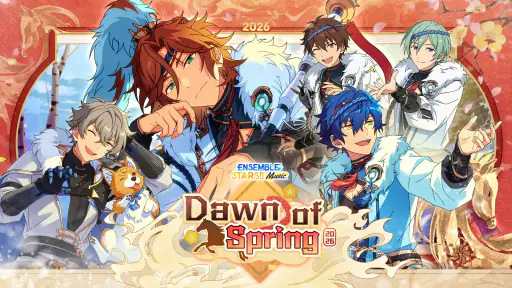
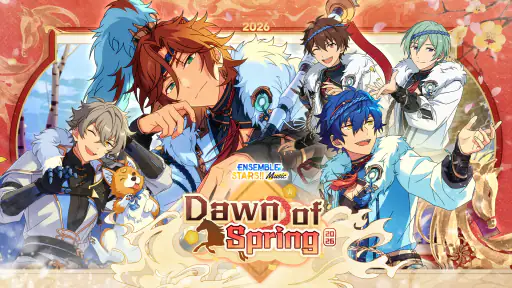
The first thing that caught my attention was the stunning visual presentation. As soon as you open the app, you are greeted with vibrant colors and beautifully designed characters that make you feel like you've stepped into an anime world. The attention to detail in the character animations and background settings is top-notch, making the gameplay experience truly immersive.
Gaming Stories You May Enjoy

Dancing Road Turns Short Breaks Into a Test of Rhythm and Timing

Super Stylist Makes Every Outfit a Test of Taste and Patience

Dominoes on Your Terms: Who Should Play and Who Should Pass

Pokémon GO Makes the Familiar World Feel New

Chess.com Turns Rematches Into Rivalries, but Community Has Its Costs

Archery Battle 3D Review: Sharp Aiming, Unclear Feedback
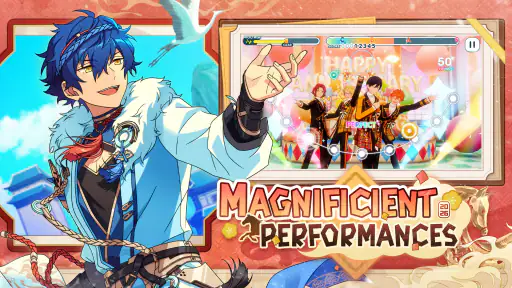
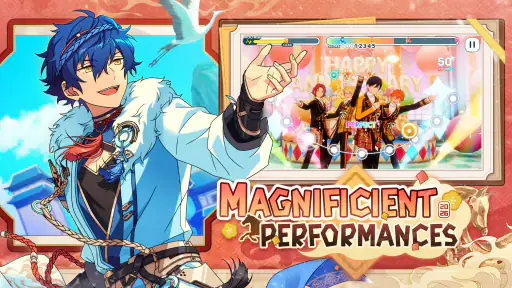
Speaking of gameplay, if you love rhythm games, you’re in for a treat. The game features a variety of catchy songs across different genres, ensuring that there's something for everyone. The controls are intuitive, and the difficulty levels are well-balanced, offering a challenge for both beginners and seasoned players alike. Personally, I found myself tapping along to the beat for hours on end!
Dive into the Story
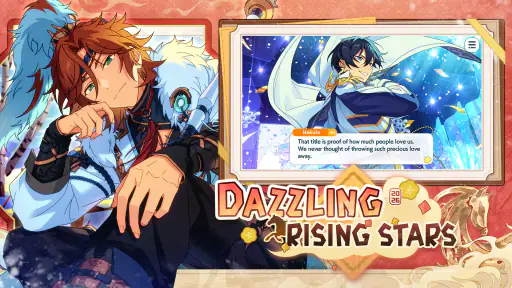
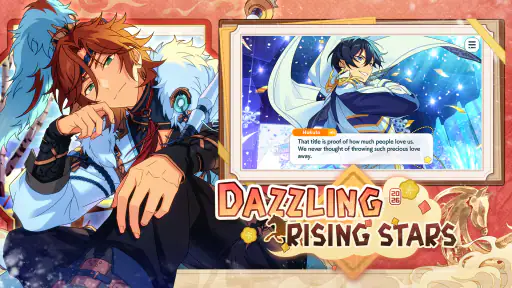
What sets Ensemble Stars Music apart from other rhythm games is its engaging story mode. You get to follow the journey of aspiring idols, each with their own unique personality and backstory. It’s like getting a mini anime series within the game! The narrative is well-written and keeps you invested in the characters’ development. I genuinely enjoyed unlocking new story chapters and watching the characters grow.
Customization and Interaction
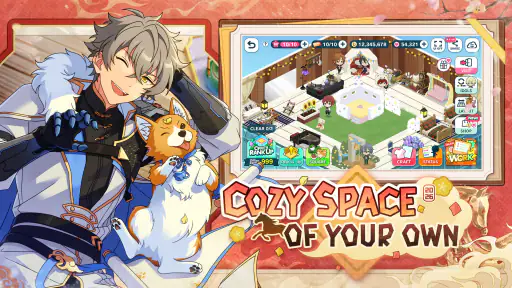
Another feature worth mentioning is the customization options. You can dress up your favorite characters in a variety of outfits and accessories, adding a personal touch to the game. Plus, the app allows for interaction with the characters, offering mini-conversations and events that make you feel more connected to your virtual idols.
For those who enjoy competing, the game offers various events and rankings where you can test your skills against players worldwide. It adds an extra layer of excitement and motivation to improve your rhythm game prowess. I found the competitive aspect both thrilling and rewarding!
A practical routine for songs and story
For an ordinary commute or a short break, I’d keep a session deliberately small: choose a song, focus on the timing, and leave story reading for when I can give it proper attention. That split is useful because rhythm play rewards concentration, while following character scenes is more enjoyable when I’m not watching the clock. If I have a longer quiet evening, I can reverse the order and spend time with the story before playing. The point is not to rush through both modes just because they sit in the same game.
One small but useful habit is to change only one thing at a time when a song feels difficult. I would first pay attention to whether I am losing the beat, missing a particular part of the chart, or simply struggling to see the action clearly. Then I can adjust my approach on the next attempt instead of changing several settings or habits at once. That makes practice less frustrating and helps me decide whether I need more familiarity with the song or a different level of challenge.
How it compares with other music games
Compared with a bare-bones rhythm title built almost entirely around score chasing, this one gives more space to characters, outfits, and narrative. That added context is its main distinction, but it also means it is not the cleanest choice for someone who wants to launch straight into songs and ignore everything else. A player who prefers music challenges without an ongoing fictional world may be happier with a simpler rhythm game. I’d choose this one when the idol setting is part of the attraction, not an extra I plan to skip.
Its competitive events and rankings can provide a reason to revisit songs, but I would not make rankings the only measure of whether I am enjoying it. Score comparison can motivate a focused player; it can also turn a relaxing music session into a routine of chasing better results. I prefer to alternate between playing for improvement and playing simply because I like the song or want to spend time with the cast. That keeps the competitive layer from defining the whole experience.
Recovering when a session goes wrong
If a screen takes longer than expected or a session behaves oddly, I start with the least disruptive steps: check the connection, give loading a moment, then close and reopen the app if it remains unresponsive. I avoid repeatedly tapping buttons while it is still loading, since that can make it harder to tell what the game has registered. If the issue happens during a song, I take note of whether it recurs in the same situation or only once; that distinction helps me judge whether it is a temporary hiccup or a broader device problem.
For rhythm input that feels unreliable, I first test another song or try again when I can hold the device steadily and focus on the beat. A missed note does not automatically mean the controls are faulty: unfamiliar timing, distraction, or a performance slowdown can all make a run feel off. If the same problem continues after restarting and checking the device, I would use the app store’s support route rather than guessing at advanced fixes or deleting local data without knowing the consequences.
When the game may not be the cause
A weak or changing connection can affect the experience of an online title, while a busy device can make animations or input feel less smooth. Before concluding that a song or event is broken, I would check whether other apps are also slow, whether the connection is steady, and whether the device has room to operate comfortably. These checks are especially worthwhile if the problem began suddenly rather than appearing every time I play.
There is a separate question of fit: sometimes nothing is malfunctioning, but the game simply asks for more time or attention than I want to give. If I only want a quick burst of music without story scenes, character customization, or event goals, I would choose a lighter rhythm option. If I enjoy returning to familiar fictional performers and mixing songs with narrative, the extra layers are part of the point rather than clutter.
Who is likely to enjoy it?
I’d recommend it to players who like anime-style idol casts, want music play alongside character stories, and are happy to spend time learning a game’s different sides. Its free starting point also makes it easier to explore before deciding whether the combination works for you. The game has more than a million installs and an average rating of 3.3 from around 20,000 ratings, so I would approach it with curiosity rather than assume it will suit everyone. That mixed reception makes sense for a game whose appeal depends heavily on taste and tolerance for its layered format.
I would steer away if you want a minimalist music game, dislike reading character material, or do not want optional purchases appearing in a free-to-play experience. It is also worth thinking about your available screen time: the game is easier to appreciate when you can separate focused song play from leisurely story browsing. Teen-rated content makes it appropriate for some older players, but families should still make their own judgement about the game and its purchase options.
Practical verdict
In conclusion, Ensemble Stars Music is more than just a rhythm game; it's a beautifully crafted experience that combines music, storytelling, and interaction in a seamless package. Whether you’re in it for the tunes, the tales, or the thrill of competition, there’s plenty to love. So, if you’re looking for a new app to get lost in, give Ensemble Stars Music a try. You might just find your new favorite pastime!
Ensemble Stars Music Pros and Cons
Pros
- Engaging rhythm gameplay
- High-quality 3D graphics
- Diverse character roster
- Frequent event updates
- Strong community support
Cons
- In-app purchases pressure
- Battery intensive
- Limited offline play
- Can be repetitive
- High learning curve
This Game in Other Languages
Frequently Asked Questions
What is Ensemble Stars Music and what can I expect from the game?
Ensemble Stars Music is a popular rhythm game set in a vibrant universe where you manage and guide a group of talented male idols through their musical journey. As a player, you can expect to engage in various rhythm challenges, enjoy beautifully animated music videos, and explore an engaging storyline that unfolds as you progress. The game combines music, strategy, and character development, offering a comprehensive experience for fans of the genre.
What platforms is Ensemble Stars Music available on?
Ensemble Stars Music is available for download on both Android and iOS devices. You can find the game on the Google Play Store for Android users and the Apple App Store for iOS users. The game is free-to-play with optional in-app purchases that enhance the gaming experience by providing additional content and features.
Are there any in-app purchases in Ensemble Stars Music?
Yes, Ensemble Stars Music offers in-app purchases. While the game is free to download and play, players have the option to buy in-game currency and items that can help enhance gameplay or unlock additional content. These purchases can range from new outfits and songs to special items that aid in character development. It’s important for players to manage their spending wisely.
How does the rhythm gameplay work in Ensemble Stars Music?
The rhythm gameplay in Ensemble Stars Music involves tapping, holding, and swiping on the screen in time with the music notes that appear. Players are required to follow these notes to score points and progress in the game. The difficulty can vary from song to song, providing a challenge for both new players and experienced rhythm game enthusiasts. Mastering the timing and patterns is key to achieving high scores.
Is there a storyline in Ensemble Stars Music?
Yes, Ensemble Stars Music features an engaging storyline that accompanies the rhythm gameplay. Players are introduced to a variety of idol characters, each with their own backstories and personalities. As you progress through the game, you'll uncover more about these characters, their friendships, and rivalries, which adds depth to the overall gaming experience. The storyline is a major draw for fans who enjoy narrative-driven games.


