

Dribble Hoops
- Reviews
- 4.5
- Version
- 3.9
- Installs
- 1,000,000+

Screenshots



 Analysis by Frivlyz
When I want a quick basketball game rather than a full sports simulation, I look for something I can understand in moments and enjoy in short bursts. Dribble Hoops is built around that lighter appeal: its focus is the pleasure of handling the ball and getting a shot away, not managing a team or reproducing every part of a real match. I’d consider it for a spare few minutes, a brief break, or a casual challenge when I don’t want to commit to a long session.
That simple premise also shapes what I expect from it. A compact arcade-style basketball game can be satisfying when each attempt gives me a clear reason to try again, but it is not a substitute for a deeper sports game if tactics, realistic matches, or detailed team control are what I enjoy most. My impression is that the appeal here lies in keeping the action approachable and the next attempt tempting.
Gameplay That Keeps You On Your Toes
When it comes to mobile games, I’m all about simplicity and engagement, and Dribble Hoops delivers just that. The game is all about dribbling, shooting, and scoring, but it's not your standard basketball game. The controls are intuitive, allowing you to swipe and tap your way to victory. It’s easy to pick up but challenging enough to keep you hooked. I found myself constantly trying to beat my previous scores, and trust me, once you start, it’s hard to stop!
That score-chasing loop gives the opening minutes a clear purpose: learn the basic action, make an attempt, and see whether the next one goes better. I find this kind of immediate goal more useful than a complicated tutorial when I’m only opening a game during a short pause. It also makes the game easy to recommend to someone who likes basketball but doesn’t want to study a full set of rules before playing.
For a more deliberate session, I’d treat each run as practice rather than mindless repetition. Pay attention to how your timing and input affect a shot, then change one thing at a time on the next attempt. That small habit can make a simple control scheme feel more rewarding: instead of swiping randomly, you have a specific adjustment to test. It is a practical way to keep early play engaging even when the basic objective is easy to understand.
Early goals and signs of progress
The most approachable goal is also the most personal one: improve on your own previous result. That gives a new player a target without requiring a rival, a team, or a long-term plan. I like that as a starting point because it lets me judge progress against my own learning rather than assume I should immediately compete with experienced players.
As you play, progress is most satisfying when it comes from noticing what you can control: getting more comfortable with the swipe-and-tap rhythm and making a better attempt than before. I wouldn’t mistake a single strong result for mastery, though. A good score can come from a moment of clean execution, while consistency takes repeated practice. Keeping that distinction in mind makes the challenge feel fairer and prevents a short slump from seeming like a reason to give up.
Gaming Stories You May Enjoy

Dancing Road Turns Short Breaks Into a Test of Rhythm and Timing

Super Stylist Makes Every Outfit a Test of Taste and Patience

Dominoes on Your Terms: Who Should Play and Who Should Pass

Pokémon GO Makes the Familiar World Feel New

Chess.com Turns Rematches Into Rivalries, but Community Has Its Costs

Archery Battle 3D Review: Sharp Aiming, Unclear Feedback
There’s a useful everyday way to approach it: start a session with one modest aim, such as making your inputs more deliberate, and finish when you’ve had a few focused tries. That is more rewarding than keeping the game open simply because another attempt is available. The game suits short play, but you still get more out of it when each restart has a purpose.
Graphics and Sound That Set the Mood
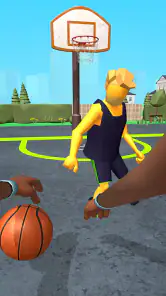
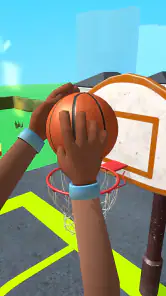
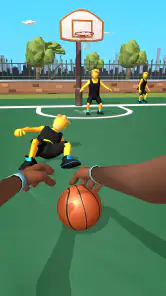
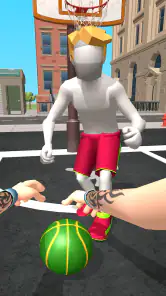
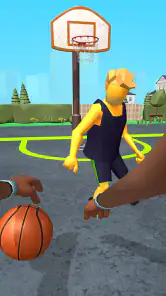
Now, let’s talk about the visuals. The game boasts vibrant graphics that are both colorful and inviting. The animations are smooth, making every successful shot feel satisfying. Plus, the sound effects and background music are on point, adding to the overall excitement of the game. It’s like having a mini basketball arena in your pocket!
Those presentation choices matter because the core action is intentionally straightforward. Clear, lively visuals help a successful attempt feel distinct from a miss, while the sound gives each result a little extra energy. For me, that makes a quick round feel complete rather than like a bare score counter. If I’m playing somewhere quiet, I can still enjoy the visual feedback; if I want the full arcade atmosphere, sound adds to the mood.
The trade-off is that presentation cannot replace depth. Bright graphics and satisfying effects make repeated attempts more pleasant, but they won’t be enough for someone who needs a changing match scenario or a detailed basketball simulation to stay interested. I’d think of the look and sound as good support for the quick-play idea, not a promise that every session will feel dramatically different.
Difficulty, customization, and challenges
One of the things I love about Dribble Hoops is the ability to customize your character. From changing outfits to upgrading skills, the game gives you the freedom to personalize your experience. And if you’re competitive like me, the game’s various challenges and tournaments will definitely keep you entertained. Each level offers something new, ensuring that the game doesn’t get stale.
Personalization can make returning feel more individual, but I’d separate cosmetic choice from practical improvement when deciding what matters to me. Changing an outfit is about making the character feel like yours; upgrading skills, as described in the game experience, points toward improving how play feels. If I’m unsure what to focus on, I’d first work out whether I want a visual change or a more capable character, rather than treating every option as equally important.
Challenges and tournaments offer a different kind of motivation from beating a personal score: they give competitive players a reason to test themselves beyond a single casual run. The difficulty curve is most appealing when it asks me to sharpen my timing gradually, rather than expecting a newcomer to perform perfectly at once. Still, if a challenge starts to feel like work, I’d return to ordinary attempts for a while. A casual sports game should be enjoyable, and forcing progress through frustration can make its simple loop feel repetitive.
For someone deciding whether to stick with it, a good test is whether the goals still feel inviting after the first burst of novelty. If improving a result, exploring customization, or taking on a challenge gives you a reason to open the game again, the progression has done its job. If you mainly want a realistic match with teammates and tactical decisions, these lighter goals may not provide the kind of long-term variety you’re after.
Retention pressure and everyday play
Another cool feature is the leaderboard. Competing against other players globally adds an extra layer of thrill. It’s always exciting to see your name climb up the ranks!
A leaderboard can turn a personal score into a social comparison, which is fun when I want a clear target beyond my last attempt. I’d use it as an optional nudge, not as the only measure of whether I’m enjoying the game. Rankings can make a familiar action feel fresh, but they can also make a relaxed session feel like a demand to keep chasing other players. If that pressure starts to outweigh the fun, switching back to a personal goal is a sensible way to keep the experience casual.
One realistic use case is waiting for a friend or taking a short break between tasks. I can play a few attempts, pay attention to whether I’m improving, and put the phone away without needing to remember a complicated story or match plan. That makes the game more suitable for spare moments than for a long evening devoted to a sports title. It is also why I’d skip it if I wanted a game built around extended matches, detailed strategy, or a full season-like commitment.
Compared with management games and more simulation-focused basketball alternatives, this one asks for less planning and gives more room to focus on the immediate action. That is a strength if I want quick, hands-on play; it is a limitation if I want to control a whole side or make tactical choices. Compared with other casual sports games, its appeal depends on whether the dribbling-and-scoring focus feels satisfying to you. I would choose it for a light basketball break, not as my only option for every kind of sports gaming.
Who it suits, and what to know before downloading
VOODOO’s sports game is free to download, and its age rating is Everyone, making it an easy one to consider for a broad audience. It has an average rating of 4.5 from around 7.8 thousand ratings, with over a million installs. Those figures suggest plenty of players have tried it, but I’d still make the decision based on the style of play: the key question is whether short, skill-focused basketball attempts sound fun to you.
The current version is 3.9, and it requires Android 7.0 or later. In-app purchases are available at $3.49 per item. I’d keep that in mind if I’m downloading a free game for someone else or trying to keep spending controlled: the download itself costs nothing, but optional purchases can still be part of the experience. I’d decide what I’m comfortable with before handing over a device, especially if a younger player will be using it.
For a first session, I’d try the core controls before worrying about the leaderboard or customization. Once the basic rhythm makes sense, I’d choose one kind of goal—improving my own result, experimenting with character options, or taking on a challenge—and see which one actually makes me want to return. That order helps answer the practical question of whether there is enough here for me without turning a casual game into a checklist.
The game is best for basketball fans who enjoy quick arcade action, people who like chasing a personal best, and anyone looking for a low-commitment sports game. It is less suited to players who expect realistic team control, lengthy matches, or a deep simulation. I’d also move on if repeated attempts stop feeling satisfying; the straightforward premise is a strength only while its rhythm holds your attention.
Final Thoughts
Overall, if you’re looking for a casual game that offers both fun and challenge, Dribble Hoops is a great choice. It’s perfect for those moments when you need a quick gaming fix or want to unwind after a long day. The game’s engaging gameplay, stunning graphics, and competitive elements make it a must-have for any basketball fan. So, lace up your virtual sneakers and get ready to shoot some hoops. You won’t regret it!
My more measured recommendation is to try it when you want a short, approachable basketball diversion, not when you’re searching for a complete substitute for a console-style sports game. The strongest reason to keep playing is the small satisfaction of making a better attempt and deciding what to tackle next; the clearest reason to stop is when that loop begins to feel like repetition rather than progress. If you enjoy quick goals and light competition, it is an easy game to fit into a spare moment.
Dribble Hoops Pros and Cons
Pros
- Engaging gameplay mechanics
- Smooth and responsive controls
- Diverse range of challenges
- Visually appealing graphics
- Regular updates and improvements
Cons
- In-app purchases can be expensive
- Occasional ads disrupt gameplay
- Requires persistent internet connection
- Limited offline features
- Some levels can be repetitive
Frequently Asked Questions
What is Dribble Hoops?
Dribble Hoops is an engaging basketball-themed game available on both Android and iOS platforms. It simulates a realistic basketball experience where players can showcase their dribbling skills, perform slam dunks, and compete in various challenges. The game is designed for a wide audience, from casual players to basketball enthusiasts seeking a fun and interactive way to enjoy the sport on their mobile devices.
Is Dribble Hoops free to play?
Yes, Dribble Hoops is free to download and play on both the Google Play Store and the Apple App Store. However, while the game offers a wide range of free content, there are optional in-app purchases available. These purchases can enhance the gaming experience by unlocking special features, cosmetic items, or additional challenges. Players can enjoy the game fully without spending money, but the option for extra content is available for those interested.
What are the system requirements for Dribble Hoops?
Dribble Hoops requires a device running Android 5.0 or later, or iOS 10.0 or later. The game is optimized to run smoothly on most modern smartphones and tablets. For the best experience, it's recommended to have at least 1 GB of free storage space and a stable internet connection, especially for features that involve online play or updates.
Can I play Dribble Hoops offline?
Yes, Dribble Hoops can be played offline, allowing players to enjoy the game without an internet connection. This is particularly useful for players who want to practice their basketball skills on the go. However, certain features, such as online multiplayer modes or daily challenges, may require an internet connection to function properly. It's advisable to connect to the internet periodically to receive updates and new content.
How do I improve my skills in Dribble Hoops?
Improving skills in Dribble Hoops involves regular practice and participation in various in-game challenges. Players should focus on mastering the basic controls, such as dribbling and shooting, before advancing to more complex moves like slam dunks. The game offers tutorials and practice modes that help players refine their techniques. Additionally, observing experienced players through online leaderboards or gameplay videos can provide valuable insights and strategies to enhance one's performance.


