

Drag Racing: Streets
- Reviews
- 4.5
- Version
- 4.8.0.g
- Installs
- 10,000,000+

Screenshots
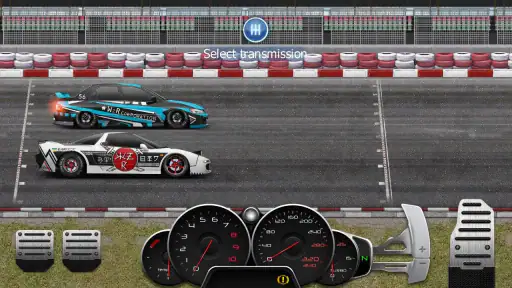
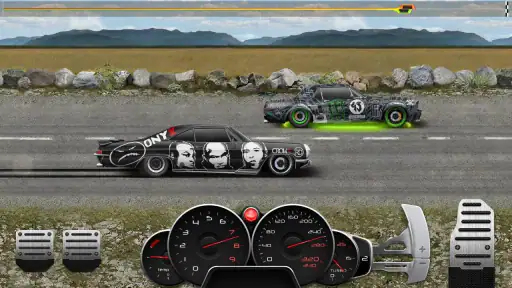
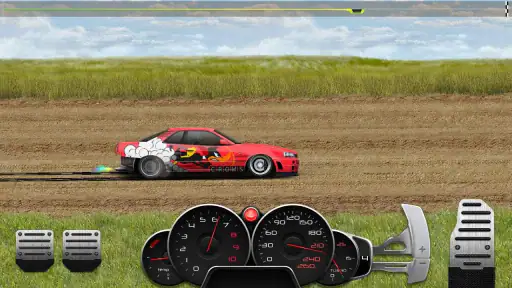
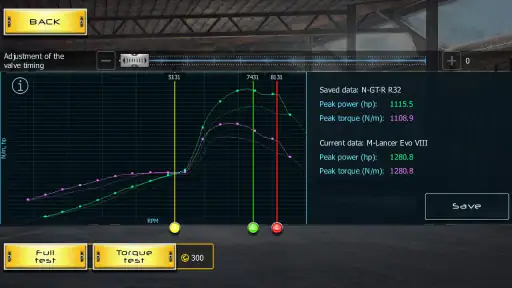
 Analysis by Frivlyz
What makes Drag Racing: Streets stand out to me is how much attention it gives to the relationship between a car’s setup and a short race. Instead of asking you to steer through a long course, it puts the focus on getting a prepared car off the line and making the right decisions as the run unfolds. That gives each attempt a clear purpose: tune, test, and work out what to change next.
A drag racer built around setup
That focus suits a racing game because the preparation is not just decoration. Adjusting a car can change how it feels in a run, so I find myself thinking about the vehicle as a project rather than simply choosing the fastest-looking option. The appeal is in making small decisions, taking the car back to a race, and seeing whether the result feels better. If you enjoy tinkering as much as winning, that loop is the main draw.
The game is made by Code Prime and is free to download, with optional in-app purchases ranging from $0.99 to $119.99 per item. It has a 4.5 average from around 370,000 ratings, and has passed 10 million installs. Those figures suggest a broad audience, but they do not change the basic question for a new player: do you enjoy focused drag racing and car adjustment? That matters more than popularity if you are choosing something to play in spare moments.
Why the physical model matters
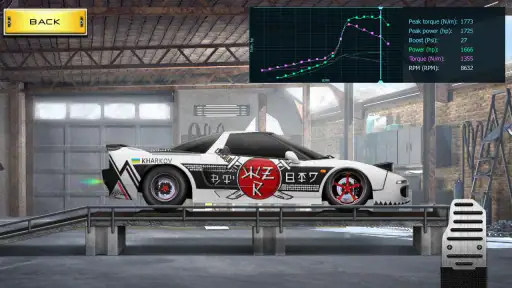
The game’s central idea is a drag-racing experience shaped by a physical model. In practice, that gives the setup side a reason to matter: a car is not only a skin or a name on a selection screen. You are encouraged to consider how changes affect the run, then learn from the result. I like that cause-and-effect approach because it makes experimentation feel purposeful rather than like a checklist of upgrades.
That also means there is a little more to the game than tapping through races. A useful habit is to change one part of your setup at a time, then compare the next run with the previous one. If you overhaul several things at once, it is harder to tell which choice helped. This small, patient approach makes the tuning feel more readable and helps avoid spending resources on changes you do not understand yet.
How the racing loop plays out
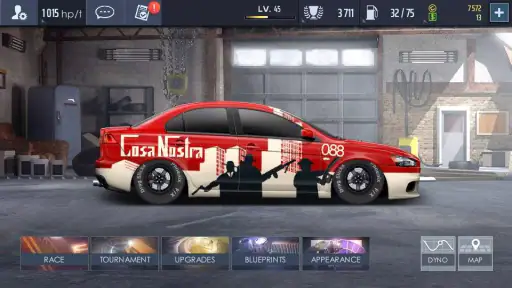
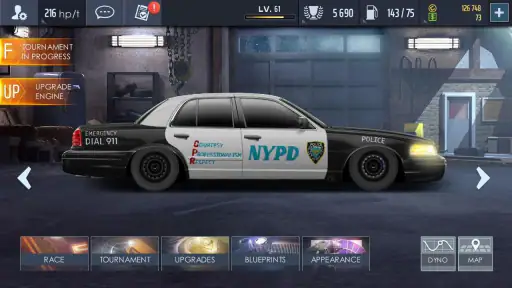
When you first open Drag Racing: Streets, you’re greeted with an array of cars that are just begging to be driven. The game offers a wide selection of vehicles ranging from everyday cars to high-performance beasts. And the best part? You can customize them to your heart's content. From engines to paint jobs, the customization options are vast, giving you the freedom to create a car that’s uniquely yours.
Customization Galore
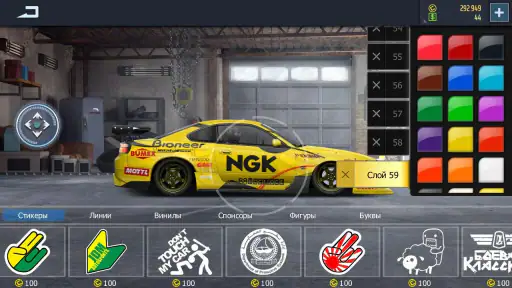
The customization feature is where the game truly shines. You can tweak everything from the suspension to the exhaust, and even adjust the nitrous levels. It’s like having a mini auto shop right on your phone. This level of detail allows you to tailor your car's performance precisely to your racing style. Want a car that’s all about speed? Or maybe one that’s got incredible handling? You’ve got the tools to make it happen.
Gaming Stories You May Enjoy

Dancing Road Turns Short Breaks Into a Test of Rhythm and Timing

Super Stylist Makes Every Outfit a Test of Taste and Patience

Dominoes on Your Terms: Who Should Play and Who Should Pass

Pokémon GO Makes the Familiar World Feel New

Chess.com Turns Rematches Into Rivalries, but Community Has Its Costs

Archery Battle 3D Review: Sharp Aiming, Unclear Feedback
For a new player, I would treat those options as a series of questions rather than a demand to perfect everything immediately. Pick a clear goal for the car, make a focused adjustment, and use a race to see how it behaves. Keeping notes mentally—or even jotting down what you changed—can make repeated tuning less confusing. This is especially useful when you are still learning which setup choices suit your preferred way of racing.
Cosmetic choices have a different kind of value. Paint and appearance can make a car feel personal, but they should not be confused with performance decisions. I would decide whether I am in the mood to express a style or improve a run, then spend accordingly. Separating those aims helps keep the garage enjoyable without turning every customization screen into a hunt for a competitive advantage.
Racing Dynamics
Now, let’s talk about the races themselves. The controls are intuitive, which is crucial when you’re trying to shave off those precious milliseconds. The game does a fantastic job of balancing simplicity with the thrill of speed. You’re not just mashing buttons; you’re timing your shifts and managing your nitrous for that perfect run. And trust me, nailing a perfect shift is just as satisfying as it sounds.
The short-run format makes each race easy to fit into a small break, but it also makes mistakes conspicuous. A missed shift or poorly timed boost can matter more than it would in a longer event where a player has time to recover. I find that this creates a satisfying learning curve when I am focused, though it can feel unforgiving if I want to play casually without paying attention.
A practical way to improve is to avoid changing the car after every disappointing result. First, repeat the run with the same setup and concentrate on timing. If the result still feels limited, then try a tuning change. That separates driving practice from vehicle adjustments and gives you a better sense of what actually needs work. It is a more useful routine than treating every loss as proof that the car needs another upgrade.
Choosing a mode for your mood
There’s no shortage of things to do in Drag Racing: Streets. The game offers several modes, including online multiplayer for when you want to test your skills against other players. There are also daily challenges and tournaments that keep things fresh and exciting. Each mode offers unique rewards, which can be used to upgrade your car or buy new ones.
These options give the game two useful rhythms. A quick session can be a single race or challenge, while a more competitive stretch can mean testing yourself against other players. I would start with the mode that lets me get comfortable with the controls and my car before treating multiplayer as a measure of skill. That way, a loss against another player is less likely to be confusing: I can tell whether I need to practise timing or revisit the setup.
Daily challenges can also give a session a simple target when you do not feel like deciding what to do next. Tournaments suit players who want a longer-term reason to return. The trade-off is that scheduled or repeatable goals can make play feel like an obligation if you try to keep up every day. I would use them as optional structure, not as a task list that has to be cleared.
Where it fits among racing games
Compared with the usual mobile racing alternatives, this is a more specialized choice. If you want winding circuits, constant steering, and a sense of travelling through a changing environment, a conventional track racer is likely to offer more of that. Here, the pleasure is narrower and more deliberate: tune a car, focus on a straight-line contest, and refine the run. That focus is a strength for car-minded players, but it can also make the experience feel repetitive to someone who needs varied courses or a story-driven campaign.
It is also different from a purely arcade racer where vehicle choice matters less than quick reflexes and flashy action. The tuning emphasis gives patient players something to think about between races. The cost is that experimentation can ask for attention, and optional purchases may tempt players who want to move faster through progression. Since the game is free to start, I would first see whether its driving and adjustment loop holds my interest before considering any purchase.
For an everyday example, imagine having ten minutes while waiting for a ride. You can take a car into a short race, notice that your shifting needs practice, and use the next attempt to work on timing rather than rebuilding the whole vehicle. On a longer evening session, you can compare setups and try a challenge or multiplayer. The game works best when you choose one small objective for each visit instead of expecting every session to deliver a completely different kind of racing.
Sound, presentation, and the feel of a run
The graphics are impressive for a mobile game. The cars look detailed, and the tracks are well-designed, making each race a visual treat. The sound design also deserves a mention; the roar of the engines, the screeching tires, it all adds to the immersive experience. It’s like having your own personal race track everywhere you go.
Presentation helps make repeated attempts feel lively, but it is the feedback of a run that matters most to me. When I am focused on shifting and boost timing, the sound and visual cues give the race some energy without changing its central task. Players who mainly want scenic exploration may find that the presentation cannot compensate for the limited kind of racing; people who enjoy concentrating on a launch and a clean run are more likely to appreciate it.
Support and staying power
One of the things I love about Drag Racing: Streets is its active community. The developers seem to genuinely care about player feedback and regularly release updates that add new features and fix any issues. This ongoing support keeps the game fresh and engaging, ensuring that players always have something to look forward to.
For a player deciding whether to settle in, the current version is 4.8.0.g, and the game was released on June 18, 2017. It is rated Everyone and requires Android 6.0 or later. Those details make it easier to judge basic suitability and compatibility before installing, while the free price means there is no upfront cost to try the core experience. The in-app purchase range is broad, so I would be deliberate about spending and check that a purchase is something I actually want rather than a response to one frustrating race.
Who will enjoy it—and who may not
I would recommend this to someone who likes cars, enjoys testing small changes, and finds satisfaction in improving a repeated performance. It is particularly well suited to players who want races that can fit into a short break but still reward attention. The ability to shape a car and then feel the difference in a run gives those players a reason to return beyond simply collecting victories.
I would steer away from it if my main priority were free-roaming driving, elaborate tracks, or a broad mix of racing disciplines. It is also not ideal when I want a game that can be played entirely on autopilot: timing and tuning are central to its appeal, so distracted play can make runs feel flat. Someone who dislikes progression systems or optional spending prompts may also prefer a simpler, self-contained racer.
Overall, Drag Racing: Streets works best when I approach it as a compact tuning-and-timing game, not as a substitute for every kind of racing title. The free download gives car fans an easy way to try that focused loop, while the Everyone rating and Android 6.0 minimum make its basic audience and device requirement clear. If the idea of refining a setup, practising shifts, and chasing a cleaner run sounds more appealing than steering around a long circuit, I think it is worth a try. If you want variety above all else, a broader racing game will probably suit you better.
Drag Racing: Streets Pros and Cons
Pros
- Realistic driving dynamics enhance gameplay.
- Wide variety of cars to customize.
- Engaging multiplayer mode available.
- Regular updates with new features.
- Graphics are crisp and detailed.
Cons
- In-app purchases can be pricey.
- Requires stable internet for multiplayer.
- Some ads can interrupt gameplay.
- Initial learning curve for new players.
- Occasional bugs in older devices.
This Game in Other Languages
Frequently Asked Questions
What is the main objective of Drag Racing: Streets?
Drag Racing: Streets is a competitive racing game focused on street drag racing. The main objective is to build, customize, and race your car on various tracks, aiming to outpace opponents and earn rewards. The game emphasizes realistic physics, allowing players to experience authentic street racing dynamics.
How does the customization system work in Drag Racing: Streets?
The customization system in Drag Racing: Streets is extensive, allowing players to modify their cars' appearance and performance. You can upgrade engines, change tires, and adjust aerodynamics. Visual customization includes paint jobs and decals. This flexibility enables players to tailor their vehicles to suit specific racing strategies and personal style.
Is an internet connection required to play Drag Racing: Streets?
Yes, an internet connection is required to play Drag Racing: Streets. The game features online multiplayer modes where you can challenge other players worldwide. Additionally, regular updates and events are available online, providing fresh content and new challenges to keep the gameplay engaging.
What types of races are available in Drag Racing: Streets?
Drag Racing: Streets offers a variety of race types, including single races, tournaments, and a career mode. Players can participate in time trials and compete in online multiplayer duels. Each mode provides different challenges and rewards, catering to both casual players and those seeking competitive racing experiences.
Are there in-app purchases in Drag Racing: Streets?
Yes, Drag Racing: Streets includes in-app purchases. Players can buy in-game currency and special packages to accelerate progress or acquire exclusive items. While purchases can enhance the gaming experience, they are optional, and players can still enjoy the game fully without spending real money.


