

Door Kickers
- Reviews
- 4.2
- Version
- Varies with device
- Installs
- 500,000+

Screenshots
 Analysis by Frivlyz
When I want a strategy game that makes me think through a room before I move, Door Kickers is the kind of challenge I reach for. It puts the focus on directing a SWAT squad through dangerous situations, where a quick plan can matter more than quick fingers. I find its best moments come not from rushing, but from spotting what could go wrong and deciding how much risk I am willing to take.
Choosing a plan before the action starts
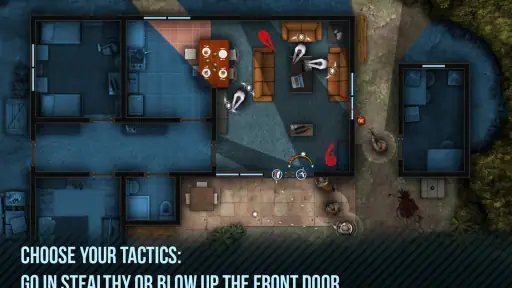
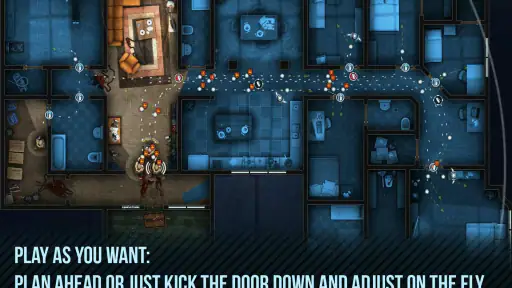
The top-down view makes it easier to think in routes and angles rather than simply watching a firefight unfold. I can consider where the squad should go and how their movements fit together, then use the pause function to issue commands before letting the action continue. That combination creates a useful planning rhythm: observe, make a decision, and see how it plays out. It is a good fit for players who like controlling a situation step by step, though anyone looking for a hands-off game may find the amount of attention it asks for tiring.
A practical way to approach a difficult mission is to avoid treating the first idea as the only idea. I use the bird’s-eye perspective to look over the space, think about which route exposes the squad to the least uncertainty, and pause when I need to reconsider what I have ordered. The point is not to make every move slowly; it is to spend attention where it can change the outcome. That distinction makes the game more satisfying than a strategy title built around constant rapid clicking.
When a careful approach pays off
The reward for planning is a run that feels coordinated, but there is a trade-off: a plan can look sensible and still fall apart once the action begins. I find that tension more interesting than a game where a single obvious tactic works every time. If a move goes badly, it gives me a reason to rethink the route or timing rather than blame the controls. That makes patience valuable, but it also means the game is not ideal for someone who wants a relaxed session with little pressure or consequence.
For an everyday example, imagine having a short break and wanting to play one focused mission rather than settle in for a long session. I would use that time to examine the layout, choose a simple approach, and pause to adjust if the opening does not go as expected. If I am tired or distracted, I would save it for later: the tactical decisions are the point, and playing on autopilot takes away much of the satisfaction. It suits a player who enjoys concentrating on a compact problem more than someone seeking an easy background game.
The game’s overall focus is reflected in its release on September 3, 2015, and it comes from KillHouse Games. It is a paid strategy game, listed at $3.99, with a Teen age rating. Its average rating is 4.2 from around 20,000 ratings, and it has over 500,000 installs. Those figures suggest it has found an audience, but they do not determine whether its deliberate, tactical style will suit you. I would weigh the price against how much you enjoy replaying missions and refining plans, rather than expecting a broad collection of unrelated activities.
Getting Started with Door Kickers
So, I installed Door Kickers on my phone, and from the get-go, it was clear that this wasn't just a run-of-the-mill strategy game. The interface is sleek and intuitive, making it easy for even a newbie to get a hang of the game mechanics. The tutorial is straightforward, yet comprehensive, giving players a solid foundation before diving into more challenging missions.
Gaming Stories You May Enjoy

Dancing Road Turns Short Breaks Into a Test of Rhythm and Timing

Super Stylist Makes Every Outfit a Test of Taste and Patience

Dominoes on Your Terms: Who Should Play and Who Should Pass

Pokémon GO Makes the Familiar World Feel New

Chess.com Turns Rematches Into Rivalries, but Community Has Its Costs

Archery Battle 3D Review: Sharp Aiming, Unclear Feedback
Gameplay and Features
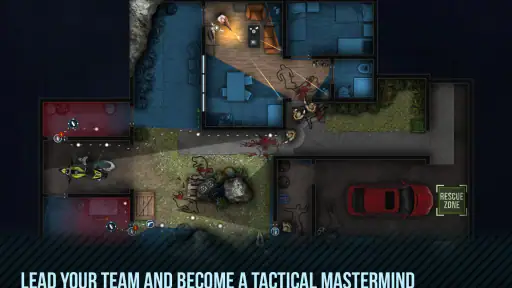
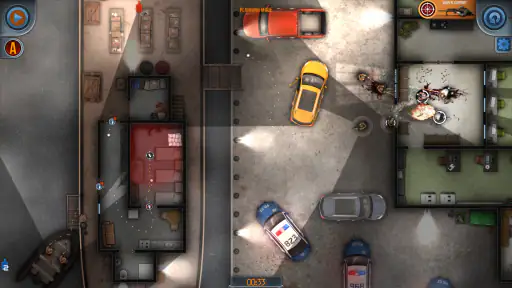
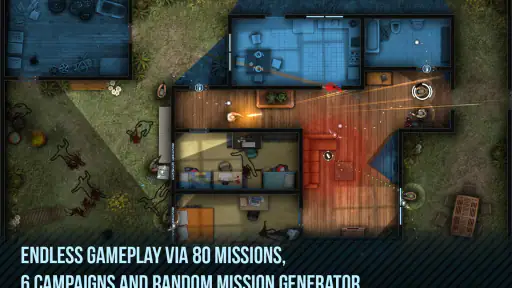
Jumping into the game, I was immediately impressed by the variety of missions available. Each mission feels fresh, requiring you to adapt your strategies on the fly. What's cool is that the game offers you a bird's-eye view of the action, letting you plot out your squad's movements with precision. This top-down perspective is perfect for those who love to micromanage every detail of their gameplay.
One of the standout features is the ability to pause the game to issue commands. This means you can take your time to assess the situation, plan your attack, and then watch your plan unfold in real-time. It’s a tactical delight to see your squad execute a well-planned breach and clear operation. And let me tell you, there’s nothing quite like the satisfaction of a flawlessly executed mission.
Graphics and Sound
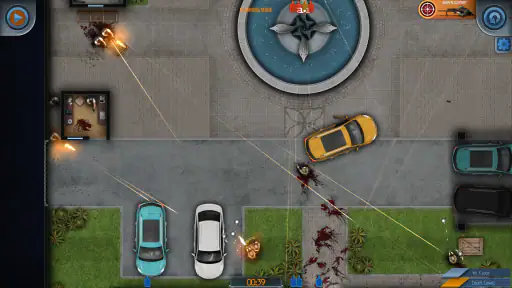
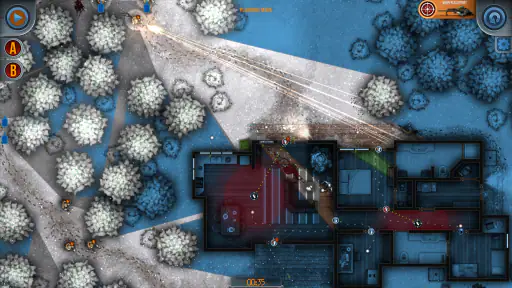
Visually, the game isn't about flashy graphics, but it does the job well. The environments are detailed enough to keep things interesting, and the animations are smooth, which is crucial for a game that relies heavily on timing and precision. The sound design deserves a mention too. The crisp sound effects of gunfire and the tense background music add to the immersive experience, making each mission feel like a high-stakes operation.
What Keeps Me Coming Back
What I love about Door Kickers is the replayability factor. Each mission can be approached in numerous ways, and experimenting with different strategies keeps the game from getting stale. Plus, the game constantly challenges you to think on your feet, adapting to new scenarios and enemy tactics. It's like a puzzle that you never quite solve, but in the best way possible.
Another aspect that stands out is the level editor, which allows you to create your own missions. For someone who loves to tinker and create, this feature is a goldmine. You can craft your own challenges and even share them with the community, adding a layer of creativity and interaction with other players.
How it compares with other strategy games
Compared with strategy games that emphasize building an economy, managing a large map, or growing an army over a long campaign, this is much more immediate and focused. Its challenge is concentrated in the tactical decisions around a mission, not in maintaining a sprawling operation between battles. That makes it easier to pick up for a short, focused play, but it also means it is the wrong choice if what you want is base construction, broad strategic progression, or a story-led adventure.
It also differs from action games that reward constant movement and quick reactions. Here, the ability to pause and issue commands gives me room to think, so success depends less on frantic input and more on how well I have considered the situation. If you prefer direct control of one character and the momentum of continuous action, a conventional shooter will probably feel more natural. If you enjoy looking at a problem from above and coordinating a team, this approach has a distinct appeal.
Learning through retries and creating your own challenges
One useful habit is to treat a failed attempt as information. Rather than immediately repeating the same orders, I would identify the decision that caused trouble and change one part of the plan. That keeps experimentation manageable and helps me understand whether a different route or a different sequence makes the mission more controllable. It is a more rewarding way to learn than restarting without reflecting, especially for players who like to improve through small, deliberate adjustments.
The level editor adds a different kind of value for people who have already spent time with the missions. Making a challenge is not just a way to extend play; it encourages me to think about how a space presents decisions to someone else. A good custom scenario should give players something to reason through, not merely make every route frustrating. I would recommend this feature most to players who enjoy tinkering and testing their own ideas. Those who only want a straightforward sequence of missions can ignore that creative side and still focus on the core tactical experience.
There are limits to that appeal. The deliberate pace and close attention to squad movement can feel demanding, and the top-down presentation may not give the same personal, cinematic feeling as a game viewed from a character’s perspective. The restrained visuals also serve clarity more than spectacle. For me, those are fair trade-offs for a game centered on planning, but they are worth considering before paying for it. A player who wants elaborate visual effects, a casual pace, or a broad variety of genres in one package should look elsewhere.
Who I would recommend it to
I would point this toward people who enjoy tactical puzzles, careful observation, and the satisfaction of making a plan work. It is especially suited to players who are comfortable pausing to consider their next move instead of treating hesitation as lost momentum. The Teen rating is useful context for families deciding whether it fits a younger player, while the tactical subject matter and pressure may still be a poor match for someone who prefers lighter themes.
Before buying, I would ask myself whether I am likely to replay missions to test alternatives. That is where much of the value lies: not simply reaching the end, but finding a cleaner or more reliable way to handle a situation. The price makes it a considered purchase rather than a free experiment, so it makes most sense for someone who already likes strategy games and expects to spend time refining decisions. Players who want a story to carry them forward or a casual game that asks little attention may get more from another genre.
A tactical choice with a clear audience
In conclusion, if you're into strategy games that test your tactical skills and offer a fresh challenge with every mission, Door Kickers is a must-try. It's a game that rewards patience and planning, and the thrill of executing a perfect strategy is second to none. So go ahead, kick some doors, and let me know how you fare!
My recommendation comes with one qualification: its appeal depends on whether you enjoy studying a situation and accepting that a sound plan may need revision. For that kind of player, the pause-and-command rhythm, replayable missions, and editor give the game more staying power than a quick first impression suggests. If I wanted a low-effort pastime or a strategy game about long-term empire management, I would choose differently. But when I want a concentrated tactical challenge that rewards thought over speed, this is an easy one to return to.
Door Kickers Pros and Cons
Pros
- Intuitive controls make gameplay smooth.
- Diverse missions keep players engaged.
- Realistic sound effects enhance immersion.
- Co-op multiplayer mode adds fun.
- Strategic planning is highly rewarding.
Cons
- Graphics can feel outdated.
- May be too challenging for casual players.
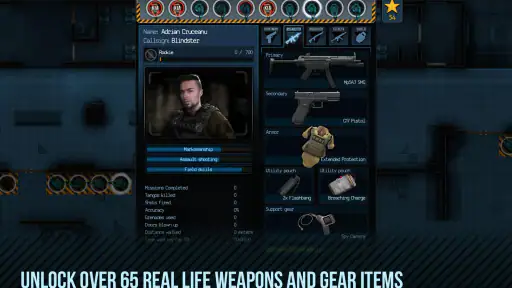
- Limited weapon customization options.
- AI teammates sometimes act unpredictably.
- Requires constant internet connection.
This Game in Other Languages
Frequently Asked Questions
What is the main objective of Door Kickers?
Door Kickers is a tactical strategy game where players take on the role of a SWAT team commander. The primary objective is to plan and execute missions to neutralize threats, rescue hostages, and complete various objectives. Players need to carefully strategize their moves, considering different layouts, enemy positions, and available resources to succeed.
Can Door Kickers be played offline?
Yes, Door Kickers can be played offline. The game is designed to offer a comprehensive single-player experience where players can enjoy the full tactical gameplay without the need for an internet connection. This makes it convenient for gaming on-the-go or in situations where Wi-Fi or data might not be available.
Are there in-app purchases in Door Kickers?
Door Kickers does not heavily rely on in-app purchases. Once the game is purchased, players have access to the full range of missions and tactical options. However, there might be some optional content or expansions available for purchase, but they are not necessary to enjoy the core game experience.
How does the mission planning work in Door Kickers?
In Door Kickers, mission planning is a critical aspect of gameplay. Players are required to pause the game to plan their team's moves, set waypoints, and assign specific actions like breaching doors or throwing flashbangs. This phase allows players to think through their strategy and anticipate enemy movements, making execution smoother and more effective.
What platforms is Door Kickers available on?
Door Kickers is available on multiple platforms, including Android and iOS for mobile users, as well as PC for desktop gamers. This cross-platform availability ensures that players can enjoy the game on their preferred device, whether they are at home or on the move.


