

Delta Force
- Reviews
- 4.6
- Version
- 1.202.37101.3001
- Installs
- 5,000,000+

Screenshots
 Analysis by Frivlyz
When I’m choosing a mobile shooter, I want more than a few minutes of frantic aiming: I want matches that reward attention, coordination, and learning from a mistake. Delta Force is an action game from Level Infinite that aims for that tactical feel on a phone. It is free to start, though optional in-app purchases range from $0.49 to $99.99 per item, so I’d go in expecting a free download rather than assuming every part of play is free of spending.
What the purchase details tell me—and what they don’t
The game is rated Teen, has an average rating of 4.6 from around 121,000 ratings, and has passed 5 million installs. Those figures suggest that many players have tried it, but popularity alone cannot tell me whether a particular match will feel fair or whether I’ll enjoy its pace. I’d treat the rating as a useful first signal, then judge the controls and match flow on my own device.
The purchase range is worth noticing before starting. A low-priced item and a much higher-priced item sit within the same stated range, but that does not tell me what either purchase contains, whether it affects competitive play, or how progression works without spending. I won’t assume that purchases provide an advantage—or that they are purely cosmetic—without those details. If I’m cautious about spending, my practical approach is simple: play first, avoid buying anything under match pressure, and check the item description carefully before confirming a purchase.
How I’d approach the first sessions
My first hours in a tactical shooter are usually less about chasing wins and more about finding a comfortable rhythm. On a phone, I’d start by learning how movement, aiming, and firing feel together, then make small control adjustments rather than changing everything at once. That gives me a clearer idea of whether a missed shot came from a rushed decision, unfamiliar controls, or a setting that doesn’t suit my hands.
I’d also treat each objective as a reason to pause and read the situation, not as an invitation to sprint straight toward the nearest action. In a game built around missions, planning and team coordination matter as much as quick reactions. A useful habit is to pick one thing to focus on in a match—staying with teammates, watching an approach, or taking a moment before engaging—then review whether it helped. That makes early play feel less random and gives each round a small lesson, even when the result is a loss.
There is a trade-off here: the tactical emphasis can make a match satisfying when a team works together, but less welcoming if I only want instant, uncomplicated shooting. It also means that a short play session may be better spent learning one aspect of the game than trying to master everything at once. Players looking for a shooter they can understand immediately may prefer a simpler arcade-style alternative; players who enjoy deliberate objectives and coordinated decisions are more likely to appreciate this approach.
Setting the Stage
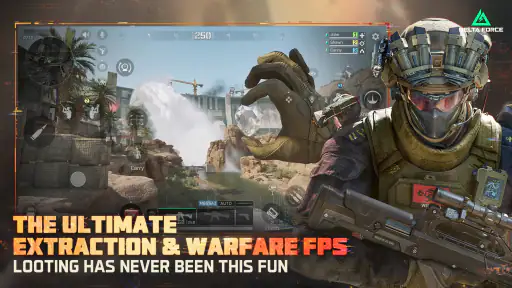
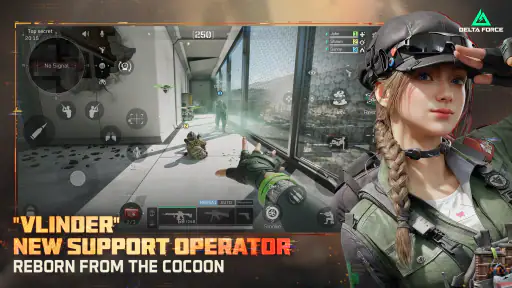
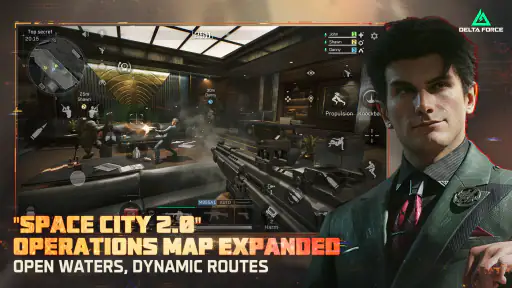
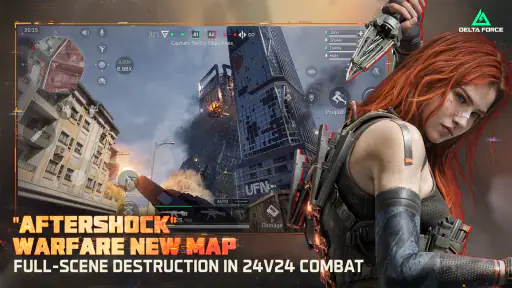
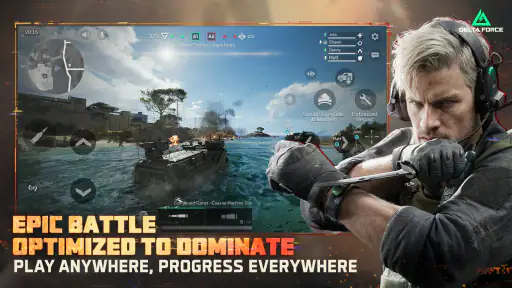
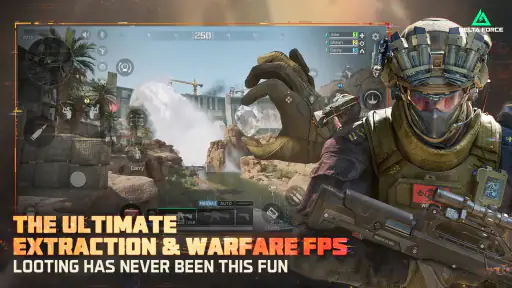
The first thing that caught my attention with Delta Force was its stunning graphics. The developers have done an exceptional job at recreating various environments, from dense jungles to urban landscapes. The attention to detail is remarkable, making you feel as if you’re truly in the thick of the action. The sound design complements the visuals perfectly, with realistic sound effects that make every mission pulse-pounding.
Gaming Stories You May Enjoy

Dancing Road Turns Short Breaks Into a Test of Rhythm and Timing

Super Stylist Makes Every Outfit a Test of Taste and Patience

Dominoes on Your Terms: Who Should Play and Who Should Pass

Pokémon GO Makes the Familiar World Feel New

Chess.com Turns Rematches Into Rivalries, but Community Has Its Costs

Archery Battle 3D Review: Sharp Aiming, Unclear Feedback
Gameplay Experience
When it comes to gameplay, Delta Force doesn’t disappoint. The missions are designed to test your strategic thinking and reflexes. You’ll find yourself planning attacks, coordinating with your team, and executing precise maneuvers to accomplish objectives. The controls are intuitive, allowing for smooth navigation and interaction with the game’s elements.
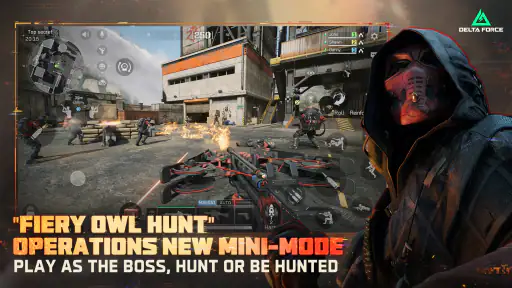
What I particularly love about this game is the variety it offers. No two missions feel the same, and the developers have done an excellent job of keeping the content fresh and engaging. Whether you’re infiltrating enemy bases or escorting VIPs to safety, there’s a constant thrill that keeps you coming back for more.
Using the game in everyday life
A realistic way I’d fit this into a day is to play after dinner when I have enough time to focus, rather than opening it while waiting for a very short appointment. Tactical play is more enjoyable when I can pay attention to teammates and objectives instead of repeatedly stopping mid-session. If I only have a few minutes, I’d use them to get familiar with the controls or decide what I want to improve next time, rather than expect a quick session to deliver the full team-play experience.
Sound is part of the appeal described in play, but it also affects where I’d choose to play. The action is easier to follow when I can hear what is happening, so I’d use headphones when practical and keep the volume comfortable. In a shared space or during a commute, I’d be more considerate of people around me and avoid relying on loud audio. This is a small choice, but it can make the difference between an immersive session and a distracting one.
For a new player, I’d recommend resisting the urge to judge the game from a single rough match. Mobile controls take practice, and team-based objectives can make an unfamiliar round feel confusing at first. Instead, I’d give myself a few sessions to learn how I prefer to move and aim, and notice whether the tactical decisions are enjoyable. If they are, the learning curve has a purpose; if I find myself wishing every encounter were faster and more straightforward, that’s a good sign this may not be my kind of shooter.
Multiplayer Madness
If you’re someone who enjoys competitive gaming, the multiplayer mode in Delta Force is a must-try. You can team up with friends or go head-to-head against players from around the world. The adrenaline rush of outsmarting your opponents and climbing the ranks is incredibly satisfying. Plus, the game offers regular updates with new maps and challenges, ensuring that the multiplayer experience never gets stale.
Fairness, competition, and spending
For me, the important fairness question is not simply whether a game has purchases; it is whether buying something changes the contest. The listed purchase range confirms that optional items can cost different amounts, but it does not establish what they do or how they relate to competitive balance. I would not label the game pay-to-win or declare spending irrelevant on that basis. A player who cares strongly about a level playing field should inspect purchase descriptions and make their own decision before paying.
That uncertainty also shapes how I’d handle progression. I’d first see what regular play makes available and whether I’m enjoying the core matches before considering any purchase. If progress starts to feel like a chore, spending to hurry through it would only make sense to me if the item’s effect and value were clear. Otherwise, I’d rather take a break or play another mode than spend because I’m impatient after a frustrating round.
Playing with friends can make coordination more natural, but it does not guarantee an easy win; opponents and the flow of a match still matter. If friends are unavailable, the game’s competitive appeal may still suit someone who likes meeting unfamiliar teammates, while a solo player who dislikes relying on others could find that aspect tiring. I’d choose based on whether teamwork itself sounds fun, not only on the prospect of winning.
Device fit and practical expectations
The game was released on April 12, 2025, and its current version is 1.202.37101.3001. It supports Android 6.0 and later, which helps indicate basic operating-system compatibility, but that alone does not promise the same experience on every phone. Before settling in, I’d make sure I have enough battery and a stable connection for the kind of session I want, and I’d check how the game feels during actual play rather than infer performance from a device’s OS version.
Its detailed environments are part of what makes the presentation appealing, yet visual ambition can be a trade-off for someone using an older or less capable device. If play feels uncomfortable, I’d look at the available in-game settings and test changes one at a time, rather than assume the game is unplayable or that a particular setting will fix everything. I’d also avoid starting a match when I know I may need to leave immediately; a team-based round is more satisfying when I can stay focused through its objectives.
Compared with a straightforward run-and-gun mobile shooter, this is the more considered choice: it asks me to think about objectives and coordination, not only aim. Compared with other tactical shooters, the basic question is whether this particular mix of mission play, mobile controls, and competitive matches feels right to me. I would not choose it for a relaxed offline diversion or for a player who wants every session to be predictable. I would choose it for someone who likes improving through practice and can enjoy a match even when the team’s plan does not work perfectly.
What I’d check before committing
Before installing, I’d ask myself three practical questions. Do I want a shooter where team decisions matter? Am I comfortable learning touch controls through practice? And am I willing to keep purchases optional until I understand what they offer? If the answer to those is yes, trying the free game is a reasonable way to find out whether its style suits me. If I mainly want a quick, low-pressure game, a simpler alternative may fit better.
I’d also set a spending boundary before browsing any purchasable items, especially if I tend to make impulse decisions after a close loss. The top of the listed range is substantial enough that I would never tap through a payment prompt without checking the amount and contents. That is not a claim about how often purchases appear; it is just a sensible habit for any free-to-start game with optional paid items.
Final Thoughts
In conclusion, Delta Force is more than just a game; it’s an immersive experience that captures the essence of tactical warfare. With its stunning graphics, engaging gameplay, and robust multiplayer mode, it’s no wonder this app has garnered a loyal fanbase. So, if you’re looking for a game that will keep you on the edge of your seat, give Delta Force a try. Trust me, you won’t regret it!
My recommendation comes with one important qualification: try it because you enjoy tactical action and team play, not because you expect every detail of progression or purchase impact to be obvious in advance. The free entry point makes sampling it straightforward, while the Teen rating helps families decide whether its content suits a younger player. Level Infinite is the developer, and the game has an average rating of 4.6 across around 121,000 ratings, but neither fact replaces trying it on your own device.
For me, the best reason to keep playing is the satisfaction of making a better decision in the next match—staying alert, coordinating more thoughtfully, or approaching an objective with patience. The clearest reason to skip it is equally simple: if competitive teamwork feels like pressure rather than fun, a lighter, more immediately accessible action game will probably be a better use of your time. If the tactical side is what you’re after, start free, learn at your own pace, and keep any spending deliberate.
Delta Force Pros and Cons
Pros
- Intuitive user interface for easy navigation.
- High-quality graphics enhance gameplay experience.
- Diverse mission types keep gameplay exciting.
- Multiplayer mode for competitive play.
- Regular updates with new content and features.
Cons
- Occasional in-game lag affects performance.
- Requires constant internet connection.
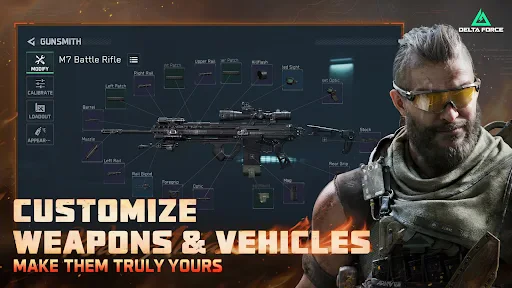
- Limited customization of characters.
- In-app purchases can become costly.
- Not suitable for low-end devices.
This Game in Other Languages
Frequently Asked Questions
What platforms is Delta Force available on?
Delta Force is available for both Android and iOS platforms, making it accessible to a wide range of users. Players can download the game from the Google Play Store or the Apple App Store. Ensure your device meets the system requirements for optimal performance and gameplay experience.
What are the key features of Delta Force?
Delta Force offers a variety of exciting features, including realistic combat scenarios, a wide range of weapons and equipment, multiplayer modes, and immersive graphics. The game provides both single-player missions and online multiplayer battles, allowing players to engage in tactical gameplay with friends or solo.
Is Delta Force free to play?
Delta Force is free to download and play, but it does offer in-app purchases. These purchases can enhance the gaming experience by unlocking additional content, weapons, or customization options. Players can enjoy the core game without spending money, but some features may require payment for full access.
Are there any age restrictions for playing Delta Force?
Yes, Delta Force is rated for mature audiences due to its intense violence and realistic combat scenarios. It is recommended for players aged 17 and older. Parents should be aware of the game's content and ensure it is appropriate for their children before allowing them to download and play.
How do I report bugs or issues in Delta Force?
Players encountering bugs or issues in Delta Force can report them through the app's support section. The developers are responsive and actively work to fix any problems. Providing detailed information about the issue, including your device model and operating system, will help the support team address the problem more effectively.


