

Daniel Tiger's Stop & Go Potty
- Reviews
- 4.0
- Version
- Stop & Go Potty 1.2
- Installs
- 10,000+

Screenshots
 Analysis by Frivlyz
In the first few days of potty training, I can see why a parent might reach for Daniel Tiger's Stop & Go Potty. A familiar character can make a new routine feel less like an instruction from an adult and more like a story a child wants to join. This is a paid educational game from PBS KIDS, priced at $2.99, and its central idea is refreshingly focused: help a young child pause play and respond when it is time to use the bathroom. That narrow focus is also its main test. It can support a routine, but it cannot make a child ready or take the place of a calm caregiver.
A welcoming first week, with a clear purpose
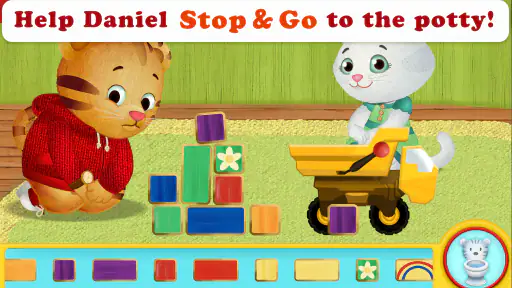
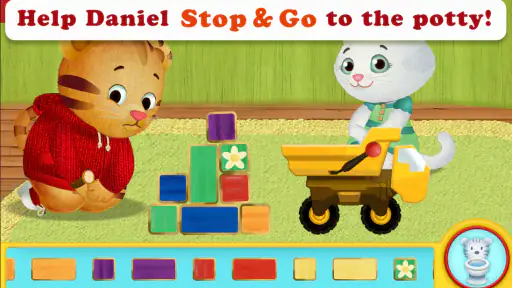
The first-week appeal is easy to understand. Potty training interrupts whatever a toddler would rather be doing, and the game gives parents a friendly way to introduce that transition before it becomes urgent. I would use it during a quiet moment, not as a last-second rescue when a child is already upset or rushing. The game’s premise gives a parent an opening to talk about noticing the need to go and stopping an activity, which is often the difficult part of the routine.
Its audience is specific: families who already know Daniel Tiger, or children who respond well to gentle, character-led learning. If your child recognizes the show, that familiarity may help the subject feel less strange. If they do not, the bathroom routine still matters, but the character connection may carry less weight. This is not a broad collection of preschool lessons; I’d consider it a targeted companion for one developmental task.
Turning play into a repeatable habit
One useful way to bring it into daily life is to play together once, then connect the lesson to a real bathroom visit. Rather than handing over the device and expecting the game to do the teaching, I’d pause and let the child say what happens next. That small handoff matters: the useful outcome is not remembering a screen interaction, but beginning to recognize the routine away from the screen.
A realistic moment might be after a child has been absorbed in toys and resists stopping. A parent could introduce the game earlier in the day, then use the same idea when play needs to pause: first stop, then head to the bathroom, and afterward return to the activity if appropriate. The app can serve as a shared reference point, but the adult still needs to notice cues, offer reassurance, and handle the practical steps. I would avoid presenting it as a reward for success or as a test the child can fail; that risks adding pressure to a process that can already feel sensitive.
Getting Started with Daniel Tiger's Stop & Go Potty
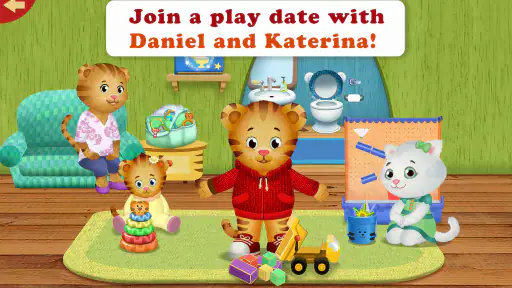
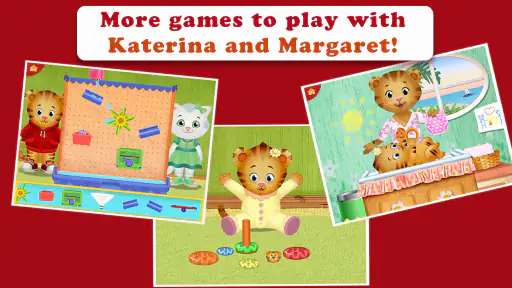
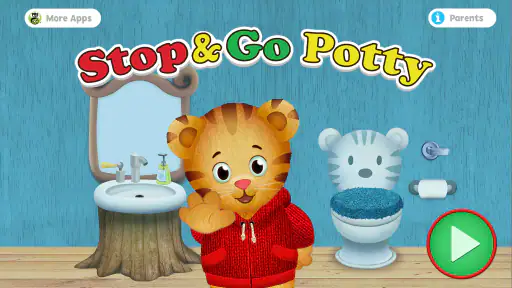
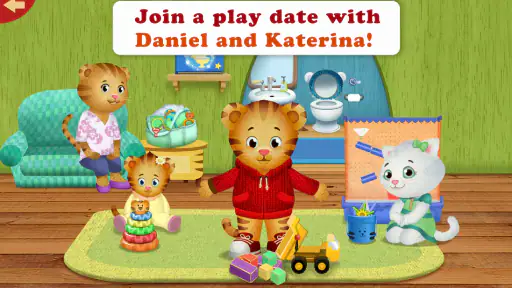
As soon as I installed Daniel Tiger's Stop & Go Potty, I was greeted with the familiar and friendly faces of Daniel Tiger and his neighborhood friends. The app is designed to help parents and toddlers navigate the sometimes tricky waters of potty training. It's packed with interactive games, catchy songs, and helpful tips that make the learning process engaging for young minds.
Interactive Elements to Engage Young Learners
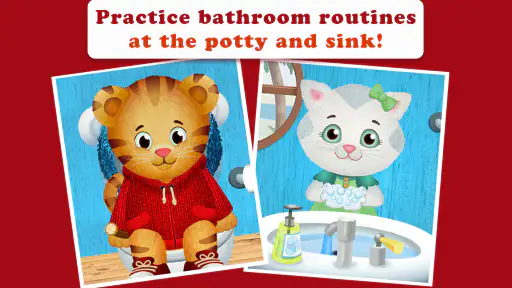
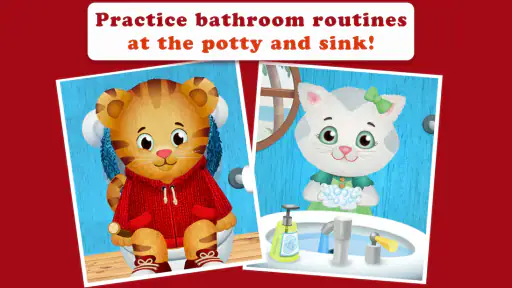
The app's interactive elements are where it truly shines. Kids can play games that teach them the steps of using the potty, such as washing hands and flushing. What I love is how it integrates these lessons into everyday scenarios, making it relatable. The animations are vibrant, and characters are voiced by the original show’s cast, which adds a layer of authenticity.
Gaming Stories You May Enjoy

Dancing Road Turns Short Breaks Into a Test of Rhythm and Timing

Super Stylist Makes Every Outfit a Test of Taste and Patience

Dominoes on Your Terms: Who Should Play and Who Should Pass

Pokémon GO Makes the Familiar World Feel New

Chess.com Turns Rematches Into Rivalries, but Community Has Its Costs

Archery Battle 3D Review: Sharp Aiming, Unclear Feedback
Music and More
No kids' app would be complete without music, right? The songs in Daniel Tiger's Stop & Go Potty are not just entertaining, but they're educational too. They reinforce the lessons being taught, and I found myself humming along after just a few minutes. It's a smart way to make the information stick.
One of the most delightful features is the app’s ability to track progress. Parents can see how their child is doing and which areas might need a bit more focus. It's a nice touch that adds value to the overall experience.
What Sets It Apart?
In a world saturated with educational apps, Daniel Tiger's Stop & Go Potty stands out for its thoughtful approach to a sensitive subject. It encourages independence in little ones while providing a comforting guide through each step. Plus, the inclusion of familiar characters creates an environment of trust and comfort.
From novelty to month-to-month value
The first burst of interest in a children’s game can fade quickly, so I would judge this one by whether it helps a family repeat a real-world routine rather than by how long a child stays on the screen. Its songs and activities give you material to revisit, but the lasting value depends on how naturally the child begins to carry the bathroom sequence into daily life. If a child likes singing along, a song might become a gentle cue; if they tire of repetition, the parent can keep the routine simple and move on without insisting on another play session.
That makes the game more useful in short, occasional visits than as a daily app habit in its own right. I would introduce it when potty training begins, return to it when a child needs a friendly reminder, and let it recede once the routine becomes familiar. A child who enjoys the characters may ask for it again; another may get what they need from a couple of shared sessions. Neither response means the training is succeeding or failing. The practical measure is whether the child feels more comfortable with the steps, not whether the app remains a favorite.
Keeping the routine low-pressure
For a smoother experience, I’d use the game before a predictable transition—such as getting ready to leave or settling into a play session—rather than only when a bathroom trip is urgent. This helps make stopping and going part of ordinary life instead of a consequence attached to an accident. A caregiver can also let the child choose whether to revisit a song or activity, then connect it briefly to the next real bathroom visit. The aim is to transfer a familiar idea, not to make screen time a required checkpoint.
Parents may wonder whether it can replace reminders, a potty chart, or a book. I wouldn’t treat it as a replacement for any of those. A chart can make progress visible, while a book can be read at bedtime without opening a device; this game’s distinctive role is to make the stop-playing-and-go transition feel approachable through interaction and familiar characters. Families can combine approaches, but it is worth keeping the routine consistent and avoiding a pile of competing prompts that turn every bathroom trip into a lesson.
What it asks of parents
The maintenance burden is modest in concept but real in practice: an adult needs to choose when the game fits, sit nearby if the child needs help, and connect what happens on screen to the bathroom routine. It is not a hands-off training plan. That is a strength if you want a shared activity and a limitation if you are looking for a tool that independently manages reminders or tells you exactly what to do next.
There is also a practical device trade-off. Because it is a paid game, the purchase makes most sense when the child is at the relevant stage and interested in Daniel Tiger, rather than as a speculative download for a distant future. It is rated Everyone, and its current version is Stop & Go Potty 1.2; it requires Android 4.4 or later. Those details make it straightforward to assess compatibility and suitability, but they do not change the central question: will this particular child engage with a character-based approach?
Where repetition can wear thin
The same focused design that makes the game easy to understand can also limit its replay appeal. Once a child knows the basic steps, repeated songs or familiar activities may not hold attention as strongly. That is not necessarily a flaw for a learning aid, but it does mean I would not buy it expecting a deep, long-running game. The goal is a little confidence around a routine, not ongoing entertainment.
It may also be the wrong fit if a child dislikes screen-based prompts, does not respond to the show’s characters, or is not ready to use the potty. In those cases, a caregiver’s calm support, a simple picture book, or advice from a child’s healthcare professional may be more useful. If bathroom anxiety or resistance is the main challenge, an app cannot diagnose the cause or resolve it by itself. I’d keep the tone relaxed and stop using the game if it starts to feel like pressure.
How it compares with the usual choices
Compared with a generic preschool game, this one is more directly tied to a recognizable daily task, which gives it a clearer purpose but a narrower audience. Compared with a potty-training video or story, interactive play can invite a child to take part rather than only watch or listen. Compared with a parent-led reminder, it can make the idea feel more playful, though the parent-led approach is faster and does not require a device. I’d choose based on the child: the game is appealing when familiarity and participation help; a short verbal cue or a book is better when screens distract or the child prefers quiet routines.
Its reception gives a little context, not a guarantee for your household: it has a 4.0 average from 237 ratings, with 10K+ installs. I read that as evidence that families have tried it, not proof that it will suit every child or work on a particular timeline. Reviews and ratings can help set expectations, but readiness, temperament, and the way adults introduce the routine matter more than popularity.
When I’d keep it—and when I’d skip it
I’d consider it for a toddler who enjoys Daniel Tiger, is beginning to practice bathroom routines, and benefits from seeing familiar steps presented in a friendly way. It can be particularly handy when a child needs help shifting away from play, because that transition is right at the heart of the idea. It may also give a parent a less awkward way to start a conversation about using the potty without turning the topic into a lecture.
I’d skip it if you want a broad educational game, a comprehensive training program, or an app that takes responsibility for reminders and progress decisions. I would also wait if the child is showing little readiness or becomes frustrated by repeated prompts. The game is not a substitute for patience, practical care, or professional guidance when a family has concerns. Its best use is smaller and more realistic: make the routine familiar, share a little play, then let everyday life do the teaching.
Long-term verdict
Released on Mar 3, 2016, this PBS KIDS game has a clear, useful niche rather than endless breadth. I like the idea of using Daniel Tiger’s world to make an ordinary but sometimes stressful transition easier to talk about. The cost is easiest to justify when the child already enjoys the character and the family plans to use the game together during the potty-learning stage; otherwise, a free household routine or a library book may be enough.
Overall, if you’re a parent in the midst of potty training, this app is a must-have tool in your arsenal. It's interactive, fun, and most importantly, effective in reinforcing positive potty habits. So, grab your device, download the app, and let Daniel Tiger help guide your child through this crucial developmental stage. Happy potty training!
Daniel Tiger's Stop & Go Potty Pros and Cons
Pros
- Engaging animations for kids
- Educational content focused on potty training
- Interactive games enhance learning
- Simple user interface for toddlers
- Positive reinforcement messages
Cons
- Limited content variety
- Requires in-app purchases
- Some animations can be slow
- Not suitable for older kids
- Needs internet for full features
Frequently Asked Questions
What is the main objective of Daniel Tiger's Stop & Go Potty app?
Daniel Tiger's Stop & Go Potty app is designed to help young children learn about potty training through interactive stories and games. It features beloved characters from the Daniel Tiger's Neighborhood series, providing an engaging way for kids to understand and practice bathroom routines, focusing on the importance of stopping activities to go potty on time.
Is Daniel Tiger's Stop & Go Potty app suitable for all ages?
The app is primarily targeted at preschoolers, ages 2 to 5, who are in the process of learning how to use the potty. It uses age-appropriate language and activities to make the learning process enjoyable and relatable. Parents should consider if the content aligns with their child's developmental stage before downloading.
Does the app include any in-app purchases or advertisements?
Daniel Tiger's Stop & Go Potty app is designed to be a safe and ad-free environment for kids. While there are no advertisements, parents should check if any in-app purchases are available to enhance gameplay or unlock additional features, ensuring they are comfortable with these options before their child uses the app.
Can Daniel Tiger's Stop & Go Potty app be used without an internet connection?
Yes, Daniel Tiger's Stop & Go Potty app can be used offline, making it convenient for travel or areas with limited internet access. Once downloaded, all the features and games can be accessed without needing a continuous internet connection, allowing children to enjoy learning anytime and anywhere.
What educational benefits does Daniel Tiger's Stop & Go Potty app offer?
The app provides educational benefits by reinforcing important life skills such as recognizing the need to use the potty, washing hands, and developing patience. Through interactive gameplay and familiar characters, children can learn these skills in a fun and memorable way, which can be transferred to real-life bathroom routines.


